

"I like to call it the classroom on the streets," says Lokesh Ohri of Been There Doon That, a slow-tourism initiative in Dehradun that has turned heritage walking into a community movement. What began as a personal effort to document the city's fading history has grown into something far bigger: a network of walks, trails, and homestays spanning the Doon Valley and beyond.
Lokesh started documenting Dehradun's historic neighbourhoods and landmarks as the city's rapid urban expansion began eroding awareness of its own past. Organised walks followed — a way to help residents reconnect with streets they thought they already knew.
"The idea is very simple, and the power of the idea lies in its simplicity," he says.
From One Walk To Fifty Trails


The turning point came early, during a heritage walk with university students. They told Lokesh that although they'd studied history in classrooms for years, they'd never experienced it this way — standing in the actual spaces where events had unfolded. Encouraged, he organised another walk the following Sunday. Attendance grew. Young participants began volunteering as walk leaders themselves. What started as roughly ten documented trails has since expanded to nearly fifty.
The model spread beyond Dehradun, with workshops in Almora and Nainital helping local communities set up their own heritage-walk groups, and similar efforts now underway in Mussoorie and Rishikesh.
Beyond The City
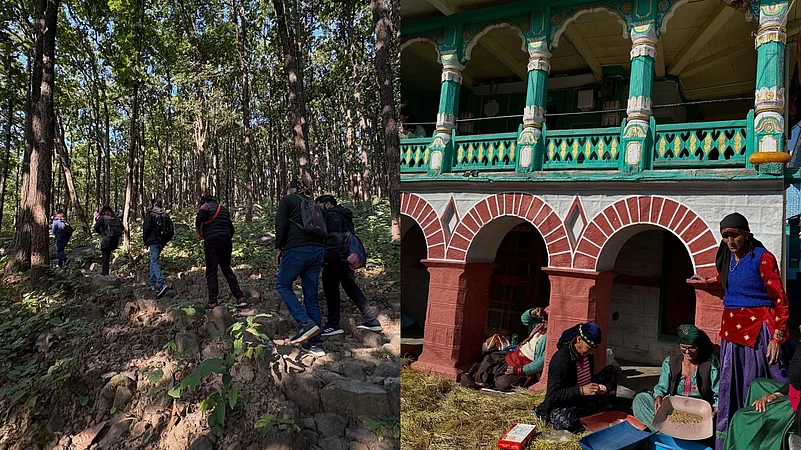
Community participation sits at the initiative's core, particularly in villages on the outskirts of the Doon Valley.
"We develop heritage trails, encourage homestays, and train communities to host larger groups," Lokesh explains. "Then we start directing sustainable travel traffic into those areas."
The format stays deliberately low-key. Walks are announced on social media, with routes, difficulty levels, and meeting points shared in advance— some are easy neighbourhood strolls, others demanding hikes. The regular Sunday walks remain free and open to anyone; customised heritage tours for schools, colleges, and private groups help fund the rest.
Walking As A Way Of Seeing
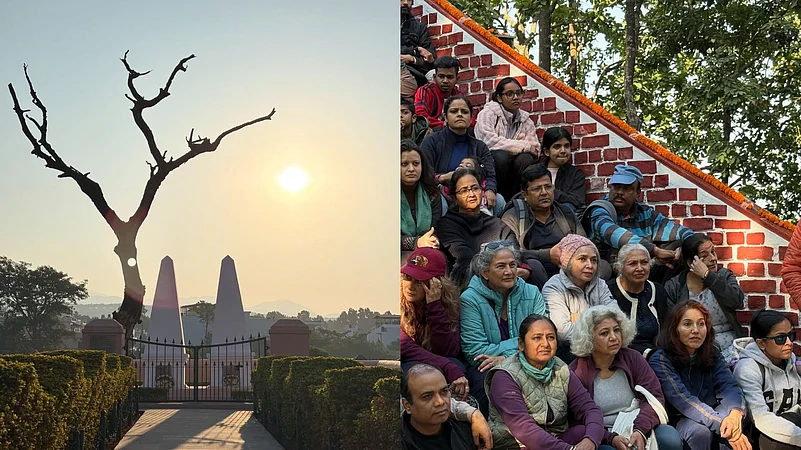
Central to the initiative is a simple conviction: walking builds a deeper connection to a place than any other mode of travel. On foot, travellers notice what a vehicle window hides — old architecture, birdsong, the rhythm of everyday village life — and stumble into the kind of unplanned conversations that give a trip its meaning.
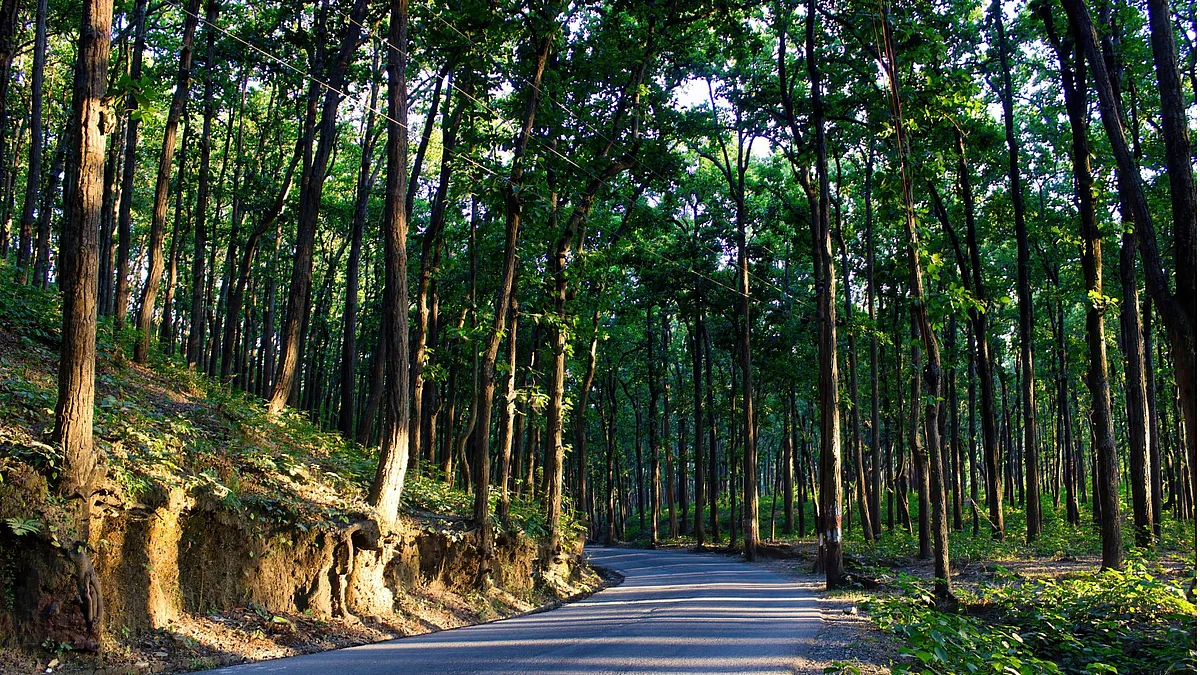
Among the dozens of routes he's mapped, one stays closest to Lokesh's heart: the Kipling Trail, the historic walking route between Dehradun and Mussoorie.
"With every turn, you see a new geography and a new view of the valley and mountains," he says. "It combines history, geography, changing weather and changing vegetation. There's always something new to learn."
The rewards of slowing down often show up in small moments of rediscovery. Lokesh recalls pointing out a World War II memorial in Dehradun to walkers who'd passed it daily for thirty years without ever noticing it. "Once they learn its story," he says, "they begin to see their town differently."
A Case For Slow Travel
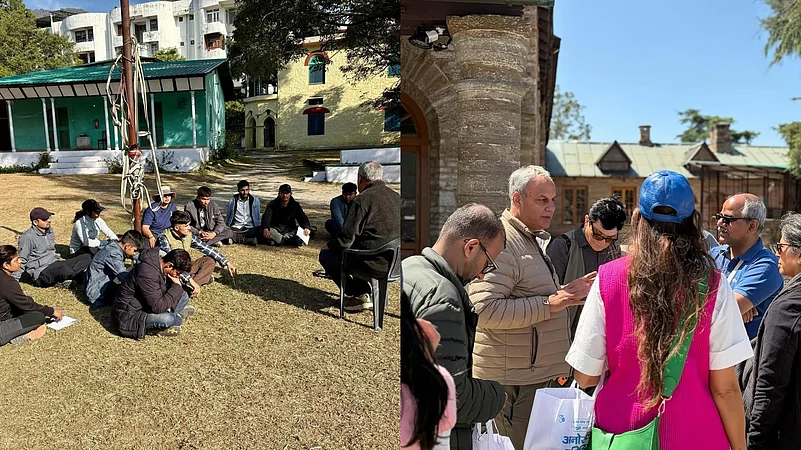
For Lokesh, the initiative is also a response to a larger anxiety: overtourism in the Himalayas. Long before mass tourism, he points out, these mountains were places of pilgrimage— journeys undertaken with patience, not haste. Modern travel, driven by speed and consumption, puts that fragile balance at risk.
"If we want to save our landscape from overtourism, we need to rethink how we travel," he says. "The future has to be slow and sustainable. Otherwise, we risk losing both the landscape and the tourism revenues that depend on it."
Been There Doon That makes the case that walking is never just a way to get from one point to another— it's a way of learning, observing and belonging. In a moment obsessed with speed, it offers a quieter alternative: slow down, look closer, and rediscover a place you thought you already knew.
FAQs
1. What is Been There Doon That?
Been There Doon That is a slow-tourism initiative based in Dehradun that organises heritage walks, develops community-led trails and promotes sustainable travel through local storytelling and homestays.
2. Who founded Been There Doon That?
The initiative was founded by Lokesh Ohri, who began documenting Dehradun's disappearing heritage before expanding his efforts into guided heritage walks and community tourism projects.
3. What makes Been There Doon That's heritage walks unique?
The walks combine history, culture, architecture and local narratives, encouraging participants to experience destinations on foot and discover places they may have previously overlooked.
4. How does Been There Doon That support local communities?
The initiative works with villages to develop heritage trails, promote homestays, train local hosts and encourage sustainable tourism that directly benefits the community.
5. Why does Been There Doon That advocate slow travel?
The initiative believes that slower, more mindful travel helps visitors build a deeper connection with places while reducing the environmental and cultural impacts of overtourism.