In many of the world’s most sought-after destinations, tourism has begun to outgrow the places that sustain it. From historic port cities overwhelmed by day-trippers to residential neighbourhoods hollowed out by holiday lets, so-called tourism pressure zones are becoming increasingly difficult to ignore. These are places where visitor numbers routinely exceed the environmental, social and infrastructural capacity of the destination itself, placing strain on local communities and altering the character of everyday life. Among the most significant drivers of this shift are the rapid expansion of cruise tourism and the rise of short-term rentals — two industries that have transformed the way people travel, while intensifying pressures on the places they visit.
Cruise Control
The global cruise tourism has rebounded sharply in recent years. Yet behind the glossy imagery of floating resorts and Mediterranean stopovers lies a more complicated reality for many port destinations now struggling under the weight of mass arrivals.
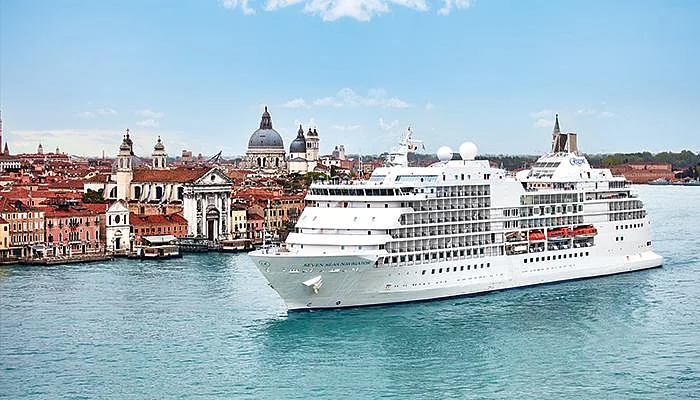
Cruise tourism has emerged as one of the strongest accelerators of tourism pressure zones. Unlike conventional tourism, where visitors disperse gradually across a destination, cruise ships can release thousands of passengers into a city within the space of a few hours. Historic centres, fragile island ecosystems and already congested waterfronts suddenly face intense, short-lived surges in human traffic that local infrastructure is rarely equipped to absorb.

Blowing Up
The result is a pattern increasingly visible across major cruise routes — from narrow cobbled streets clogged with tour groups to overstretched public transport systems and crowded beaches losing their ecological balance.
Characteristics of cruise pressure zones include:
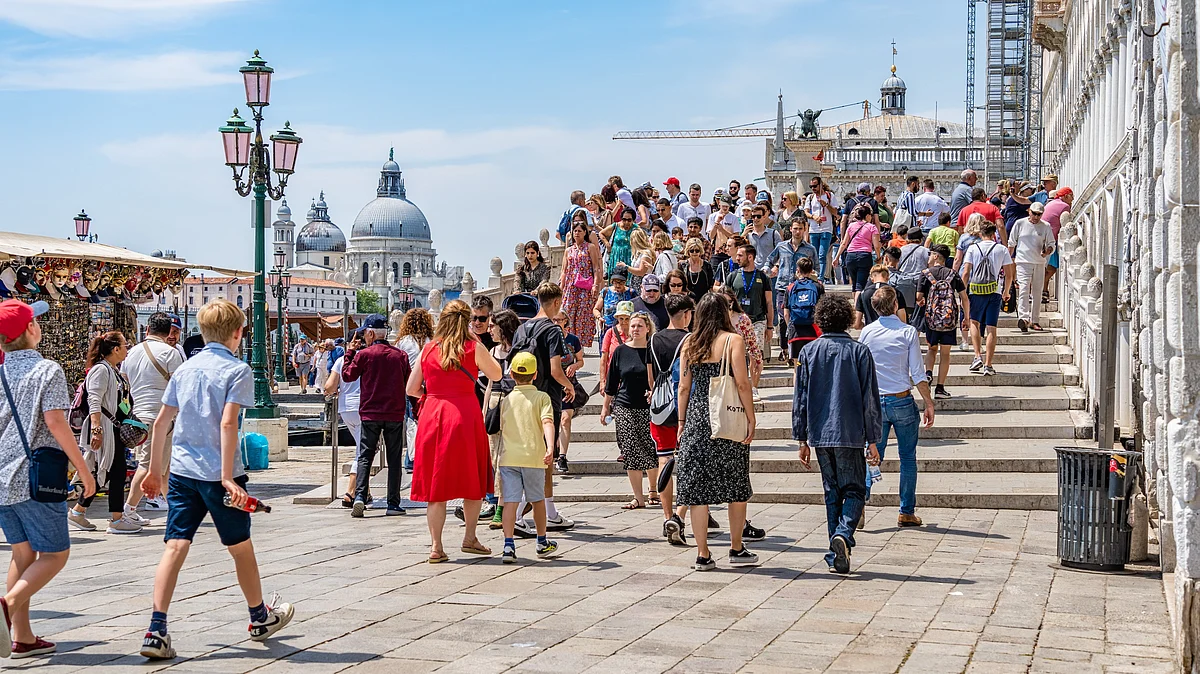
Temporal overcrowding: Cruise arrivals create sudden spikes in visitor density as passengers disembark simultaneously. Streets, transport networks, cafés, restrooms and heritage sites become overwhelmed within hours. In Venice, cruise ship days have historically brought thousands of passengers into the historic centre within hours, concentrating crowds around Piazza San Marco and the canals. At peak times, narrow streets can feel gridlocked, with locals reporting that everyday movement becomes difficult until the surge disperses later in the day.
Low economic retention: Although cruise tourism generates large visitor numbers, much of the spending remains onboard. Since passengers typically eat, sleep and shop on the ship itself, local economies often receive far less benefit than expected relative to the pressure placed on the destination.
Resource depletion: High visitor concentration in limited geographical areas accelerates water shortages, erosion of cultural and heritage sites, and overcrowding at nearby beaches and nature spots.
The environmental consequences are equally difficult to ignore. Large cruise vessels generate significant quantities of wastewater, solid waste and air pollution, much of which affects delicate marine and coastal ecosystems. Port cities already dealing with rising temperatures and environmental stress are finding it increasingly difficult to accommodate this scale of maritime traffic sustainably.
The Short-Term Rental Shift
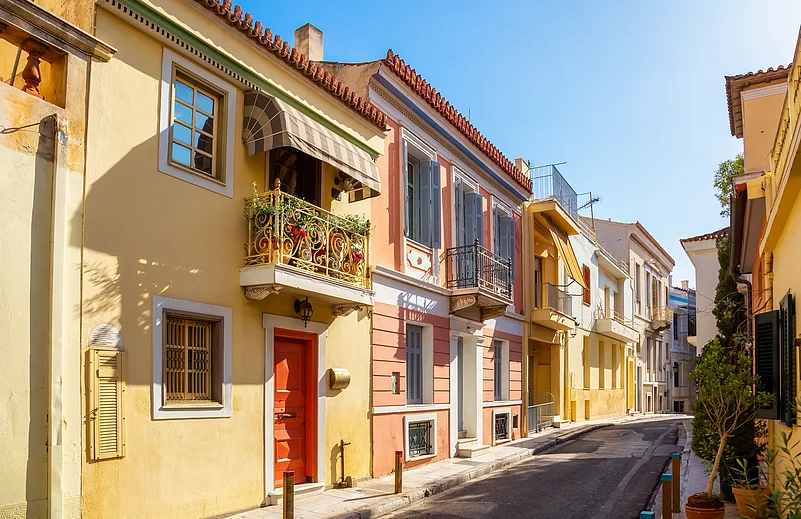
If cruise tourism reshapes destinations through sudden waves of visitors, short-term rentals alter them far more quietly — and often far more permanently. Platforms offering holiday apartments and homestays have transformed the modern travel experience, allowing tourists to stay deeper within residential neighbourhoods rather than in conventional hotel districts. For many destinations, this has brought clear economic opportunities. Residents can generate additional income, older properties find renewed use, and visitors disperse beyond crowded tourist corridors.
Yet in many tourism pressure zones, the rapid rise of short-term rentals has also intensified some of the very problems destinations are struggling to contain.
Homes Turned Holiday Lets
Across popular coastal towns, island destinations and historic city centres, more residential properties are being converted into short-term holiday rentals. While profitable for property owners, the trend has sharply reduced long-term housing supply, pushing up rents and property prices for local residents.
In many tourism hotspots, younger residents and workers are increasingly priced out of their own neighbourhoods. Streets once defined by permanent communities are gradually turning into transient visitor zones, with a constant churn of short-stay guests replacing long-term residents.
The Changing Face Of Neighbourhoods
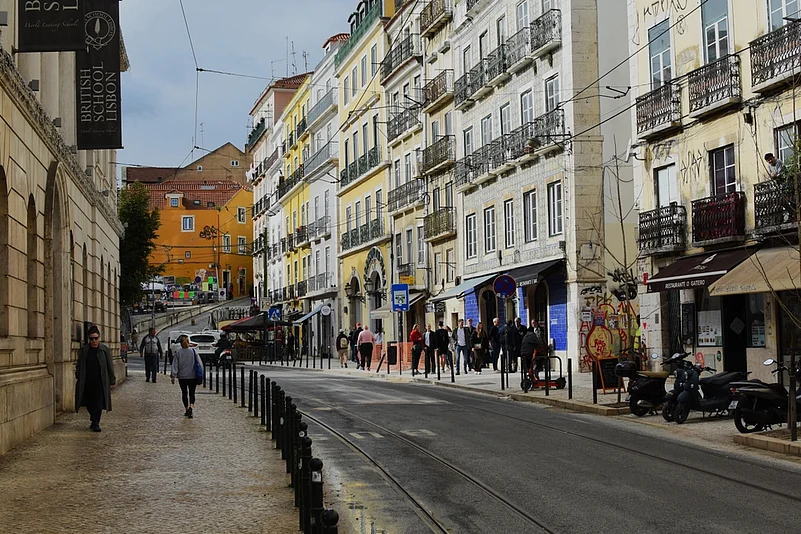
The effects of this shift are often felt most strongly at the street level. Constant visitor turnover can erode the social fabric that gives neighbourhoods their identity and continuity. Residents report increasing noise disturbances, overcrowding in shared residential buildings and the gradual disappearance of community-oriented businesses in favour of souvenir shops, cafés and tourist services.
Across Europe, short-term rentals have altered neighbourhoods in ways that are hard to reverse. In Barcelona and Lisbon, residents talk about rents climbing and familiar streets gradually filling with holiday lets, with fewer long-term tenants staying put. Venice feels the pressure even more sharply — homes that once housed local families now sit as short-stay flats, while corner shops increasingly serve visitors rather than neighbours.
In many pressure zones, the infrastructure itself struggles to keep pace. Waste collection systems, water supply networks and public transport services designed around permanent populations are suddenly forced to accommodate fluctuating tourist densities throughout the year. The result is a quieter but persistent form of overtourism — one that reshapes everyday life long after visitors have checked out.
FAQs
What are tourism pressure zones?
Places where visitor numbers exceed local environmental and infrastructure capacity.
How do cruise ships add to overtourism?
They bring thousands of passengers at once, causing sudden crowding in ports and city centres.
Why are short-term rentals a problem?
They reduce long-term housing supply and push up rents in popular destinations.
Which cities are most affected?
Barcelona, Venice, Lisbon and Dubrovnik are often cited examples.
Can these pressures be managed?
Yes, through regulation of cruise arrivals, housing controls and infrastructure planning.