Some places are best understood through the stories they carry. Across India, folklore has long shaped how communities interpret landscapes, remember history, and pass on cultural traditions, with many of these narratives still woven into everyday life.
From the legend of Bonbibi in the Sundarbans and the story behind Meghalaya's Nohkalikai Falls to the seasonal traditions of Phool Dei in Uttarakhand, folklore offers a different lens through which to experience a destination. These stories continue to influence local festivals, rituals, place names, and cultural identity.
Exploring a place through its folklore reveals layers that often lie beyond monuments and itineraries. It is an opportunity to discover not just where a destination is, but how generations of people have understood, remembered and preserved it.
Here are six destinations across India where folklore continues to shape the journey.
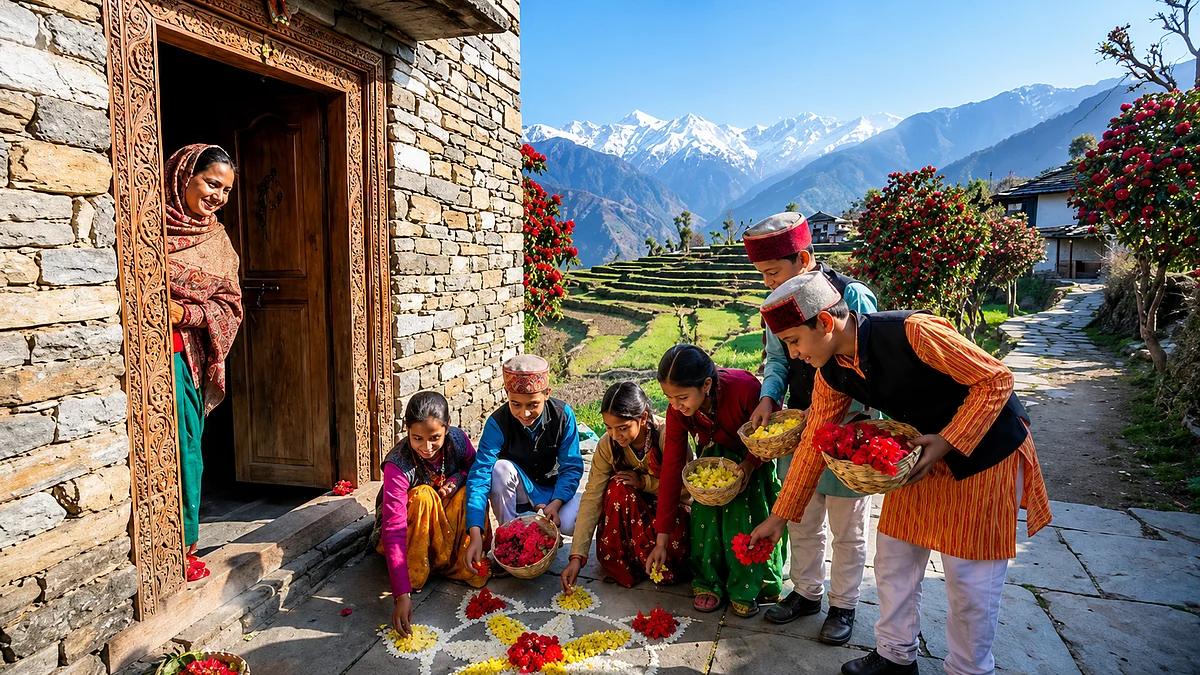
Phool Dei, Uttarakhand: When Spring Knocks On Every Door
Every March, as spring arrives in Uttarakhand, children gather freshly bloomed wildflowers and walk from house to house, decorating doorsteps while singing blessings for prosperity, happiness, and a bountiful harvest. Families welcome them with rice, jaggery, and sweets, making Phool Dei one of the Himalayas' most cherished seasonal festivals.
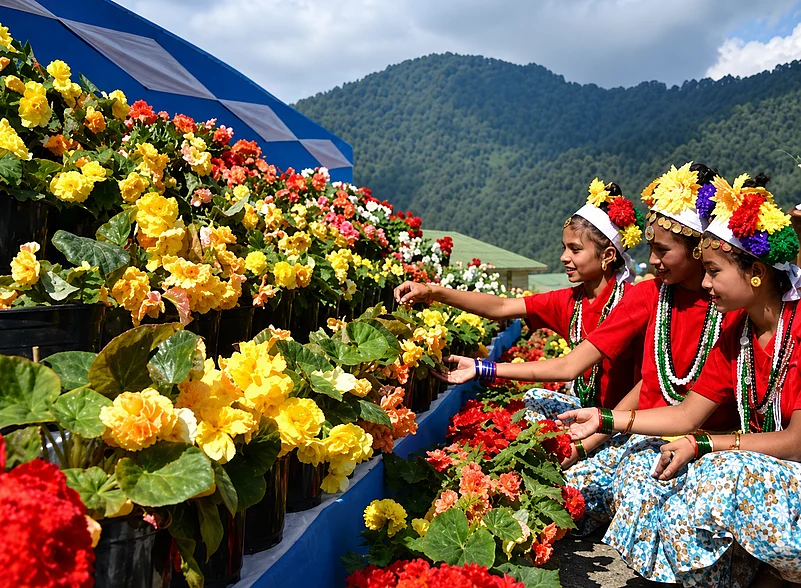

Celebrating the beginning of the agricultural year, the festival reflects the deep bond between people and nature. In many parts of Kumaon and Garhwal, it is associated with the folk tale of Princess Pyoli, who longed for her mountain home after marriage. According to local legend, she was reborn as the bright yellow fyoli flower that blooms every spring, making it a symbol of homecoming, renewal, and belonging. While the story varies across villages, Phool Dei remains a living tradition rather than a performance for visitors.
Rani Roopmati, Mandu, Madhya Pradesh: A Queen Remembered Through Song
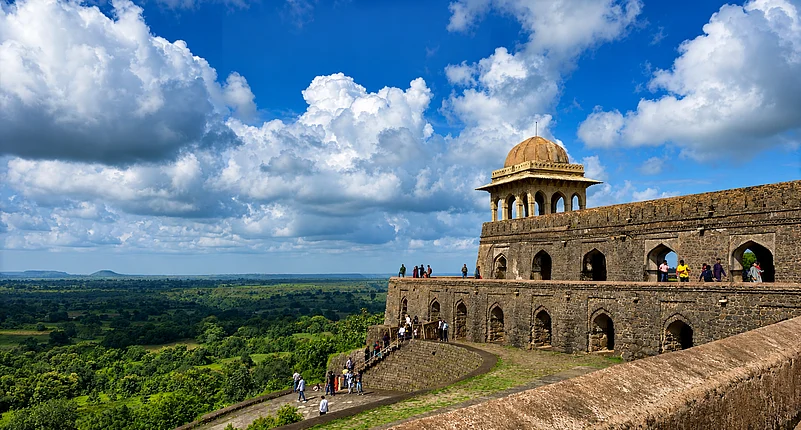
The hilltop ruins of Mandu are inseparable from the story of Rani Roopmati and Sultan Baz Bahadur. According to local tradition, the gifted singer agreed to marry the ruler only if she could continue seeing the sacred Narmada River every day. The hilltop pavilion associated with her still overlooks the distant valley.
Although historians debate various aspects, the tale has shaped Mandu's identity for centuries through poetry, music and oral tradition.
Noh Ka Likai, Meghalaya: A Waterfall Named After Grief
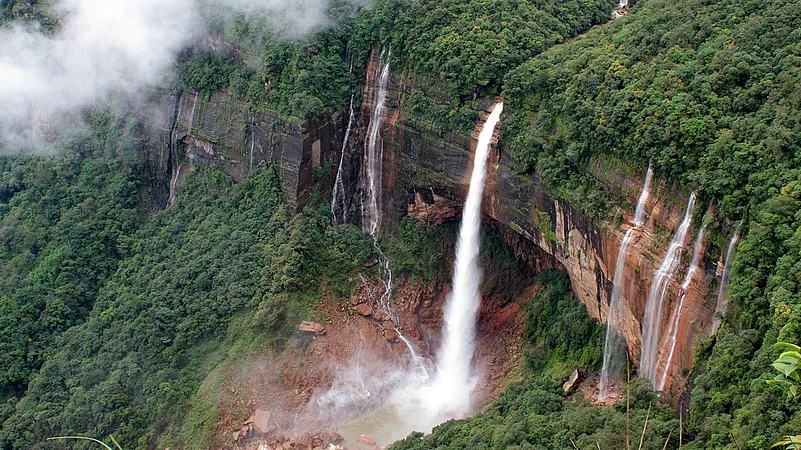
One of India's tallest plunge waterfalls bears one of its most poignant legends.
Khasi folklore tells of Ka Likai, a woman whose husband, consumed by jealousy, killed her young daughter. Unaware of the tragedy, Ka Likai is said to have discovered the truth only afterwards. Overwhelmed by grief, she leapt from the cliff beside the waterfall, which came to be known as Noh Ka Likai, meaning "the Leap of Likai."
Though details differ across retellings, the waterfall remains a powerful symbol of maternal love and loss, giving the dramatic landscape of Sohra an emotional resonance beyond its natural beauty.
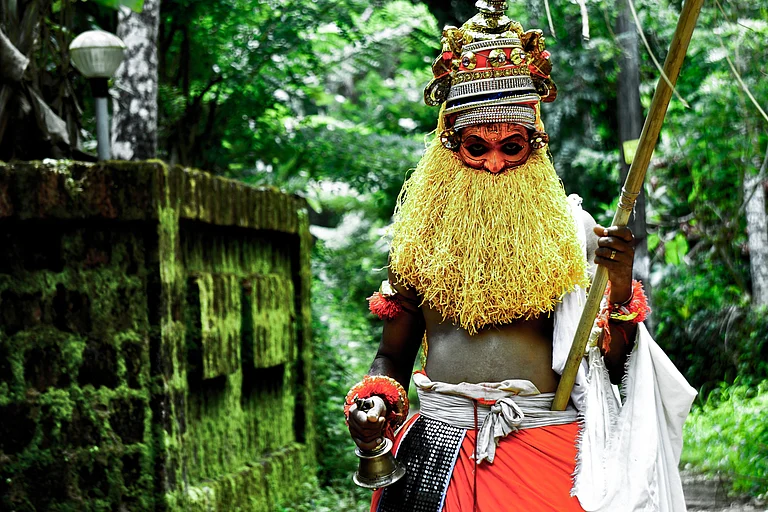
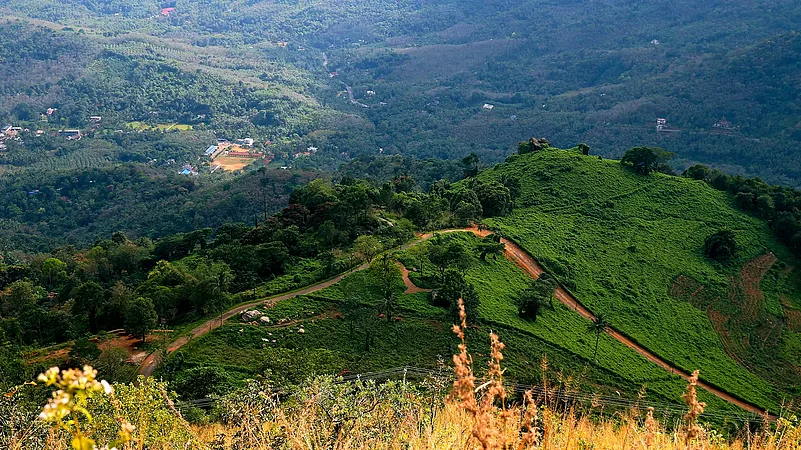
Neeli, Kerala: When Folklore Became Faith
Among Kerala's most enduring folk figures is Yakshi Neeli, remembered across Malayalam oral traditions.
In one widely told version, Neeli was a woman who suffered grave injustice before returning as a supernatural spirit. Over time, however, some communities transformed her from a feared apparition into a protective local deity. Shrines linked to Neeli continue to receive devotees, reflecting how folklore can evolve alongside changing beliefs, where myth, memory and faith become deeply intertwined.
Bonbibi, Sundarbans, West Bengal: The Forest's Shared Guardian
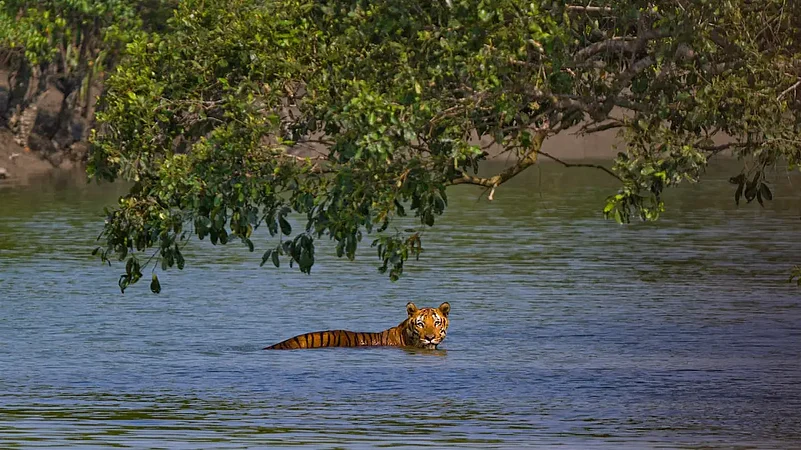
Life in the Sundarbans has long depended on coexistence with its mangroves, tides and wildlife.
Before entering the forest, many honey collectors, woodcutters and fishermen seek the blessings of Bonbibi, the guardian of the delta. The Bonbibi Johuranama, composed in the 18th century, recounts her struggle against Dokkhin Rai, the tiger spirit symbolising greed and danger.
For travellers, the legend reveals how storytelling has long encouraged respect for one of the world's most fragile ecosystems.
Jina And Etiben, Nagaland: Love That Lives On in the Landscape
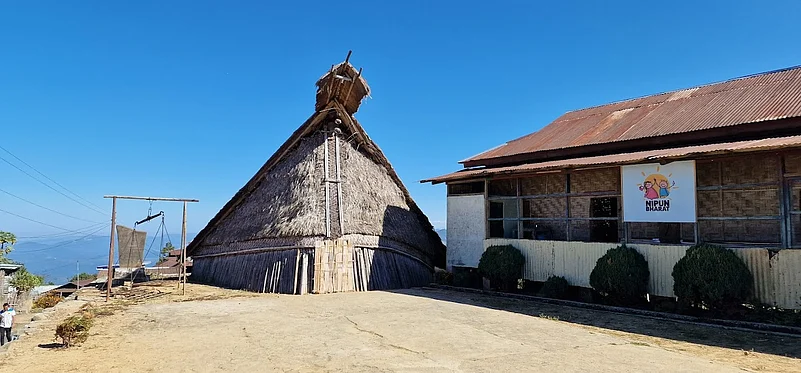
The Ao Naga village of Mopungchuket preserves one of Nagaland's best-known love stories.
Local folklore tells of Jina and Etiben, lovers separated by fate. While versions differ on why they could not be together, the story ends in lasting separation. Memorial towers overlooking the village are believed to represent the couple, whose memory continues to be passed down through generations.
Beyond panoramic views, travellers also get to experience a landscape where oral tradition remains woven into the identity of the community.
Travelling Beyond the Landscape
Across India, these stories continue to shape local traditions, festivals, rituals and community identity, keeping cultural memory alive across generations.
Whether it is seeking Bonbibi's blessings before entering the Sundarbans, celebrating spring through Phool Dei in Uttarakhand, or preserving local legends in Nagaland, folklore remains part of everyday life rather than just the past.
The next time you travel, look beyond the guidebook and ask about the stories a place still tells. They are often the thread that connects its people, landscape and history across generations.
FAQs
Q1. What are the best places to experience folklore in India?
Some of the most fascinating destinations include the Sundarbans in West Bengal, Mandu in Madhya Pradesh, Noh Ka Likai in Meghalaya, Uttarakhand's Phool Dei celebrations, Neeli traditions in Kerala, and Mopungchuket in Nagaland.
Q2. Why is folklore important in Indian travel?
Folklore offers insight into local beliefs, customs and history, helping travellers understand destinations beyond their monuments through stories that continue to influence everyday life.
Q3. How does folklore shape tourism in India?
Many festivals, rituals, place names and community traditions are rooted in folklore, creating authentic cultural experiences that attract travellers interested in heritage and storytelling.
Q4. What is the difference between folklore and mythology?
Folklore consists of stories, legends and oral traditions passed down within communities, while mythology often refers to broader religious or cosmological narratives associated with deities and creation stories.
Q5. Which Indian festival is linked to folklore?
Phool Dei in Uttarakhand is closely associated with the legend of Princess Pyoli and celebrates spring, renewal and community through songs, flowers and traditional rituals.