


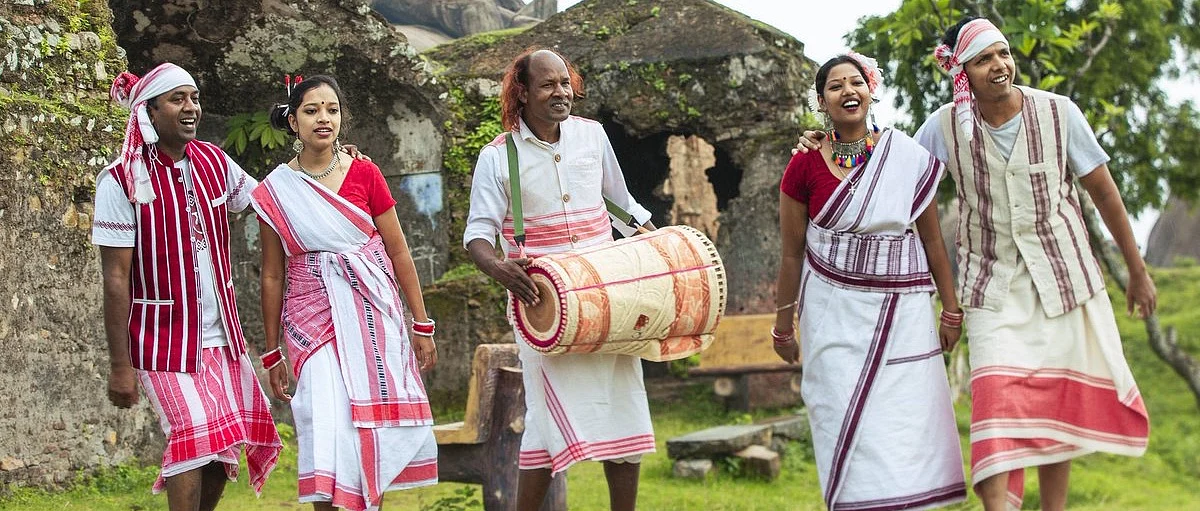
Language is a vessel of memory, folklore, ecological knowledge, and cultural traditions. It reflects generations of lived experiences and preserves ways of understanding the world passed down through generations. Yet when a language begins to fade, the stories, knowledge, and cultural identities it carries risk fading with it.
In Jharkhand, one such language is Kurukh, spoken by the Oraon community, one of the state's largest Adivasi groups. While it continues to be spoken across parts of eastern and central India, concerns about its long-term survival have sparked renewed conversations around preservation, education, and cultural identity.
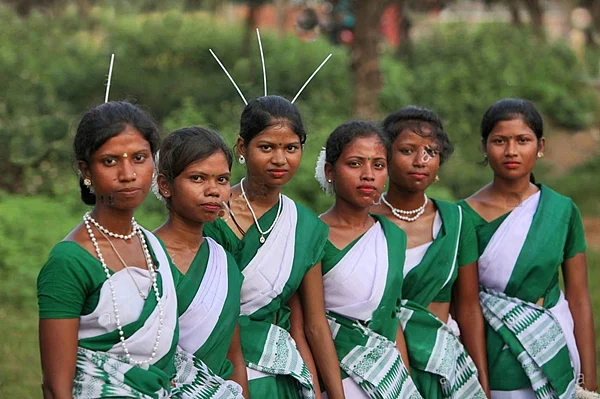

The Oraon Community And A Living Cultural Landscape
The Oraon, also known as the Kurukh or Uraon people, are among the largest indigenous communities of the Chota Nagpur Plateau and the second-largest Adivasi community in Jharkhand.
Concentrated largely in Jharkhand's Ranchi, Gumla, and Lohardaga districts, they have a rich cultural tradition rooted in forests, agriculture, and community life. Their relationship with the landscape extends beyond livelihood and tradition. Many Oraons traditionally follow Sarna, an indigenous faith centred on the worship of nature and sacred groves, while Christianity is also widely practised within the community.
With their cultural identity being closely tied to the land, they celebrate festivals such as Sarhul and Karma. These festivals celebrate seasonal cycles, forests and community relationships. Historically, institutions such as the Dhumkuria, a traditional youth dormitory, helped transmit folklore, customs, and collective memory.
At the heart of this cultural landscape lies the Kurukh language. Kurukh belongs to the Northern Dravidian branch of the Dravidian language family, making it one of the few Dravidian languages spoken in eastern India. Scholars have long considered it an important linguistic link in understanding the movement and evolution of Dravidian-speaking communities across the subcontinent.

A Language Under Pressure
According to the Linguistic Survey of India released in 2024, which draws on Census 2011 data, nearly 9.95 lakh people in Jharkhand speak Kurukh. Yet language experts and community organisations have increasingly raised concerns about its future visibility in education, administration, and everyday public life.
Like many indigenous languages across the world, Kurukh faces challenges from migration, urbanisation and the growing dominance of regional link languages such as Sadri in everyday life, education, and workplaces. UNESCO classifies Kurukh as a vulnerable language, indicating that while it is still spoken by children in some communities, intergenerational transmission is under pressure.
The story of Kurukh is not unique to Jharkhand. Great Andamanese in the Andaman Islands, Birhor among communities in Jharkhand, Chhattisgarh, and Odisha, Toto in West Bengal's Totopara village, and Saimar in Tripura are among the many indigenous languages that struggle to find space within formal institutions despite carrying centuries of ecological knowledge, oral history and cultural memory. As younger generations increasingly navigate multilingual environments, the question is no longer whether these languages matter, but how they can be preserved in contemporary times.

Keeping Kurukh Alive Through Stories, Art, And Education
Efforts to preserve Kurukh are emerging from within the community itself. One such effort can be found at the Kartioraon Adivasi Kurukh School in Jharkhand's Garhwa district, where nearly 300 students learn not only their mother tongue but also subjects such as mathematics and science in Kurukh. In West Bengal's Dooars region, a community library has become a repository for Kurukh literature, helping preserve books, stories, and oral traditions for future generations.
Writers, artists, and filmmakers are also contributing to the language's visibility. Oraon poet and cultural documentarian Mahadev Toppo has spent years recording indigenous histories, values and oral traditions, helping document aspects of community life that are often absent from mainstream narratives. Among the emerging voices documenting Kurukh experiences is Parvati Tirkey, a poet and recipient of the 2025 Sahitya Akademi Yuva Puraskar. Through her poetry collection Phir Ugna, Tirkey draws on tribal life, oral traditions, ecological knowledge and community values, creating a contemporary literary record of experiences often absent from mainstream narratives. Artist Sumanti Bhagat's work is rooted in Oraon traditions and indigenous knowledge systems. Through her paintings, she documents rituals, folklore and everyday cultural practices, contributing to broader efforts to preserve and share Adivasi heritage.

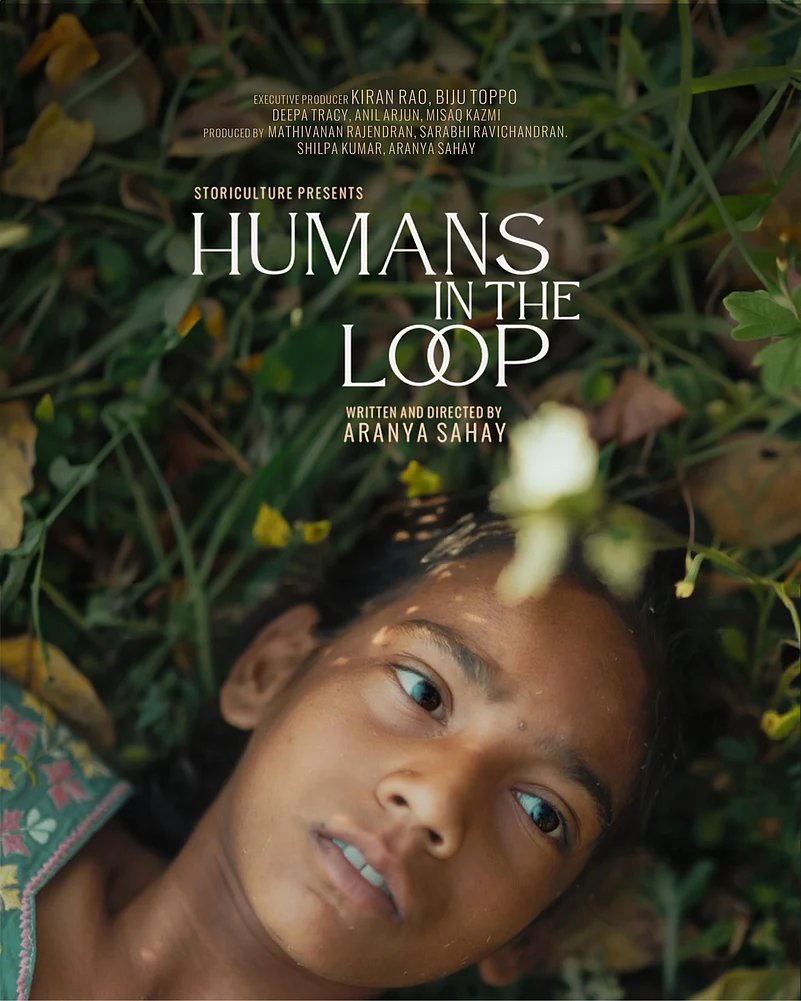
Filmmaker Aranya Sahay's "Humans in the Loop" explores the experiences of an Oraon woman in Jharkhand navigating the intersections of technology, labour and community life. The Hindi-Kurukh feature introduced indigenous perspectives to contemporary conversations around artificial intelligence, work and cultural identity. Preservation efforts have also extended to writing systems such as Tolong Siki, a script developed specifically for Kurukh and officially recognised in Jharkhand in 2007.
The conversation around Kurukh extends beyond the language itself. From the names of rivers, forests and settlements to folk songs, festivals and oral narratives, each carries traces of a community's relationship with the landscape. When travellers engage respectfully with local communities, attend cultural events, support community-led initiatives and seek to understand the stories behind a destination, they contribute to the visibility of these languages.
Not all heritage is built in stone. Some of it survives in everyday conversations, folk songs and oral traditions. As indigenous languages face growing pressures, preserving them becomes about more than just safeguarding vocabulary. It is about taking up the responsibility to ensure that the histories, knowledge systems and cultural identities embedded within them continue to be heard.
FAQs
Q1. Who are the Oraon people?
The Oraon, also known as the Kurukh or Uraon people, are one of the largest Adivasi communities of the Chota Nagpur Plateau, primarily residing in Jharkhand, as well as parts of Chhattisgarh, Odisha and West Bengal.
Q2. What is the Kurukh language?
Kurukh is an indigenous language spoken by the Oraon community. It belongs to the Northern Dravidian branch of the Dravidian language family and is one of the few Dravidian languages spoken in eastern India.
Q3. Is Kurukh an endangered language?
UNESCO classifies Kurukh as a vulnerable language. While it continues to be spoken by many people, concerns remain about its long-term survival due to migration, urbanisation and the growing dominance of major regional languages.
Q4. How is the Kurukh language being preserved?
Preservation efforts include community libraries, mother-tongue education initiatives, literature, poetry, visual arts and films. Writers, educators, artists and filmmakers from the Oraon community are playing an important role in keeping the language visible and relevant.
Q5. Why is preserving indigenous languages important?
Indigenous languages carry cultural memory, oral traditions, ecological knowledge and community histories. Preserving them helps safeguard living heritage and ensures that unique ways of understanding the world are passed on to future generations.


