

On Kannur’s coastline, where the Arabian Sea has carried traders, sailors, and stories for centuries, Muhammad Shihad grew up hearing his hometown described as a footnote. “Northern Kerala is not in the popular tourism itinerary,” he says plainly. For four decades, the state’s tourism map has pointed south—to Kochi’s backwaters, Munnar’s tea hills, Alappuzha’s houseboats, Thekkady’s forests. Kannur sat quietly at the edges, its Mappila culture, matrilineal households, maritime trade, and forgotten recipes waiting for someone to notice.
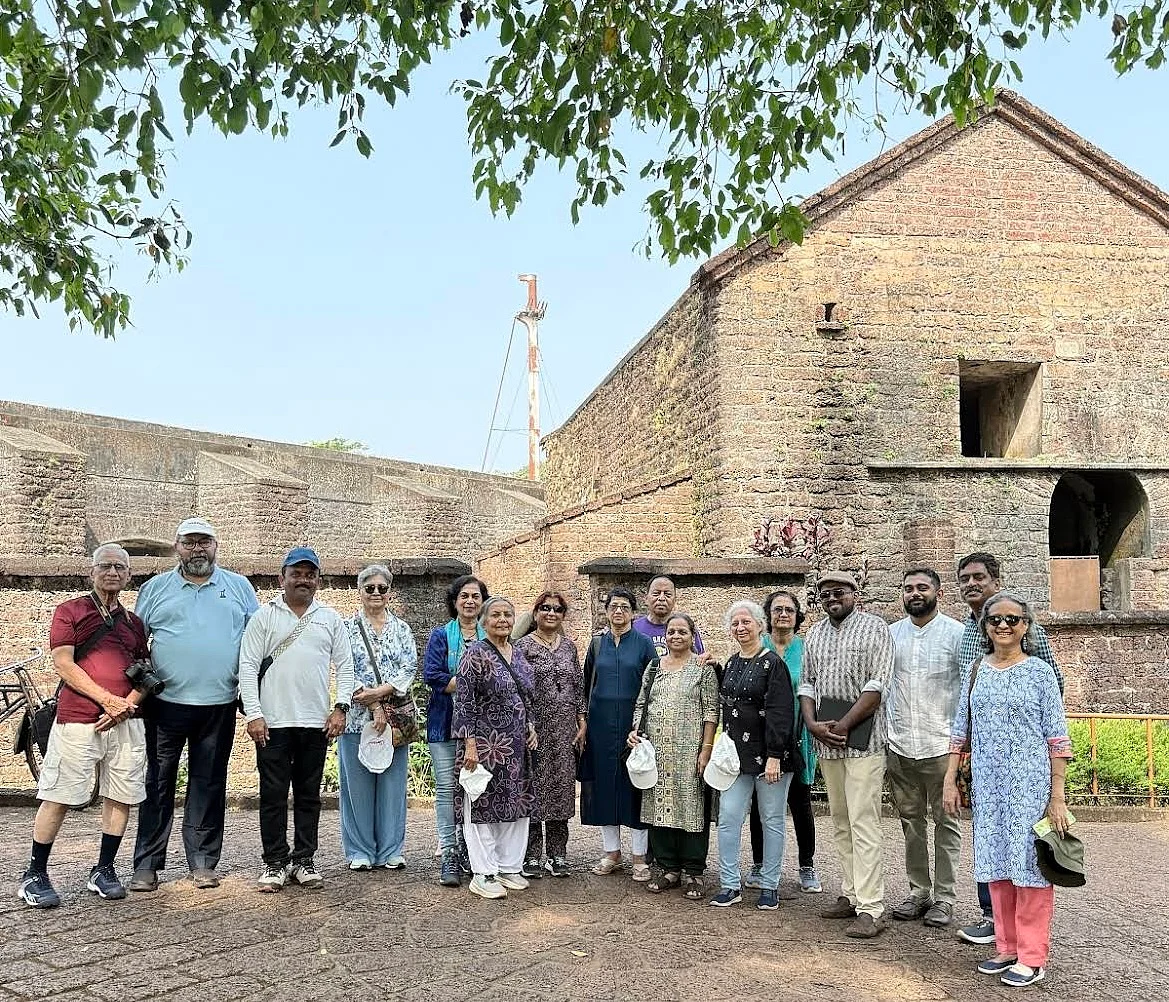
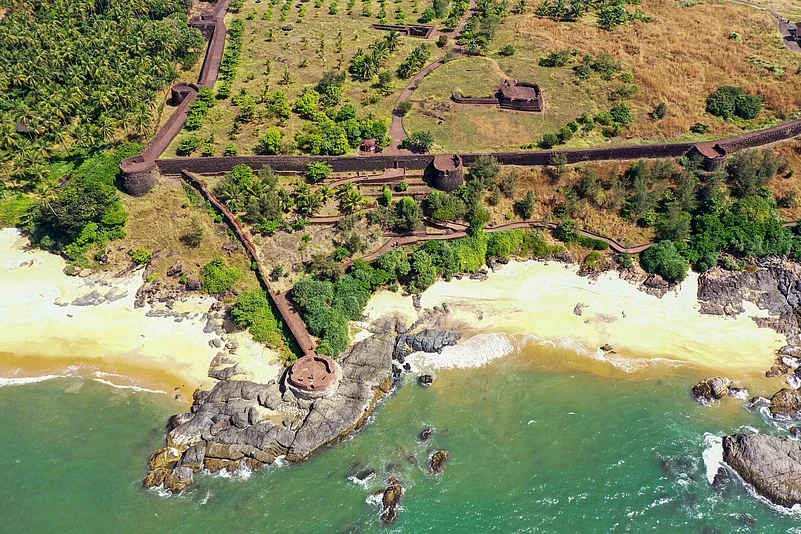
That someone turned out to be Shihad himself. Influenced by Delhi’s heritage circuit and the storytelling of scholar Suhail Hashmi, he brought home an idea nobody in Kannur had tried: the heritage walk. “Nobody did heritage walks in Kannur at that time,” he recalls. What started as a modest experiment, walking visitors past St Angelo Fort, Moideen Masjid, and the harbours of Mappila Bay, has since grown into City Heritage, a community-rooted travel movement co-created with fishermen, artisans, historians, and elders.
A Slow Beginning
The journey wasn’t instant, and it certainly wasn’t easy. As early as 2014, Shihad was documenting Mappila cuisine online—an intricate blend of Arab, Portuguese, and Malabari influence, shaped by centuries of trade and migration. Within Kannur’s matrilineal Muslim families, women had long been the keepers of this culinary tradition, preserving identity and status through elaborate dinners. Shihad brought together young photographers, art students, and food enthusiasts to document recipes like Muttappam and Odavazhakka that were slipping away.

By 2016, that documentation turned into something tangible: a partnership with a local tea shop, Muttappam Chaya Makkani, known for serving Muttappam and other rare dishes around the clock. It was a small venture, but it became, in Shihad’s words, “the first public expression of a cultural revival.
Then came 2017, a bolder and costlier step. Shihad launched the Kannur City Heritage Foundation and opened an office near the historic Mappila Bay Harbour, a location chosen deliberately, to sit inside the very stories he wanted to preserve. The initiative lost money significantly. But rather than retreat, Shihad treated it as a turning point, one that taught him resilience and the value of building community-oriented models instead of top-down ones. By 2018, City Heritage was officially born.
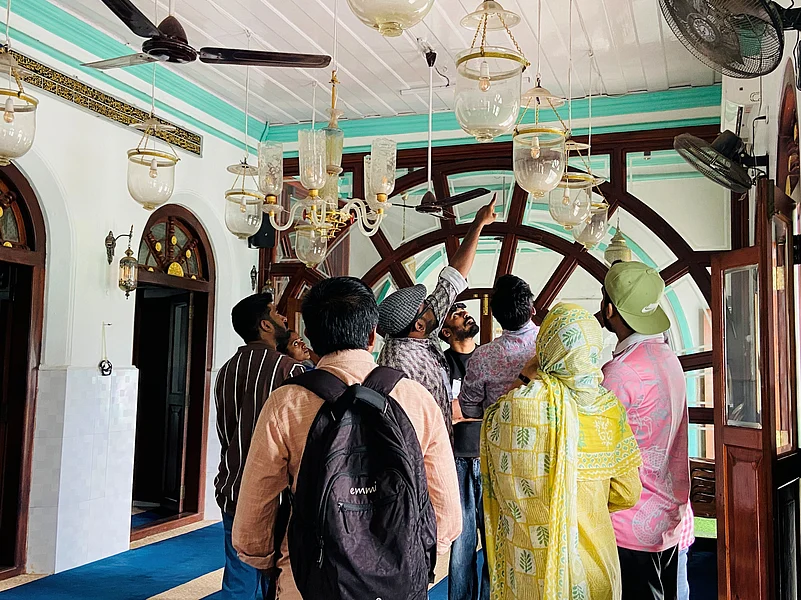
Today, that patience is paying off. Northern Kerala itself is shifting from footnote to feature. The Bekal Resorts Development Corporation’s push to bring in five-star properties—Taj, Lalit, Taj Gateway, among them— has quietly turned towns like Bekal into wedding destinations for Gujarati, Maharashtrian, and Karnataka families. Post-pandemic, domestic travel to Kerala has surged, and some of it is finally spilling northwards. “Why not become a destination?” Shihad asks, noting that the old story of Northern Kerala being sidelined is exactly that— old.
Homes, Not Restaurants: The Mappila Culinary Experience
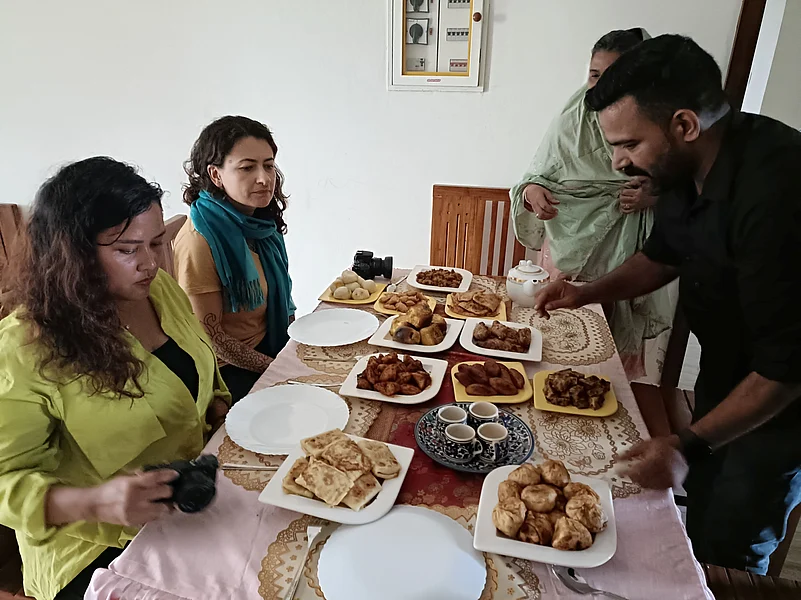
What makes City Heritage distinct isn’t the monuments — it’s who gets to open the door to them. Kannur’s coastal belt is home to the Mappila Muslim community, whose matrilineal customs are unlike anything else in mainland India: after marriage, it is the groom who moves in with the bride’s family, not the other way around. This social structure, shared only with Lakshadweep, shaped a domestic culinary tradition entirely distinct from what’s served in restaurants across Kerala.
“They are actually missing the original crux of the culinary, which is not available in any restaurant,” Shihad explains. So City Heritage built an experience around it: guests are welcomed into real Mappila homes for a traditional lunch or dinner, and during Ramadan, invited to join a family’s Iftar feast. It sounds simple, but building trust took years. “It is not easy to get permission to enter such homes,” Shihad admits, recalling how families were initially wary of strangers in their kitchens. Today, more than 40 host families across Kannur, Kozhikode, Thalassery, and Mahe welcome travellers this way—a network built one relationship at a time.
Redesigning Ritual: Theyyam Done Right
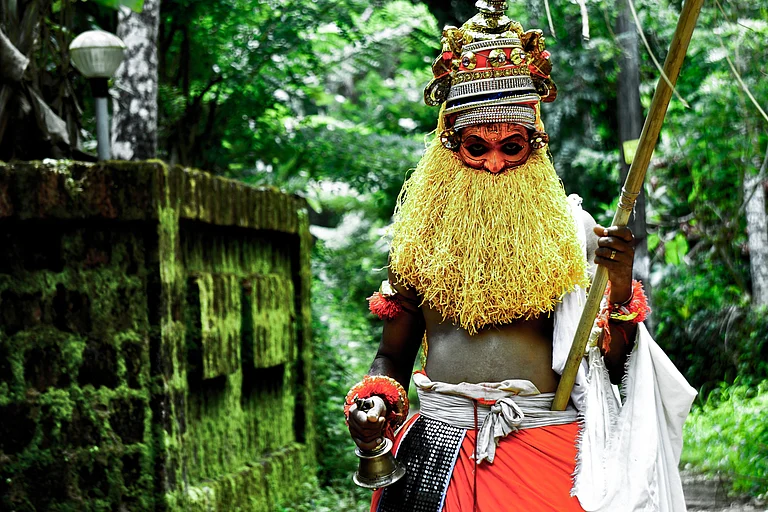
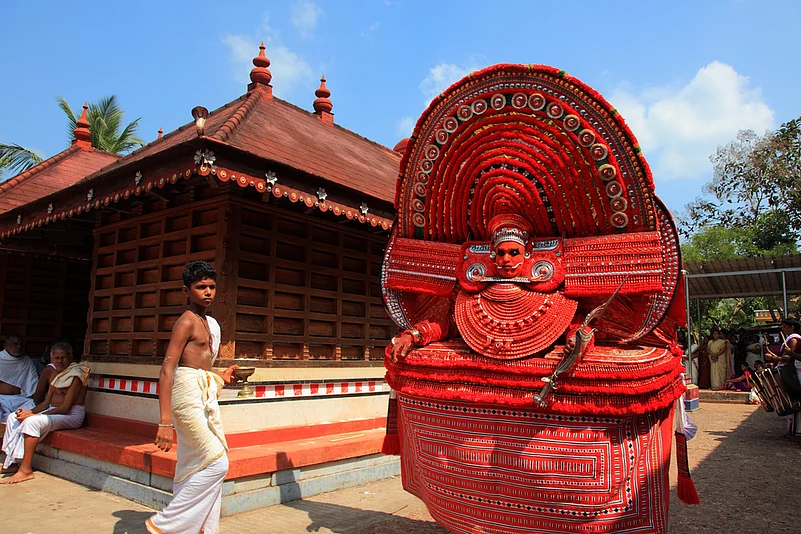
The same instinct—slow down, understand first, then design—reshaped how City Heritage approaches Theyyam, the sacred ritual art form unique to Kannur and Kasaragod. Theyyam tours had existed for two decades before Shihad entered the space, but complaints were piling up. A Delhi-based tour operator called him directly: “Please do something. There are a lot of complaints coming from our clients.”
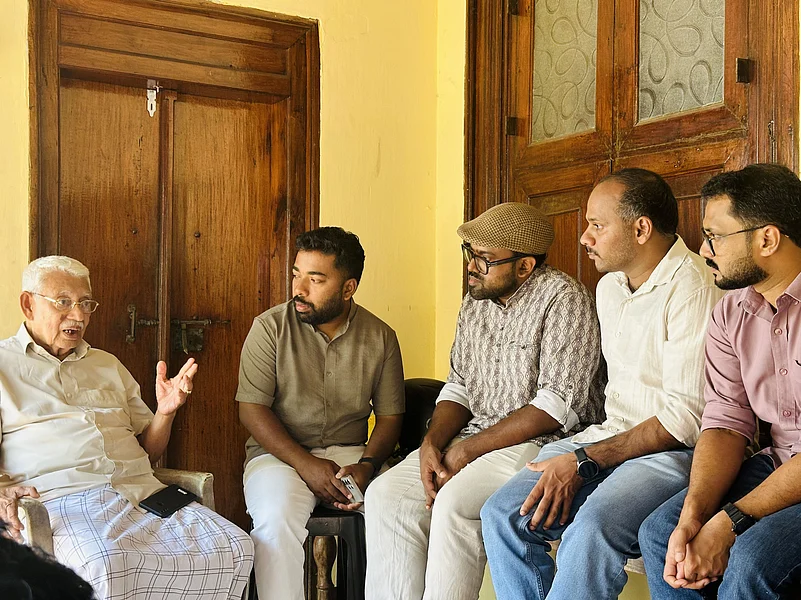
Shihad went straight to the source, talking to the families hosting Theyyam, the performers, and the tour organisers running the standard circuit. The typical format, he found, was brutal: guests picked up at 3 or 3:30 in the morning, driven up to an hour to the venue, given a rushed 45 minutes of ritual, and driven straight back, with no context and no time to absorb what they were seeing. Most visitors, Shihad points out, have only ever seen Theyyam through a phone screen—a few seconds of someone else’s reel or video. Nothing prepares them for the real thing. “You can’t imagine what is going on,” he says. “Now you are entering the real scenario.”
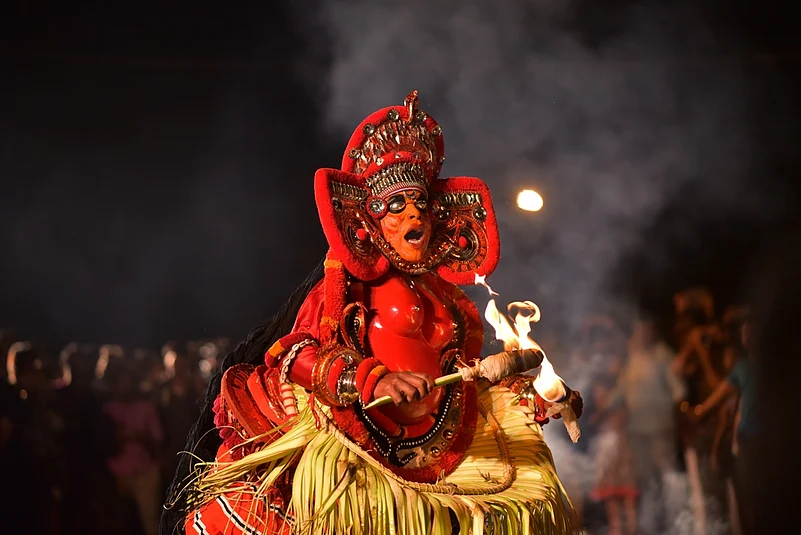
His fix was a full redesign: a two-night itinerary. Day one takes guests to a Theyyam museum to understand the caste histories, the folklore, and the reasons behind the ritual. That evening, guests meet the host family and performers at the very site where the Theyyam will take place the next morning — no strangers, no confusion, just familiarity built the night before. “I want to make sure my client is coming to experience Theyyam,” Shihad says. “It’s a ritual. It is not 45 minutes for me.” Guests wake at 3 AM already informed, already comfortable, and return with what he calls a satisfied mind—understanding they’ve witnessed just one of thousands of Theyyam performed across villages each year, not “the” Theyyam. The format worked so well that other operators in the region have since adopted it.

Colonial Trails, Fishing Boats, And A Family’s Buried Legacy
City Heritage’s range extends well beyond food and ritual. For visitors from specific countries, Shihad designs colonial trails tied to their own heritage— German routes built around the Basel Mission’s history, French trails through the old colony of Mahe, and British, Dutch, and Portuguese circuits elsewhere in Kannur and Kozhikode.
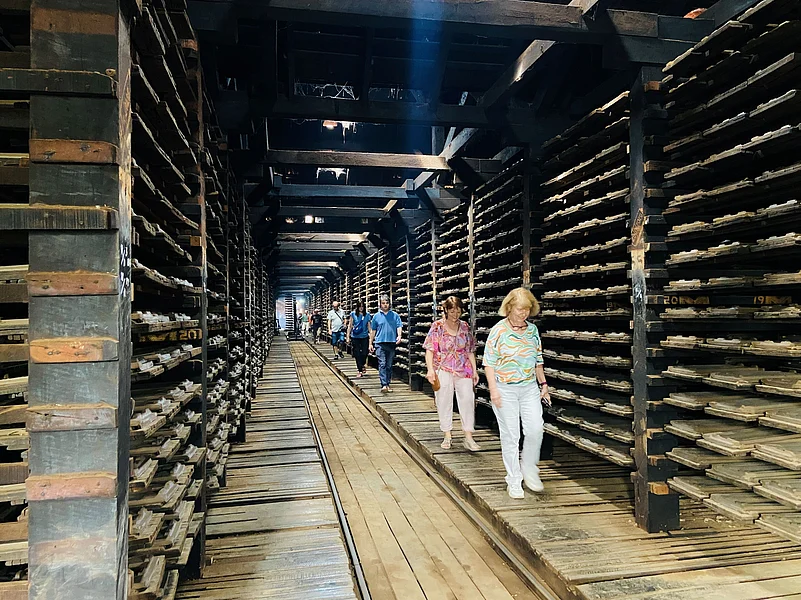
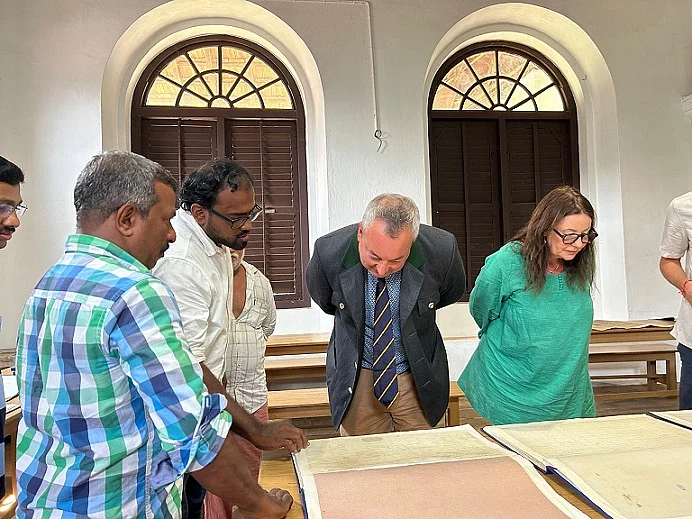
One trail produced a story Shihad still tells with visible pride. In 2023, descendants of the Brown family from England—and Scotland before that—arrived in Kannur on what was meant to be an ordinary holiday. Unknown to them at first, an ancestor, Murdoch Brown, one of the wealthiest East India Company figures of his era, had lived in Kannur for years and helped establish its cinnamon bark plantations. Shihad offered to trace the family’s legacy through graveyards, burial records, church archives, and memorial stones scattered across the city. The response, he recalls, was pure astonishment—the family was floored the moment he showed them their ancestor’s grave. Five generations removed, they stood before it, seeing a history they never expected to find so vividly preserved.
Beyond colonial trails, City Heritage offers mornings with Kannur’s fishing communities, who still use traditional net- and angle-based techniques rather than modern trawling— an experience that often ends with the day’s catch turned into lunch. There are live sessions at Kalari martial arts training centres, not staged shows, but genuine practice guests can watch or even join. There’s a day built around Ayurveda, tracing the herbal wealth of the Western Ghats that made Kerala a global hub for it, alongside specialised wellness centres unique to Kannur. And there are the mangrove ecosystems around Valiyaparamba, home to nearly a fifth of India’s mangrove cover, where City Heritage links the landscape to conversations about climate resilience, since Kerala’s post-tsunami plantations were designed partly as a natural defence system.
For Kannur’s residents, this work has meant more than tourism revenue. It has meant dignity. Fishermen, homestay families, artisans, and elders are recognised as keepers of knowledge and storytellers of their own history, rather than backdrops to someone else’s holiday.
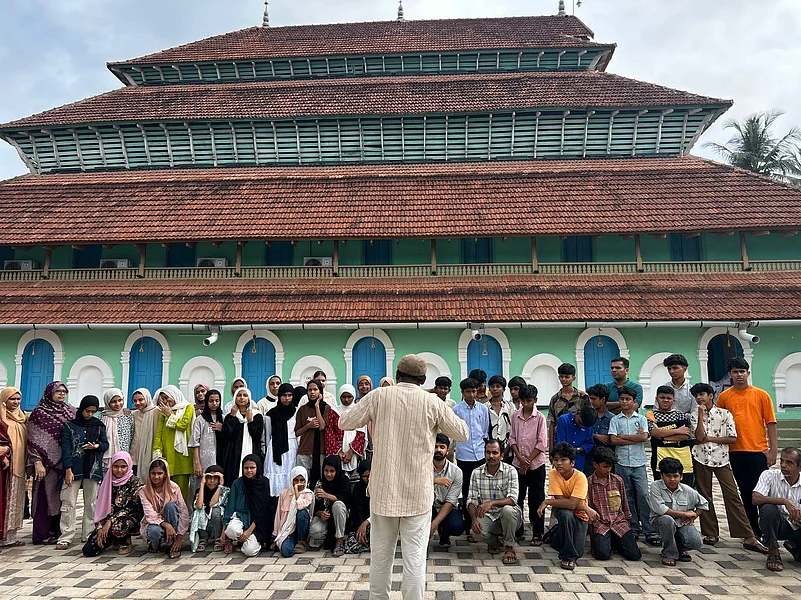
The recognition has followed. City Heritage was named Silver Winner in the Urban Heritage & Cultural Immersion category at the Outlook Responsible Tourism Culture and Heritage Awards 2025, presented in collaboration with Kerala Tourism. It is also a member of the United Federation of Travel Consortium, the Malabar Tourism Council, and Kerala Tourism's Responsible Tourism Mission, while also holding a seat on NOMTO's executive committee.
With Kannur International Airport connecting hill stations, backwaters, forests, rivers, lakes and even a rare drive-in beach within a 60-kilometre radius, Shihad believes this quietly remarkable region’s next chapter is only just beginning to unfold. As City Heritage puts it simply: come walk with us, cook with us, and discover your own story woven into ours.
FAQs
Q1. What is the Mappila Bay Heritage Walk in Kannur?
The Mappila Bay Heritage Walk is a community-led cultural experience created by City Heritage that explores Kannur's maritime history, Mappila culture, historic sites and local traditions through guided storytelling.
Q2. Who is Muhammad Shihad?
Muhammad Shihad is the founder of City Heritage, a Kannur-based initiative that promotes Northern Kerala through heritage walks, culinary experiences, Theyyam interpretation and community-based tourism.
Q3. What makes City Heritage different from regular tours?
City Heritage collaborates with local fishermen, host families, artisans, performers and historians to create immersive experiences centred on authentic culture rather than conventional sightseeing.
Q4. Why is Kannur becoming a popular cultural destination?
Improved connectivity, heritage experiences, Theyyam, Mappila cuisine, community tourism and growing interest in offbeat destinations are bringing greater attention to Kannur and Northern Kerala.
Q5. What are the best cultural experiences in Kannur?
Visitors can enjoy heritage walks, traditional Mappila meals in family homes, Theyyam experiences, Kalari demonstrations, fishing village visits, colonial history trails and Ayurveda-based wellness experiences.