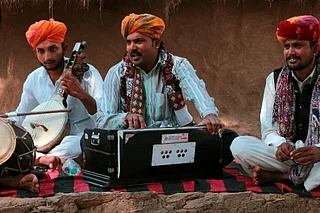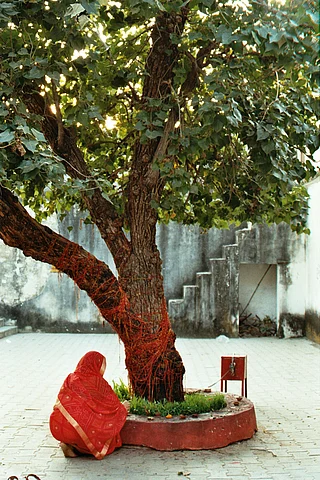
Long before stories found their way onto cinema screens or digital platforms, they travelled through village squares, temple courtyards and open-air stages. Across India, generations gathered to watch performers sing, narrate, dance and act out tales that blended mythology, history and everyday life. Whether it was the dramatic storytelling of Jatra in Bengal, the shadow puppets of Tholpavakoothu in Kerala or the musical narratives of Pandavani in Chhattisgarh, these performances carried culture from one generation to the next.
More than entertainment, these art forms preserved regional languages, local histories and shared beliefs. Even today, many continue to be performed during festivals, religious occasions and community gatherings, reminding audiences that storytelling has always been one of India's oldest traditions.
Jatra, West Bengal
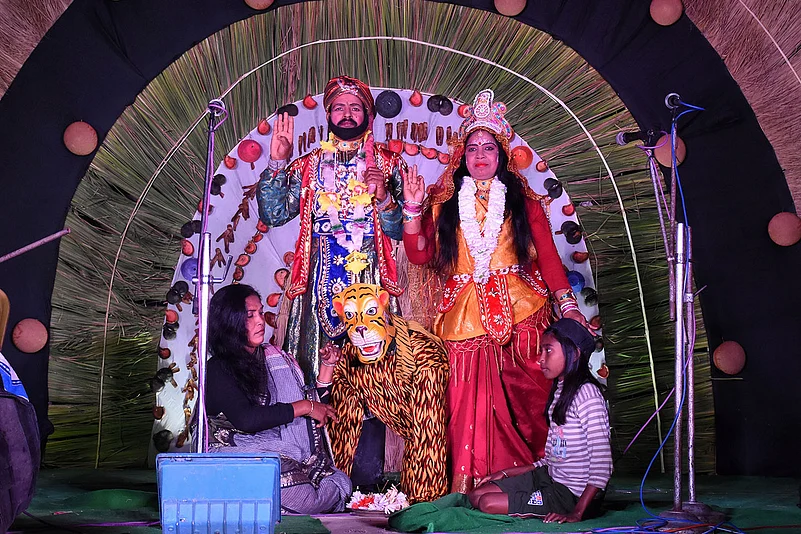

Known for its powerful dialogues, music and larger-than-life performances, Jatra is a popular folk theatre tradition across West Bengal, Odisha and parts of Bangladesh. Traditionally performed by travelling theatre troupes on temporary open-air stages, it draws heavily from mythology, historical events and social themes. Performers combine acting, singing and dance, often engaging directly with the audience. Originally linked to religious processions honouring deities such as Krishna and Chaitanya Mahaprabhu, Jatra gradually evolved into a medium for social commentary while retaining its dramatic appeal.
Tholpavakoothu, Kerala
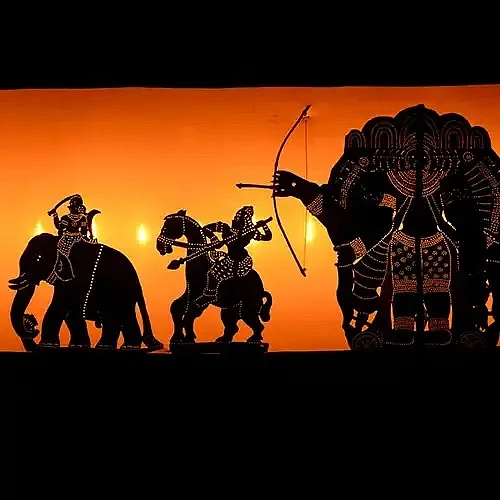
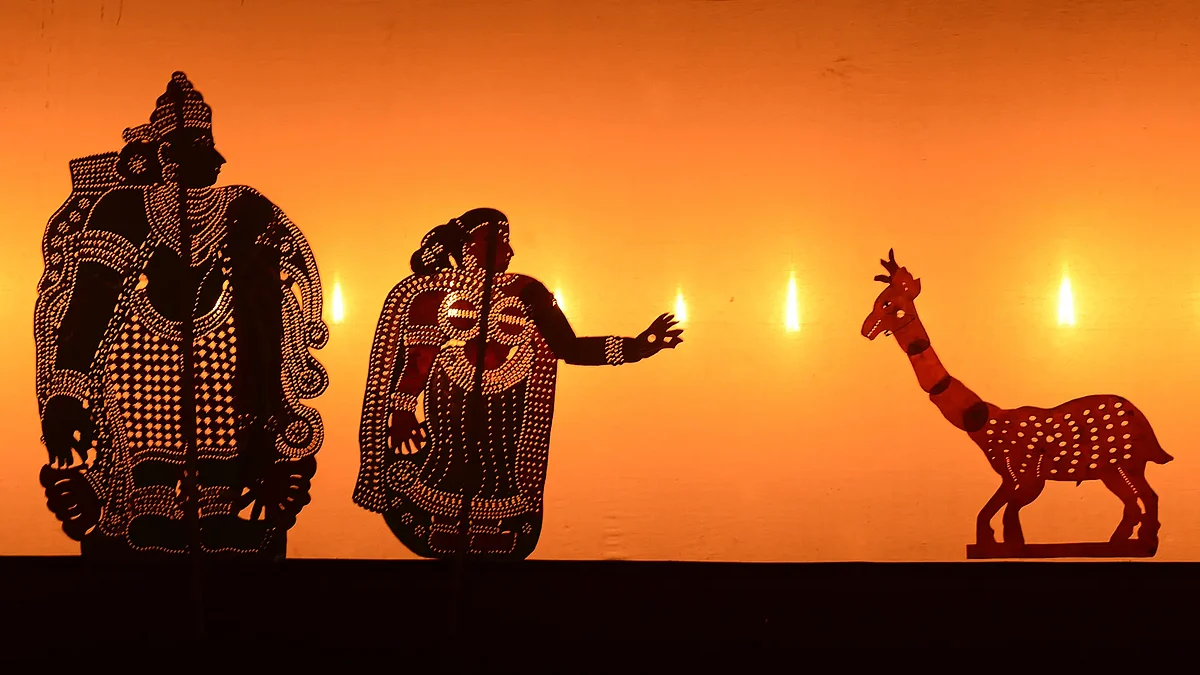
In the temple villages of Kerala, stories from the Ramayana come alive through leather shadow puppets. Tholpavakoothu is traditionally performed inside specially built theatres, known as Koothumadam, during annual temple festivals dedicated to Goddess Bhadrakali. Skilled puppeteers manipulate intricately crafted deerhide puppets behind an illuminated white screen while reciting verses accompanied by traditional percussion. Beyond its visual beauty, the performance is considered a ritual offering, making it both a sacred ceremony and a theatrical experience.
Pandavani, Chhattisgarh
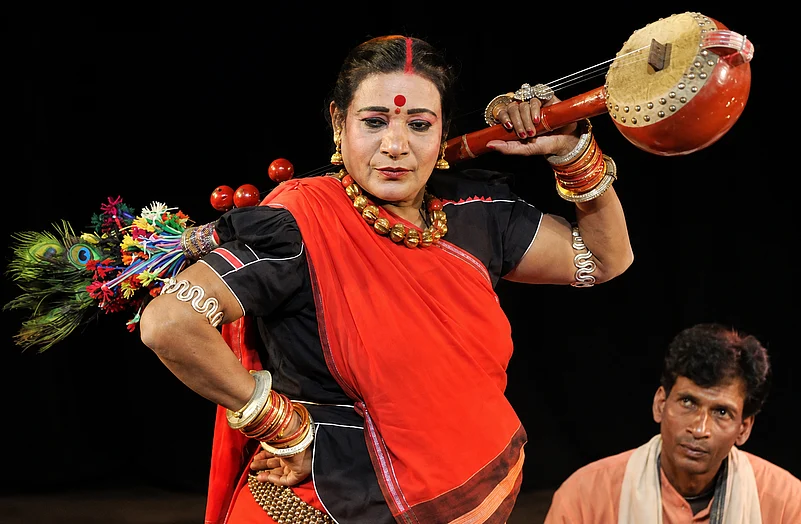
Every Pandavani performance begins with a single narrator and unfolds into an entire world. Originating in Chhattisgarh, this oral storytelling tradition recounts episodes from the Mahabharata, particularly the lives of the Pandavas. The lead performer, carrying a tambura or ektara, shifts effortlessly between narration, song and dramatic expression, often portraying multiple characters without elaborate costumes or sets. Traditionally performed by folk artists at village gatherings and cultural festivals, Pandavani keeps one of India's greatest epics alive through the power of voice and performance.
Villupattu, Tamil Nadu
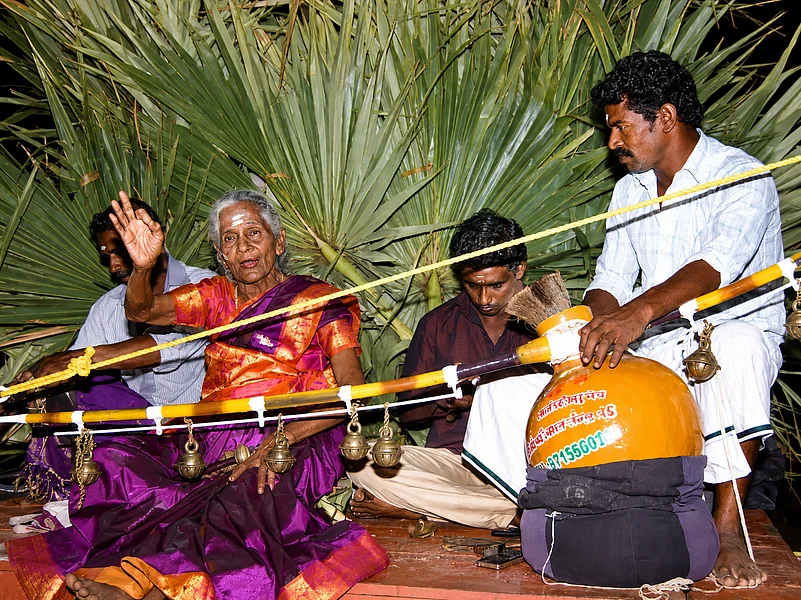
A bow becomes both a musical instrument and a storytelling device in Villupattu, one of Tamil Nadu's oldest folk traditions. The lead performer strikes a large bow fitted with bells while accompanying artists respond through songs and rhythmic chants. Together, they narrate stories of local deities, saints, folklore and moral lessons, often during temple festivals and community celebrations. Its interactive format encourages audiences to participate, turning storytelling into a shared cultural experience rather than a one-sided performance.
Nautanki, Uttar Pradesh
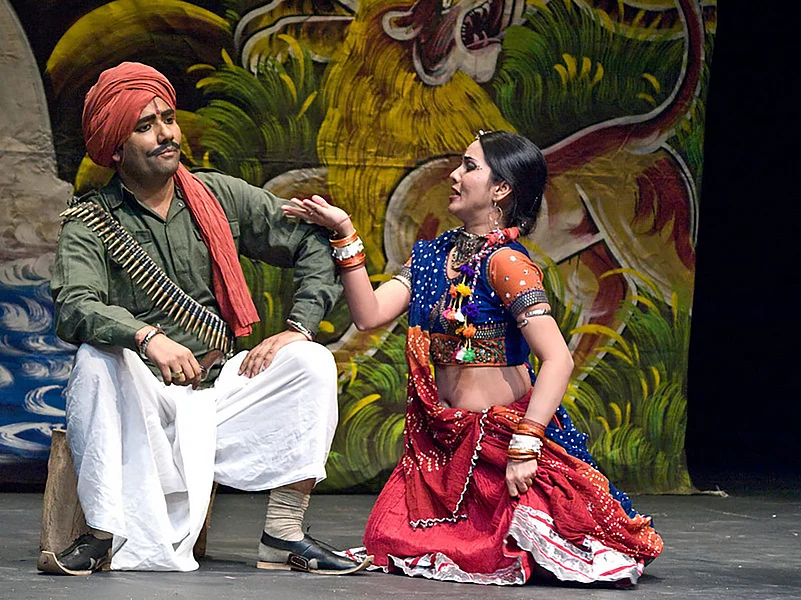
With its colourful costumes, lively music, and dramatic storytelling, Nautanki has entertained audiences across Uttar Pradesh, Rajasthan and northern India for centuries. Traditionally staged overnight in village fairs and festive gatherings, it combines theatre, singing and dance to tell stories drawn from mythology, romance, heroism and contemporary social issues. The performances are known for their energetic dialogue delivery and memorable musical compositions, making Nautanki one of North India's most recognisable folk theatre traditions.
Bhavai, Gujarat
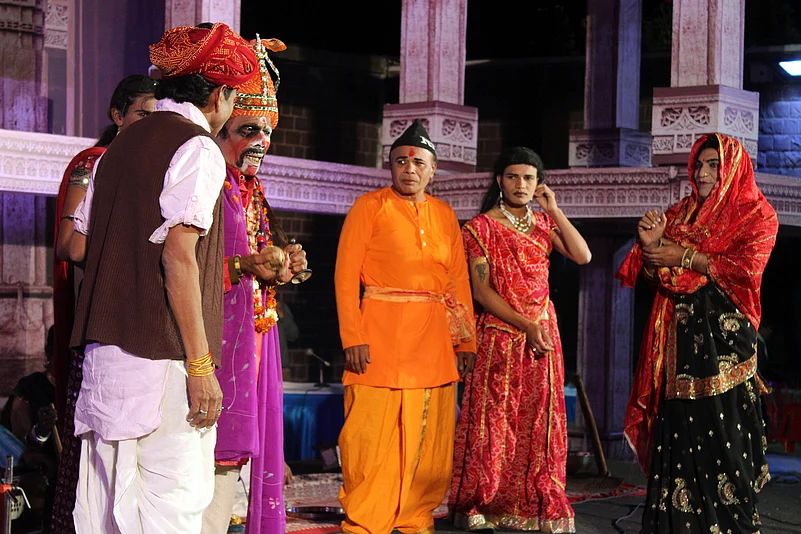
What began as devotional performances in Gujarat eventually grew into a vibrant form of folk theatre. Bhavai is traditionally performed in open spaces by the Taragala community, with actors presenting a series of short plays that blend humour, satire, music and dance. While many stories celebrate local legends and deities, others critique social customs, caste hierarchies and inequality through wit and performance. Its minimal stage setting allows the performers and the storytelling to remain at the centre of the experience.
Centuries before cinema transformed storytelling, these performances connected communities through shared memories, music and tradition. Today, they remain an important part of India's intangible cultural heritage, even as many face shrinking audiences and fewer practitioners. Preserving them is about more than protecting an art form. It is about safeguarding languages, rituals, oral histories and ways of life that continue to shape India's cultural identity. As institutions such as the Sangeet Natak Akademi and the Ministry of Culture continue documenting and promoting these traditions, their future also depends on audiences choosing to watch, support and pass their stories forward.
FAQs
Q1. What are India's traditional performance arts?
India's traditional performance arts include folk theatre, storytelling, puppetry, music and dance forms such as Jatra, Tholpavakoothu, Pandavani, Villupattu, Nautanki and Bhavai, each rooted in regional culture and history.
Q2. Why are traditional performance arts important in India?
These art forms preserve oral histories, regional languages, folklore, religious traditions and community identities, making them an important part of India's intangible cultural heritage.
Q3. Where can travellers experience these performance traditions?
Many are performed during temple festivals, village fairs, cultural festivals and heritage events across states including West Bengal, Kerala, Chhattisgarh, Tamil Nadu, Uttar Pradesh and Gujarat.
Q4. Which Indian performance tradition tells stories from the Ramayana?
Tholpavakoothu, Kerala's traditional shadow puppetry, narrates episodes from the Ramayana using intricately crafted leather puppets during temple festivals dedicated to Goddess Bhadrakali.
Q5. Are India's folk theatre traditions still practised today?
Yes. Although many face declining audiences and fewer practitioners, several continue to thrive through cultural festivals, community performances, government initiatives and the efforts of dedicated artists and cultural organisations.


.jpg?w=320&auto=format%2Ccompress&fit=max&format=webp&dpr=1.0)