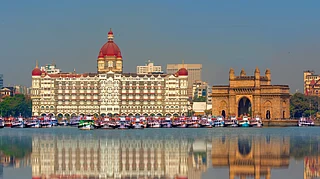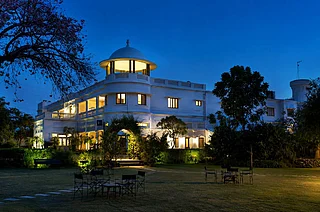
Across India, a new kind of stay is taking shape—one that favours time over itinerary and space over schedule. From Himalayan retreats and restored forts to forest wellness sanctuaries and city palaces, these stays are designed for slower travel. Each offers a different way to pause, reset, and experience place without rush or routine.
Six Senses Vana
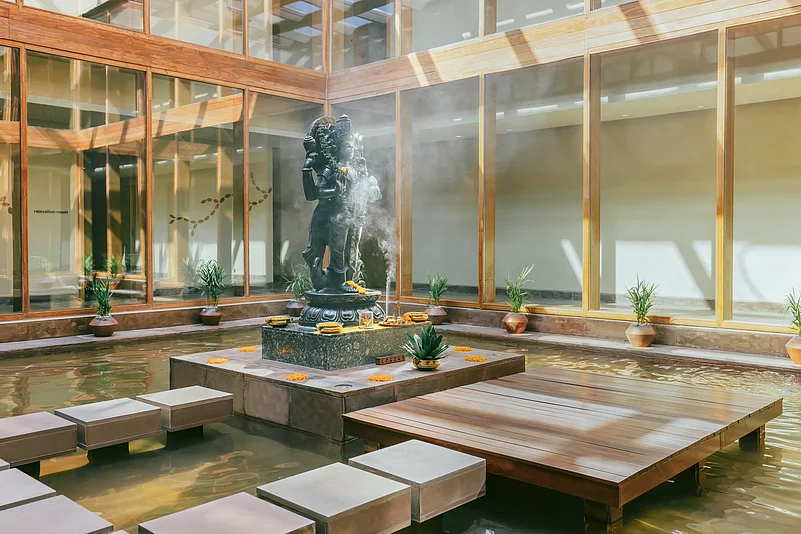

Set within the sal forests of Dehradun, Six Senses Vana is a purpose-built wellness retreat focused on structured healing rather than a typical luxury hotel stay. It combines Ayurveda, Tibetan medicine, yoga, and nutrition-led programmes in a quiet, low-stimulus environment designed for deeper rest and recovery.
Why it works for slow travel
Days follow a planned but unhurried rhythm, built around personalised wellness schedules that include therapies, movement practices, and curated meals with clear gaps in between.
The design stays deliberately pared back, with natural materials and quiet interiors that avoid visual clutter and keep the focus on rest and recovery.
Guests are not pushed through a fixed flow, but shift between group sessions and private therapies with enough space in between for downtime and personal pace.
Wellness is structured as multi-day programmes that work as a single arc, encouraging longer stays where the emphasis moves away from activity and towards steady, sustained wellbeing.
The Information
Address: Mussoorie Road, Malsi, Dehradun, Uttarakhand 248003, India
Room Rates: Approximately INR 80,000–1,50,000 per night (all-inclusive wellness programmes), varying by season, programme type and room category.
Website: https://www.sixsenses.com/en/resorts/vana/
Wildflower Hall, Shimla – An Oberoi Resort
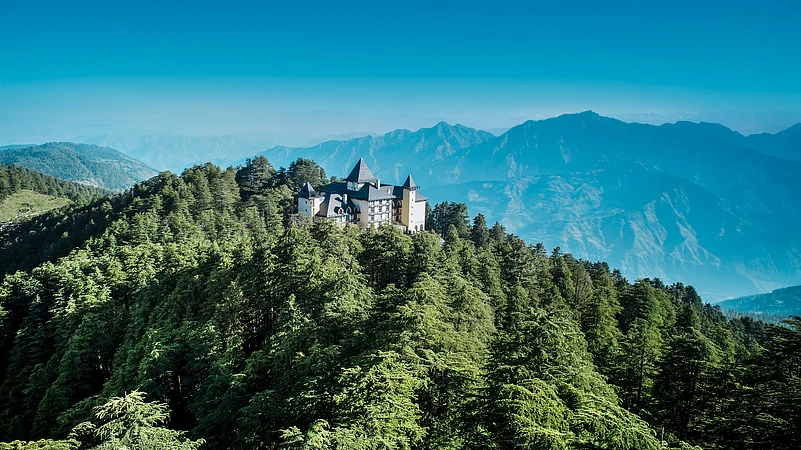
Set high above Shimla at 2,515 metres, Wildflower Hall, Shimla – An Oberoi Resort occupies the former residence of Lord Kitchener, retaining the feel of a colonial hill estate surrounded by dense cedar forest. Framed by Himalayan views, it works as a slow mountain stay where most activity is shaped by the landscape rather than a fixed schedule.
Why it works for slow travel
Days are built around a small set of outdoor experiences: guided forest walks on cedar and rhododendron trails, mountain biking on marked routes, and pre-arranged picnics in apple orchards above the valley. There is no need to plan tightly—activities are typically booked in advance and spaced out across the day, leaving long gaps in between.
Evenings are structured but unhurried. Guests can choose a set dinner experience at the gazebo with a fixed multi-course menu, or a private in-room or theatre screening with dining service. Most stays follow one planned experience per evening rather than multiple activities.
The spa operates in separate forest-facing cabins, offering pre-booked treatments rather than walk-in use. Common add-ons include massages and wellness therapies scheduled around daylight hours. The rest of the property—gardens, whirlpool and viewing points—tends to be used in between bookings rather than as programmed spaces.
The Information
Address: Chharabra, Mashobra, Shimla, Himachal Pradesh 171012, India
Room Rates: Approximately INR 45,000–70,000 per night, varying by season, room category and inclusions
Website: https://www.oberoihotels.com/hotels-in-shimla-wfh/
Six Senses Fort Barwara
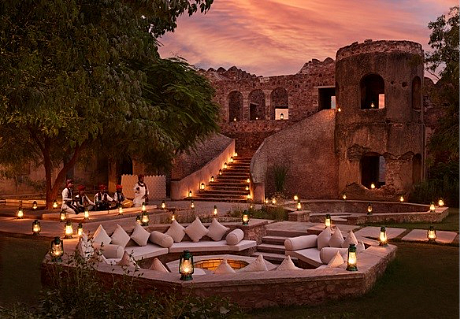
Set within a restored 14th-century fort near Ranthambore, Six Senses Fort Barwara brings together Rajasthani heritage, wellness-led hospitality and a strong sense of place. Once built by the Chauhan Rajputs, the fort has been carefully restored into a low-impact luxury retreat where the original structure, temples and courtyards remain central to the experience. Framed by the Aravalli hills and overlooking the surrounding landscape, it is designed as a quiet, self-contained world rooted in history and restoration.
Why it works for slow travel
Life inside the fort follows a steady, unhurried rhythm shaped by courtyards, stone corridors and open views rather than schedules.
The Zenana Mahal has been reimagined as the spa, Six Senses Spa Fort Barwara, where wellness treatments are integrated into the fort’s original architecture and focused on long-form restoration rather than quick sessions.
Dining is centred around a small number of spaces, including the restored hunting tower restaurant with views over the Aravallis, where meals are designed as seated, extended experiences rather than casual drop-ins.
Cultural elements remain part of daily life, including the centuries-old Radha Krishna temple within the fort where evening prayers continue, adding a quiet, recurring rhythm to the stay.
Sustainability practices—such as low-waste operations and locally sourced produce—shape the overall pace, reinforcing a stay that feels considered rather than consumption-driven.
The Information
Address: Barwara, Sawai Madhopur district, Rajasthan, India (near Ranthambore National Park)
Room Rates: Approximately INR 90,000+ per night, varying by season, room category and inclusions
Website: https://www.sixsenses.com/en/resorts/fort-barwara/
Swastik Wellbeing Sanctuary, Pune
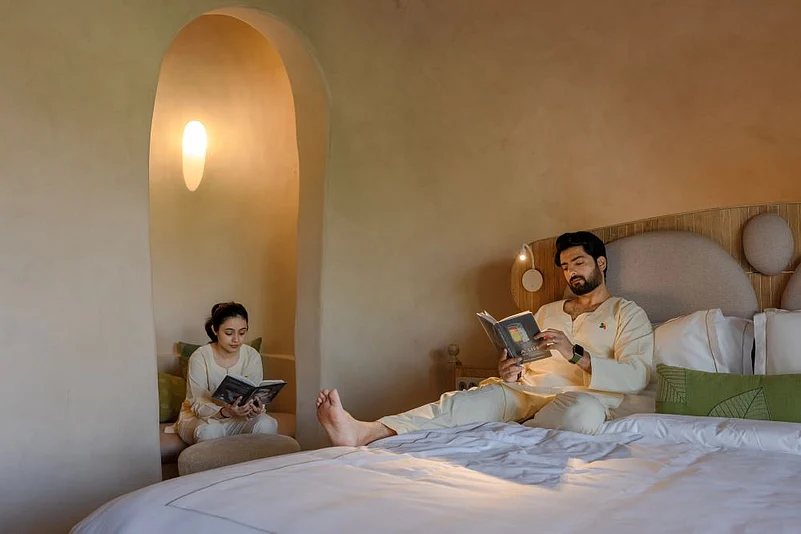
Set across 51 acres near the Khadakwasla waters on the outskirts of Pune, Swastik Wellbeing Sanctuary is a purpose-led wellness sanctuary shaped around the idea that travel can be restorative without being rushed or over-programmed. Rooted in a blend of ancient wisdom and contemporary wellbeing practices, it is guided by five life dimensions—Health, Wealth, Love, Bliss, and Spirituality. The retreat reflects a broader shift in wellness travel towards slower, more intentional stays where rest, reflection, and nature take precedence over fixed itineraries.
Why it works for slow travel
The retreat is designed as a low-density landscape where nature, space, and silence shape the pace of the day rather than fixed itineraries or packed schedules.
Accommodation and shared spaces are spread out across a large natural setting, encouraging unhurried movement and long periods of stillness rather than constant activity.
Stays can shift between structured wellness programmes and a more flexible “wellness holiday” format, allowing guests to focus on rest, sleep and time in nature without pressure to follow a routine.
The surrounding environment—overlooking the Khadakwasla backwaters and framed by the Sahyadris—reinforces a slower rhythm of living that feels naturally immersive rather than scheduled.
The Information
Address: Peacock Valley, Khadakwasla region, near Pune, Maharashtra, India
Room Rates: Approximately INR 45,000–60,000 per night, varying by season, room category, and inclusions
Website: https://swastikwellbeing.com/
The Leela Palace New Delhi

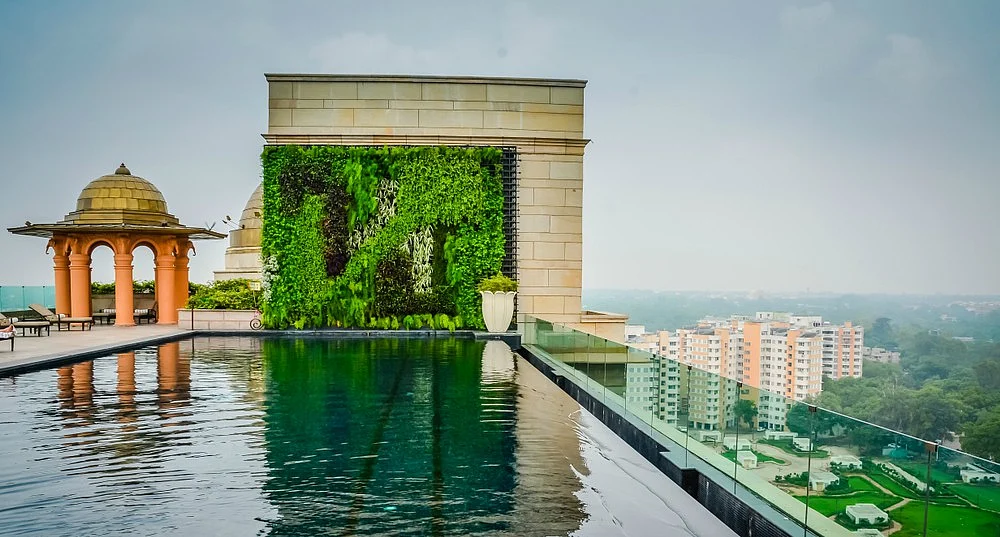
In the diplomatic enclave of Chanakyapuri, The Leela Palace New Delhi brings together Lutyens-style architecture and contemporary palace hospitality in the heart of the capital. Designed as an urban retreat rather than a transit hotel, it focuses on space, privacy and a slow, contained rhythm within the city.
Why it works for slow travel
Rooms and suites are large and self-contained, designed for extended city stays with clear separation between rest and living areas, making it easy to spend long hours indoors without feeling confined.
Daily life is anchored around a small set of in-house dining spaces—Jamavar, Megu, Le Cirque, and Qube—so meals naturally structure the day rather than being rushed decisions or outside errands.
Wellness is centred around the hotel spa, with pre-booked treatments focused on rest and recovery, encouraging guests to slow down without leaving the property.
The Information
Address: Diplomatic Enclave, Chanakyapuri, New Delhi 110023, India
Room Rates: Typically starting around INR 20,000–25,000 per night and going up to INR 60,000+ depending on room category, season and availability
Website: https://www.theleela.com/the-leela-palace-new-delhi/
FAQs
What is slow travel in India?
Slow travel focuses on longer, more intentional stays where the experience of the place matters more than packed sightseeing or tight schedules.
How is a staycation different from a hotel stay?
Staycations are designed for rest and experience within the property itself, often including wellness, dining and activities, rather than just accommodation.
Are wellness retreats in India only for health treatments?
No, many now combine relaxation, nature, and flexible stays alongside therapies like Ayurveda, spa treatments and yoga.
Who are these slow travel stays best suited for?
They suit travellers looking for quiet luxury, downtime, and immersive experiences rather than fast-paced itineraries.
Do these retreats allow flexible stays?
Yes, many properties offer both structured programmes and more open-ended stays depending on how guests want to spend their time.