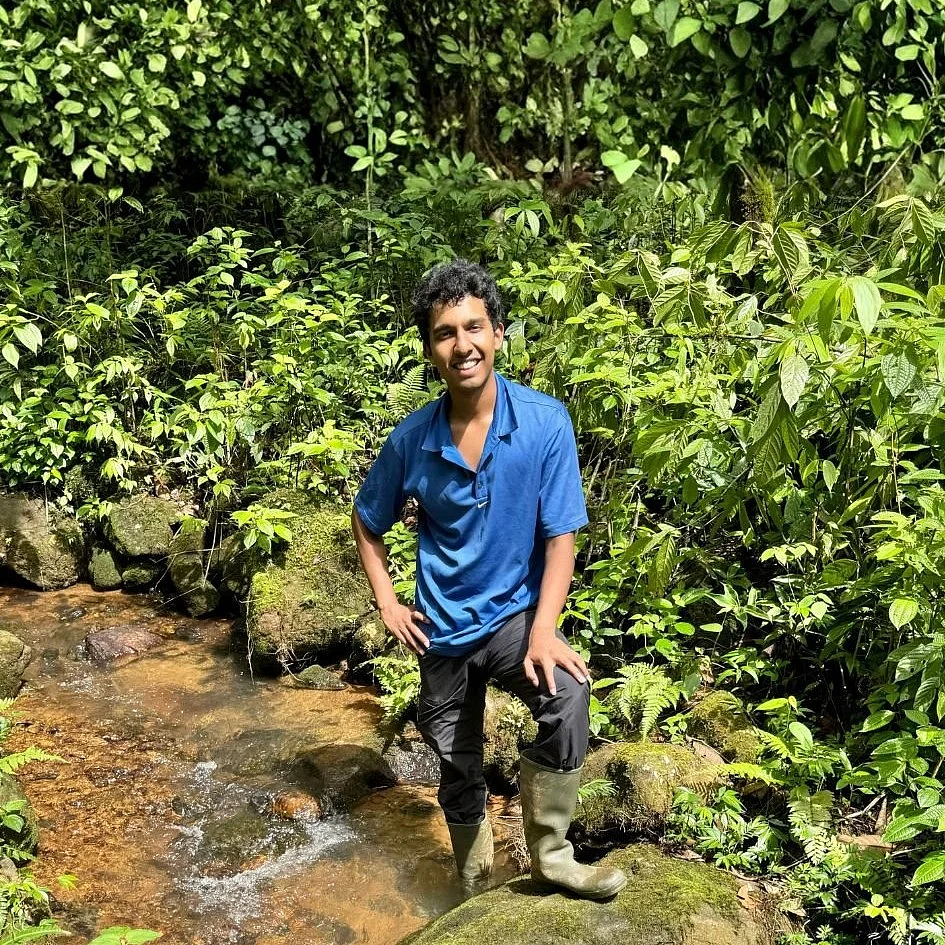
On a routine drive through Bengaluru, Ishan Shanavas has spotted barn owls gliding between trees. From his balcony, he has watched a shikra hunt a tailorbird. Growing up, he fell asleep listening to a white-cheeked barbet nesting outside his home. None of these encounters required a national park or a remote forest. They unfolded within the rhythms of everyday life. At twenty-two, Shanavas has built his work around this idea. Wildlife, he believes, is not distant or exotic. It is present, often unnoticed, in the spaces people already inhabit. A single aim shapes his work as a writer, educator and founder of Eco Inspire: helping people, especially young people, learn how to look.


Shanavas grew up in Bengaluru, where a childhood fascination with animals slowly became something more enduring. Two moments stand out when he traces that shift. The first came at fourteen, during a visit to Bandipur Tiger Reserve. He remembers coming face to face with a tiger that paused and looked directly at him. “That moment changed something fundamental in me,” he says. “I knew that I would spend my life championing wildlife in some capacity.”
The second turning point unfolded over time. At Rishi Valley School in Andhra Pradesh, a boarding school set within a forested valley, wildlife became part of daily routine. Shanavas spent his time rescuing snakes, scorpions and frogs from dormitories, birdwatching between classes, and searching the valley for owl families. Living alongside wildlife stripped away the idea of nature as something separate. That sense of proximity continues to guide his work today. Shanavas is acutely aware that many young people do not have this kind of access growing up. “I have been fortunate,” he says. “Books, documentaries, travel, volunteering, living in a school surrounded by wildlife. Most people never get that exposure.”

It was this realisation that led him to create Eco Inspire, an environmental education programme that works through storytelling. Eco Inspire is deliberately simple in structure. Shanavas conducts one-hour, in-person sessions in schools across India, handling each session himself. Rather than presenting slides of statistics, he shares stories from his own experiences, including assisting with leopard research, early snake rescues, close encounters while tracking wildlife, and helping on king cobra research projects. Ecological ideas are embedded within these narratives rather than taught in isolation.
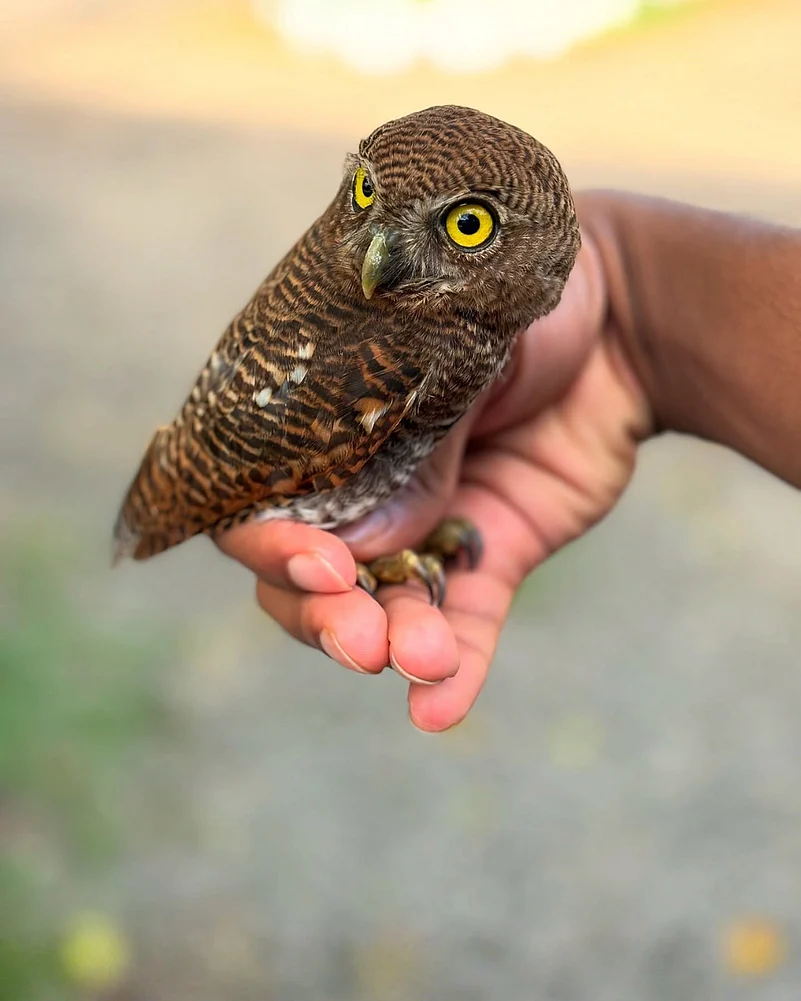
“So far, I have taken Eco Inspire to a hundred schools across twenty-three cities and villages in six Indian states,” he says. “We have engaged over twenty-seven thousand students.” The programme works with children from first grade to twelfth grade, as well as college students and some adult audiences. The outcome he looks for is not immediate action, but curiosity. “Once that spark exists, people begin finding their own ways to engage.” This emphasis on curiosity also shapes Shanavas’s writing. His book, The Light of Wilder Things, published when he was twenty-one, brings together seven years of journals kept while exploring nature across India.
One moment in the book captures its tone. While in the Himalayas, Shanavas watched a bearded vulture, or lammergeier, soaring above forested mountains. “In a world filled with environmental despair, that sight reminded me that wild spaces and wild creatures still exist,” he says. That philosophy extends to how Shanavas speaks about cities. He is quick to dismantle the idea that wildlife belongs only in protected reserves. He has rescued a checkered keelback snake from his neighbour’s home and grown up listening to birds nesting outside his window. “These experiences show that wildlife exists alongside us,” he says. “If we take the time to notice.”

Responsible tourism, in his view, begins with awareness. “If you are visiting a place that is wild in any sense, the least you can do is learn about the wildlife and ecosystems that live there,” he says. He stresses mindful water use, particularly in biodiverse regions where water scarcity is a daily reality. He also challenges the idea that leaving no trace is enough. “We need to leave places better than we found them,” he says, even if that means carrying back someone else’s litter.
Collaboration, for Shanavas, often takes modest but meaningful forms. While studying at Ashoka University in Haryana, he created a biodiversity field guide documenting over one hundred and thirty bird species, along with mammals and reptiles found on campus and surrounding farmland. After speaking about this work in schools, he learned that a student had begun creating a similar field guide for his own school. That project is now underway. “That,” Shanavas says, “is real impact.”
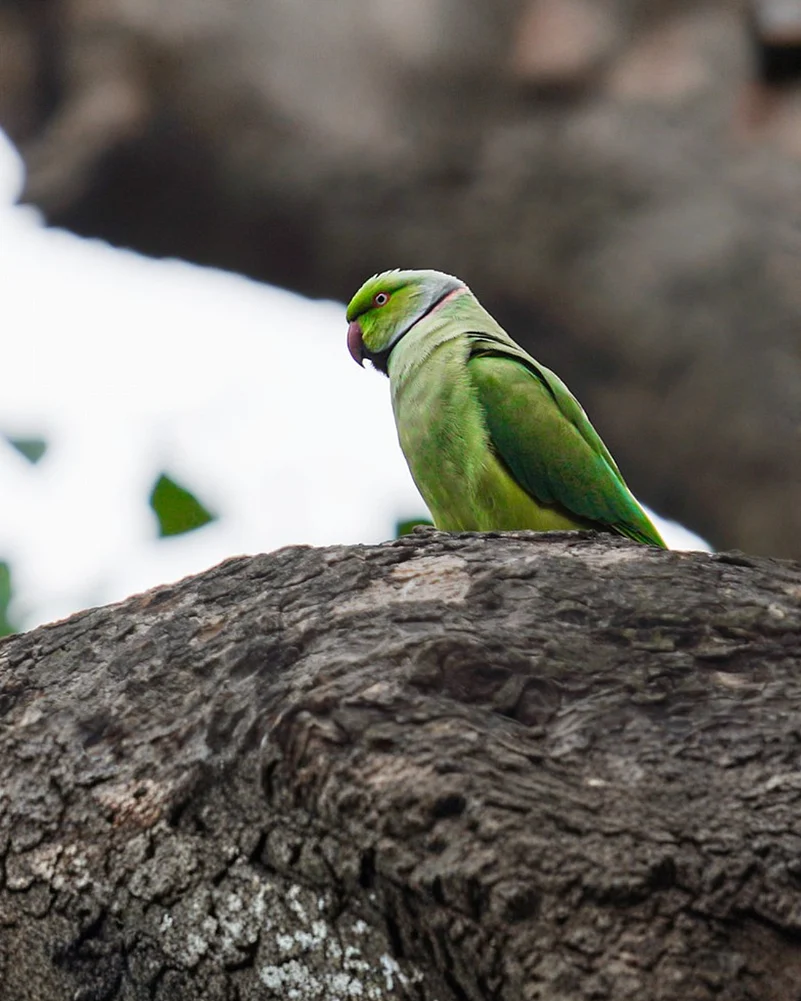
Shanavas creates short, accessible videos that share small observations from the natural world. The aim is not spectacle, but interruption. “The goal is to interrupt passive scrolling with curiosity,” he explains. Messages from viewers often ask for reading recommendations or ways to learn more. For Shanavas, this confirms that the appetite for meaningful engagement with nature is very much alive. For now, Shanavas continues doing what he has done since childhood: noticing, documenting and sharing. Whether it is a tiger in Bandipur, a vulture in the Himalayas, or a bird outside his window, his work rests on a simple belief. Conservation does not begin with instruction. It begins with attention.