There was a time when a resort’s biggest selling points were straightforward: a comfortable room, a generous buffet, a swimming pool, and perhaps a scenic view. Today, that formula is no longer enough. Across India, hospitality brands are discovering that travellers are looking for something more active than a leisurely stay by the pool. They want experiences that become stories, memories, and increasingly, social media posts.
As travel becomes more experience-driven, resorts are reimagining what happens beyond the guest room. Open lawns are turning into obstacle courses, forest edges are being connected by rope bridges, and previously underused spaces are finding new purpose as adventure zones. From ziplines and climbing walls to sky cycling tracks and multi-activity towers, adventure-based recreation is emerging as one of hospitality's fastest-growing revenue opportunities.
The shift reflects a broader change in traveller behaviour. Guests are no longer evaluating a property solely on accommodation standards or dining options. Families want activities that keep children engaged throughout the day. Corporate groups are seeking team-building experiences that go beyond conference rooms. Wedding guests expect entertainment between ceremonies, while weekend travellers increasingly look for destinations that offer more than a place to sleep.
The Experience Economy
For resorts, the appeal of adventure infrastructure goes far beyond entertainment. It addresses one of the industry's biggest challenges: how to encourage guests to spend more time and money within the property itself.
Traditionally, hotels have relied heavily on room bookings, food and beverage sales, and event revenues. But as operating costs continue to rise and competition intensifies, hospitality brands are looking for ways to diversify their earnings. Industry experts increasingly refer to this strategy as generating "revenue beyond rooms"—finding opportunities to monetise experiences, services, and spaces that extend beyond accommodation.
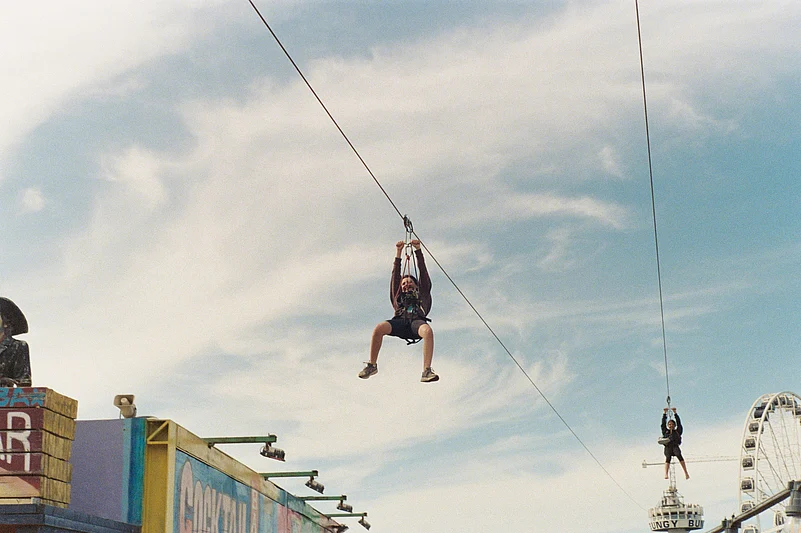
Adventure activities fit neatly into this model. A zipline ride, a rope course, or a climbing challenge can be sold as a standalone experience, bundled into stay packages, included in corporate retreats, or offered to day visitors who may never book a room. Schools, colleges, birthday groups, and destination wedding parties create additional audiences that can help resorts generate income throughout the year.
What makes these attractions particularly attractive is their versatility. A single adventure zone can cater to multiple guest segments across different seasons. School groups may visit during weekdays, families during holiday periods, corporate teams during offsite retreats, and wedding guests during peak celebration seasons. Unlike many traditional resort amenities, adventure infrastructure has the potential to serve a constantly rotating audience.
Beyond The Room

The rise of adventure-led hospitality is also tied to a growing emphasis on guest engagement. Today's travellers are placing greater value on participation rather than passive consumption. Instead of simply admiring a landscape, they want to interact with it.
This has prompted resorts to rethink how their properties are designed and used. Areas that once served as decorative open spaces are being transformed into active recreation zones. A hillside property might introduce sky cycling routes that offer panoramic views, while a nature retreat may opt for low-impact forest trails and rope bridges that blend into the environment. Family-focused resorts are often prioritising children's net play areas, beginner-friendly rope courses, and supervised climbing challenges.
The benefits extend beyond direct revenue. Adventure activities create highly shareable moments that help resorts market themselves organically. A guest is far more likely to post a video of a zipline ride or a photograph from a rope bridge than a picture of a standard hotel corridor. In an era where travel decisions are increasingly influenced by digital content, these experiences become powerful marketing tools.
The hospitality industry's growing focus on total guest spending rather than room revenue alone is another driving factor. Many hotels are now measuring success not only through occupancy rates but also by how much value they can generate from each guest throughout their stay. Adventure experiences, wellness offerings, curated local excursions, and recreational programmes all contribute to this larger ecosystem.
Building It Right
Yet adventure tourism within hospitality is not as simple as installing a few recreational structures and opening them to guests. These attractions require significant planning, engineering, operational oversight, and ongoing maintenance.
Unlike traditional playground equipment, adventure infrastructure involves height, movement, structural loads, safety systems, emergency protocols, and trained supervision. Everything from guest flow and waiting areas to weather conditions and evacuation access must be considered during the planning stage.
This complexity has led many resorts to work with specialised adventure development firms that handle everything from site assessments and engineering to installation, staff training, inspections, and long-term maintenance. The goal is to ensure that activities align with the property's layout, audience profile, operational capacity, and safety requirements.
The most successful projects are those that integrate seamlessly into the overall guest experience. Adventure zones are increasingly being designed alongside viewing decks, refreshment areas, photo points, and gathering spaces, turning them into social hubs rather than isolated attractions.
For India's hospitality sector, the trend signals a larger evolution. Resorts are no longer competing solely on luxury, location, or amenities. They are competing on experiences. As travellers continue to prioritise engagement, participation, and memorable moments, adventure activities are moving from optional add-ons to core business assets.
The future resort stay may still include a comfortable room and a good meal. But increasingly, it is the zipline across a valley, the challenge of a rope course, or the thrill of a sky cycle that guests remember long after checkout.
FAQs
1. Why are resorts investing in adventure activities?
To enhance guest engagement, attract diverse visitor segments, and generate revenue beyond room bookings.
2. What types of adventure activities are becoming popular at resorts?
Ziplines, rope courses, climbing walls, sky cycling, obstacle courses, and children's play zones.
3. How do adventure activities help resorts earn more?
They create opportunities through activity tickets, day passes, corporate programmes, school visits, and package upgrades.
4. Are adventure attractions suitable for all kinds of resorts?
Yes, activities can be customised based on a property's size, location, audience, and operational goals.
5. What is the biggest challenge in developing adventure zones?
Ensuring proper planning, safety systems, trained staff, maintenance, and long-term operational management.