

There is a moment that remains vivid in Pavail Gill’s mind. It was Diwali, and the courtyards of Hansali Organic Farm glowed with rows of lit clay lamps. A family from France had arrived that evening. They stood beside the Gills, curious about the meaning of the festival and the idea of good triumphing over evil. Together they placed diyas along the pathways, their conversation drifting from the story of Rama to memories of celebrations in their own homeland. It happened to be the birthday of Pavail’s father as well, so the simple gathering turned into an unexpected joining of strangers and family. The stillness of the evening made Pavail realise that Hansali Organic Farm had become more than the thirteen and a half acres they had bought in 2007. It had turned into a place where people stepped into the heart of rural Punjab and felt part of its rhythm.
The farm began as a decision between Pavail and his father, Sukhchain Singh Gill, to grow food differently. “My father and I bought this piece of land in 2007, and we wanted to do farming a bit differently,” Pavail says. They began with one acre under organic cultivation and added one acre each year. By 2011, after learning how to market their own produce in Chandigarh and nearby towns, they converted completely to organic. The shift was motivated not only by agricultural principles but by personal loss. “I lost my mother to cancer in 2009, which was a very profound moment when we realised how the toxins in our food chain are affecting our lives,” he recalls. A year later, the visit of the then Prince of Wales, now King Charles III, who came specifically to see their organic methods, strengthened their resolve.

A Moment of Truth
The idea of opening their gates to visitors grew naturally from the desire to let people witness organic farming at close range. “Usually, the farmer is unable to reach the audience of a city,” Pavail explains. In their case, as they were both the farmers and the ones marketing the produce, the idea felt obvious. Invite people to see the fields and the practices. Let the soil speak for itself. Seeing is believing. Their first guest was Delhi-based food consultant Sangeeta Khanna. She urged them for years to let her stay, even when the house still had washrooms in the courtyard and the rooms were basic.
They finally agreed and remodelled two rooms with attached bathrooms and patios overlooking the orchard. Furniture came from OLX, the beds were polished the night before and the family worked past nine o’clock arranging linen and crockery. “This being our first time we had no prior experience and when the moment came to host the first guests, there was a lot of chaos, confusion and anxiety that their experience should be comfortable,” Pavail says. They were exhausted by the time she arrived, yet the stay went smoothly. Looking back, the panic seems almost humorous. Hosting, which once felt daunting, is now a natural extension of their life at the farm.
The Punjab Experience
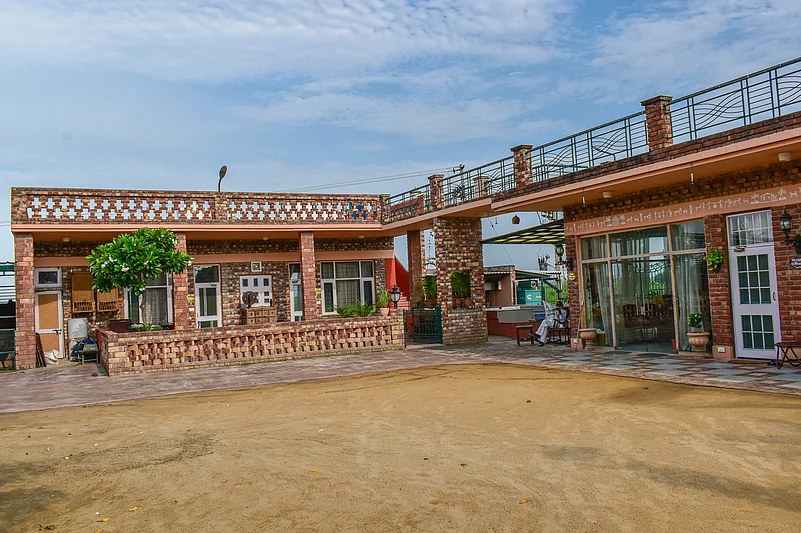
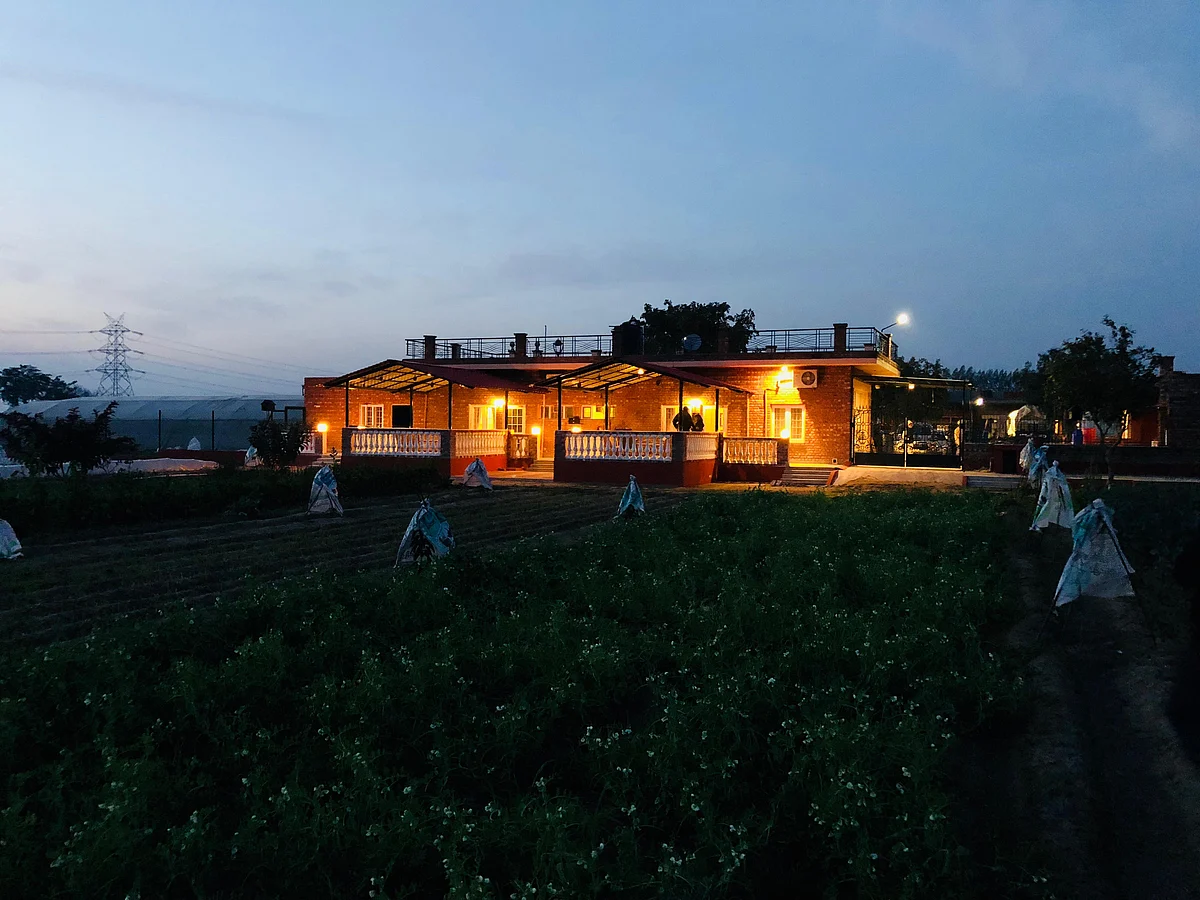
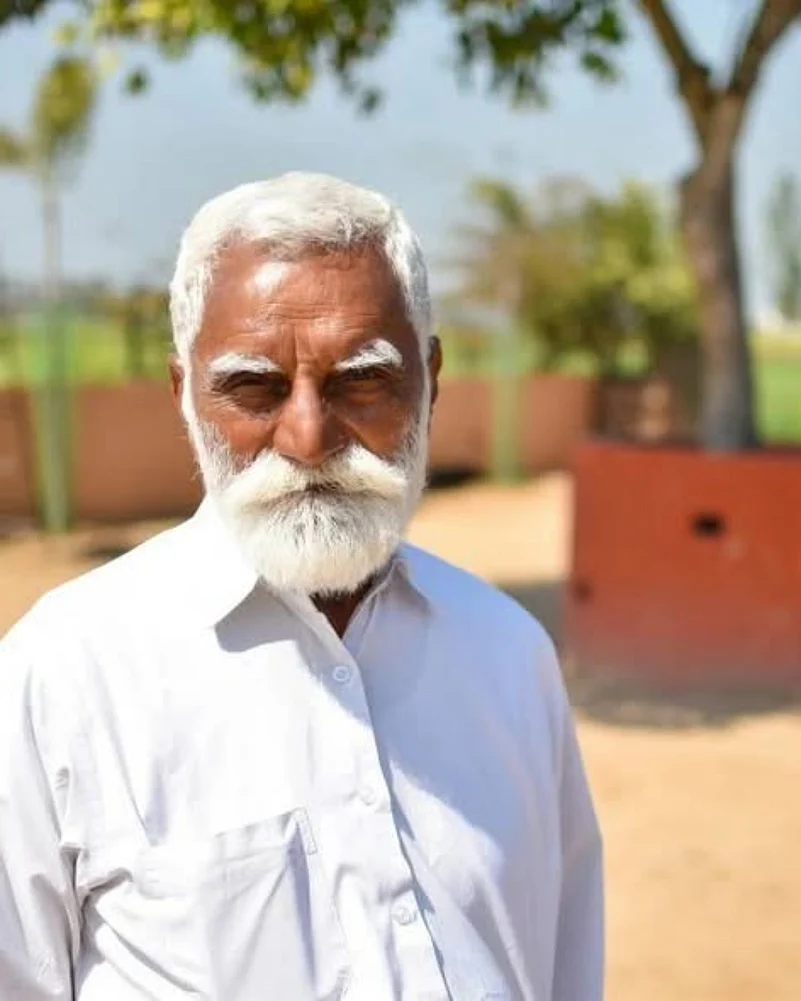
Hansali Organic Farm is an integrated organic farm with a multi fruit orchard, a dairy of HF and Sahiwal cows, a goat shed, free range poultry, a vegetable garden and open fields growing wheat, basmati rice, sugarcane, mustard and pulses. Their produce reaches more than one hundred and fifty homes each day in the Chandigarh tricity and several city stores. The family also curates the organic menu for Hyatt Centric Chandigarh. The farmstay grew slowly. Two rooms were renovated in 2018 to 2019, and the old barn was converted into a common activity room with seating, a fireplace and a bar. Two more rooms were added in 2021. Today, four rooms open into a traditional courtyard, with two offering orchard patios and two looking out over a rooftop chabaara. Same kitchen serves both guests and family. “As hosts, we personally look after each and every need of our guests,” Pavail says. His father, now eighty five, lives on the farm and remains part of the hosting experience
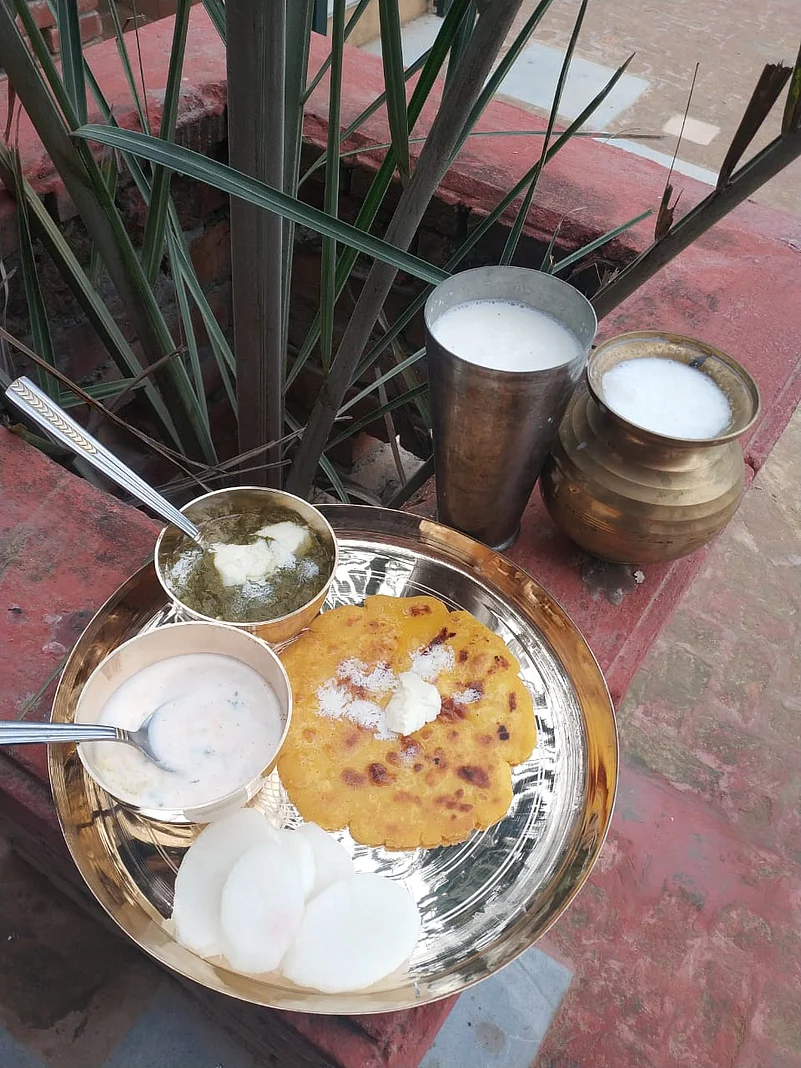
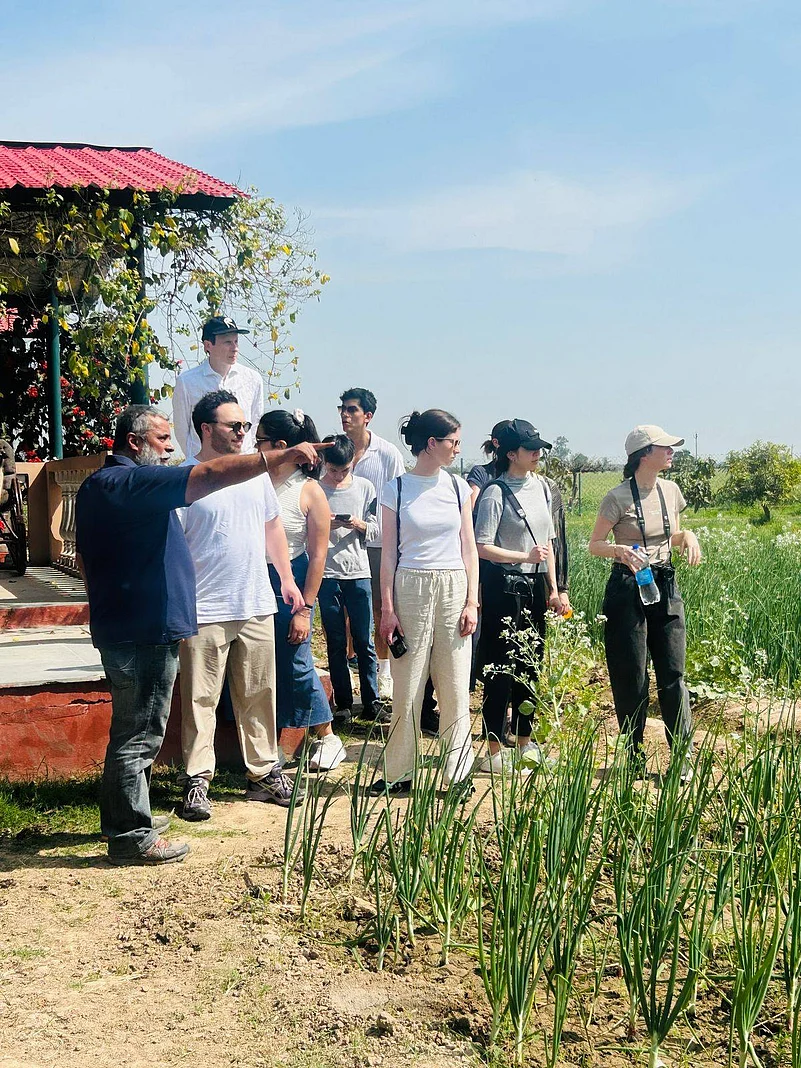
Punjab flows through the stay as naturally as the fields themselves. Each room holds framed phulkari embroidery and old wooden pieces such as sandooks, palangs and a charkha. Outside, the wood fired chulla burns steadily, simmering saag, dal and other traditional dishes. Guests take tractor rides to Hansali village, visit the panchayat office and the village school, watch local youngsters play at the rural stadium or spend mornings in historic gurdwaras nearby. The idea is not to create a staged experience but to draw visitors into the everyday life of Fatehgarh Sahib.
Festivals and Moments That Stay
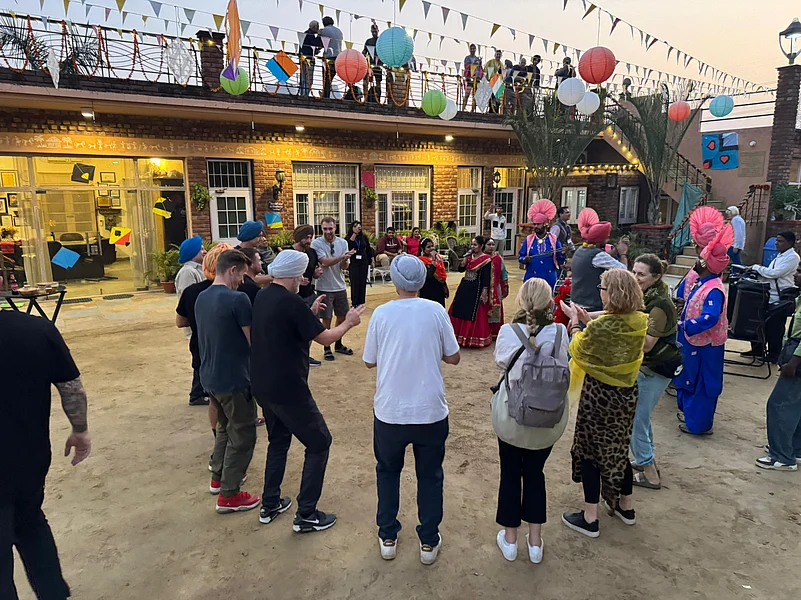
Festivals bring their own texture to the farm. Diwali offers quiet reflection. Lohri is celebrated around a bonfire, marking the end of winter. Vaisakhi, which signals the wheat harvest, is the most energetic. The family still speaks of the year when their son Fateh sang during the celebration, a moment captured in a video they often share with guests. These occasions blend visitors with local traditions, reminding them that the farm is part of a larger cultural landscape.
Craft and Collaboration
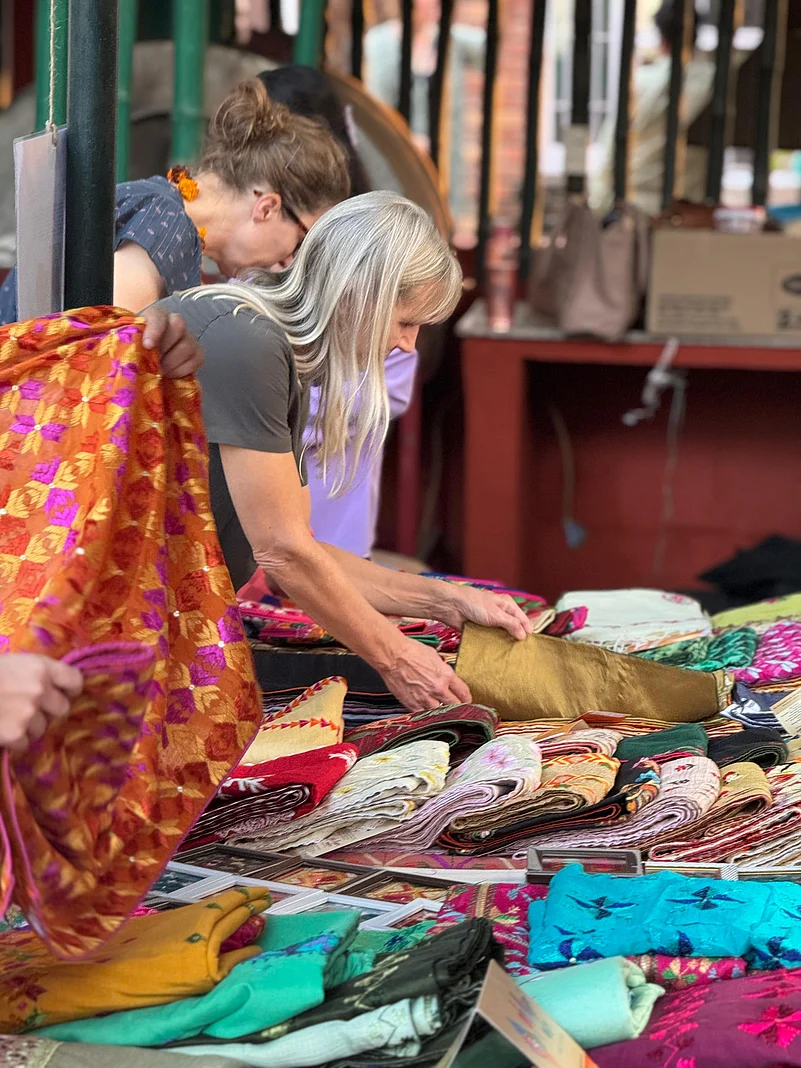
Hansali Organic Farm is deeply woven into the work of rural artisans. Pavail explains their collaboration with the Mehar Baba Charitable Trust, a not for profit organisation that supports over two lakh underprivileged people across one hundred and eighty six villages. The trust trains women in phulkari, garment making, machine embroidery, aari zardozi and rug weaving. More than five hundred women now work from their homes. At the farm, their products are displayed for guests to buy and learn from. Another partnership is with Balwaar India in Sangrur district, where Kiran R Singh is reviving handloom khes and multi coloured durries on fixed frame looms. The yarn is hand spun on charkhas and natural dyes are being tested. Every February, the annual Hansali Fest brings these groups together, giving them a platform to sell to visitors from cities. Pavail describes these collaborations as essential to preserving craft and creating direct economic pathways for rural women.
Sustainability as Everyday Practice
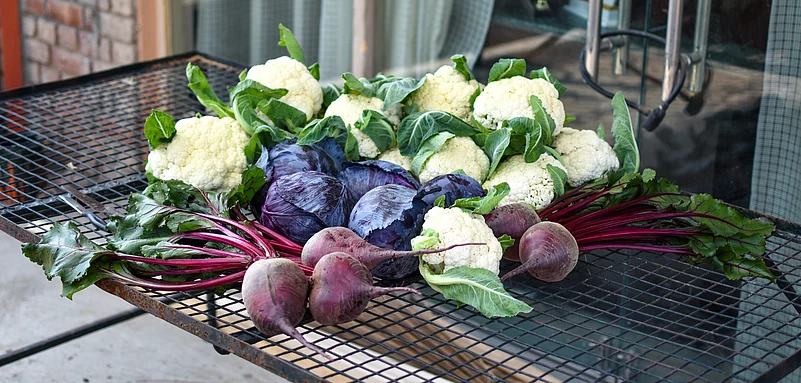
Sustainability at Hansali Organic Farm is rooted in tangible agricultural decisions rather than abstract labels. The farm has been certified organic since 2011. For more than twelve years, no chemical pesticides or fertilisers have been used. The land has not seen a farm fire in eighteen years, a significant achievement in Punjab, and natural life has returned steadily to the soil. Underground irrigation pipes ensure water efficiency and prevent seepage. A tapping point at every field corner makes distribution precise. Canal water supplements the tube well supply, saving electricity and protecting the groundwater table. “It helps in saving water considerably,” Pavail says. These practices are not promotional talking points but core to how the fields are managed each day.
Challenges and Lessons
Integrating organic farming with tourism required patience. “It is a challenge in training local people to the requirements from a tourism perspective,” Pavail says. Hospitality standards had to be taught gradually. Today, two women from the village work full time in housekeeping, cooking and gardening. A boy with a hand disability works in the kitchen. The eldest cook is fifty one. The small team now forms a reliable circle of support around the farmstay. Infrastructure was built piece by piece, financed through the farm’s own income. Upcycled furniture, refurbished woodwork and slow expansions shaped the property over several years. Their tariff is eight thousand rupees per double occupancy room including meals, with an additional two thousand five hundred for an extra bed. Online platform listings are priced slightly higher to ensure the same revenue after commissions.
Guests and the Bonds They Carry Home
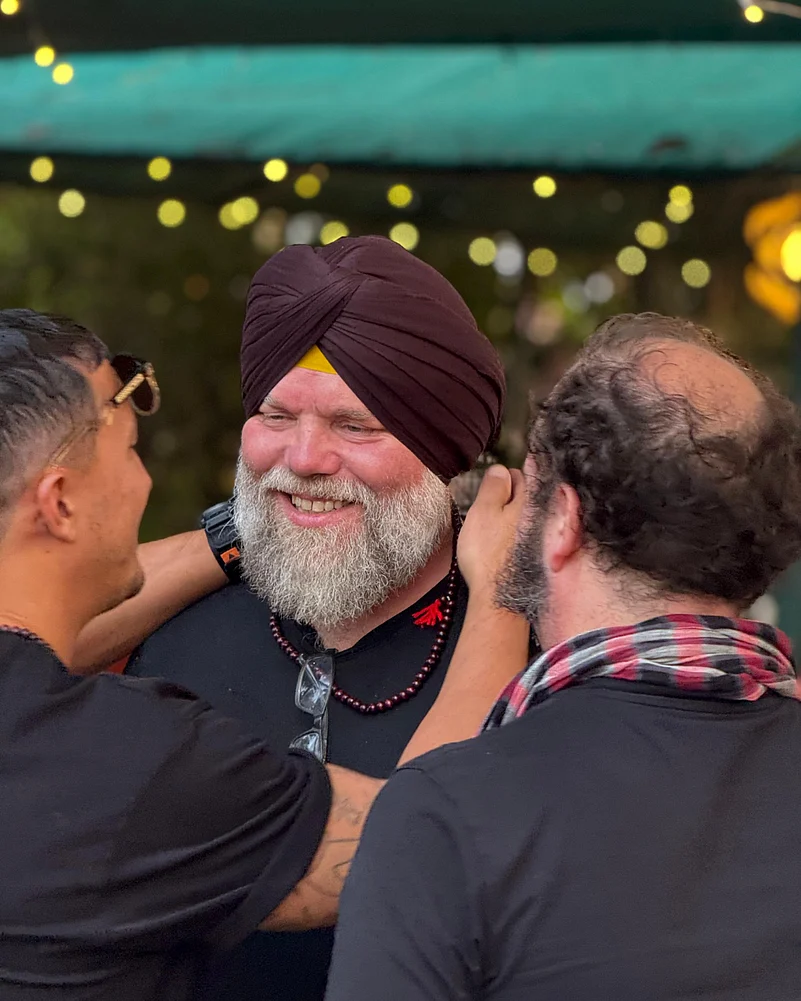
Pavail shares the story of a Delhi family who has visited Hansali Organic Farm for six consecutive years. On their third visit they did not return from their morning walk until noon. They had met an elderly farmer who remembered them from previous years. What began as small greetings had grown into roadside tea from his flask and, that year, an invitation to his home where his wife made fresh parathas. The following year, the daughters brought gifts for the farmer’s family. Such bonds, Pavail says, are almost impossible in urban life, yet they arise naturally in the fields and lanes around the farm.
The Heart of the Table
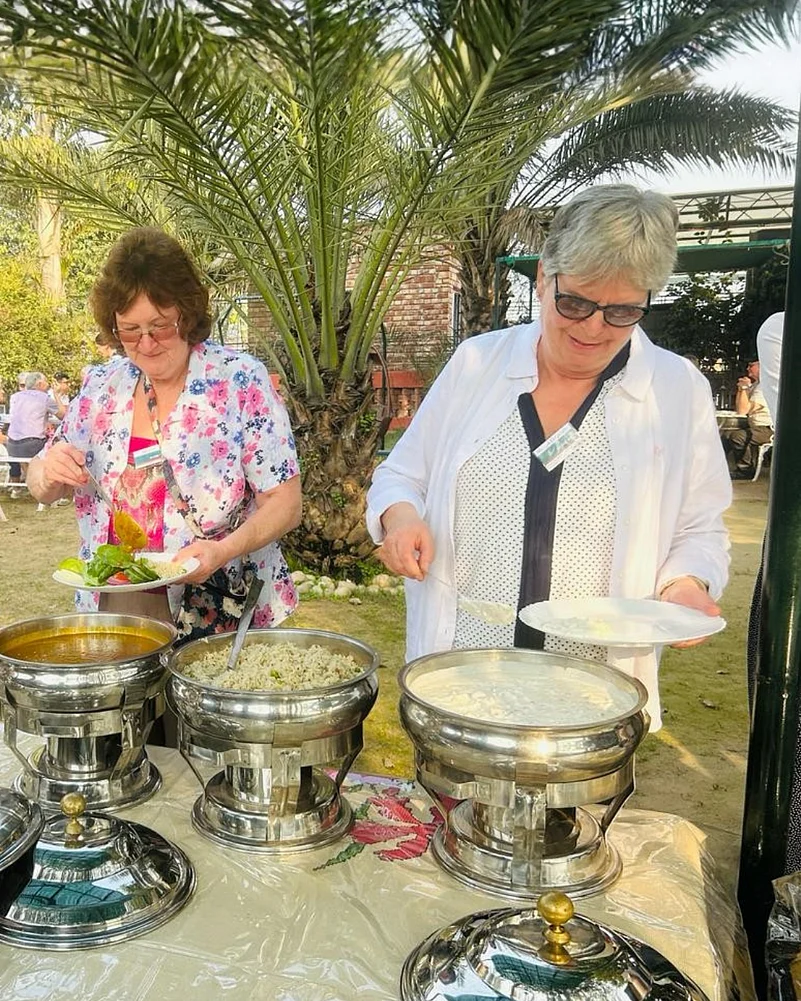
Food remains central to the experience. Guests watch sarson da saag cook slowly on the wood fired chulla, eat makki di roti, taste gur di kheer and learn recipes that have travelled through Punjabi households for generations. Many pluck saag from the fields themselves and take part in the cooking. Through food, they learn the direct connection between the plate and the land that grew it.
Looking Ahead
After eighteen years, Pavail sees Hansali Organic Farm as a doorway to something larger. The aim is to develop the wider region as a destination with immersive experiences centred on natural farming, history, culture, religion and archaeology. Visitors can explore the Kushan period antiquities at Uchha Pind Sanghol, study Mughal architecture at Aam Khas Bagh or drive an hour to Chandigarh to understand modern city planning. “We would like to promote our region to become a destination for travellers in the future,” he says. The essence of Hansali Organic Farm lies in its honesty. Visitors leave not only with recipes and memories but with an understanding of how food, culture and community are woven together in rural Punjab. And in that understanding lies the lasting imprint of Hansali Organic Farm.