The Yuge Yugeen Bharat National Museum is an upcoming cultural institution in New Delhi being developed as part of the Central Vista Redevelopment Project. Meaning "Everlasting India," the museum is expected to become one of the world's largest museums, according to Indian government officials.
The Museum At A Glance
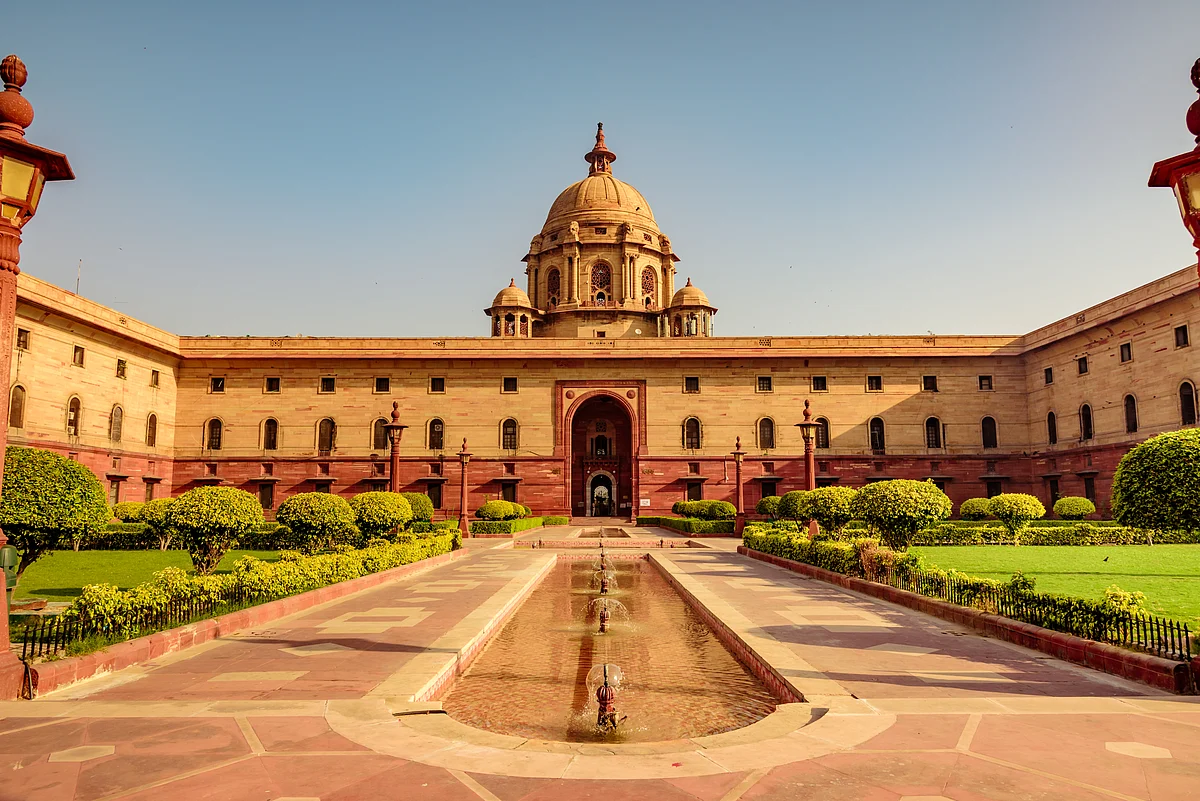
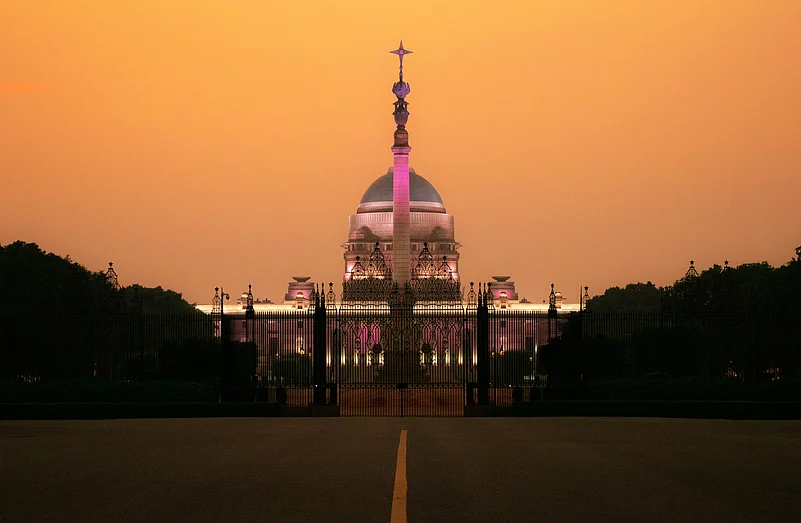
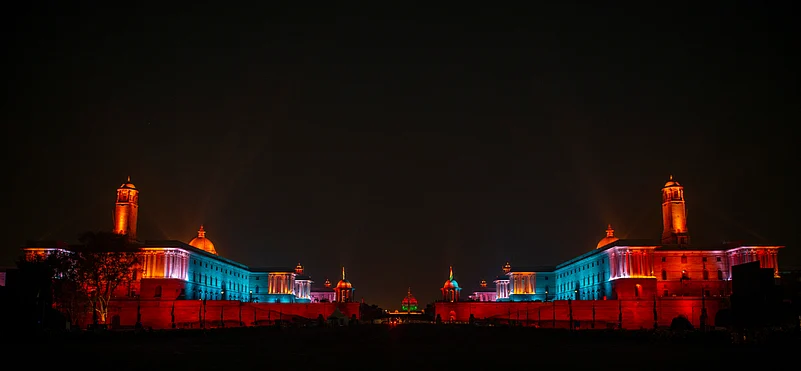
The museum will be housed in the historic North and South Blocks on Raisina Hill, the landmark government buildings that flank Rashtrapati Bhavan. According to project details, the institution will cover around 155,000 square metres and include 950 rooms and more than 30 thematic galleries.
The museum is expected to display between 80,000 and 100,000 artefacts drawn from the collections of the National Museum, the Archaeological Survey of India (ASI) and various state institutions. Exhibitions will explore different periods and themes from India's long history, with displays designed around a non-linear narrative rather than a traditional chronological timeline.
The Ministry of Culture is also working with French museum specialists on aspects of the museum's design and management.
Opening Timeline

The museum is expected to open in phases. The first gallery is scheduled to welcome visitors by the end of 2026 and will feature around 100 artefacts intended to introduce the museum's broader vision and collection.
Additional galleries are set to open gradually over the following three years as work on the wider project continues.
Questions Over Curation
While the project has been presented as a major cultural initiative, it has also attracted criticism from some historians, museologists and policy analysts.
Civilisational vs civic narrative: Critics argue that the museum reflects a shift from the post-Independence vision of the National Museum, which focused on civic history and public education, towards a broader civilisational narrative aligned with the current government's cultural agenda.
Historical selectivity: Some commentators have raised concerns about how different periods of Indian history may be represented. Critics argue that early proposals appear to emphasise ancient cultural continuity while potentially giving less prominence to other eras, including the period of medieval Islamic rule.
Fixed versus evolving history: Museum experts have cautioned against presenting history as a settled or singular narrative. They argue that national museums should remain spaces for debate, interpretation and ongoing historical inquiry rather than definitive accounts of the past.
Operational Challenges
The project has also raised practical concerns among historians and museum professionals.
Relocation of collections: Critics have questioned the process of moving and cataloguing the vast collections of the existing National Museum, citing the risks involved in transporting thousands of valuable artefacts.
Adapting historic buildings: Some experts have argued that the North and South Blocks, originally designed as administrative offices, may present challenges when converted into modern public museum spaces.
Curatorial capacity: Others have pointed to the need for greater investment in research, scholarship and curatorial expertise, arguing that expanding the museum's physical footprint should
(With inputs from various sources)
FAQs
What is the Yuge Yugeen Bharat National Museum?
The Yuge Yugeen Bharat National Museum is a new national museum being developed in New Delhi as part of the Central Vista Redevelopment Project.
Where will the museum be located?
The museum will be housed in the historic North and South Blocks on Raisina Hill, near Rashtrapati Bhavan in New Delhi.
When will the museum open?
The first gallery is expected to open by the end of 2026. The remaining galleries are planned to be rolled out in phases over the following three years.
What will visitors be able to see?
The museum is expected to display between 80,000 and 100,000 artefacts drawn from the collections of the National Museum, the Archaeological Survey of India and various state institutions.
Why has the project attracted debate?
Some historians, museum professionals and policy analysts have raised questions about the museum's curatorial approach, the relocation of existing collections, the adaptation of the North and South Blocks into museum spaces, and the need for greater investment in research and curatorial expertise.