


Google has some interesting news for travellers who prefer discovering places before they become mainstream holiday destinations. According to its latest travel trends report for 2026, searches for "hidden gems India" have increased by 400 per cent, indicating a growing interest in lesser-known destinations and experiences beyond the country's familiar tourist hotspots.
Published on November 23, 2026, the report by Google India also points to changing travel preferences, with more people searching for hiking trails, music festival getaways, wellness retreats and shorter breaks. Searches for "wellness travel India" have risen by 1,600 per cent, while queries for "1 day trip near me" have increased by 130 per cent over the past year. Solo travel is also gaining traction, with searches for "travel community" registering a 400 per cent rise.
The numbers point to an interesting shift. Travellers are increasingly looking for holidays shaped around experiences, local culture, nature and personal interests rather than simply ticking famous attractions off a list.
While Google has not identified individual destinations behind the 400 per cent increase in hidden-gem searches, India's lesser-explored corners make a compelling starting point. If you have already visited the usual hill stations, beach towns and heritage cities, here are seven offbeat Indian getaways worth considering for your next holiday.
Ziro Valley, Arunachal Pradesh: For Mountain Landscapes And Apatani Culture
If your idea of a holiday involves mountain scenery, traditional villages and a glimpse into indigenous culture, head to Ziro Valley in Arunachal Pradesh. Located at an altitude of approximately 1,500 metres in the Lower Subansiri district, this picturesque plateau is known for its expansive rice fields, pine-covered hills and settlements of the Apatani community.


One of the most fascinating aspects of Ziro is the Apatani community's traditional paddy-cum-fish cultivation system, in which rice and fish are cultivated together through an ingenious network of water channels. It is an agricultural practice that reflects centuries of ecological knowledge.
Spend time exploring the villages, visit Tarin Fish Farm, and take a walk towards Dolo Mando for panoramic views of the valley. Nature enthusiasts can also plan an excursion to Talley Valley Wildlife Sanctuary, known for its rich biodiversity.
If you enjoy music and cultural experiences, time your visit around the annual Ziro Festival of Music, which brings independent musicians and music lovers to the valley.
Best time to visit: March to October, with September being particularly popular for the Ziro Festival of Music. Check festival dates before planning.
Majuli, Assam: For River Island Life And Living Traditions
Imagine spending your holiday on a river island, travelling between centuries-old monasteries, watching artisans make elaborate masks and cycling past wetlands. This is the experience that awaits you in Majuli, an island district in the Brahmaputra River in Assam.
Often described as one of the world's largest inhabited river islands, Majuli is an important centre of Assamese Neo-Vaishnavite culture. Its satras, or Vaishnavite monasteries, preserve traditional performing arts, music, dance and religious practices associated with Srimanta Sankardeva and his disciple Madhavdeva.
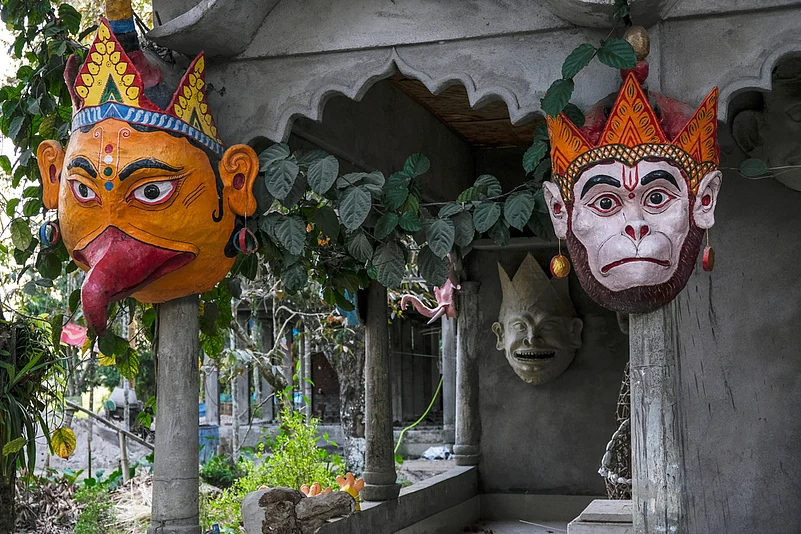
Make time for Samaguri Satra, particularly known for its traditional mask-making craft, and visit Auniati and Dakhinpat Satras to learn more about the island's cultural heritage. You can also explore Salmora, a village known for its pottery traditions, and visit Mising settlements to learn about their distinctive stilt houses and handloom weaving.
For nature lovers, Majuli's wetlands attract resident and migratory birds, while the Brahmaputra's riverbanks make for memorable sunset views. If you want to experience the island at its most festive, plan around the Raas Mahotsav in November, when performances based on the life of Lord Krishna take centre stage.
Majuli is accessible by ferry from Nimati Ghat near Jorhat, making the journey itself part of the experience.
Best time to visit: October to March, particularly November for the Raas Mahotsav.
Tirthan Valley, Himachal Pradesh: For Forest Trails And Riverside Escapes
Himachal Pradesh has no shortage of popular mountain destinations, but Tirthan Valley is worth considering if you want to explore a less conventional side of the state. Located around 70 km from Kullu, this valley is known for its clear river, forested slopes, traditional villages and access to the Great Himalayan National Park.
The Tirthan River is central to the region's appeal. You can spend your days walking along its banks, trying your hand at trout fishing where permitted, or exploring the surrounding villages. Gushaini is a good base for discovering the valley and setting out on nature walks.

Adventure enthusiasts can also plan guided treks into the Great Himalayan National Park, a UNESCO World Heritage Site known for its alpine landscapes and rich biodiversity. Birdwatching, camping and exploring the forest trails are other experiences to consider.
Unlike a conventional hill-station holiday, Tirthan works particularly well for travellers who enjoy spending time outdoors. You can combine a riverside homestay with short hikes, village visits and excursions into the surrounding wilderness.
Best time to visit: March to June for pleasant weather and outdoor activities; September to November for clearer mountain views.
Chaukori, Uttarakhand: For Himalayan Views And Tea Gardens
While Nainital, Mussoorie and Rishikesh continue to draw visitors to Uttarakhand, Chaukori in the Pithoragarh district makes a compelling alternative for those looking to explore the Kumaon region.
Situated at approximately 2,010 metres above sea level, this small hill town is known for its sweeping views of the Panchachuli and Nanda Devi peaks. Its landscape is dotted with tea gardens, fruit orchards and forests of deodar and rhododendron.
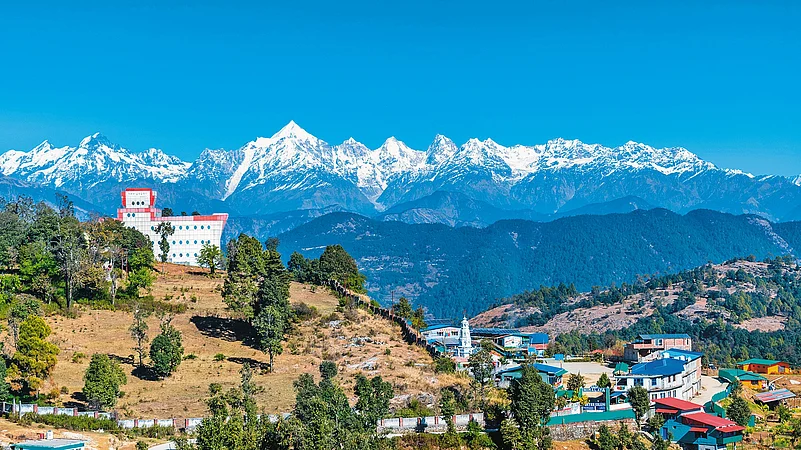
One of the simplest ways to explore Chaukori is to take a walk through its tea plantations and enjoy the surrounding mountain scenery. You can also visit nearby Patal Bhuvaneshwar, a limestone cave complex of religious significance, located around 40 kilometres away.
For photographers, the Himalayan panorama at sunrise and sunset is a major draw. The region also makes a good base for discovering other parts of Kumaon, including Berinag and Gangolihat.
Chaukori is particularly suited to travellers who want a mountain holiday centred around nature walks, local exploration and expansive Himalayan views rather than a packed sightseeing itinerary.
Best time to visit: March to June and mid-September to December.
Dholavira, Gujarat: For An Extraordinary Journey Into The Harappan Civilisation
For a holiday that combines history, archaeology and an unusual landscape, consider travelling to Dholavira in Gujarat's Kutch district. Situated on Khadir Bet, an island in the Great Rann of Kutch, this archaeological site offers an opportunity to explore one of the most remarkable urban settlements of the ancient Indus Valley Civilisation.
A UNESCO World Heritage Site since 2021, Dholavira was occupied between approximately 3000 and 1500 BCE. Its excavated remains include a fortified city, ceremonial grounds, residential structures, a cemetery and an elaborate water-management system. The latter is particularly fascinating, considering how the Harappans developed reservoirs and other structures to conserve water in an arid environment.
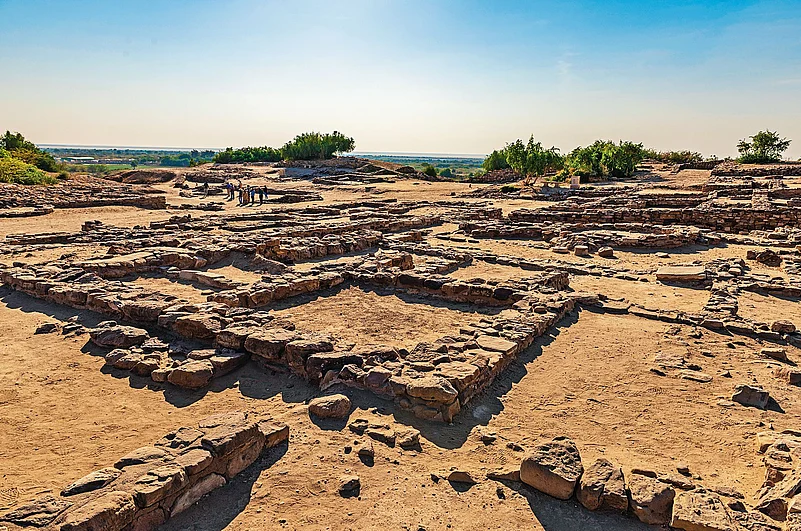
Walk through the archaeological complex to understand its sophisticated town planning, explore the ancient reservoirs and examine the remains of its fortified settlements. The surrounding landscape of the Rann adds another dimension to the visit, particularly during the cooler months.
Dholavira is an interesting choice for history enthusiasts, photography lovers and travellers who want to explore Gujarat beyond Ahmedabad, the Statue of Unity and the better-known attractions of Kutch.
Best time to visit: November to February, when temperatures are more comfortable for exploring the archaeological site and surrounding desert landscape.
Bhitarkanika, Odisha: For Mangrove Safaris And Wildlife Encounters
If your ideal getaway involves spotting wildlife and exploring landscapes that are best experienced by boat, Bhitarkanika National Park in Odisha deserves your attention.
Located in the Kendrapada district, Bhitarkanika is a vast mangrove ecosystem shaped by the Brahmani, Baitarani and Dhamra rivers. The national park is a Ramsar-designated wetland and is particularly known for its saltwater crocodiles, including one of the country's largest populations.
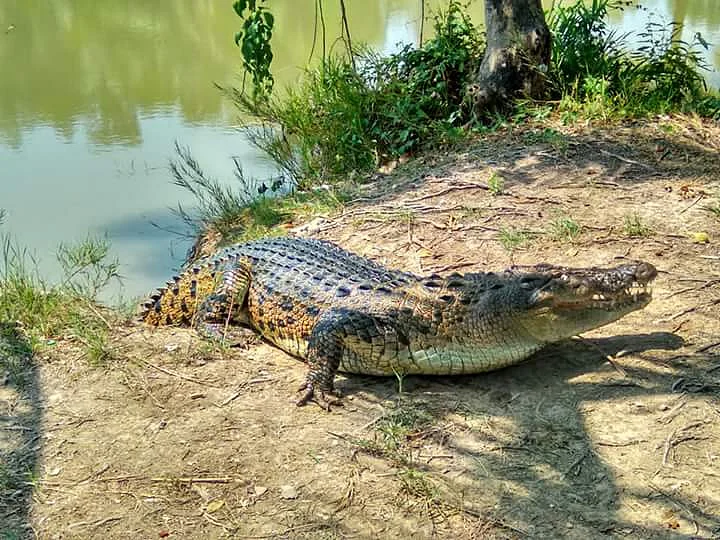
The best way to explore this ecosystem is through a boat safari along its network of tidal creeks and waterways. Keep an eye out for crocodiles basking along the muddy banks, water monitors, spotted deer and a variety of resident and migratory birds. Kingfishers are among the bird species you may spot during your excursion.
Beyond the boat rides, the region is an interesting destination for nature photography and birdwatching. It also offers a different perspective on Odisha, taking visitors beyond its famous temples, beaches and archaeological sites.
Do remember to check the forest department's access regulations before travelling. The park has a seasonal closure from May 1 to July 31 during the crocodile breeding season.
Best time to visit: October to March.
Orchha, Madhya Pradesh: For Riverside Palaces And Bundela Heritage
Not every offbeat getaway needs to involve a remote mountain village or an isolated stretch of coastline. Sometimes, an old heritage town with centuries of history can make for an equally interesting holiday. Orchha in Madhya Pradesh is one such destination.
Founded in the 16th century by Bundela ruler Rudra Pratap Singh, the historic town is located on the banks of the Betwa River. Its landscape is characterised by grand palaces, ornate temples and imposing cenotaphs that reflect the architectural legacy of the Bundela dynasty.
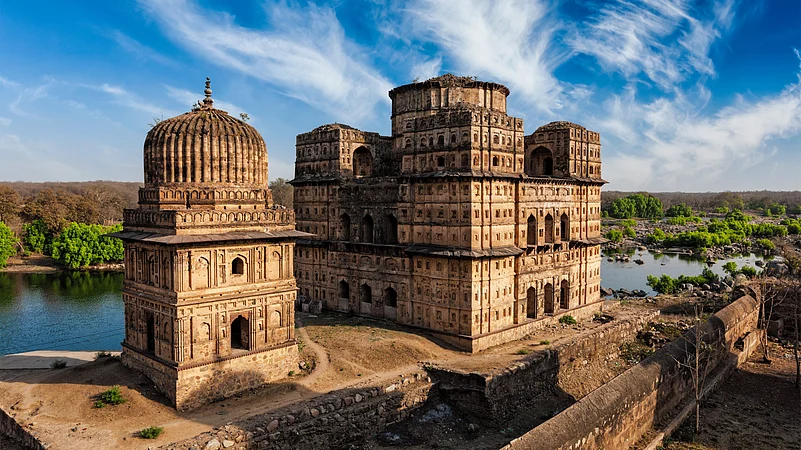
Begin your exploration at the Orchha Fort Complex, which houses the Raja Mahal and Jahangir Mahal. The latter was built to commemorate Mughal emperor Jahangir's visit to the town. You can also visit the Chaturbhuj Temple, known for its striking architecture, and Ram Raja Temple, where Lord Rama is worshipped as a king.
One of Orchha's most recognisable sights is its collection of royal chhatris along the Betwa River. These cenotaphs make for particularly beautiful photographs, especially during the golden hour. If you want to see them from a different perspective, consider a rafting excursion on the river, subject to seasonal conditions.
You can also explore Orchha Wildlife Sanctuary, which offers opportunities for birdwatching and nature walks. The town is conveniently accessible from Jhansi, approximately 16 kilometres away, making it suitable for a short heritage getaway.
Best time to visit: October to March.
Why India's Hidden Destinations Deserve A Place On Your Travel List
Google's 2026 travel trends reveal that the way Indians approach holidays is changing. The growing interest in hidden destinations, outdoor experiences and independent travel suggests that people are becoming more curious about places beyond established tourist circuits.
There is also a practical side to this shift. With searches for one-day trips rising by 130 per cent and interest in wellness travel increasing by 1,600 per cent, travellers are looking for holidays that fit their interests, schedules and budgets.
Whether it is discovering the cultural traditions of Majuli, walking through the Himalayan landscapes of Chaukori or exploring the ancient ruins of Dholavira, there is plenty to see beyond India's familiar holiday destinations. Perhaps your next memorable trip is somewhere you haven't considered yet.
FAQs
1. What are the hidden gems in India worth visiting in 2026?
Some offbeat destinations worth exploring in India include Ziro Valley in Arunachal Pradesh, Majuli in Assam, Tirthan Valley in Himachal Pradesh, Chaukori in Uttarakhand, Dholavira in Gujarat, Bhitarkanika in Odisha and Orchha in Madhya Pradesh.
2. Why are hidden gems searches increasing in India?
According to Google's 2026 travel trends report, searches for "hidden gems India" have increased by 400 per cent. This reflects growing interest in lesser-known destinations, nature-based holidays, cultural experiences and alternative travel options.
3. Which are the best offbeat destinations in India for nature lovers?
Tirthan Valley, Bhitarkanika National Park, Ziro Valley and Majuli are excellent choices for nature enthusiasts. They offer opportunities for trekking, birdwatching, wildlife spotting, river excursions and exploring diverse landscapes.
4. What are some lesser-known cultural destinations in India?
Majuli in Assam is known for its Vaishnavite monasteries, mask-making traditions and Mising culture. Ziro Valley offers insights into Apatani heritage, while Orchha is known for its Bundela architecture and historical monuments.
5. Which offbeat destinations in India are ideal for a short holiday?
Orchha, Chaukori and Tirthan Valley are good options for shorter holidays, depending on your starting point. Orchha is accessible from Jhansi, while Chaukori and Tirthan Valley can be explored through road trips from major towns in Uttarakhand and Himachal Pradesh, respectively.


