

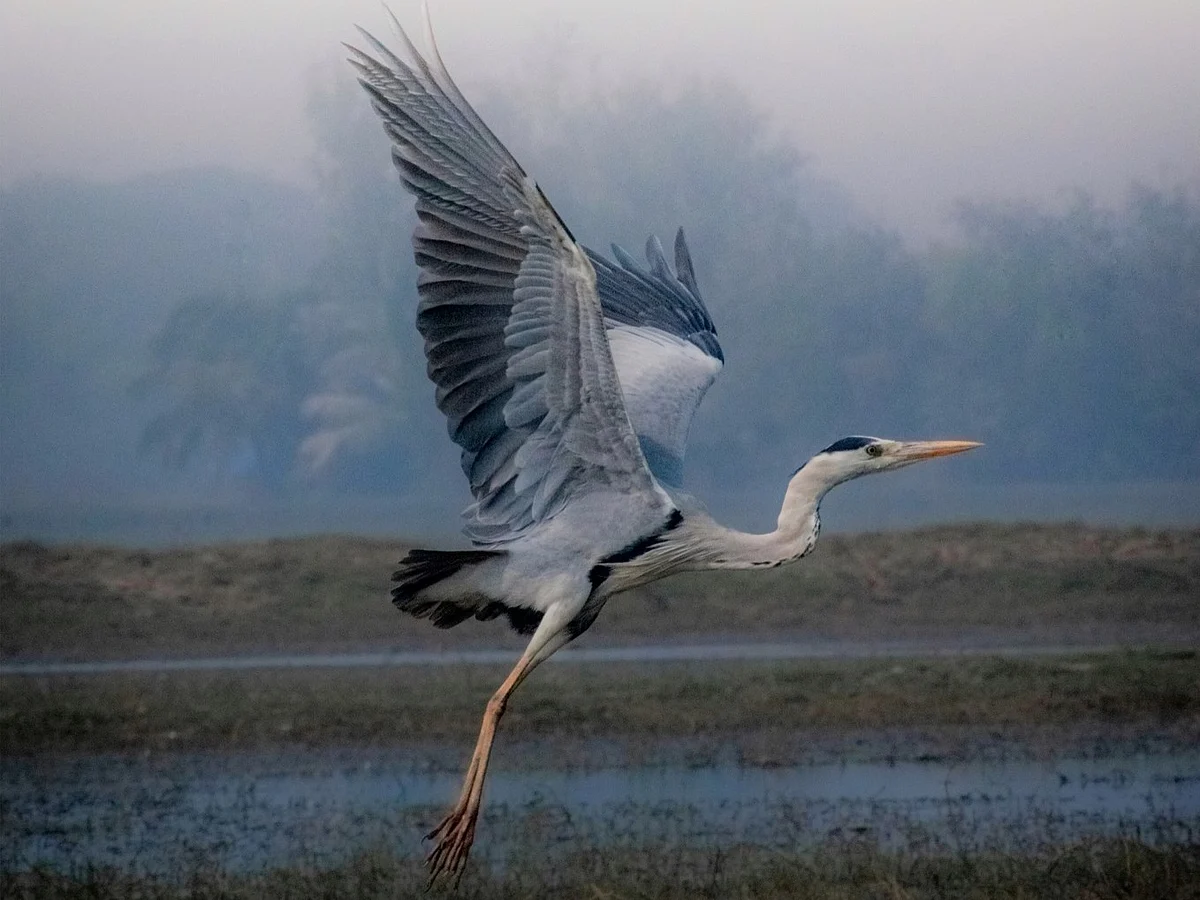
The arrival of winter transforms the wetlands of Mangalajodi into one of India’s most rewarding birdwatching destinations. Set along the north-eastern edge of Chilika Lake in Odisha, this small village is known for its marshes, winding waterways, and remarkable concentration of migratory birds. As winter sets in, thousands of birds make their way here along major migratory routes, turning the shallow waters into a thriving habitat for species from different parts of the world.
Yet, Mangalajodi’s appeal extends beyond its birdlife. It is also an inspiring example of community-led conservation. Once associated with widespread bird poaching, the wetland has witnessed a significant change, with former hunters becoming protectors of the birds they once pursued. Today, visitors can explore this landscape on traditional country boats, accompanied by local guides who know its waterways and wildlife intimately. For birdwatchers, photographers, and travellers looking to experience Odisha’s natural heritage, Mangalajodi makes for an engaging winter getaway.
Discover The Wetlands Of Mangalajodi
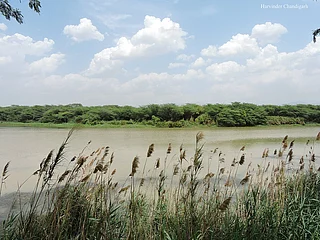
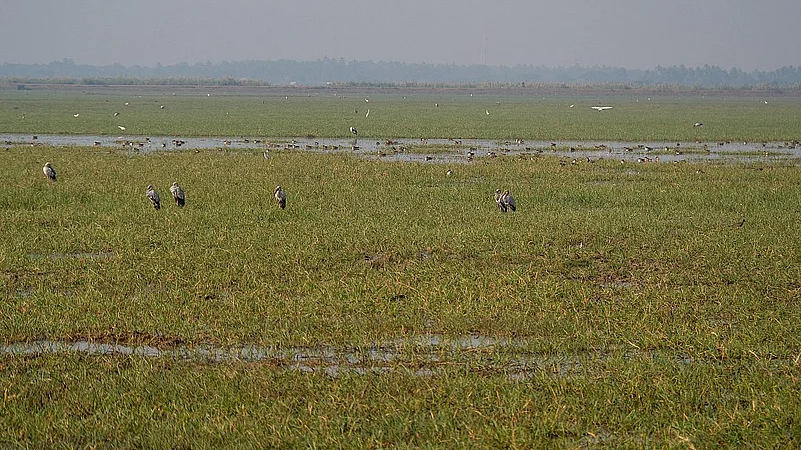
Located approximately 68 km from Bhubaneswar, Mangalajodi is a village on the north-eastern edge of Chilika Lake. Its expansive marshland, shallow water channels, and reed-covered stretches provide an important habitat for resident and migratory birds. During the winter months, the wetland attracts around 150 species of migratory birds, alongside nearly 50 resident species.
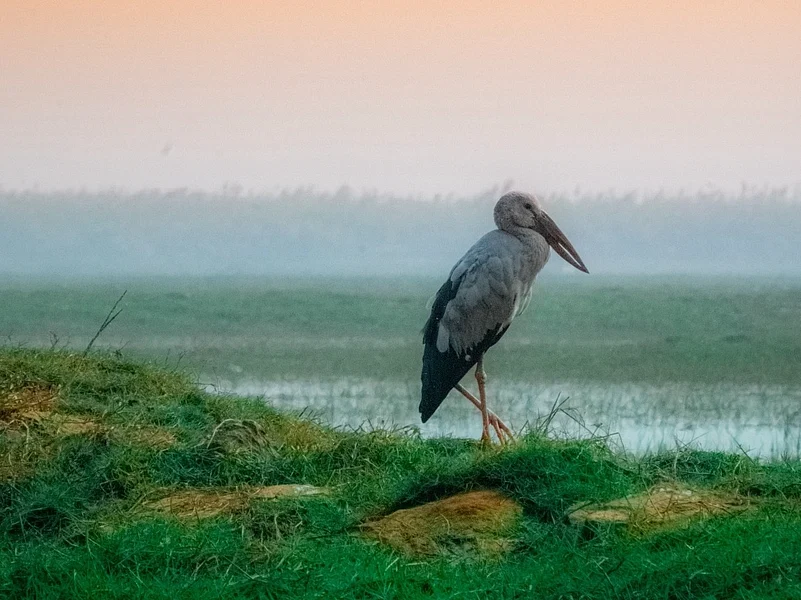
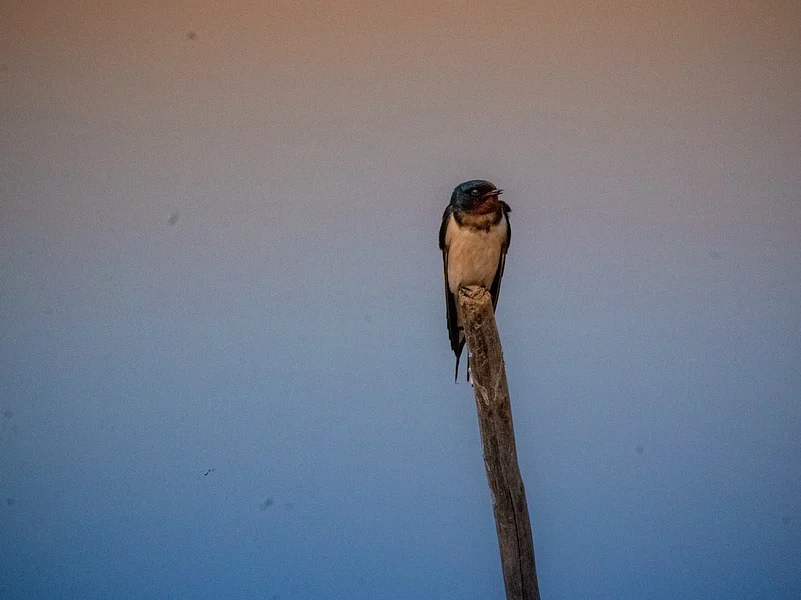
The variety of birdlife is one of the biggest draws. Depending on the season and conditions, visitors may spot waterfowl, waders, raptors, and other wetland species feeding in the shallows, perched among the reeds, or taking flight in large flocks. The experience is particularly rewarding because the birds can often be observed from close range. Traditional boats move through narrow channels and open stretches of water, allowing visitors to explore the habitat without walking through or disturbing the marshes.
The Story Behind Its Conservation

Mangalajodi’s transformation is central to understanding the destination. For years, the wetlands were affected by bird poaching, with hunting posing a serious threat to the migratory populations that visited the area. The community-led conservation movement gradually changed this relationship with the natural environment. Local residents, including former hunters, became involved in protecting the birds and safeguarding their habitat.
Today, the same community plays an important role in the visitor experience. Local boatmen and guides help travellers navigate the wetlands, identify different species, and understand the ecosystem. Their knowledge of the landscape also makes the boat ride more meaningful, offering visitors an insight into the conservation efforts that have helped Mangalajodi emerge as a prominent birding destination. The village demonstrates how involving local communities in conservation can help protect fragile habitats while creating livelihood opportunities through responsible tourism.
Explore Mangalajodi On A Country Boat
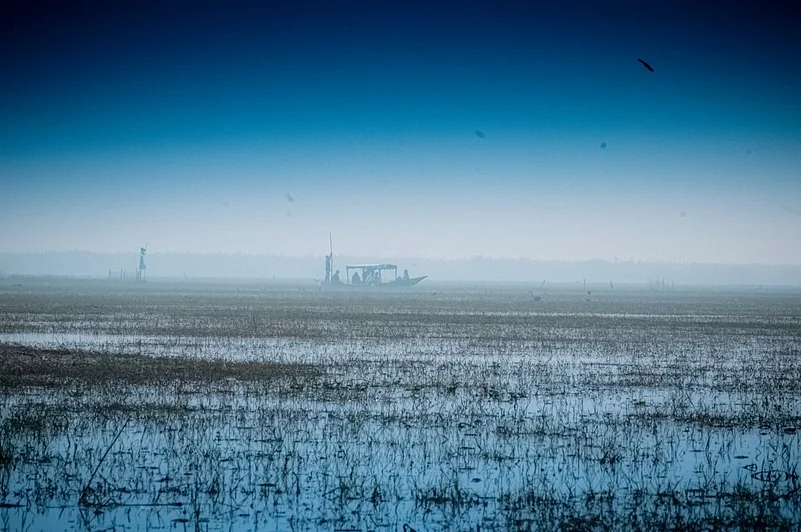
A boat ride is the best way to experience the wetlands. Traditional country boats take visitors through a network of narrow waterways and open marshes, bringing them closer to the birdlife without requiring a long trek through the habitat. A local guide usually accompanies the ride, helping identify species and pointing out bird behaviour that might otherwise go unnoticed. Binoculars and a bird handbook may also be available through the local operators, making the experience accessible to first-time birdwatchers.
A typical outing lasts between 90 minutes and two hours. The boats move at a measured pace, allowing visitors to observe birds feeding, resting, nesting, and taking flight. Patient travellers may also catch glimpses of raptors in action or watch smaller birds manoeuvre through the reeds. The experience is especially suited to photography, although a camera is by no means essential. Simply watching the birds from the water, with the marshland stretching out on either side, is reason enough to make the trip.
When Is The Best Time To Visit?
The most rewarding season to visit Mangalajodi is between November and February, when migratory birds arrive in large numbers. The winter weather is also favourable for spending time outdoors, with relatively comfortable temperatures making boat excursions more enjoyable.
For bird photography, the early morning and late afternoon are generally considered the most suitable periods. Boat rides between 8.30 am and 11 am offer opportunities to photograph birds when they are active, while the period from 2.30 pm to 5 pm brings softer light that can work particularly well for portraits and silhouettes. The harsh overhead sunlight around midday can make photography more challenging. Those primarily interested in the boat ride and the landscape, however, can plan their excursion around their schedule.
How To Reach And Where To Stay
Bhubaneswar is the nearest major transport hub, with the city’s airport and railway station serving as convenient entry points for travellers. From Bhubaneswar, Mangalajodi is approximately 68 km away via National Highway 16. The drive generally takes between one-and-a-half and two hours, depending on traffic and the starting point in the city. Visitors can hire a taxi or arrange a private vehicle for the journey.
Travellers can also look at accommodation options in and around the village, including community-based ecotourism stays. These offer an opportunity to spend more time in the area rather than treating Mangalajodi as a rushed day trip from Bhubaneswar. Visitors should check availability and make reservations in advance, particularly during the peak birding season.
Travel Responsibly Through The Wetlands
Mangalajodi is best explored with patience and consideration for its wildlife. Visitors should avoid loud conversations, sudden movements, or actions that could startle the birds. Following the boatman's instructions and maintaining a respectful distance from the birds are important parts of responsible birding. Photography enthusiasts should carry a camera with a zoom lens, extra batteries, and memory cards, while binoculars can make spotting distant species easier.
Whether the aim is to photograph migratory birds, learn about wetland conservation, or spend a few hours on the water, Mangalajodi offers a rewarding way to experience Odisha’s natural landscapes. Its winter visitors may arrive from faraway continents, but it is the community that has made this wetland a place where they can return year after year.
FAQs
1. Where is Mangalajodi located?
Mangalajodi is a village on the north-eastern edge of Chilika Lake in Odisha, approximately 68 km from Bhubaneswar.
2. What is the best time to visit Mangalajodi?
November to February is the best time to visit, when migratory birds arrive at the wetlands in large numbers.
3. What can visitors do at Mangalajodi?
Visitors can take guided country boat rides through the wetlands, go birdwatching, photograph migratory birds, and learn about local conservation efforts.
4. How much does a boat ride at Mangalajodi cost?
A boat ride has been reported to cost around INR 1,200 for 90–120 minutes, including a boatman and guide. Rates may vary.
5. How can travellers reach Mangalajodi?
The nearest airport and railway station are in Bhubaneswar. Mangalajodi is approximately a 1.5–2-hour drive from the city via NH 16.