
World Environment Day is a reminder that the planet we love to explore deserves more than admiration; it deserves protection. Across India, individuals and organisations are doing the hard, unglamorous work of protecting forests, coastlines, wetlands, and mountains. Some have been at it for decades. This World Environment Day, meet the Indian conservation heroes protecting places we love to travel.
Healing Himalayas


What began as a mountain clean-up has become one of India's most visible environmental initiatives. Healing Himalayas removes waste from Himalayan trails and fragile high-altitude ecosystems, working with local communities and trekkers to change behaviour on the ground. For anyone who has walked these mountains, the work speaks for itself.
Applied Environmental Research Foundation (AERF)
Based in Maharashtra, AERF works with communities living alongside the Western Ghats to protect forests and create livelihoods that do not come at the cost of biodiversity. Their conservation model is built on the understanding that people and ecosystems cannot be managed separately.
Living Root Bridge Foundation

Meghalaya's living root bridges, grown over generations by Khasi and Jaintia communities, are a feat of indigenous ecological knowledge. The Living Root Bridge Foundation works to protect these structures through conservation, community engagement, and sustainable tourism, ensuring that visitor interest does not become a threat.
Dakshin Foundation
Dakshin works across India's coasts and marine ecosystems, bringing together conservation research and coastal communities. Their projects cover everything from sea turtle protection to sustainable fisheries, built on the idea that the people who depend on these ecosystems are best placed to protect them.
Vanashakti
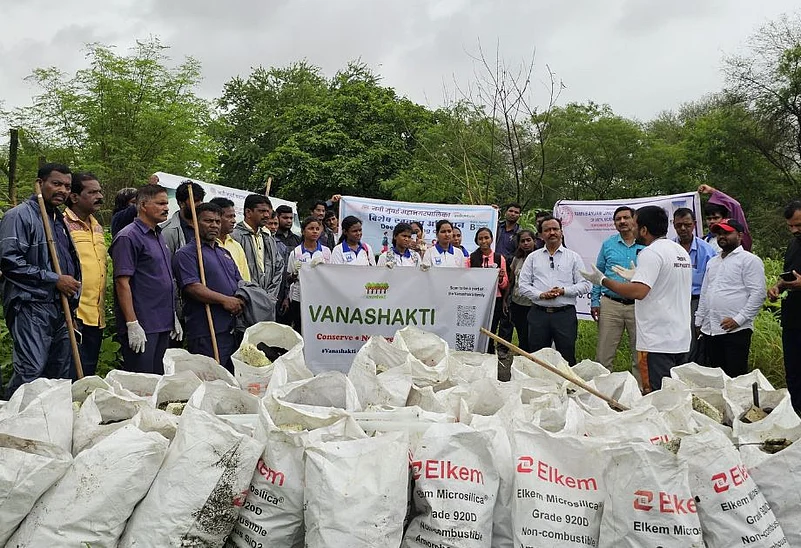
Vanashakti has spent years fighting for Maharashtra's forests, rivers, wetlands, and mangroves through a combination of fieldwork and legal advocacy. They take on decisions that threaten ecosystems and hold institutions accountable, making them one of the more effective environmental watchdogs in the country.
Mokarsagar Wetland Conservation Committee
The Mokarsagar Wetland Conservation Committee has turned Gujarat's Mokarsagar wetlands into a working example of community-led conservation. The wetlands now support thousands of migratory birds each season, largely because local people took ownership of protecting them.
Aman Singh

Founder of the KRAPAVIS movement in Rajasthan, Aman Singh has spent decades protecting sacred Oran forests and restoring traditional water systems. His work puts local communities at the centre of conservation, reviving landscapes that have sustained people and wildlife in the region for generations.
Jibi Pulu

Based in Arunachal Pradesh, Jibi Pulu works to protect the biodiversity of the Eastern Himalayas, one of the most species-rich and least-disturbed landscapes in the country. His approach is rooted in community participation, working with local people rather than around them.
India has no shortage of people doing serious environmental work with little recognition. This World Environment Day, the best thing a traveller can do is learn who they are, support the regions they protect, and make choices on the road that reflect that.
FAQs
1. Who are India's leading conservation heroes?
India's conservation heroes include environmentalists, wildlife protectors, community leaders, researchers and grassroots organisations working to safeguard forests, rivers, wetlands, mountains and biodiversity.
2. Why is conservation important for tourism?
Conservation protects ecosystems, wildlife and cultural landscapes that attract visitors, helping destinations remain sustainable for future generations.
3. What is World Environment Day?
World Environment Day, observed annually on June 5, is a global initiative led by the United Nations Environment Programme to encourage environmental awareness and action.
4. How do conservationists help local communities?
Many conservation projects support sustainable livelihoods, preserve traditional knowledge, improve ecosystem health and create long-term economic opportunities through responsible tourism and environmental stewardship.
5. How can travellers support conservation efforts?
Travellers can support conservation by choosing responsible tourism operators, reducing waste, respecting local ecosystems, supporting community-led initiatives and contributing to conservation programmes when possible.