

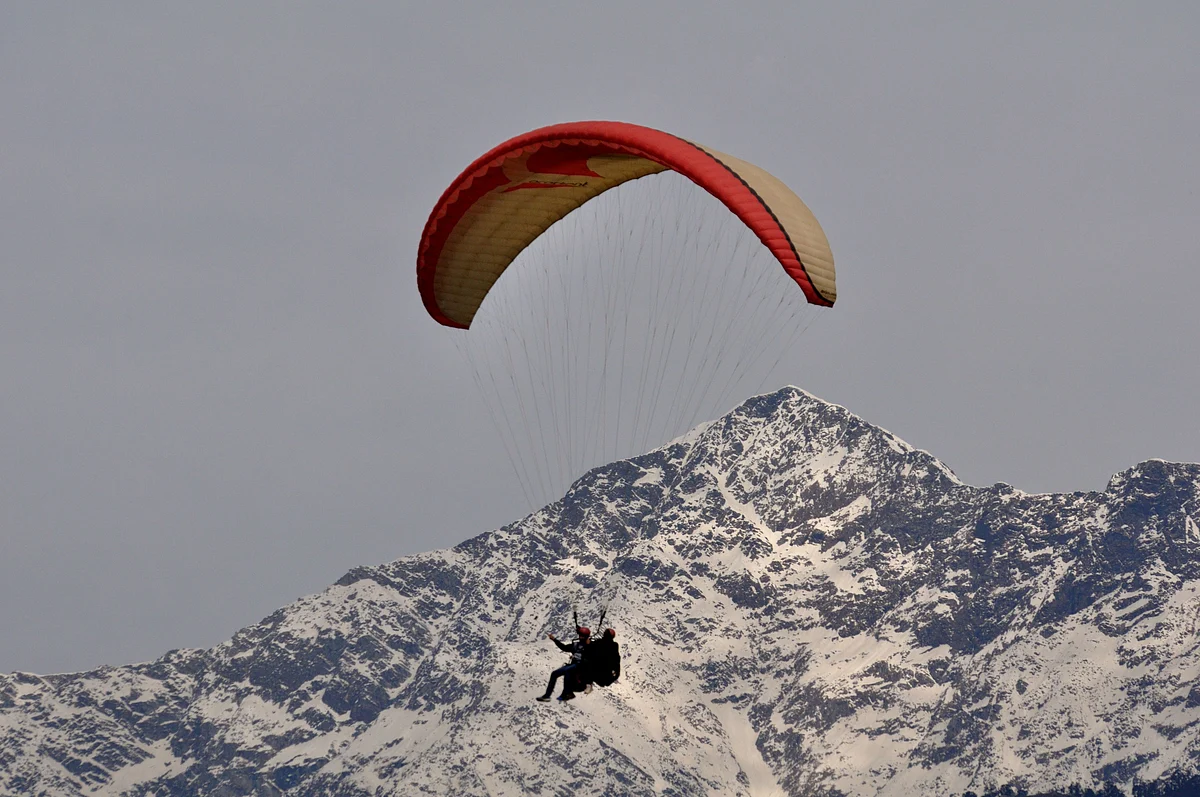
India's adventure tourism numbers have been climbing steadily, and the range of experiences drawing travellers has expanded well beyond what it looked like a few years ago. From high-altitude treks in the Himalayas and white-water rafting in Rishikesh to scuba diving in the Andaman Islands and paragliding in Bir Billing, more Indians than ever are seeking experiences that push them beyond traditional sightseeing. Whether it is bungee jumping, rock climbing, ziplining, canyoning, or multi-day cycling expeditions, travellers today have access to a far broader spectrum of adventure experiences than previous generations. Activities once associated with a small enthusiast community are steadily becoming part of mainstream travel culture.
Social media has played a significant role in that shift, bringing remote trails and high-adrenaline activities into mainstream travel conversation. What has kept pace less consistently is the quality of questions travellers ask before committing to these experiences. Specifically, the safety ones.
Why Adventure Tourism In India Is Growing
The change in what Indian travellers are seeking is fairly pronounced. A segment that once gravitated toward heritage circuits and curated itineraries is now drawn to something more immersive, more personally rewarding. The appeal of returning from a trip with a genuine achievement attached, rather than a set of photographs from well-worn tourist routes, is visibly shaping booking decisions. Adventure travel has moved from a niche category to a mainstream one, and that transition brings its own considerations.

The Safety Questions Every Adventure Traveller Should Ask
The degree of preparation, above all else, dictates the quality of experience that the traveller will have. Individuals who make the effort to inquire regarding qualifications, equipment requirements, and contingency planning will generally have much more fulfilling experiences. This is not a counsel of excessive caution. It is simply the difference between an informed traveller and one who is relying on assumptions.
Weather conditions play a bigger role in adventure travel than most itineraries account for. Across India's varied terrain, conditions can change with little warning, and the gap between a well-timed excursion and a disrupted one often comes down to how seriously a traveller has engaged with forecasts and operator advisories. Flexibility in itinerary planning and a genuine willingness to act on local guidance tend to produce considerably better outcomes.
Travellers also benefit from asking whether an activity demands a particular level of fitness or prior experience. High-altitude trails, open-water diving, and cycle touring for days on end all come with certain requirements that call for a realistic self-appraisal. Travellers who arrive knowing what an activity requires of them and have disclosed relevant medical history to their operator are far better positioned to engage fully with the experience from the outset.
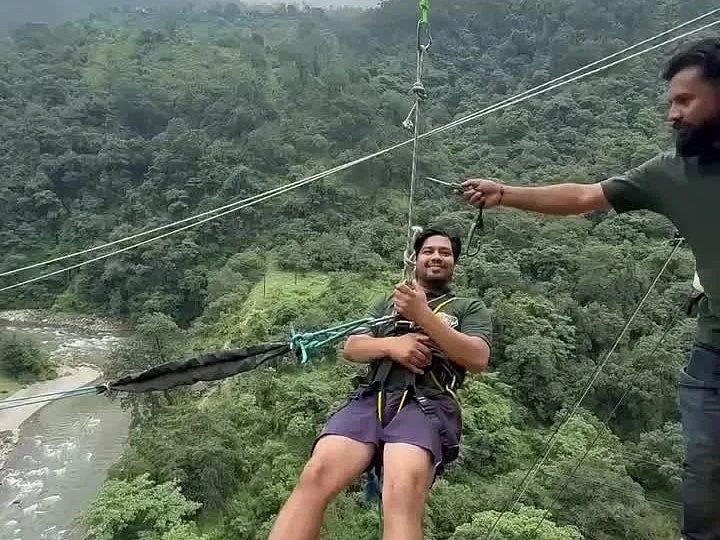
Among travellers with meaningful adventure experience, insurance tailored to the specific activity has long been treated as non-negotiable. Standard policies routinely exclude high-altitude trekking, white-water activities, adventure activities, and similar pursuits. A policy that actually covers what is being undertaken, rather than one that appears adequate until it needs to be used, offers something more valuable than cost savings: it offers genuine peace of mind.
The impact that social media has had on the growth of adventure tourism has been quite significant and, more importantly, mostly positive. It has introduced experiences to people who might never have sought them out and generated excitement about places that deserved it. The preparation seen in the most impressive adventure posts- the training, the acclimatisation, and the expertise of the team behind it all- acts as an underlying hint to what a well-planned adventure actually is.
Safe Adventure Travel Begins Before You Arrive
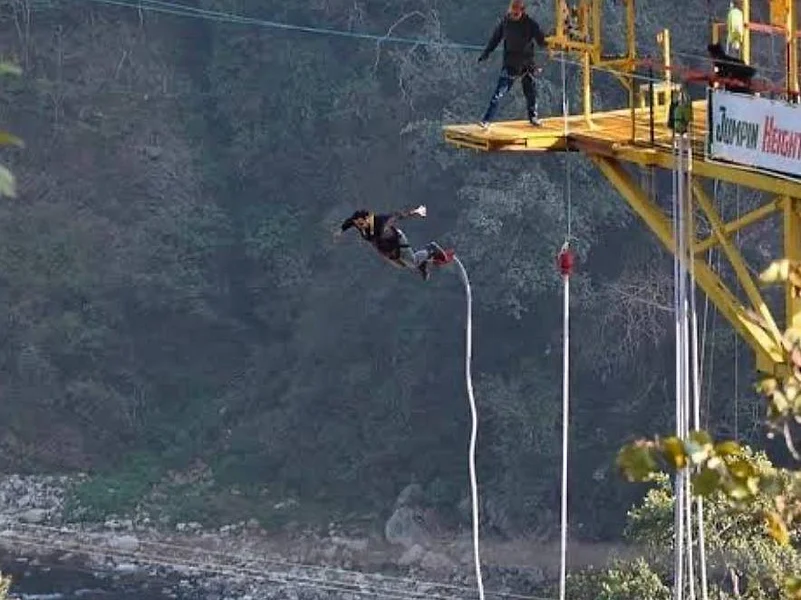
The infrastructure underpinning adventure tourism in India has also developed meaningfully. Operators have professionalised, certification frameworks have taken shape, and emergency response capacity in major adventure destinations has improved. Even for activities such as bungee jumping, where trust in equipment and operating standards is paramount, travellers today are better positioned to ask informed questions than ever before. These developments collectively raise the floor for what a traveller can expect, and they reflect a sector that is maturing with some seriousness of purpose.
A small number of questions, asked before any booking is confirmed, cover most of what matters. These include operator certification, guide qualifications, equipment maintenance practices, and weather contingency planning. None of these requires a lengthy investigation. They simply require the habit of asking.
India's mountains, rivers, coastline, and open skies offer adventure experiences that rank among the finest available anywhere. Travellers who arrive with preparation behind them, select operators who take their responsibilities seriously, and ask the right questions early are simply the ones who get the most out of these experiences, every time.
Niharika Nigam is the managing director of Jumpin Heights.
FAQs
Q1. Why is adventure tourism growing in India?
Adventure tourism is expanding due to increased interest in experiential travel, better infrastructure, improved accessibility, and social media inspiring travellers to explore activities beyond conventional sightseeing.
Q2. What safety questions should travellers ask before booking adventure activities?
Travellers should ask about operator certifications, guide qualifications, equipment maintenance, emergency response protocols, weather contingency plans, and whether the activity matches their fitness and experience levels.
Q3. Is adventure travel insurance necessary in India?
Yes. Many standard travel insurance policies exclude adventure sports. Travellers should choose a policy that specifically covers the activities they intend to undertake.
Q4. How do I choose a safe adventure tour operator?
Look for recognised certifications, experienced guides, transparent safety protocols, regularly maintained equipment, positive reviews, and clear emergency procedures before making a booking.
Q5. What are the most popular adventure activities in India?
Popular experiences include Himalayan trekking, white-water rafting in Rishikesh, scuba diving in the Andaman Islands, paragliding in Bir Billing, bungee jumping, ziplining, canyoning, rock climbing, and cycling expeditions.