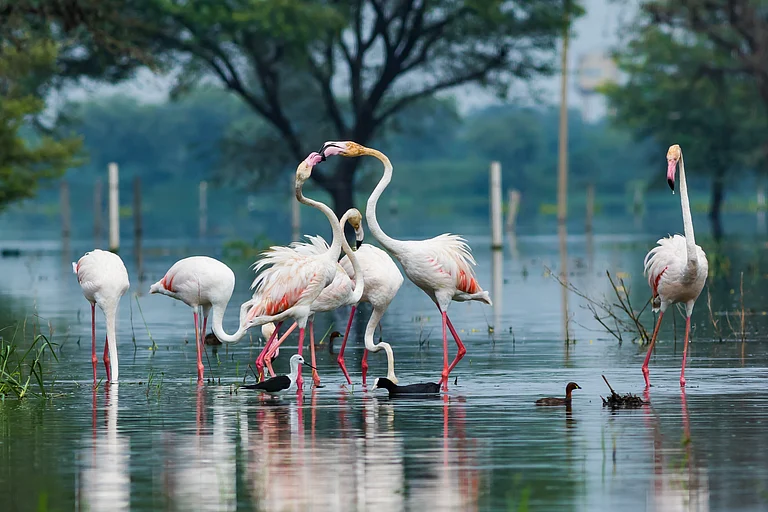
A fresh scientific survey in Kerala’s Vazhachal forests has revealed how little is still known about the wildlife of the Western Ghats. Conducted over four days by the Kerala Forest Department and researchers, the exercise documented 26 species previously unrecorded from the Vazhachal Wildlife Division.
The intensive faunal survey took place in the forests of Vazhachal Wildlife Division in Thrissur district of Kerala from February 26 to March 1. It was organised by the Kerala Forest Department in collaboration with the Travancore Nature History Society.
Nearly 50 biodiversity experts and delegates participated in the exercise along with about 50 frontline forest staff. The teams established 14 field camps across a range of habitats, from dry and moist deciduous forests to dense evergreen ecosystems. Survey sites stretched across elevations from the Malakkappara high forest border to the Chalakudy landscape, allowing researchers to document wildlife in several ecological niches.
Vazhachal Emerges As A Crucial Biodiversity Corridor In The Western Ghats
Scientists adopted a multi-taxa approach to record butterflies, birds, odonates, cicadas, spiders, ants and other faunal groups. The survey eventually led to the addition of 26 species to the wildlife division’s checklist.
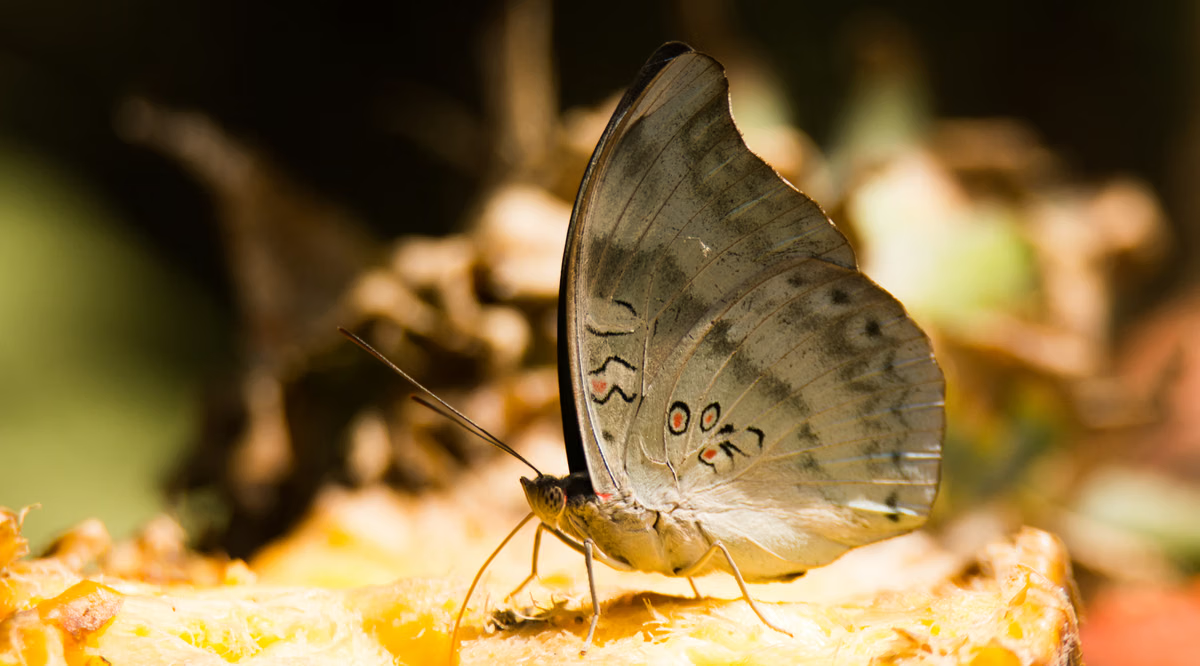
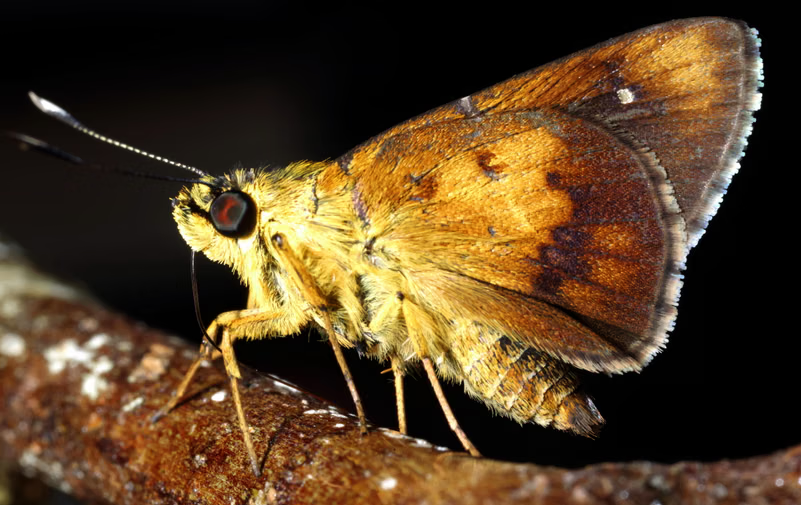
Butterfly diversity stood out during the survey. Researchers recorded 175 butterfly species, including 13 species newly added to the checklist. Among the notable sightings were Angled Sunbeam, Red spot Duke, Acute Sunbeam, Hampson’s Hedge Blue, White-tipped Lineblue, Common Tinsel, and Sahyadri Purple-spotted Flitter.
The teams also observed seasonal butterfly movements, including the migration of Dark Cerulean butterflies and large congregations of Blue Tigers, Dark Blue Tigers, and Crows. Such activity during the dry phase indicates active seasonal dispersal in the forest landscape.

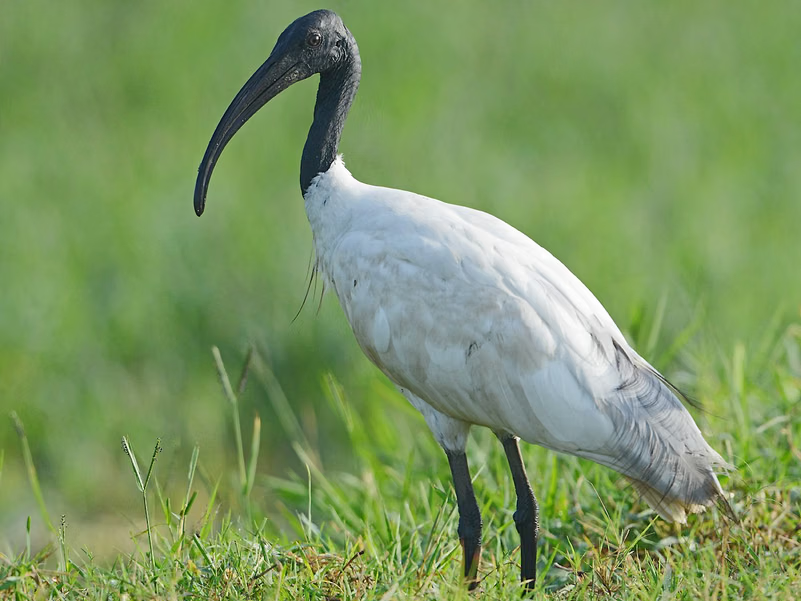
Birdlife in the forests also offered plenty of excitement for the researchers. Over the course of the survey, teams recorded 187 bird species, including 10 that had never before been listed in the division’s records. Among the highlights were sightings of the Black Stork, Black-headed Ibis, Black Baza, Greater Spotted Eagle, Large Hawk Cuckoo, White-bellied Sholakili and the Tree Pipit.
The forests revealed several other striking birds as well. Observers spotted species like the Grey-headed Fish Eagle, Lesser Fish Eagle, Sri Lanka Frogmouth, White-rumped Shama, Grey-bellied Cuckoo and the Blue-eared Kingfisher, each adding to the picture of a thriving bird community.
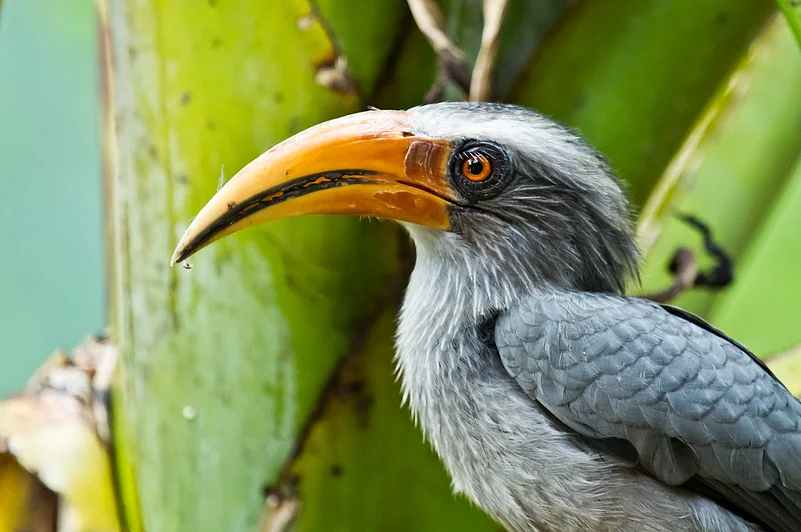
Hornbills were especially noticeable during the survey. Healthy populations of three hornbill species were recorded, namely, the Great Hornbill, the Malabar Grey Hornbill, and the Malabar Pied Hornbill. These frugivorous birds are an important part of forest ecosystems because they disperse seeds, and their presence can indicate the health of the canopy as well as the number of fruiting trees in an area.
Although the survey was conducted in the dry season, the team found a high diversity of odonates, which included both dragonflies and damselflies, with a total of 45 species being recorded. Three of them were new additions to the wildlife division’s checklist: Trithemis pallidinervis, the Asian Emerald Spreadwing Lestes elatus and Caconeura risi.
The survey also revealed remarkable arthropod diversity. Researchers documented 30 species of ants, 33 species of spiders and six species of cicadas.
Large mammals were sighted as well. Field teams reported encounters with tigers, leopards, herds of elephants, the striped-necked mongoose and the endangered lion-tailed macaque.
Each new species added to the checklist deepens scientific understanding of the region and strengthens the case for protecting these forests that continue to sustain an extraordinary web of life.
(With inputs from various sources.)