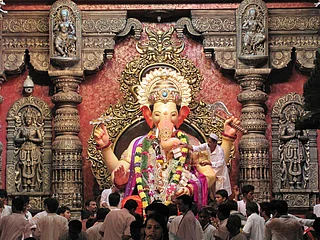
Mount Bromo, situated in East Java, is not only famous for its breathtaking volcanic landscapes but also serves as a sacred site for Indonesia's Tenggerese Hindu community. At the edge of its active crater stands an idol of Ganesha, believed by locals to shield the community from volcanic threats. This shrine is part of a rich tapestry woven from Hindu traditions, mountain rituals, and centuries of devotion. From the enchanting Sea of Sand and Pura Luhur Poten to the vibrant Yadnya Kasada ceremony held annually, Bromo immerses visitors in the region's vibrant living heritage. Discover the significance of the Ganesha idol and the meaningful traditions that surround it; it's an experience you won't want to miss.
Meet The Hindu Community Of Mount Bromo


The story of the Ganesha idol is closely linked to the Tenggerese people, a Hindu community residing in the highlands around Mount Bromo. Their traditions have evolved over generations, blending Hindu beliefs with local customs and influences from Mahayana Buddhism. The community worships Ida Sang Hyang Widhi Wasa as the supreme deity, alongside Brahma, Vishnu, and Shiva. Religious rituals follow the traditional Hindu calendar, with ceremonies playing a crucial role in community life. For travellers, Mount Bromo offers more than just a scenic destination; it provides a glimpse into a unique Hindu culture that has flourished in the highlands of East Java.
Mount Bromo gets its name from Brahma, one of the principal deities of the Hindu Trimurti. The name is the local Javanese form of Brahma, reflecting the mountain’s deep ties to Tenggerese Hindu traditions. Rising 2,329 metres, Bromo is an active volcano within Bromo Tengger Semeru National Park. For the Tenggerese, it is a sacred mountain; for travellers, it is also one of East Java’s most recognisable natural attractions. Its religious significance and volcanic landscape come together to give Bromo a distinct cultural character.

At the foot of Mount Bromo lies Pura Luhur Poten, an important Hindu temple for the Tenggerese community. The temple is situated in the vast volcanic plain known as the Sea of Sand, or Segara Wedi. Constructed from dark volcanic stone, Pura Luhur Poten seamlessly blends into the rugged landscape that surrounds it. The temple plays a significant role during Yadnya Kasada, During this ritual, Tenggerese devotees gather to pray and make offerings that reflect their faith and traditions. For visitors exploring Bromo, the temple provides an opportunity to experience the cultural aspect of the mountain, away from the more commonly visited tourist viewpoints.
When Offerings Are Taken To The Crater

Yadnya Kasada is one of the most important annual ceremonies for the Tenggerese Hindu community. This ritual is held according to the traditional calendar and involves devotees carrying offerings to the crater of Mount Bromo. These offerings can include fruits, vegetables, flowers, livestock, and money, which are presented as prayers for blessings, safety, and prosperity. The ceremony is linked to the traditional story of Roro Anteng and Joko Seger, key figures in the origins of the Tenggerese people. While the event attracts many visitors, it serves as a significant religious occasion for the community. It also highlights the deep connection between the Tenggerese people and the mountain, which is rooted in their faith, traditions, and daily life.
Bromo Is A Traveller’s Favourite For More Than One Reason

The spiritual side of Mount Bromo is only one part of its appeal. Travellers come to the national park for its volcanic terrain, sunrise views and walks around the crater. Many begin their journey from Cemoro Lawang, a mountain village that serves as one of the main gateways to Bromo. Visitors can explore parts of the area on foot or join organised jeep tours, depending on current conditions and regulations. The Ganesha idol and Pura Luhur Poten add a cultural layer to the journey, allowing travellers to understand the traditions behind the landscape. Together, the volcano, temple and surrounding mountains make Bromo an experience that goes beyond a standard sightseeing stop.
Remember, Bromo Is Still An Active Volcano

For all its cultural and natural appeal, Mount Bromo remains an active volcano, and conditions can change. Access to the crater and surrounding areas may be restricted depending on volcanic activity and instructions from Indonesian authorities. Visitors should check the latest updates before travelling and follow all park and safety regulations once there. The crater area can be hazardous when volcanic activity increases, so access should never be treated as guaranteed. The Ganesha idol is part of a landscape where faith and an active geological force exist side by side. That is perhaps what makes the site so intriguing.
How To Reach: Fly into Surabaya or Malang, then travel by road towards Bromo. The most popular approach is via Probolinggo and Cemoro Lawang, from where jeeps take visitors into the volcanic landscape.
With striking volcanic landscapes, unforgettable sunrise views and rich Tenggerese traditions, Mount Bromo is a destination worth travelling to for nature, culture and adventure.
FAQS
1. Why is there a Ganesha idol at Mount Bromo?
The idol is associated with the Tenggerese Hindu community, for whom Mount Bromo is a sacred mountain. Local belief holds that Ganesha protects the community from volcanic danger.
2. Is Mount Bromo an active volcano?
Yes. Mount Bromo is an active volcano in Indonesia’s Bromo Tengger Semeru National Park.
3. Who are the Tenggerese?
The Tenggerese are a Hindu community living around the Bromo region. Their traditions include the annual Yadnya Kasada ceremony, during which offerings are taken to Bromo’s crater.
4. How do you reach Mount Bromo?
Travellers can reach Bromo from Surabaya or Malang, with routes leading through gateways including Cemoro Lawang, Wonokitri and other access points. From the gateway areas, jeep transport is commonly used to reach the volcanic landscape.
5. What is Mount Bromo famous for?
Mount Bromo is known for its volcanic landscape, sunrise views, crater and the cultural traditions of the Tenggerese community.