

Sixty metres beneath the arid plains of Namibia’s Otjozondjupa Region, the desert gives way to something entirely unexpected. Under a landscape of heat, dust, and long horizons lies a hidden world—an immense flooded chamber known as Dragon’s Breath Cave. Within its depths sits the largest known non-subglacial underground lake on Earth, a vast body of water stretching into darkness beyond the reach of sight or easy measure.
First found in 1986, the cave has stayed firmly out of reach ever since. It sits on private farmland, off-limits, and protected. What lies below isn’t just unusual because of its scale, but because it’s been left alone for so long—a sealed underground system where life has carried on in total darkness, cut off from anything happening on the surface above.
Why It’s Called “Dragon’s Breath”
Namibia's Dragon’s Breath Cave takes its name from the warm, humid air that rises through its narrow entrance. When barometric pressure drops, this rising air meets the cooler desert air at the surface and condenses into a visible, steamy mist. The effect is striking and immediate—vapour spilling from the ground in a way that resembles the mythic image of a dragon exhaling through the earth.


Life In The Dark Lake
Inside the underground lake, there is no light at all, and nothing grows in the usual sense. Without sunlight, there’s no photosynthesis to drive the system. Instead, life is sustained by whatever finds its way in from above—most notably bat guano dropping into the water and becoming the base of the food chain below.
Sightless white prawns (Trogloleleupia dracospiritus), named for their ghostly appearance and often translated as “spirit of the dragon”, fully adapted to permanent darkness.
Golden cave catfish (Clarias cavernicola), a highly endangered species and among the most isolated fish on Earth, surviving in one of the planet’s most extreme aquatic environments.
Exploration And Accessibility
Entry begins through a narrow vertical shaft, around 60 by 40 centimetres, dropping steeply into the rock. It is a confined descent that requires specialist caving gear and precise technique.
Diving conditions inside Dragon’s Breath Cave are extreme. The water is clear but entirely lightless, and the depths involved mean long decompression times, limiting how far exploration can safely go.
Mapping has combined diver-led exploration with remote technology, including submersibles such as Stone Aerospace’s “Sunfish”, used to trace and chart the submerged tunnels.
Access is strictly controlled. The cave lies on private land and is closed to tourism. While there is occasional debate about opening it more widely, conservationists argue that continued restriction is essential to protect its fragile system from disturbance.
How The Cave Has Been Studied
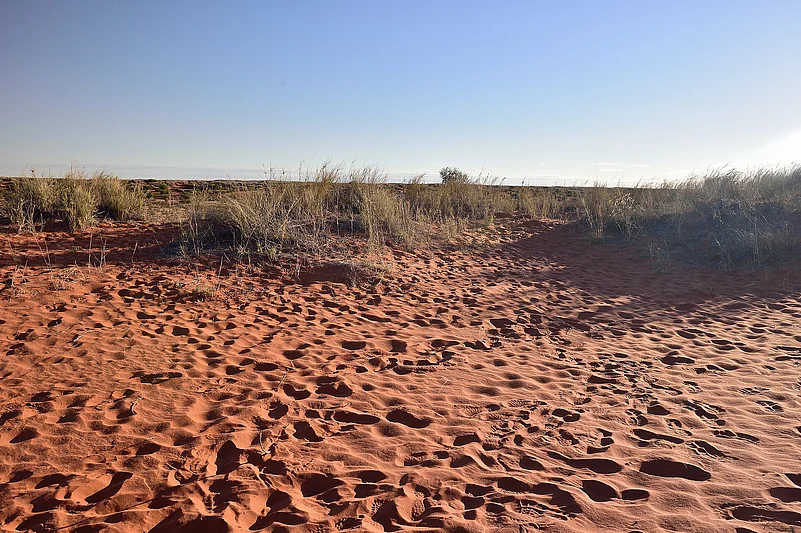
Much of what is known about Dragon’s Breath Cave comes from a handful of difficult expeditions into one of the Kalahari’s most remote subterranean systems. The most compelling accounts tend to focus on the human descents and the development of robotic exploration techniques used to map its submerged depths.
"Dragon’s Breath: Technically Speaking" by Don Shirley — a detailed technical breakdown by a deep-diving expert, examining the cave’s hydrology and the speleological conditions that make exploration so demanding.
"SUNFISH® Dragon’s Breath Expedition 2019" (Reel Water Productions) — a short documentary covering the Stone Aerospace mission in which technical divers worked alongside the SUNFISH autonomous underwater vehicle to produce high-resolution 3D maps of the lake’s interior.
Good To Know
Dragon’s Breath Cave is not open to visitors, and access is tightly controlled due to its location on private farmland and the need to protect its fragile underground environment.
Permissions: Entry is strictly by permission only, granted by private landowners and often requiring approval from the National Heritage Council of Namibia.
Conditions: Inside, temperatures remain around 25 degrees Celsius with near 100 per cent humidity. While the water is exceptionally clear, depths are believed to exceed 200 metres, making exploration highly technical and reserved for experienced cave diving teams with specialist equipment.
Around The Otjozondjupa Region

Travellers passing through the Otjozondjupa Region often combine the journey with stops at some of northern Namibia’s most distinctive natural and historical sites, typically reached by self-drive routes or regional flights via Grootfontein or Tsumeb.
Lake Guinas — About 100 km west, near Tsumeb. A deep, spring-fed sinkhole lake known for its clear blue water. It is popular with experienced divers and photographers, and offers one of the most striking freshwater settings in the region.
Hoba Meteorite — Roughly 60 km south of Dragon’s Breath Cave near Grootfontein. The largest intact meteorite on Earth, weighing over 60 tonnes, it sits exposed where it fell, allowing visitors to stand beside a fragment of deep space.
Otjikoto Lake — Around 80 km away, this pear-shaped sinkhole holds a layered history. During World War I, German forces reportedly disposed of weapons and artillery here. It is now known for technical wreck diving under permit.
Etosha National Park — Roughly 2–3 hours from the region, one of Namibia’s major wildlife reserves. Self-drive safaris and guided drives offer sightings of elephants, lions, rhinos, and giraffes around the vast Etosha salt pan.
FAQs
Where is the cave located?
It lies in Namibia’s Otjozondjupa Region, on private farmland north of Grootfontein.
How deep is the underground lake?
The lake is believed to exceed 200 metres in depth, though parts remain unmapped.
Why is it so difficult to explore?
Entry involves a narrow vertical shaft and extreme cave diving conditions, including total darkness and long decompression requirements.
What makes the ecosystem unique?
It is completely cut off from sunlight and surface life, with species adapted to permanent darkness.
What nearby attractions can tourists visit?
Yes. Sites such as Hoba Meteorite, Lake Guinas, and Etosha National Park are commonly visited in the same region.