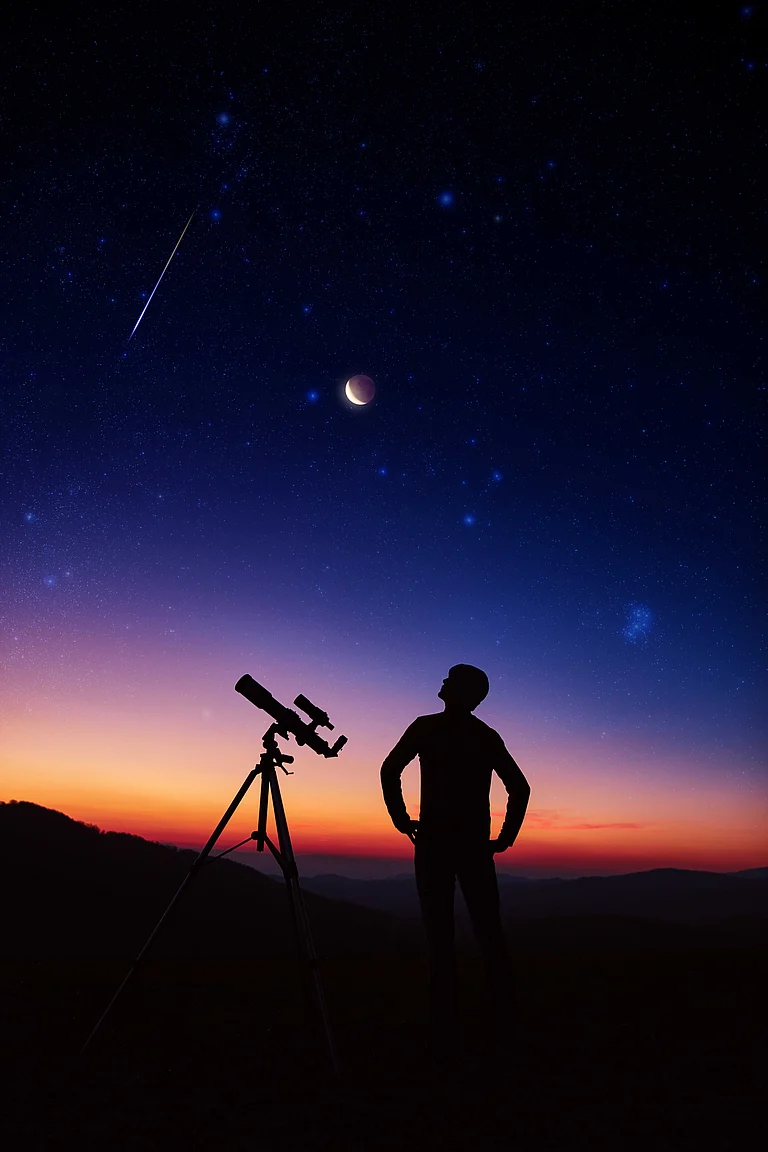


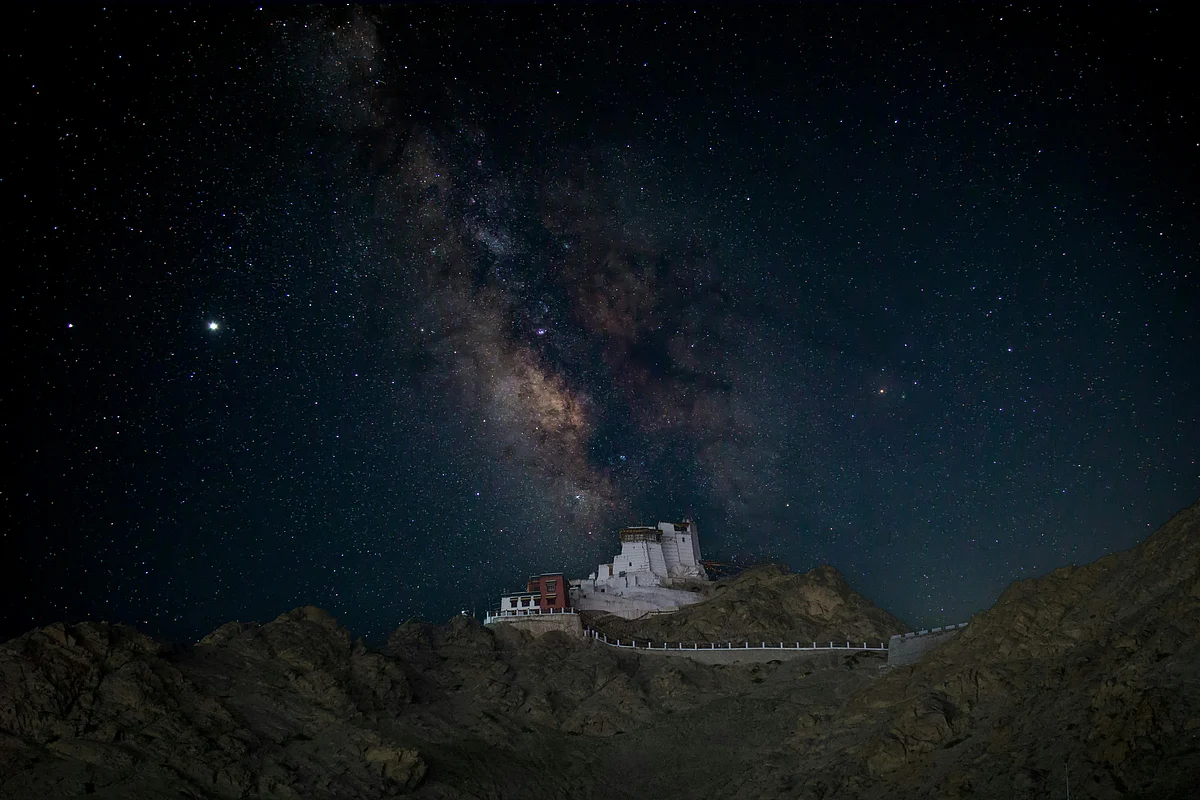
Every August, the night sky stages one of its most anticipated celestial spectacles, the Perseid meteor shower. Active annually from mid-July to late August, the shower reaches its peak this year on the nights of August 12 and 13, 2026, when observers under dark, clear skies could see up to 50–100 meteors an hour. The best viewing is typically between midnight and the hours before dawn, when the radiant, the point from which the meteors appear to originate in the constellation Perseus, rises higher in the sky.
The Perseids occur when Earth passes through the trail of dust and debris left behind by Comet Swift-Tuttle. As these tiny particles enter the atmosphere at tremendous speeds, they burn up and create brilliant streaks of light, often accompanied by bright fireballs that make the Perseids one of the year's most rewarding meteor showers.
For travellers, the annual event has become more than an astronomical phenomenon; it is increasingly a reason to escape light-polluted cities in search of pristine night skies. Astro-tourism continues to gain momentum, with Booking.com's Travel Trends 2026 report revealing that 45 per cent of Indian travellers are interested in nature-focused holidays centred on stargazing.
Whether it's a remote Himalayan village, a subtropical island or a secluded beach, the right destination can transform a meteor shower into an unforgettable journey. Here are six Asia-Pacific destinations where you can experience the Perseids at their finest.
Hanle, India
Hanle, home to India’s first Dark Sky Reserve, sits high in Ladakh’s remote Changthang region, where the skies are incredibly clear. The village is home to one of the world’s highest astronomical observatories and is known for its dark skies, low light pollution, and wide Himalayan views. These features make it one of the best places in India to see the Perseids Meteor Shower. Staying at a local homestay lets you enjoy Ladakhi hospitality close to the best stargazing spots.
Lazarus Island, Singapore
Lazarus Island is just a short ferry ride from Singapore’s busy mainland, but it feels far from the city. Its quiet beaches and open horizons make it a surprising spot to watch the Perseids, showing you don’t need to go far to find dark skies. Stay overnight in an eco-friendly glamping tent and fall asleep under the stars.
Alishan, Taiwan
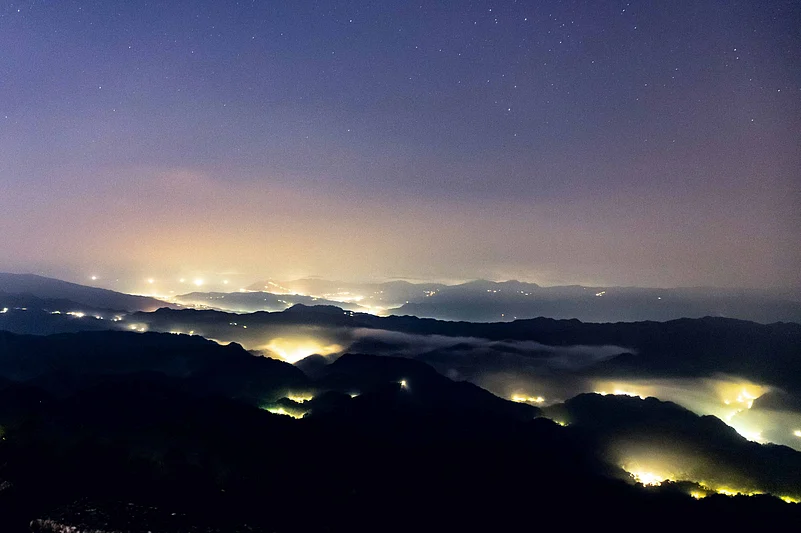

Alishan is known for its misty forests, mountain peaks, and high viewpoints. Far from big cities, this area’s high altitude is perfect for watching the night sky. During the Perseids, meteors streak across dramatic mountain views, and places to stay near the Alishan National Forest Recreation Area give you easy access to viewing decks.
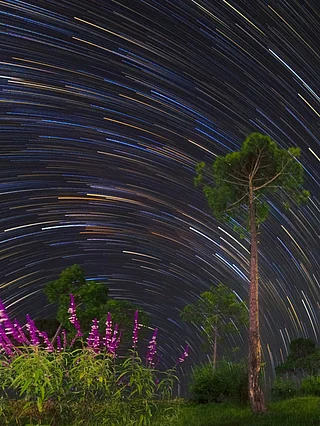
Khao Yai National Park, Thailand
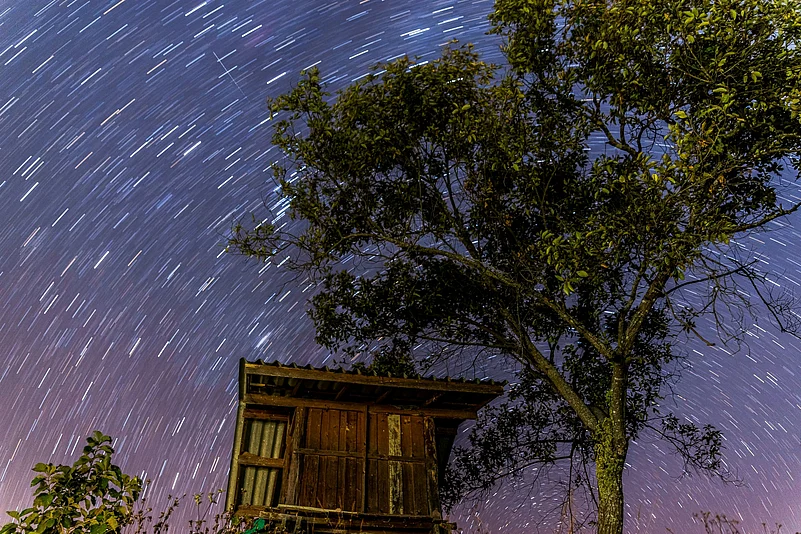
Khao Yai National Park is just a few hours from Bangkok and is a great place to find dark skies in Thailand. Its wide natural landscapes, high viewpoints, and low light pollution make it a leading spot for watching meteors. You can stay at a nature resort or in a safari-style tent on the edge of the park and enjoy both the night sky and the peaceful wilderness.
Ishigaki Island, Japan
Ishigaki Island in Okinawa Prefecture combines subtropical scenery with very dark skies. Far from Japan’s big cities, the island has great visibility for meteor showers. You can watch the Perseids with clean beaches and the crystal-clear water in the background. Beachfront villas and traditional ryokans on the north coast give you clear views of the night sky from your room.
Baa Atoll, Maldives
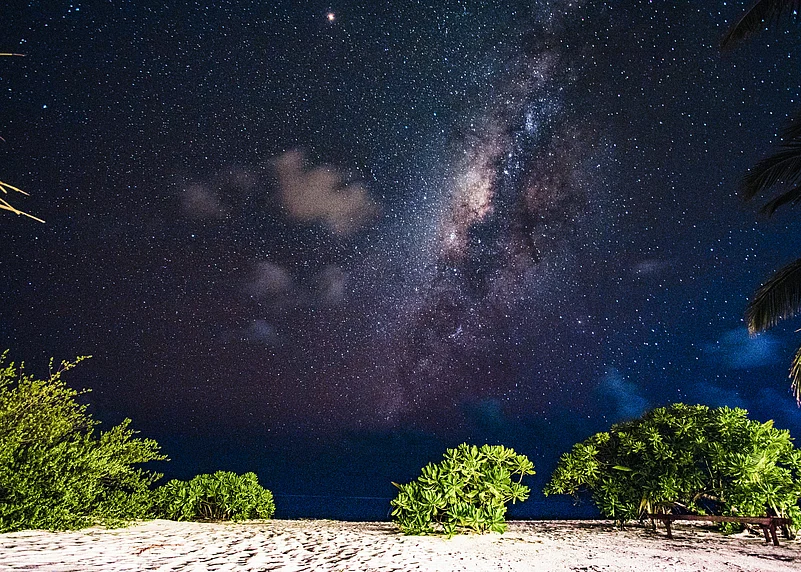
Baa Atoll has almost no light pollution and wide views over the Indian Ocean, making it perfect for stargazing. Its spot near the equator means you get big night skies, and sometimes you can see meteors reflected on the water. Whether you watch from an overwater villa, a private beach, or a lounge with a telescope, the Perseids are just as much about the beautiful setting as the meteor shower itself.
For those willing to trade bright city lights for clear night skies, the Perseids Meteor Shower offers more than just a quick show. It urges you to slow down, look up, and enjoy some of the Asia-Pacific’s most amazing places after dark.
FAQs
1. When is the best time to watch the Perseids Meteor Shower in 2026?
The Perseids peak every August, typically producing the most visible meteors in the pre-dawn hours. Checking the exact peak dates for 2026 closer to the time will help you plan your trip around the darkest, clearest nights.
2. Which Asia-Pacific destination is best for beginners to stargazing?
Khao Yai National Park in Thailand is a great starting point since it's just a few hours from Bangkok, offers dark skies, and has resort-style accommodations with easy access for first-time stargazers.
3. Do I need special equipment to watch the Perseids?
No special equipment is required — meteor showers are visible to the naked eye. However, a reclining chair, warm clothing (especially at high altitudes like Hanle), and patience for your eyes to adjust to the dark will improve the experience.
4. Why is Hanle considered special for stargazing in India?
Hanle is home to India's first Dark Sky Reserve and one of the world's highest astronomical observatories, offering minimal light pollution and wide Himalayan views that make it ideal for meteor watching.
5. Can I combine a beach holiday with meteor shower viewing?
Yes. Destinations like Lazarus Island (Singapore), Ishigaki Island (Japan), and Baa Atoll (Maldives) let you enjoy beach settings alongside dark, clear skies — perfect for combining relaxation with astro-tourism.