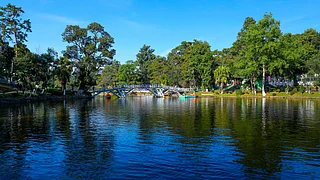


Tucked away in the East Jaintia Hills of Meghalaya, Krem Liat Prah holds the title of South Asia’s longest natural cave, with passages running for roughly 34 kilometres. It’s basically an underground adventure playground, famous for its huge “Aircraft Hangar” chamber, twisty maze-like corridors, and tough routes that pull in experienced cavers looking for a real test of stamina and nerve.
Why You Should Visit
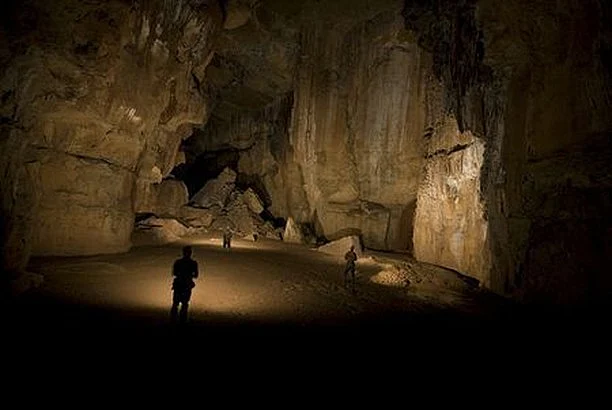
The “Aircraft Hangar”: This is the cave’s showstopper. A gigantic trunk passage so wide and high it’s been named after a man-made aircraft hangar—stepping into it feels surreal.
Epic scale: With more than 34 kilometres of explored passages (and still being mapped), the cave delivers a proper “lost world” vibe that keeps getting bigger with every new survey.
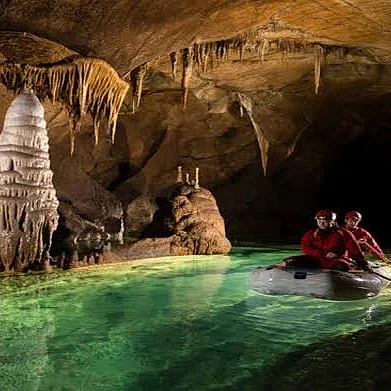
Stunning geological formations: Go deeper in and the cave starts to feel otherworldly—stalactites and stalagmites formed over millions of years, with cold, clear underground streams snaking through the darkness.
Raw thrill: This isn’t your neatly lit tourist cave. It’s proper caving territory—wading through water, squeezing through narrow gaps, and picking your way across rough, unpredictable underground terrain that keeps you on your toes.

The Legends Of The Cave
In Khasi, krem just means cave, but Krem Liat Prah carries a lot more than a geological tag. Local folklore mixes Khasi-Jaintia beliefs with the sheer scale of its underground world, and there are stories of it being used for rituals and gatherings in the past, with the big echoing chambers said to still hold traces of those times.
Cave of the Tiger: In local tales, Liat Prah is linked to tigers, spirits, and other creatures that are believed to have moved through its dark, maze-like passages.
Sacred spaces: Parts of the cave are said to have been used for rituals and community gatherings, especially in times of need or change.
Old echoes: Even now, there’s a sense in the stories that the cave remembers—something that asks visitors to move through it with care and respect.
Exploration And Mapping Expeditions
Krem Liat Prah has been explored and mapped through the ongoing Caving in the Abode of the Clouds Expedition, led by the Meghalaya Adventurers’ Association (MAA) along with international cavers.
Expedition background: A joint effort between Indian cavers, especially the MAA, and explorers from Europe and the Middle East, working together to chart Meghalaya’s vast underground networks.
What they’re doing: The team focuses on mapping, measuring, and documenting the complex limestone and sandstone cave systems hidden beneath the hills.
Growing discoveries: The system keeps expanding as new connections are found with nearby caves. The wider exploration has also revealed hundreds of caves across the region, including Krem Puri and Lungchung Khur.
Planning Your Visit
Krem Liat Prah sits near Shnongrim and Larnai in East Jaintia Hills, about 120 km from Shillong and a short drive from Jowai. The landscape around here has seen its share of coal and limestone mining, which is why there’s been a steady push to keep tourism careful and low-impact.
Location: Shnongrim Ridge, East Jaintia Hills, Meghalaya (around 120 km from Shillong, close to Jowai).
Best time to visit: September to May is the safer bet. Come monsoon (June–August), heavy rain can flood sections of the cave fast, making entry risky.
Good to know: This isn’t a walk-in cave—local guides and proper caving gear are essential if you’re planning to explore safely.
Responsible travel: Stick to eco-friendly practices and local guidance to help protect the fragile karst landscape and surrounding communities.
FAQs
Is Krem Liat Prah open to regular tourists?
Not really. It’s a serious caving site, so access is usually limited to experienced cavers with proper permits and local guides.
Why is Krem Liat Prah famous?
It’s known for its massive “Aircraft Hangar” chamber, complex underground passages, and its status as one of the largest cave systems in the region.
How long is Krem Liat Prah?
It stretches over 34 km, making it the longest known cave in India and South Asia.
Where is Krem Liat Prah located?
It is in the East Jaintia Hills of Meghalaya, near Shnongrim and Larnai villages, around 120 km from Shillong.
What is the best time to visit?
September to May is ideal. The monsoon months (June–August) can flood sections of the cave and make exploration unsafe.