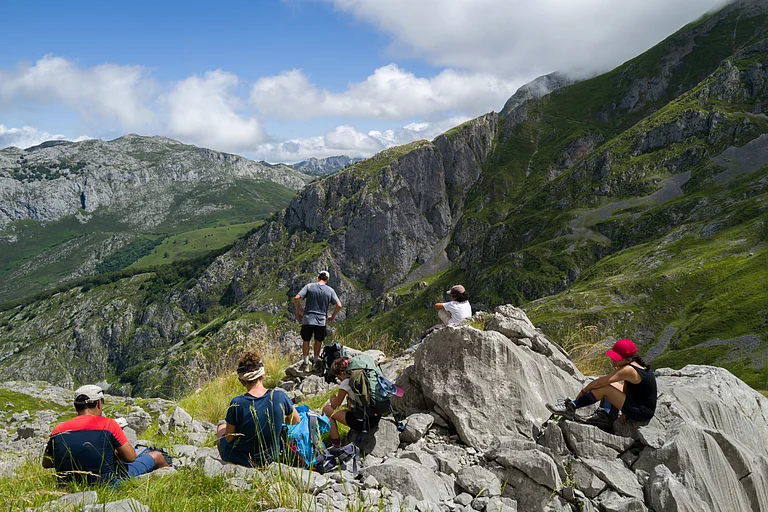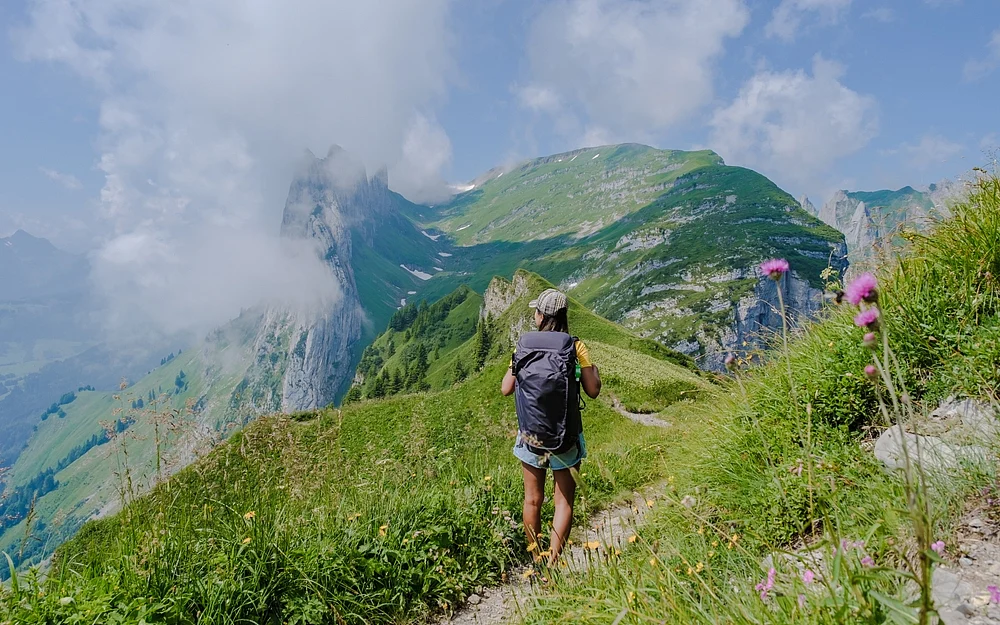
Imagine beginning your morning on Poland's windswept Baltic coast and, months later, ending your journey beside the Adriatic Sea in Italy, having crossed forests, medieval towns, alpine passes and some of Europe's most celebrated mountain landscapes entirely on foot. That is the promise of the Wolf Trail, a newly established long-distance hiking route that stitches together nearly 3,500 km of existing trails across six European countries. Designed for experienced walkers and long-distance backpackers, it offers a continuous journey through Poland, Germany, Austria, Switzerland, Slovenia, and Italy, turning what were once separate hiking routes into one ambitious cross-continental adventure.
The trail arrives at a time when slow travel continues to gain momentum. Instead of racing between capitals on trains or flights, the Wolf Trail encourages travellers to experience Europe one step at a time, stopping in villages, sleeping in mountain huts, restocking in local towns and discovering landscapes that often remain outside conventional itineraries. While completing the entire route demands months of commitment, the trail has also been designed in sections, making it accessible to hikers who want to experience only a part of the journey.
A Journey From Two Seas
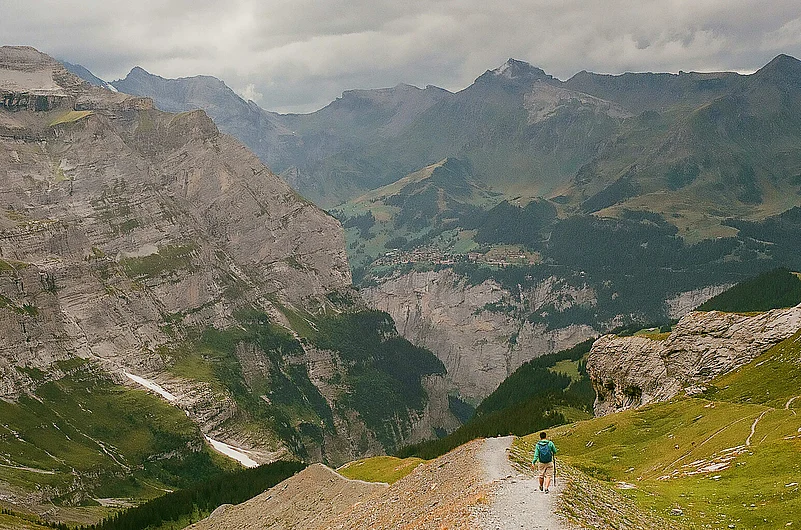

Stretching 3,494 km from the Hel Peninsula on Poland's Baltic coast to the port city of Trieste on Italy's Adriatic shoreline, the Wolf Trail connects six countries through one uninterrupted route. The journey begins with relatively gentle terrain across sandy beaches, coastal dunes, pine forests and protected landscapes before gradually introducing rolling countryside, river valleys and historic German towns. As the route moves south, the scenery steadily transforms into dense woodlands, vineyard regions and alpine terrain before culminating among the towering peaks of the Dolomites and Slovenia's Julian Alps.
The sheer scale of the route is matched by its physical demands. Hikers cover more than 78,400 metres of cumulative elevation gain over the course of the journey, roughly equivalent to climbing Mount Everest nine times. Completing the full trail typically takes between four and six months, depending on pace, weather and the number of rest days along the way.
Following Europe's Great Hiking Routes
Rather than carving out an entirely new path, the Wolf Trail brings together several of Europe's well-established long-distance hiking routes into one continuous experience. Sections of famous trails such as the E1, E9, and Via Alpina have been linked with existing forest paths, countryside tracks, mountain trails and regional walking routes. The result is a seamless corridor that takes hikers across remarkably varied landscapes without requiring extensive route planning.
The journey unfolds in seven distinct stages. It begins with a coastal walk across Poland before heading into northern Germany, where medieval Hanseatic cities, river valleys and expansive plains set the tone for the next stretch. The trail then traverses forested hills, wine-growing regions, and the Black Forest before reaching Lake Constance. From there, hikers enter the Allgäu Alps and continue through Austria before tackling what is widely considered the most demanding section of the route through the Dolomites and Slovenia's Triglav National Park, eventually descending to the Adriatic coast at Trieste.
Built For Long-Distance Adventure
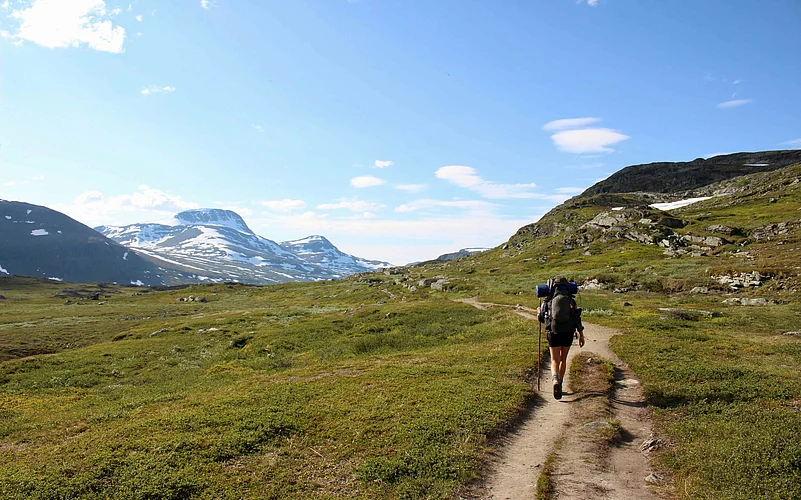
The Wolf Trail has been developed by outdoor brand Jack Wolfskin as part of a broader effort to encourage more people to embrace thru-hiking, a style of travel that involves walking an entire long-distance route while carrying essential gear and replenishing supplies along the way.
Unlike wilderness trails in some parts of the world, much of Central Europe has strict regulations surrounding wild camping. The Wolf Trail has therefore been designed to pass through locations where hikers can legally spend the night, including designated trekking camps, mountain refuges, guesthouses and villages with accommodation. Along the route, walkers have regular opportunities to buy food, replenish supplies and access transport connections if needed, making the logistics considerably more manageable despite the trail's extraordinary length.
To make navigation easier, hikers can download GPX files for each stage, allowing them to map daily distances, accommodation stops, water sources and elevation changes using GPS-enabled apps. Because the route follows existing hiking infrastructure for much of its length, experienced walkers will find well-established signage across many sections.
Timing Is Everything
Although the trail is officially open throughout the year, timing plays a crucial role in determining the experience. The recommended hiking season runs from April to September, when snow has largely cleared from higher elevations in the Alps. Attempting the mountain sections between autumn and early spring can expose hikers to heavy snowfall, icy trails and rapidly changing alpine weather, making certain stretches significantly more hazardous.
The varied geography also means the journey evolves with the seasons. Coastal breezes define the early days in Poland, while warmer plains and forests dominate Germany before cooler alpine conditions take over further south. This constant shift in terrain is one of the trail's defining characteristics, ensuring that no single stretch feels repetitive.
For travellers outside Europe, the segmented structure also offers practical flexibility. Each stage can be completed independently over a few weeks, making it easier to fit within visa restrictions while still experiencing a substantial portion of the route.
Europe's New Benchmark For Slow Travel
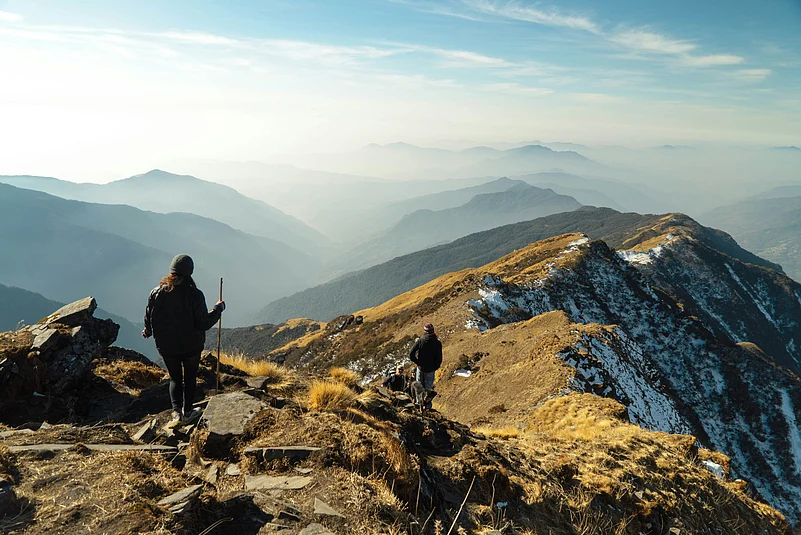
The Wolf Trail is more than another long-distance hike. It reflects a growing appetite for slower, more immersive travel that values the journey as much as the destination. Instead of ticking off landmarks, hikers move gradually through changing cultures, landscapes and ecosystems, crossing international borders almost seamlessly on foot.
Whether someone chooses to spend six months walking from the Baltic to the Adriatic or simply tackles one carefully planned section, the trail offers a rare opportunity to experience the diversity of Central Europe beyond its famous cities. From coastal forests and medieval settlements to alpine ridges and mountain refuges, the Wolf Trail presents Europe not as a collection of countries, but as one continuous landscape waiting to be explored, one step at a time.
FAQs
1. What is the Wolf Trail?
The Wolf Trail is a 3,494 km long-distance hiking route connecting six European countries.
2. Which countries does the Wolf Trail cross?
Poland, Germany, Austria, Switzerland, Slovenia and Italy.
3. How long does it take to complete the Wolf Trail?
Most hikers need between four and six months to finish the entire route.
4. When is the best time to hike the Wolf Trail?
April to September, when alpine trails are generally snow-free and safer to access.
5. Can the Wolf Trail be completed in sections?
Yes. The trail is divided into seven stages, allowing hikers to complete shorter sections instead of the full route.