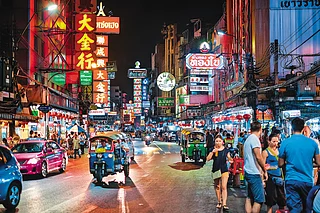


A holiday budget in 2026 needs to account for more than flights, hotels and the occasional airport coffee. Across some of the world's most popular destinations, tourist taxes and visitor fees are becoming a bigger part of the travel equation. Some are designed to manage overtourism, others fund conservation and infrastructure, while a few are simply another way for destinations to make tourism pay for itself. The difference can be significant. Bhutan's Sustainable Development Fee can add hundreds of dollars to a longer stay, while Amsterdam's accommodation tax rises with the price of your room. Elsewhere, new levies are being introduced for the first time, or existing ones are being raised. If your 2026 itinerary includes any of these destinations, knowing the additional costs before you book could save you from an unwelcome surprise at check-in, at the city gate or when you leave.
Which Countries Have The Highest Tourist Taxes In 2026?
Bhutan
Bhutan has one of the world's most distinctive approaches to tourism, and its Sustainable Development Fee is a major part of the country's low-volume, high-value model. Most international visitors pay USD 100 per person, per night, with the discounted rate currently extended through 2027. For a week-long holiday, that works out to USD 700 per person before accommodation, food and activities. The money supports environmental conservation, cultural preservation and social programmes, including healthcare and education. Indian travellers are treated differently, with a subsidised rate of INR 1,200 per person, per night. For anyone planning a Bhutan trip, this is not a minor surcharge to discover at the hotel. It should be one of the first costs in your itinerary.
Vibe check: Himalayan landscapes, monasteries and slow-paced exploration.
Nearby attractions: Paro Taktsang, Punakha Dzong and Thimphu.
Budget note: USD 100 per person, per night for most international visitors; INR 1,200 for Indian nationals.
Amsterdam, The Netherlands
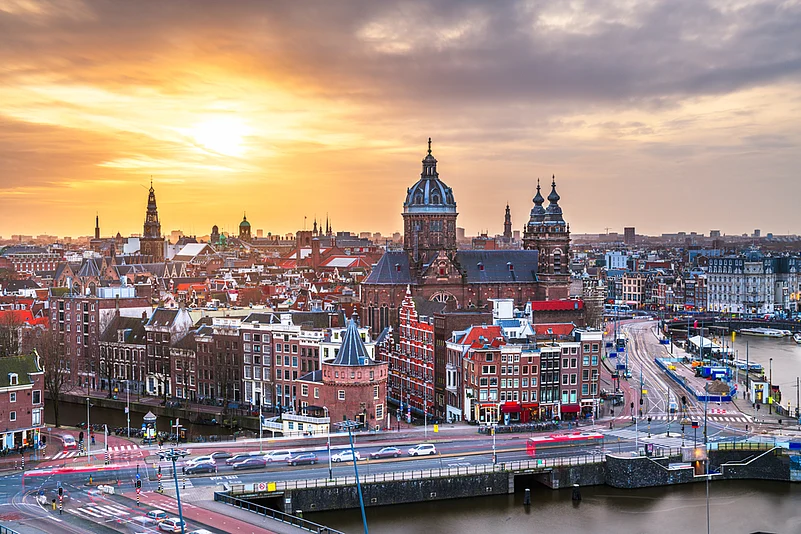

Amsterdam's tourist tax is one of Europe's most expensive accommodation levies, particularly for travellers staying in higher-priced hotels. The city charges 12.5 per cent of the accommodation price, meaning the tax rises along with your room rate. A EUR 200 room, for example, would attract EUR 25 in tourist tax per night, while a EUR 500 room would mean EUR 62.50. The Netherlands has also raised VAT on short-stay accommodation from 9 to 21 per cent in 2026, making hotel stays more expensive overall. The policy comes as Amsterdam continues to grapple with overtourism and its impact on residents. For travellers, it means the advertised room price is no longer the whole story.
Vibe check: Canal-side walks, museums, cafés and cycling.
Nearby attractions: Rijksmuseum, Jordaan and Anne Frank House.
Budget note: 12.5 per cent of the accommodation price.
Kyoto, Japan

Japan's tourism costs have risen in more than one place in 2026. Kyoto introduced a substantially revised accommodation tax from March 1, with the highest rate reaching JPY 10,000 per person, per night for the most expensive stays. The levy is tiered, so budget travellers pay considerably less, while visitors booking rooms priced at JPY 50,000 or more face the top rate. Japan has also tripled its international departure tax from JPY 1,000 to JPY 3,000 per person from July 1, 2026. The departure tax is generally built into your flight or cruise ticket, while Kyoto's accommodation levy is charged during your stay. Together, they reflect Japan's efforts to make visitors contribute towards managing tourism pressure and infrastructure.
Vibe check: Ancient temples, refined food and fast-moving cities.
Nearby attractions: Fushimi Inari, Arashiyama and Kiyomizu-dera.
Budget note: Kyoto's accommodation tax can reach JPY 10,000 per person, per night; Japan's departure tax is JPY 3,000.
Greece
Greece has added a climate dimension to its visitor taxes, with its Climate Crisis Resilience Fee charged on overnight accommodation. The amount varies according to the accommodation category and season, ranging from EUR 0.50 to EUR 15 per room per night. Travellers arriving by cruise can also face a seasonal disembarkation fee, ranging from EUR 1 to EUR 20 per person per port, depending on the destination and time of year. The charges are designed partly to help Greece deal with the environmental pressures associated with tourism, including the effects of wildfires, flooding and intense visitor numbers. If you are planning an island-hopping itinerary, check whether your accommodation and cruise stops attract separate charges.
Vibe check: Ancient ruins, island life and long Mediterranean lunches.
Nearby attractions: Acropolis of Athens, Santorini and the Peloponnese.
Budget note: Up to EUR 15 per room per night, plus cruise disembarkation fees where applicable.
Barcelona & The Balearic Islands, Spain

Spain's visitor charges vary considerably depending on where you stay. In Barcelona, short-term rental guests pay EUR 12.50 per person per night, while hotel guests pay between EUR 10 and EUR 15, depending on the accommodation category. The Balearic Islands have their own Sustainable Tourism Tax, covering Mallorca, Menorca and Ibiza, with rates ranging from EUR 1 to EUR 4 per person per night. Travellers bringing a personal or hired car to the islands by ferry can face another charge, ranging from EUR 30 to EUR 85, depending on factors including the vehicle's emissions and the length of the stay. With overtourism and housing pressure dominating the conversation, Spain is increasingly asking visitors to contribute directly to the cost of tourism.
Vibe check: Gaudí architecture, Mediterranean beaches and late-night dining.
Nearby attractions: Sagrada Família, Park Güell and Ibiza Old Town.
Budget note: Barcelona charges up to EUR 15 per person per night; island taxes and vehicle fees vary.
New Zealand
New Zealand's International Visitor Conservation and Tourism Levy, or IVL, is a one-off charge rather than a nightly tax, but at NZD 100 per visitor, it is still worth factoring into your holiday budget. The levy is paid alongside the relevant visa or NZeTA application and contributes towards tourism infrastructure and conservation. Unlike accommodation taxes, it does not increase if you extend your trip, making it easier to calculate before departure. It is particularly relevant for travellers planning a longer New Zealand itinerary, where the cost of accommodation, transport and activities can already add up quickly. Think of the IVL as an entry cost for accessing the country's famously scenic landscapes rather than a charge you encounter once you arrive.
Vibe check: Mountains, lakes, adventure sports and road trips.
Nearby attractions: Queenstown, Milford Sound and Rotorua.
Budget note: NZD 100 per international visitor, paid alongside the visa or NZeTA.
Edinburgh, Scotland
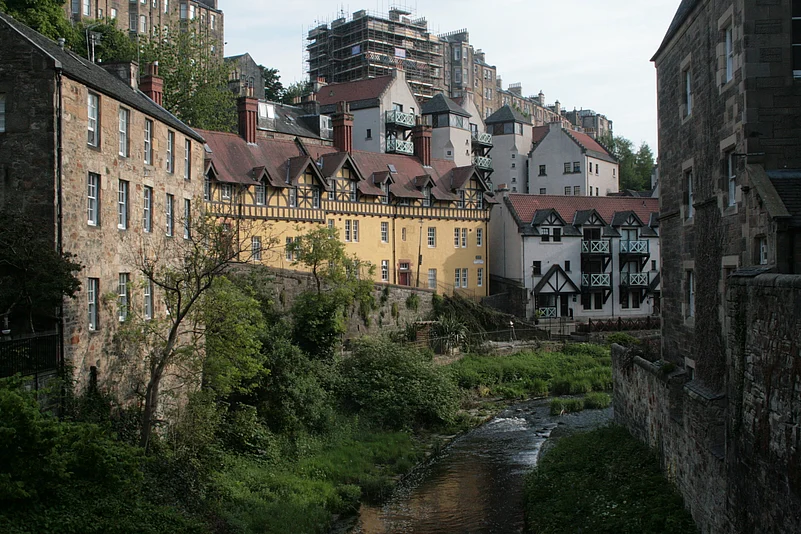
Edinburgh introduced Scotland's first-ever visitor levy on 24 July 2026, adding a 5 per cent charge to paid overnight accommodation. The levy applies only to the first five nights of a stay, so a longer holiday does not mean an endless accumulation of the tax. The charge is part of Edinburgh's effort to make tourism contribute towards the city's cultural, heritage and infrastructure needs. The council expects it to generate significant revenue over the coming years. For travellers, the calculation is relatively straightforward compared with percentage-based taxes that apply indefinitely, but it is another cost to include when comparing hotels. If Edinburgh is part of a wider UK itinerary, check whether the levy has already been incorporated into the quoted accommodation price.
Vibe check: Historic streets, literary heritage and atmospheric pubs.
Nearby attractions: Edinburgh Castle, Arthur's Seat and the Royal Mile.
Budget note: 5 per cent of paid accommodation for up to five nights.
Other Tourist Charges To Know About
Tourist taxes are no longer limited to hotel bills. Venice, for instance, charges day-trippers an access fee of EUR 5 when booked in advance and EUR 10 for late bookings on selected peak days in 2026, while overnight guests are generally exempt. Iceland charges a lodging tax, currently ISK 800 for hotels and guesthouses. Bali has a one-off tourism levy of IDR 150,000 for international visitors, while Australia charges an international Passenger Movement Charge of AUD 70. These may not be the largest costs in your itinerary, but they illustrate how travel fees are becoming increasingly varied.
The easiest way to avoid surprises is to check the destination's official tourism or government website before booking. Pay particular attention to whether a charge is calculated per person, per room, per night or per visit. A fee that looks insignificant on paper can become substantial over a week-long holiday, while one-off charges are easier to absorb. In 2026, the smartest travel budget is no longer simply flights plus hotel plus spending money. It also leaves room for the cost of simply being there.
FAQs
1. Which country has the highest tourist tax in 2026?
Bhutan, with a Sustainable Development Fee of USD 100 per person per night for most international visitors.
2. How much is Amsterdam's tourist tax in 2026?
Amsterdam charges 12.5 per cent of the accommodation price as a tourist tax.
3. Does Japan have a tourist tax in 2026?
Yes. Japan's international departure tax is JPY 3,000 per person, while Kyoto has introduced higher accommodation tax rates.
4. How much is New Zealand's tourist tax?
New Zealand charges an International Visitor Conservation and Tourism Levy of NZD 100 per international visitor.
5. Does Edinburgh have a tourist tax?
Yes. Edinburgh introduced a 5 per cent visitor levy on paid overnight accommodation from July 24, 2026, capped at five nights.