The nature of travel for Indians is changing. It is no longer about the top destinations and the best five things to do. Whether it is planning a trip around Kolkata’s Durga Puja, tracing trade routes in Rajasthan, or learning a traditional craft in Kutch, Indian travellers are placing culture at the heart of their holidays.
At the launch of the India Culture Travel Index, global travel platform Skyscanner presented fresh data suggesting heritage, festivals and local traditions are becoming powerful motivators for travel, rather than incidental experiences once travellers arrive.
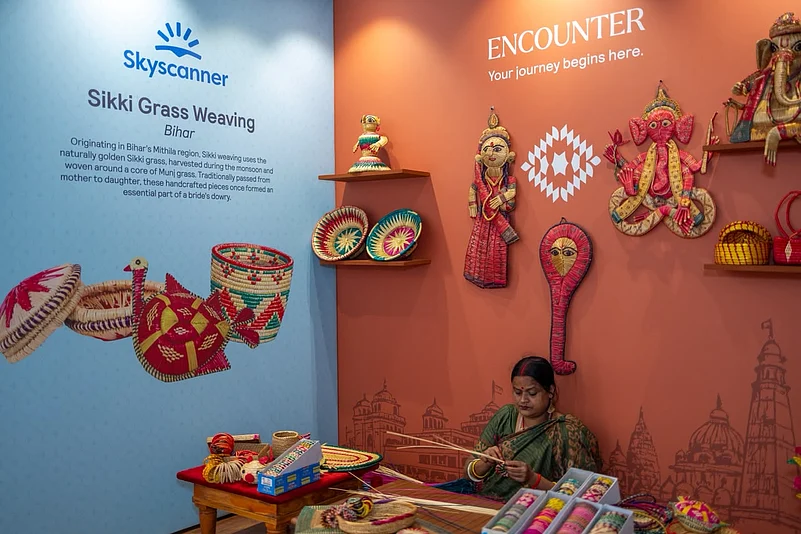
The setting itself was a reflection of this message. Artists from different parts of India demonstrated traditional crafts, adding a more authentic flavour to the afternoon. Their presence reinforced a central idea running through the discussions: that culture is sustained not only by monuments but by the communities who practise it.
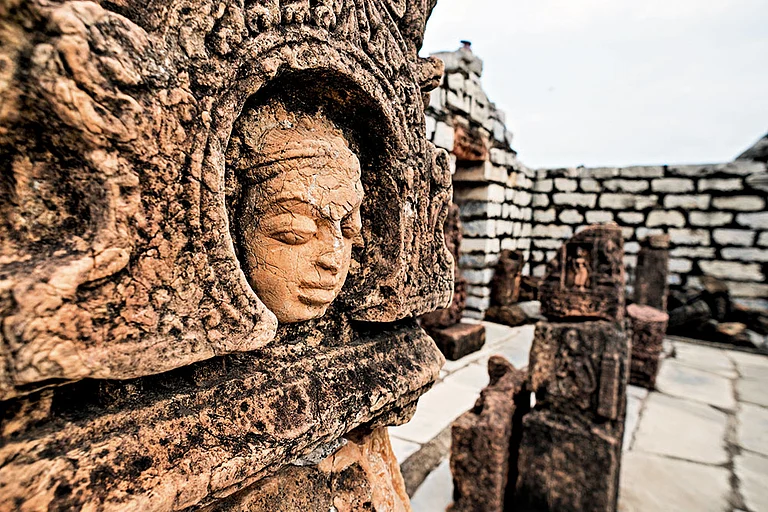
According to the report, 67 per cent of Indians now plan holidays around cultural experiences such as heritage, festivals and food, while 84 per cent say their interest in culture-led travel within India has grown in recent years. Heritage sites remain the biggest draw, followed closely by regional cuisine and festivals. More notably, one in four travellers is venturing into Tier II and Tier III towns in search of cultural experiences, suggesting curiosity is extending well beyond India's established tourist circuit.
From Sightseeing To Living A Story
Recent industry research suggests travellers are increasingly looking for immersive experiences rather than passive sightseeing. Heritage walks, culinary trails, craft workshops and community-led storytelling are emerging alongside monuments as essential parts of the travel experience, signalling a shift from merely visiting destinations to actively participating in them.
Neel Ghose, Skyscanner's travel and destinations expert, believes the change is visible in how travellers now make decisions.
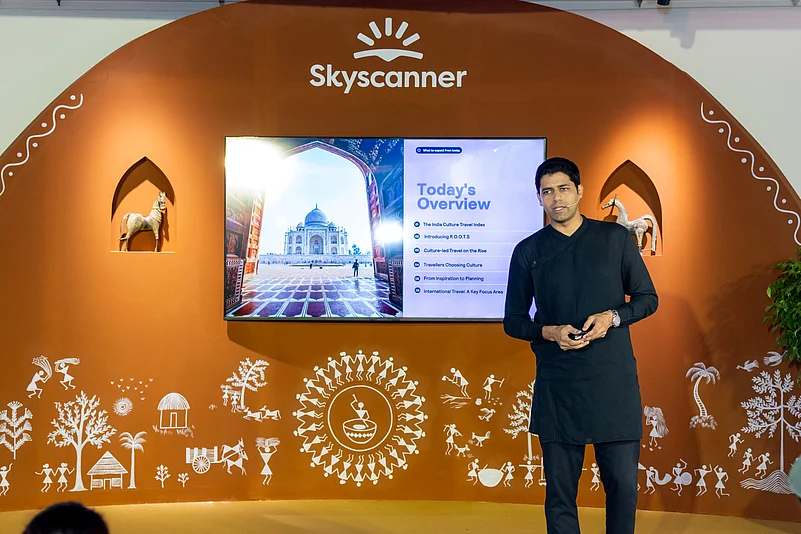

"We're seeing more travellers look beyond traditional sightseeing and seek opportunities to experience local traditions, interact with communities and discover the stories that make every destination unique," he told Outlook Traveller. "Rather than choosing a destination alone, they're increasingly prioritising the experiences it offers. Whether it's heritage, festivals, regional cuisine or local culture, travellers are starting with the experience they want and letting that shape where they travel."
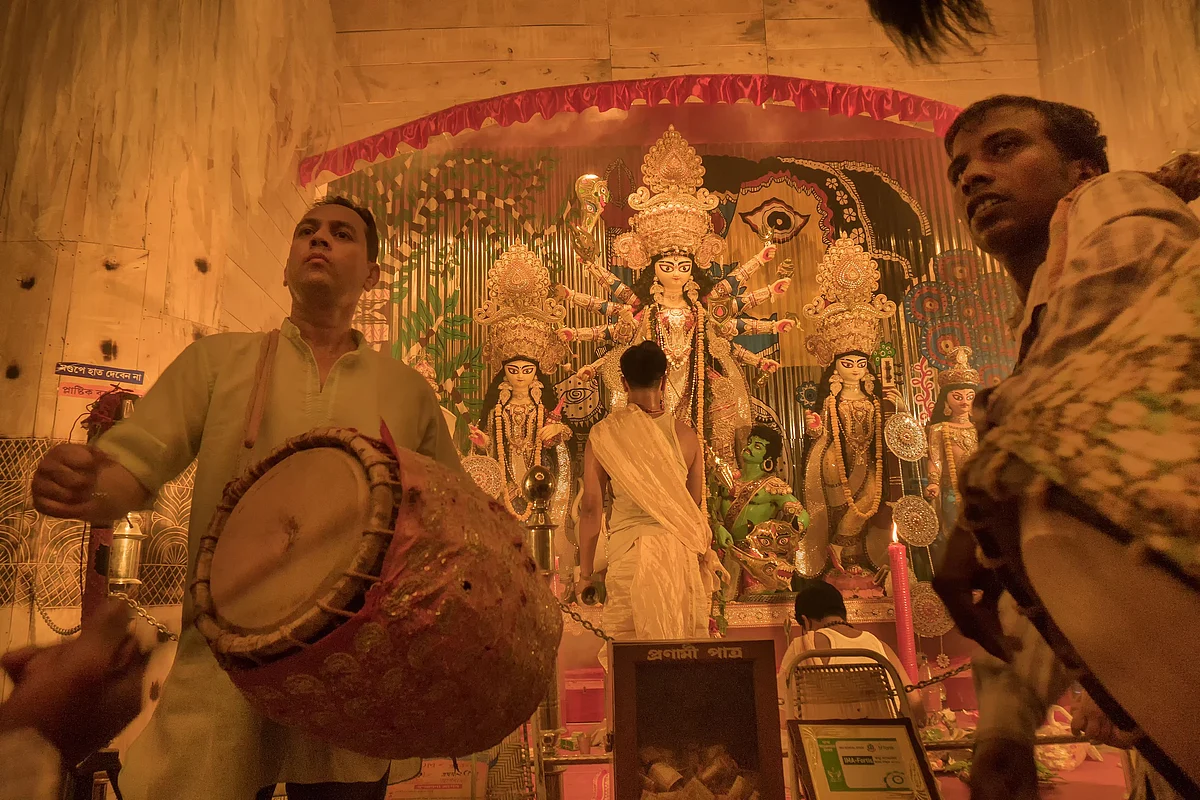
The report reinforces Neel’s observations. Nearly three-quarters of respondents said they would consider planning an entire holiday around a major cultural or religious festival. Durga Puja emerged as the most sought-after event, followed by Ganesh Chaturthi and Navratri Garba. Regional food also continues to influence itineraries, with 43 per cent of travellers saying they would happily organise a trip around culinary experiences.
Planning habits are evolving too. 40 per cent begin preparing for culture-focused journeys three to six months in advance, while festival dates have become an even greater consideration than airfare or accommodation costs. Such behaviour suggests that cultural travel is no longer spontaneous; it is increasingly intentional.
Heritage Belongs To Communities
Yet, greater interest in cultural tourism raises an important question: how can destinations welcome visitors without turning local communities into spectacles?
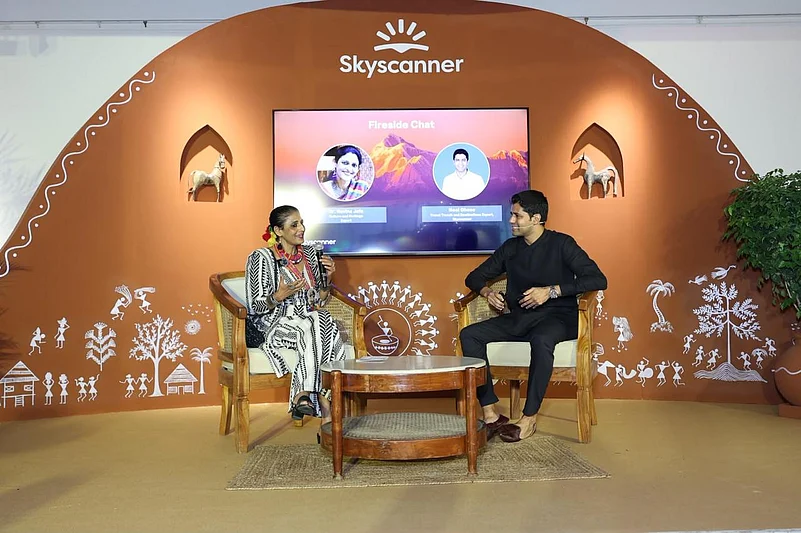
For cultural activist and heritage expert Navina Jafa, who shared a practitioner’s perspective of the trends emerging from Skyscanner’s report, meaningful travel is defined not by the number of places visited but by the relationships travellers build with them. Reflecting on her long association with the Fakirani Jat community in Kutch, she described documenting oral histories, preserving embroidery traditions and working with local women as examples of engagement that extends far beyond a single visit.
"I believe travel only truly matters when it becomes a sustained relationship with a place," she said.
Jafa argues that reports such as the India Culture Travel Index will have a true impact when they encourage travellers to move beyond consuming culture and instead contribute to its continuity.
A Future Shaped By Culture
The Skyscanner report also suggests this shift is unlikely to be temporary. 41 per cent of respondents expect to take two culture-focused trips within India over the coming year, while nearly a third anticipate taking three or four. Safety concerns and rising travel costs remain significant barriers, but the appetite for heritage, festivals, and regional experiences continues to grow.
For the travel industry, that presents an opportunity and a responsibility. Destinations can no longer rely solely on iconic monuments or postcard views. Increasingly, travellers want to understand how places are lived in, what they taste like, the stories they tell and the people who keep their traditions alive.
If the past decade was defined by ticking landmarks off a bucket list, the next may belong to travellers who seek something less tangible but ultimately more enduring: a deeper understanding of the cultures that shape the places they visit. And if that happens, heritage tourism may become less about looking at history and more about participating in its living, evolving story.
FAQs
1. What is culture-led travel?
Culture-led travel is a style of tourism where travellers plan their trips around heritage sites, festivals, regional cuisine, local traditions and community experiences rather than conventional sightseeing.
2. What does the Skyscanner India Culture Travel Index reveal?
The report found that 67 per cent of Indian travellers now plan holidays around cultural experiences, while 84 per cent say their interest in culture-focused travel within India has grown in recent years.
3. Which cultural experiences are most popular among Indian travellers?
Heritage sites remain the biggest attraction, followed by regional food and festivals such as Durga Puja, Ganesh Chaturthi and Navratri Garba.
4. Why are travellers increasingly visiting Tier II and Tier III destinations?
Many travellers are exploring smaller towns to discover authentic cultural traditions, local crafts, regional cuisines and lesser-known heritage experiences beyond India's popular tourist hotspots.
5. How is culture-led tourism changing the travel industry?
The trend is encouraging destinations to promote immersive experiences such as heritage walks, craft workshops, culinary trails and community-led storytelling, while placing greater emphasis on sustainable and responsible tourism.