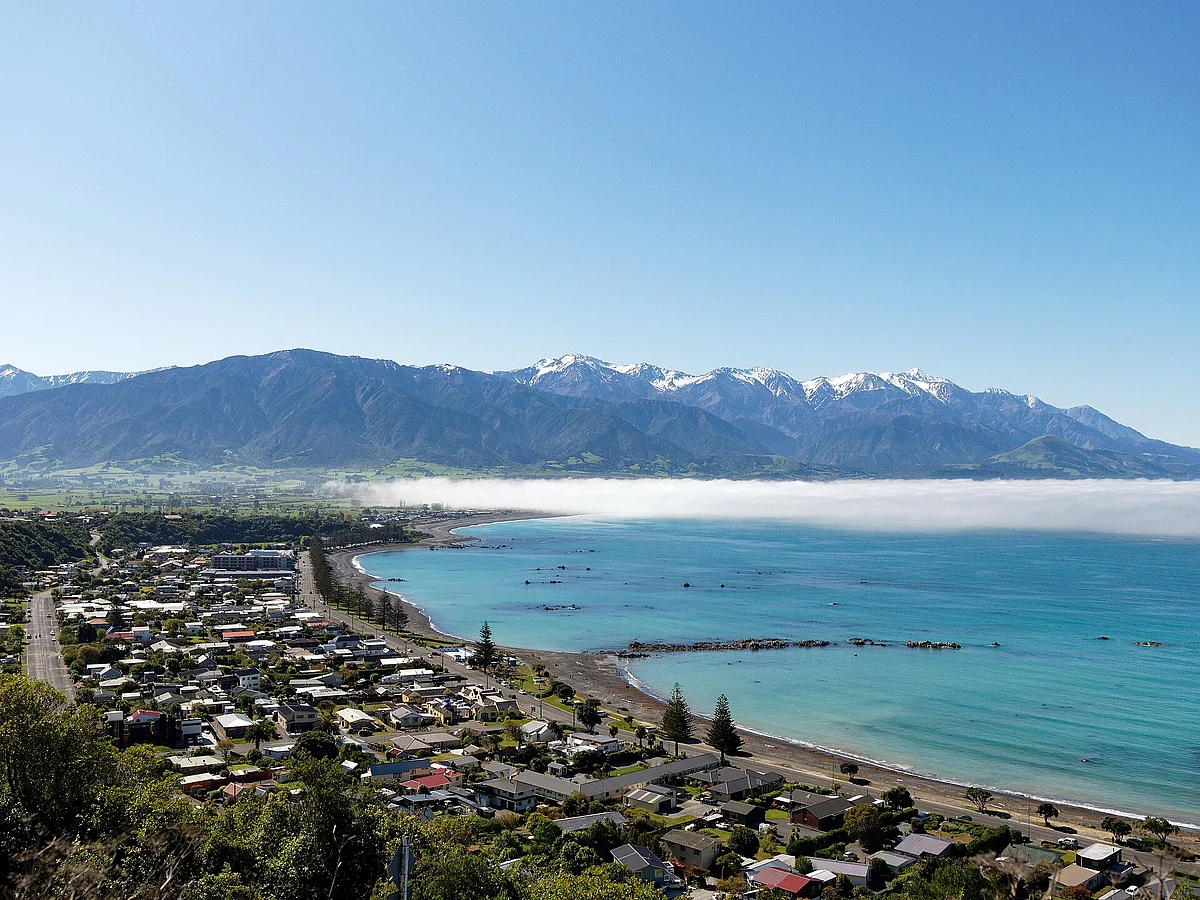
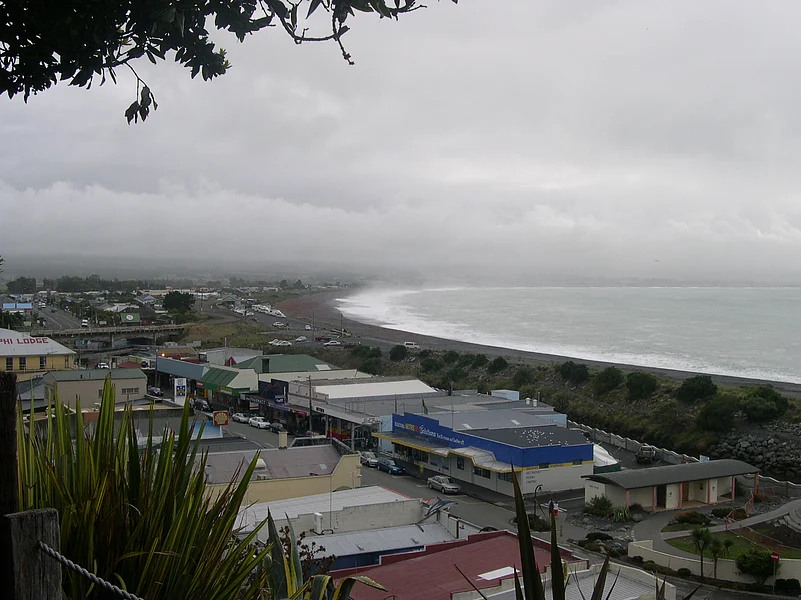
Few places compress such raw geography and rich marine life into such a narrow strip of land. Kaikōura is a striking coastal town on New Zealand’s South Island, roughly 180 kilometres north of Christchurch, a journey of around two and a half hours by road. Set between the rugged Seaward Kaikōura Range and the Pacific Ocean, it is a place where snow-capped peaks fall sharply into deep blue water. Long regarded as one of the world’s foremost destinations for marine wildlife and eco-tourism, Kaikōura draws visitors for its rare convergence of dramatic landscapes and abundant ocean life.
Experience Kaikōura’s Coastal Edge


Kaikōura’s reputation is rooted in a geography that feels almost engineered for marine abundance. The rare meeting of mountain, ocean, and deep-sea trench has created an ecosystem that is both concentrated and extraordinarily diverse.
World-Class Whale Watching: The waters off Kaikōura are one of the few places on Earth where sperm whales can be seen year-round, drawn by the proximity of the deep trench close to shore. Alongside them move migratory humpbacks, orcas, and, on occasion, blue whales, making it one of the most reliable whale-watching environments anywhere in the world.
Abundant Marine Encounters: For travellers, Kaikōura is as much about being in the water as it is about watching it. Dusky dolphins move through the bay in large, fast-rolling pods, often close enough to feel almost choreographed, while New Zealand fur seals gather along the rocky edges in restless colonies. Boat trips head out daily into these waters, where visitors can swim alongside dolphins in their natural environment or kayak quietly past the Point Kean seal colony, watching seals haul themselves over rocks and slip through the surf with surprising ease.
The “Mountains Meet the Sea” Landscape: Kaikōura’s landscape shifts in a matter of minutes. The road runs tight between the Pacific and the Seaward Kaikōura Range, where the mountains rise steeply and often hold snow well beyond winter. On foot, the Kaikōura Peninsula Walkway makes that contrast impossible to miss, following cliff-top paths and exposed headlands where sea and alpine country sit almost uncomfortably close together, with nothing between them but wind and salt spray.
Exceptional Seafood: The town’s name, Kaikōura, translates in Māori to “eat crayfish”, a reflection of its long-standing relationship with the sea. Today, that tradition continues through roadside institutions such as Nin’s Bin and small coastal kiosks serving freshly caught crayfish (rock lobster), often eaten within sight of the waters it came from.
Things To Do And See
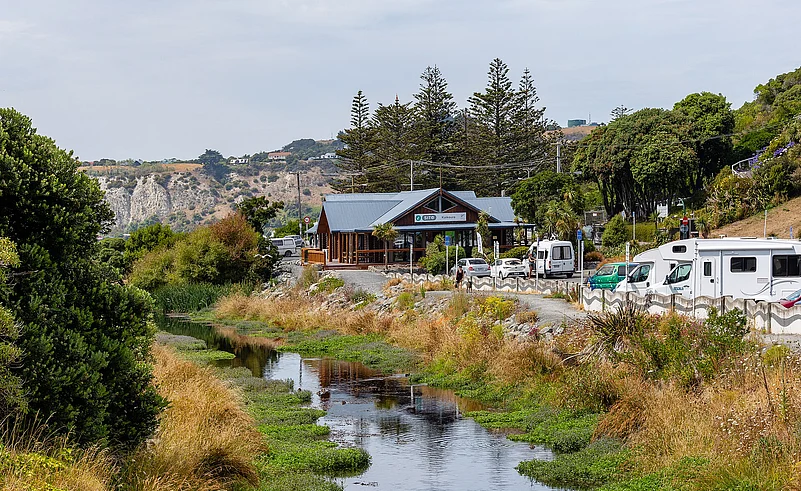
Seafood & Dining: Kaikōura’s name reflects its deep ties to the sea — kai meaning food and kōura meaning crayfish in Māori. Fresh seafood is central to life here, from roadside caravans like Nin’s Bin serving crayfish straight off the grill, to simple fish and chip shops and small restaurants built around whatever has come in that day.
Wildlife Tours: Kaikōura is built around the sea, and the best way to understand it is to go out into it. Boat tours with Whale Watch Kaikōura take visitors into deep offshore waters in search of sperm whales, while scenic flights offer a wider perspective on the trench and coastline from above. For something more immediate, guided dolphin swims place visitors in the water with wild pods moving freely through the bay.
Kaikōura Peninsula Walkway: This clifftop track traces the edge of the peninsula, shifting between open ocean views and steep coastal bluffs. Along the way, it passes New Zealand fur seal colonies, remnants of early Māori pā sites, and long, uninterrupted stretches where the mountains drop straight into the Pacific.
Ohau Point: Drive north to the Ohau Point Seal Colony to see dozens of seals, including playful pups playing in the nearby waterfall during the winter months.
Fyffe House: Standing at the edge of the peninsula, Fyffe House is the oldest surviving building in Kaikōura and one of the few physical links to its whaling past. Built in the 1800s, it now offers a quieter counterpoint to the surrounding landscape, with exhibits that trace the town’s early European settlement and maritime history.
Look To The Sky
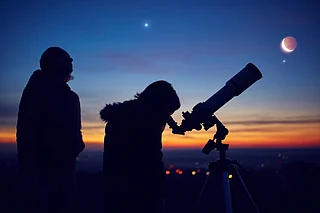
International Dark Sky Sanctuary: In late 2024, Kaikōura was named an International Dark Sky Sanctuary, protecting much of the region from light pollution. On clear nights, the Milky Way (Te Ikaroa) appears with striking clarity, and stargazing tours such as Moana Skies take advantage of the conditions for guided viewing and astrophotography.
Conservation at Its Core: The Dark Sky initiative is not only about astronomy but also about ecology. Much of the effort behind it is tied to the protection of the Hutton’s shearwater (tītī), an endangered seabird that breeds high in the Kaikōura ranges. Chicks are especially vulnerable when they first take flight, often becoming disoriented by artificial light in nearby towns. Reducing light pollution across the district has therefore become a practical conservation measure as much as an aesthetic one.
Living Heritage Of Kaikōura
Māori Heritage of the Coast: Kaikōura lies within the rohe of Ngāi Tahu, with Ngāti Kurī connected to this coastline for more than 800 years. The sea has always been central to life here, and whales are viewed with deep respect in Māori tradition, regarded as important ancestral beings rather than ordinary wildlife.
Cultural Trails & Carvings: Around the peninsula and township, Māori stories are marked in carved pouwhenua and public artworks that identify places and events along the coast. Guided cultural walks add context to these sites, linking local landmarks with traditional narratives of the whenua (land) and moana (sea).
Travel Tips
Book in Advance: Whale watching and dolphin tours are often the first to sell out, especially in peak months. Locking in a spot ahead of time is the simplest way to avoid missing out.
Weather Flexibility: Out here, the ocean decides the schedule. Trips can be delayed or cancelled if conditions turn, so leaving room in your plans makes a noticeable difference.
Scenic Routes: Getting to Kaikōura is part of the experience. The Coastal Pacific train runs a striking coastal line between cliffs and sea, while drivers from Christchurch should check NZ Transport Agency updates before travelling, as slips can sometimes affect the route.
FAQs
What makes Kaikōura unique?
Few places compress so much into such a small stretch of coast — deep ocean just offshore, mountains rising straight from the sea, and an unusually rich concentration of marine life that includes whales, dolphins, and seals.
What is Kaikōura best known for?
It is most famous for year-round sperm whale sightings, along with dolphin encounters, fur seal colonies, and its location on a deep ocean trench just offshore.
When is the best time to visit Kaikōura?
Wildlife can be seen year-round, but summer (December to March) generally offers calmer seas and more reliable boat conditions.
How do you get to Kaikōura?
Most visitors drive from Christchurch along the coastal highway, or take the Coastal Pacific train, which runs between Picton and Christchurch with scenic ocean views.
Can you swim with dolphins in Kaikōura?
Yes. Guided tours allow visitors to enter the water with wild dusky dolphins under regulated conditions, depending on sea state and animal behaviour.