They call it the “town at the edge of the world”, and it doesn’t feel like much of an exaggeration when you step off the ferry into Oban. The only settlement on Stewart Island—or Rakiura, as it is known in Māori—sits tucked into Halfmoon Bay at the very bottom of New Zealand. With a permanent population of around 400, it is less a town than a close-knit outpost, where the rhythm of life is set not by traffic lights or timetables, but by tide, weather, and the slow turning of the seasons. Here, native bush presses in from all sides, the sea is never far from earshot, and it is entirely possible to go days without seeing more people than birds.
A Remote Edge Of Forest, Sea, And Southern Skies
Just 30 kilometres off the southern coast of the South Island lies Stewart Island—or Rakiura, as it is known in te reo Māori—the country’s rugged third main island and its most quietly remote inhabited edge. Separation here is not just geographical but sensory; the mainland feels a world away, and even time seems to loosen its grip.
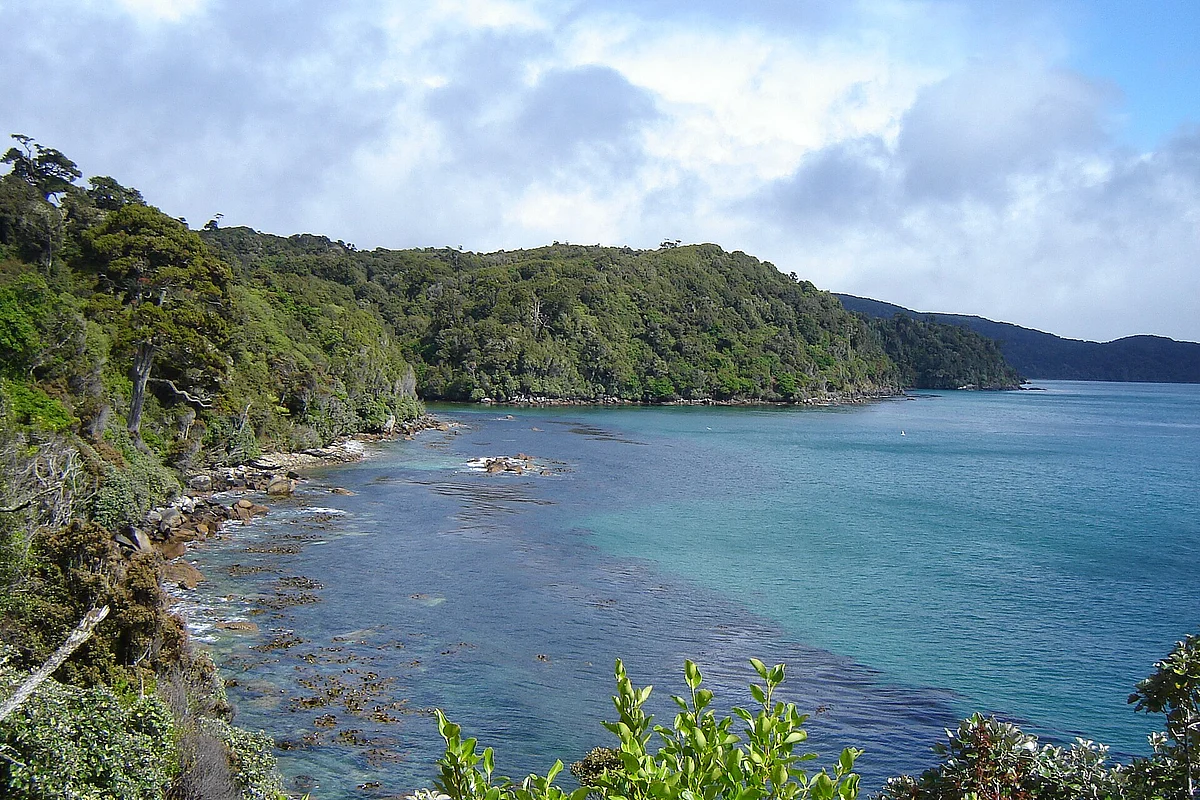
Much of the island is wrapped in protection as Rakiura National Park, which covers roughly 85 per cent of its landmass and opens up a vast, untamed network of walking tracks—around 280 kilometres of them—cutting through dense podocarp forest, windswept coastline, and quiet inlets where the sea meets the bush without interruption. It is a landscape that feels largely unchanged, where human presence is light, and nature holds the upper hand.
Rakiura—often said to mean “land of glowing skies”—gets its name from the way light lingers here after sunset, a pale glow that hangs over the horizon even when the day is gone. Sitting at 47 degrees south, the island has some of the clearest night skies in New Zealand, and on rare, clear nights the Aurora Australis can appear. When it does, colour shifts across the sky in slow movement, while the island below stays dark and quiet, as if nothing wants to interrupt it.
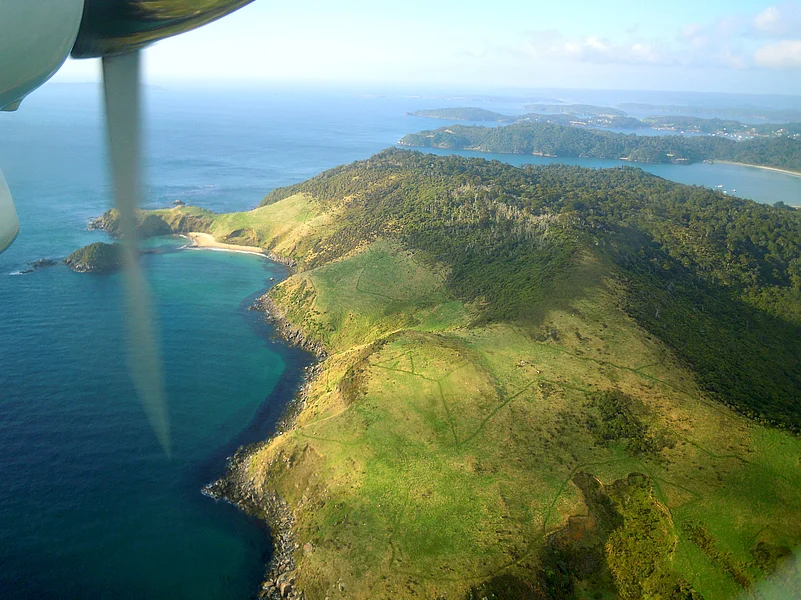

Life At A Slower Pace In Oban
In Oban, days don’t feel rushed. They drift a little, guided more by weather rolling in from the sea than by any fixed timetable. With a small population and the bush never far away, life has a stripped-back simplicity to it—practical, close, and quietly self-sufficient.
Island lifestyle & amenities
Oban in New Zealand isn’t built for speed. There are no malls, no long queues of traffic, and none of the usual noise that comes with bigger towns. Most things are modest and local, and getting from place to place rarely takes more than a few minutes.
The essentials
What the town does have covers the essentials: a small medical centre, a Four Square for day-to-day supplies, the Rakiura National Park Visitor Centre run by the Department of Conservation, and the South Sea Hotel, which more or less holds everything together—part pub, part café, part local gathering spot where people naturally end up at some point in the day.
Dining & local flavour
Much of social life tends to drift towards the South Sea Hotel, especially when fresh seafood is on offer. Bluff oysters are a particular highlight when in season, drawing locals and visitors together over simple, unhurried meals.
Things To Do
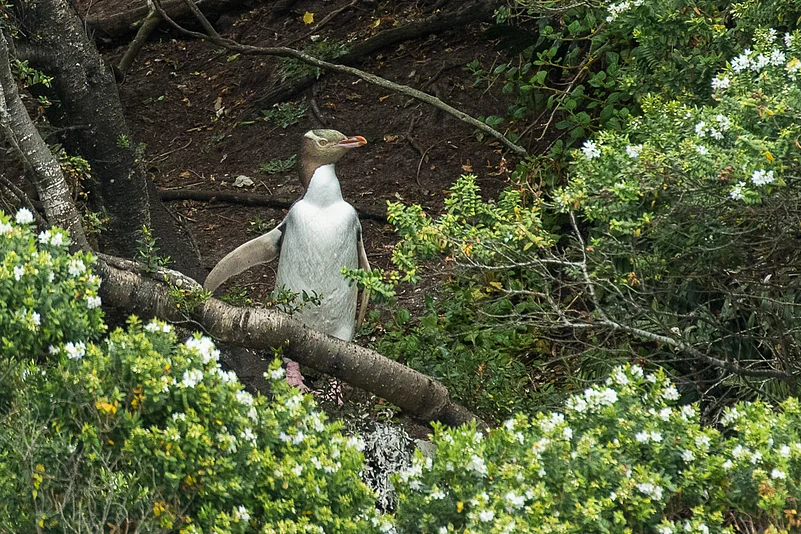
Even with how small it is, there’s far more walking here than you’d expect. The island has only about 28 kilometres of roads, but more than 280 kilometres of tracks cut through bush, coastline, and hills.
Short walks: From Oban, a handful of easy trails slip straight into the landscape—out to Bathing Beach, Horseshoe Bay, or up to Observation Rock. Each one is close by, yet feels like it quickly leaves the town behind, opening up quiet stretches of sea, sand, and native bush.
The Rakiura Track: One of New Zealand’s Great Walks, this 36-kilometre loop takes around three days, winding through dense rainforest, along coastline, and across near-empty beaches, with the trail beginning close to Oban.
Cruising & diving: Beyond the shore, Paterson Inlet opens into calm waters that are ideal for boating, fishing, and diving, where the underwater world is as rich and undisturbed as the land above.
Travelling Smart
Reaching Stewart Island already feels like part of the journey, and how you make the crossing often shapes the whole experience. Once you arrive in Oban, things fall into place quickly, but a bit of planning goes a long way—this is still one of New Zealand’s most remote inhabited places, where services are limited, and the weather rarely behaves itself for long.
Getting There
By ferry: The most common route is the one-hour crossing from Bluff, near Invercargill, across the often unpredictable Foveaux Strait. The service is operated by RealNZ, and the sea can range from calm to rough without much warning.
By air: A faster option is the 20-minute flight from Invercargill, which offers a smooth and direct hop to the island.
Travel Tips
Mix your transit: Many travellers fly one way and take the ferry the other, depending on sea conditions. If you’re prone to motion sickness, it’s worth taking something before the ferry crossing.
Leave the car behind: There’s no real need for a vehicle here. Oban is compact enough to explore on foot, and water taxis connect you to trailheads and places like Ulva Island.
Packing & Practical Essentials
Dress for everything: Weather shifts fast—sun, rain, wind, sometimes all in the same afternoon. Layers, a solid waterproof jacket, and proper walking boots are non-negotiable.
Bring supplies: Food is available, but prices reflect the island’s remoteness. Carrying a few non-perishable items from the mainland helps stretch the budget.
Cash helps: Card payments work in most places, but coverage can be patchy. Having some cash on hand makes things smoother for small purchases and water taxis.
FAQs
Is Stewart Island worth visiting?
Yes—if you’re after quiet, scenery, and space. Stewart Island is less about attractions and more about atmosphere: native forest, empty beaches, and a pace of life that feels far removed from the mainland.
How do you get there?
Most people travel by ferry from Bluff near Invercargill, or take a short flight from Invercargill. The ferry takes about an hour across Foveaux Strait, while flying takes roughly 20 minutes.
How many people live on the island?
Only around 400 permanent residents live in Oban, the island’s main and only settlement in Stewart Island. The community is small and closely connected.
What is there to do on Stewart Island?
Walking is the main activity, from short trails around Oban to the multi-day Rakiura Track. Visitors also go kayaking, birdwatching, and take boat trips into Paterson Inlet.
What should I pack?
Layers are essential. Weather changes quickly, so a waterproof jacket, sturdy walking shoes, and some basic supplies are important. It’s also worth carrying some cash, as connectivity and card payments can be unreliable at times.