If New Zealand has been sitting on your travel bucket list for a while, you're not alone. A country known for its dramatic fjords, snow-capped mountains, geothermal landscapes, pristine beaches, and some of the friendliest people you'll ever meet, New Zealand is one of those destinations that genuinely lives up to the hype. Whether you're planning an adventure-packed holiday, a scenic road trip, or simply want to experience the country's stunning natural beauty, here's everything you need to know before visiting New Zealand.
Why Visit New Zealand?
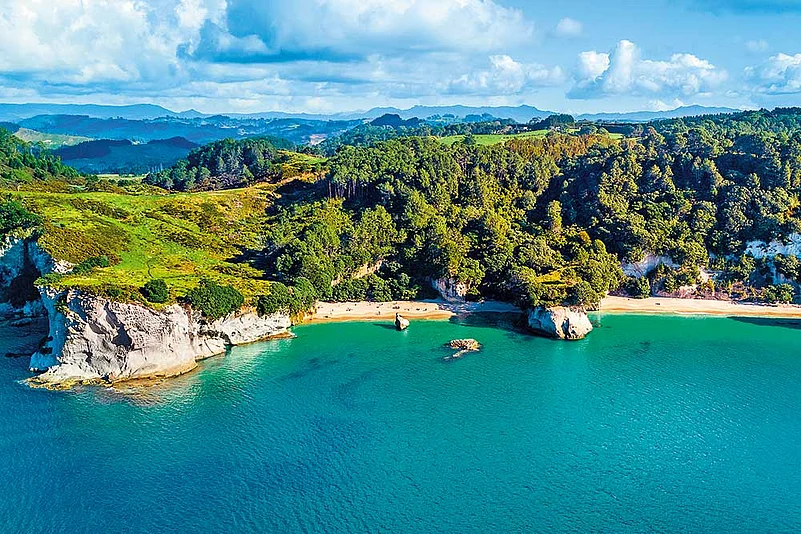

One of the best things about New Zealand is the sheer variety of experiences it offers. You can spend the morning hiking through alpine landscapes, the afternoon soaking in natural hot springs, and the evening watching the sunset on a beach.
The country is also deeply connected to Māori culture, giving visitors an opportunity to learn about indigenous traditions, storytelling, and hospitality. In addition, the country offers world-class hiking trails, wildlife encounters, and adventure sports, making it easy to see why New Zealand is often considered one of the world's most rewarding travel destinations.
Places You Shouldn't Miss

Auckland
Often called the City of Sails, Auckland is where many international travellers begin their New Zealand journey. The city combines urban attractions with beautiful harbours, beaches, islands, and an excellent food scene.
Rotorua
Rotorua is famous for its geothermal activity, from bubbling mud pools to powerful geysers. It's also one of the best places in the country to experience Māori culture through traditional performances and local cuisine.
Hobbiton Movie Set
Even if you're not a die-hard Lord of the Rings fan, Hobbiton is worth visiting. Walking through the perfectly preserved movie set feels like stepping straight into Middle-earth.

Bay of Islands
Located in the far north, this stunning region is known for its crystal-clear waters, dolphin cruises, sailing trips, and more than 140 beautiful islands.
Queenstown
Adventure lovers will feel right at home here. From bungee jumping and skydiving to jet boating and mountain biking, Queenstown is often called the adventure capital of the world.
Milford Sound
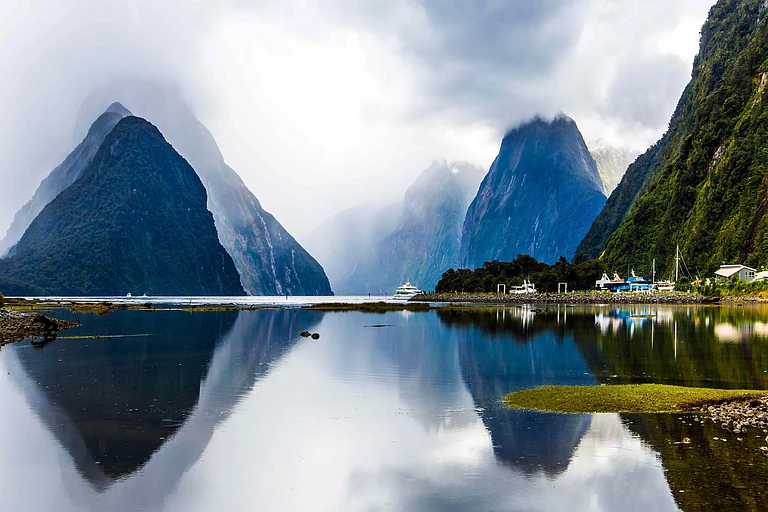
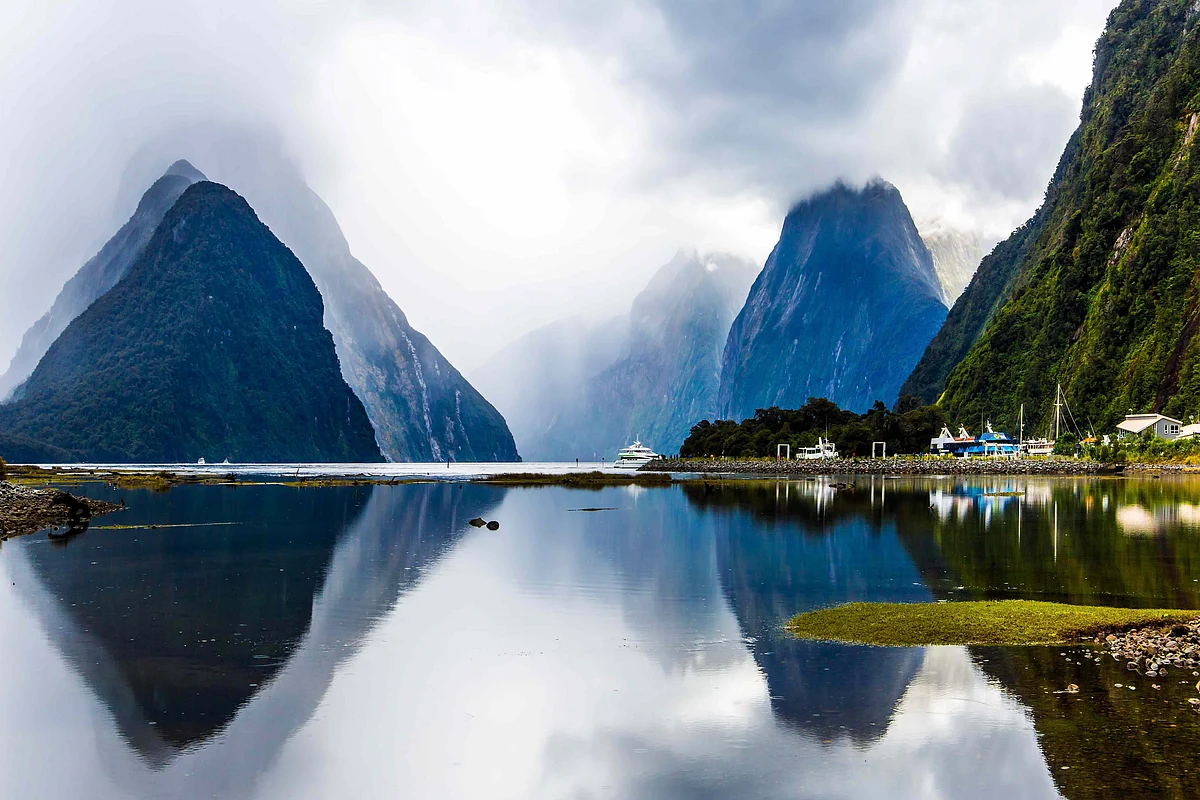
One of New Zealand's most iconic attractions, Milford Sound is famous for its dramatic cliffs, waterfalls, and breathtaking fjord scenery. A cruise here is an experience you'll remember long after your trip ends.
Aoraki/Mount Cook National Park
Home to New Zealand's highest peak, this national park offers spectacular hiking trails, glacier views, and some of the clearest night skies you'll ever see.
Franz Josef And Fox Glaciers
These glaciers are among the few in the world that descend so close to sea level. Scenic helicopter flights and guided glacier hikes are among the most popular experiences here.
Experiences Worth Adding To Your Itinerary

While the landscapes alone are worth the trip, there are a few experiences you shouldn't miss:
Cruise through Milford Sound or Doubtful Sound.
Attend a traditional Māori cultural experience.
Explore the famous Waitomo Glowworm Caves.
Take a scenic helicopter ride over glaciers and mountains.
Go whale watching in Kaikōura.
Stargaze in the Aoraki Mackenzie International Dark Sky Reserve.
Try adventure sports in Queenstown.
Drive one of the country's spectacular coastal and mountain routes.
Experience New Zealand's Great Walks
If you enjoy spending time outdoors, consider adding one of New Zealand's famous Great Walks to your itinerary. These multi-day hiking trails take travellers through some of the country's most spectacular landscapes, from alpine passes and ancient forests to golden beaches and dramatic fjords.
Some of the most popular Great Walks include the Milford Track, Routeburn Track, and Kepler Track in the South Island, all of which can be easily accessed from Queenstown. The trails are well maintained and feature huts and campsites along the route, making them suitable for both experienced hikers and first-time trekkers.
Keep in mind that the Great Walks are incredibly popular and visitor numbers are limited to help protect these fragile natural environments. If you're planning to do a full trek, it's worth booking your hut or campsite several months in advance, especially during the summer season. For those short on time, guided day hikes offer a great way to experience sections of these iconic trails without committing to a multi-day adventure.
Whether you choose a short walk or a multi-day trek, exploring one of New Zealand's Great Walks is one of the best ways to experience the country's incredible natural beauty up close.
Visa Requirements And Entry Rules
Before booking your flights, it's important to check New Zealand's latest entry requirements and apply for the necessary travel documents well in advance.
Travellers from visa-waiver countries such as the UK, the US, Canada, and several European nations can enter New Zealand with a New Zealand Electronic Travel Authority (NZeTA). However, Indian passport holders are not eligible for NZeTA and must apply for a Visitor Visa before travelling, unless they hold Australian permanent residency and meet specific eligibility criteria.
One important update for Indian travellers is the increased cost of visiting New Zealand. The current application cost is approximately $441 NZD (around INR 23,000–27,000, depending on exchange rates), which includes the Visitor Visa fee and the International Visitor Conservation and Tourism Levy (IVL).
Families travelling together can benefit from a useful cost-saving provision. New Zealand allows applicants to include their spouse and dependent children aged 19 years and under in a single visa application, meaning only one visa fee is payable rather than separate fees for each family member.
Applicants may also need to provide proof of sufficient funds to support themselves during their stay, along with details of their accommodation and their onward or return travel plans.
It's recommended to apply for your visa several weeks before your departure date, especially during peak travel periods, as processing times can vary. Your passport should be valid for at least three months beyond your planned departure from New Zealand.
Before arriving in the country, travellers may also be required to complete the New Zealand Traveller Declaration (NZTD), which can be submitted online before departure. To avoid delays, keep important documents such as bank statements, proof of employment or income, travel itinerary, accommodation bookings, and return flight details readily available during the application process.
Important Travel Tips For First-Time Visitors

New Zealand Takes Biosecurity Seriously
This is one rule you don't want to ignore. New Zealand has extremely strict biosecurity regulations. If you're carrying food, outdoor gear, hiking boots, wooden items, or anything that may carry soil or plant material, declare it when you arrive.
Distances Can Be Deceiving
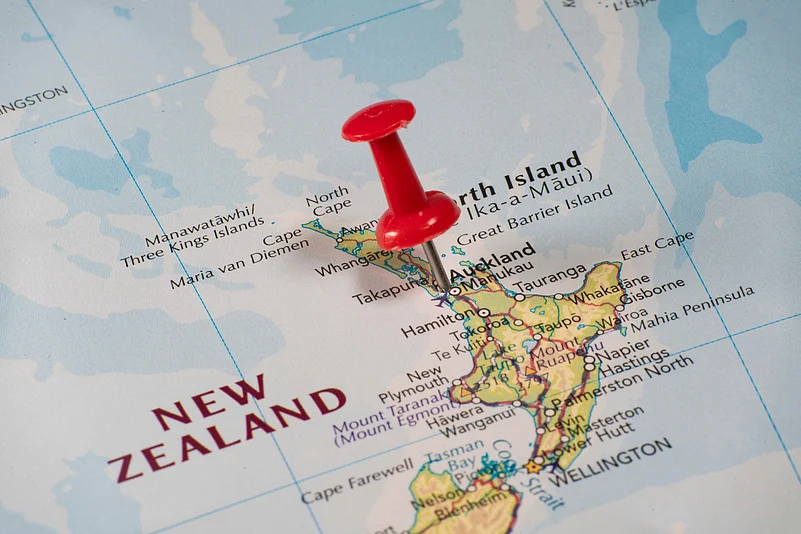
While New Zealand may look small on a map, travel times are often longer than expected because many roads are narrow, winding, and mountainous. Avoid cramming too much into your itinerary.
Pack For All Types Of Weather
Locals often joke that you can experience four seasons in a single day. Weather conditions can change quickly, especially in mountainous areas, so layers are essential.
Don't Skip Sunscreen
New Zealand has one of the highest UV levels in the world. Even on cloudy days, sunscreen, sunglasses, and a hat are highly recommended.
Watch Out For Sandflies
If you're heading to Fiordland, Milford Sound, or the South Island's West Coast, pack insect repellent. Sandflies may be tiny, but their bites can be surprisingly irritating.
Best Time To Visit New Zealand
New Zealand is a year-round destination, and the best time to visit largely depends on what you want to experience.
Since the country is in the Southern Hemisphere, its seasons are opposite to those in much of the Northern Hemisphere. Summer (December to February) is the most popular time to visit, thanks to its warm weather, long daylight hours, and excellent conditions for hiking, road trips, and beach holidays.
Autumn (March to May) is equally rewarding, with fewer crowds, pleasant temperatures, and beautiful fall colours, particularly around Queenstown and Central Otago.
Winter (June to August) attracts skiers and snowboarders to destinations like Queenstown, Wānaka, and the Central Plateau, while spring (September to November) brings blooming flowers, rushing waterfalls, newborn lambs, and comfortable weather for outdoor exploration.
No matter when you visit, New Zealand's stunning landscapes and diverse experiences make it an unforgettable destination.
FAQs
1. Do Indian citizens need a visa for New Zealand?
Yes. Indian passport holders must apply for a Visitor Visa before travelling unless they meet specific exemptions.
2. How much does a New Zealand Visitor Visa cost?
The current cost is approximately NZD 441, including the International Visitor Conservation and Tourism Levy (IVL).
3. What are the best places to visit in New Zealand?
Popular destinations include Auckland, Rotorua, Queenstown, Milford Sound, Hobbiton, Bay of Islands and Aoraki/Mount Cook National Park.
4. What is the best time to visit New Zealand?
Summer (December to February) offers the warmest weather, while autumn and spring provide fewer crowds and excellent sightseeing conditions.
5. Is New Zealand expensive for Indian travellers?
New Zealand can be relatively expensive compared to many Asian destinations, particularly for accommodation, transport and activities.
6. Why is New Zealand famous?
New Zealand is known for its dramatic landscapes, Māori culture, adventure sports, glaciers, fjords, wildlife and filming locations from The Lord of the Rings.