


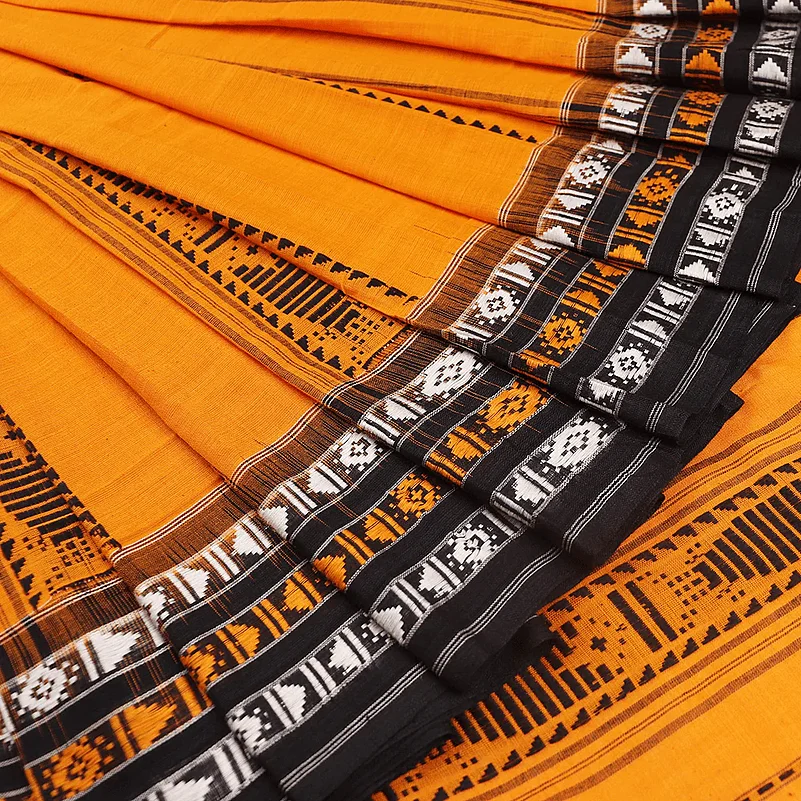
A crucial part of India's cultural landscape is shaped by the products that emerge from its diverse geographies. From handwoven textiles such as Habaspuri from Odisha to indigenous agricultural produce such as Alphonso mangoes from Maharashtra, these tell stories of communities, landscapes and inherited knowledge systems. In recent weeks, several products across the country have been awarded Geographical Indication (GI) tags, bringing renewed attention to a tool that sits at the intersection of culture, commerce, and conservation.
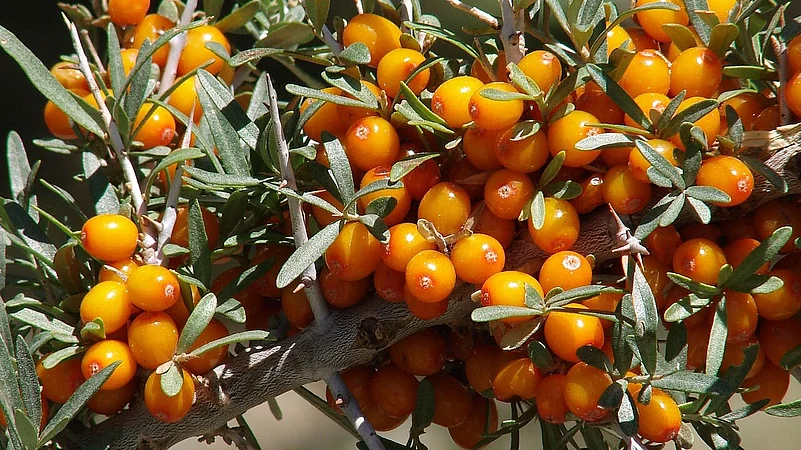
Ladakh recently secured six new GI tags, including Ladakh Seabuckthorn, Raktsey Karpo Apricot and the traditional woodcraft known as Shingskos. Assam added four more products to its growing GI portfolio - Karbi Anglong handloom products, Assamese Bihu Pepa, Assam bamboo crafts, and Deori handloom products, recognising the state's iconic indigenous heritage products. Jharkhand's Bhagaiya Silk, Kuchai Silk, Munda Jewellery and Bamboo Craft have also received recognition, while Bihar's Bawan Buti weaving, Pattharkatti stone craft and Pidiya Painting have joined the country's expanding GI registry.
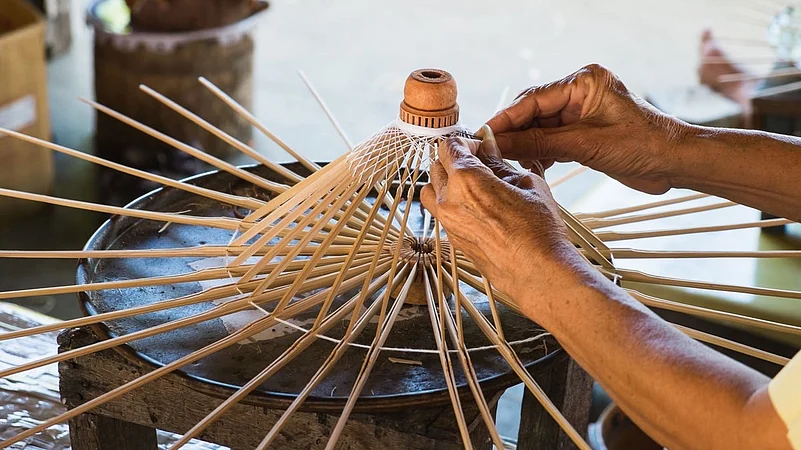

Understanding What a GI Tag Really Means
At first glance, a GI tag may seem like little more than a certification label. In reality, it represents something much deeper. A Geographical Indication is a form of intellectual property that links a product to a specific place. Much like Assam Tea or Chendamangalam handloom from Kerala, a GI-tagged product derives its identity, reputation or characteristics from the region where it originates. The tag legally recognises this connection and helps prevent unauthorised use of the name by producers outside the designated area. Unlike a trademark, which belongs to an individual company or brand, a GI tag is a collective right. Any authorised producer within the designated geographical region can use the name, provided they adhere to the recognised production standards. This framework is designed not only to protect products from imitation but also to safeguard traditional knowledge systems and local production practices that have evolved over generations.

For travellers, GI tags serve as markers of authenticity and responsibility. They help identify products that are rooted in local traditions, skills, and ecosystems. Whether it is a handwoven textile crafted using techniques passed down through generations or a food product shaped by a region's climate and geography, GI recognition highlights the cultural context behind what is being consumed.
This matters because tourism increasingly revolves around experiences rather than sightseeing alone. Visitors are seeking meaningful connections with local communities, and handicrafts, textiles, and traditional foods often provide some of the most tangible expressions of place. A GI tag can encourage travellers to look beyond mass-produced souvenirs and support products that carry a genuine regional identity.
How GI Recognition Supports Communities
The benefits extend beyond tourism. For artisan communities, GI recognition can strengthen visibility in competitive markets. It creates a framework for protecting traditional knowledge from imitation and misuse, particularly in an era where machine-made replicas can flood marketplaces. In theory, a GI tag allows producers to differentiate their work and preserve the value associated with authenticity. The recent recognitions are particularly significant because many of the products come from communities that have long practised their crafts outside mainstream commercial networks. Traditional jewellery made by indigenous communities, regional weaving traditions and bamboo crafts often struggle for visibility despite their cultural significance. GI recognition helps place these traditions on a national map and can contribute to their long-term preservation.
The Challenge Beyond Recognition
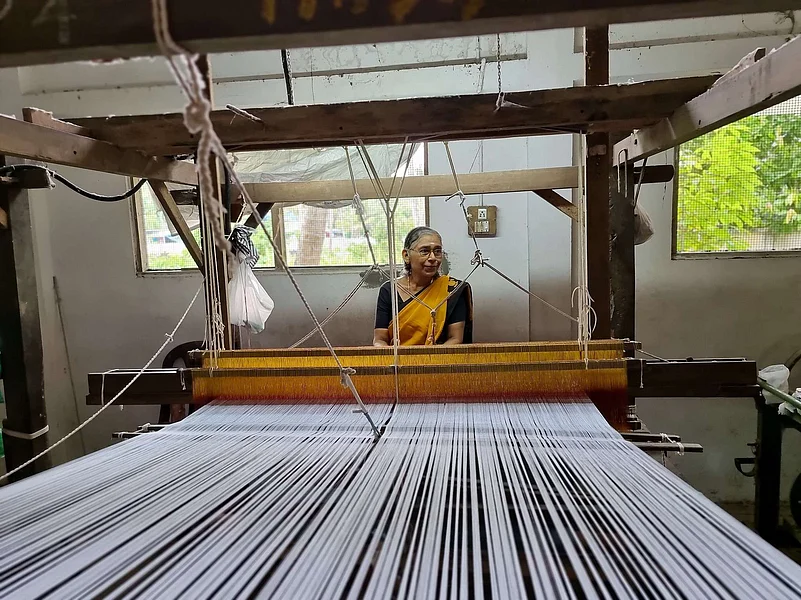
The growing list of GI-tagged products reflects a larger shift in how heritage is being understood in contemporary India. These recognitions acknowledge that crafts, foods and agricultural products are not isolated commodities but outcomes of centuries-old relationships between communities, landscapes and knowledge systems. Yet the true success of a GI tag will not be measured by the number of registrations issued each year. It will depend on whether artisans, farmers, and indigenous communities receive greater visibility, fairer market access and meaningful economic benefits from their cultural capital. For travellers, a GI tag offers more than a guarantee of origin; it provides an invitation to engage with the people, histories and ecosystems that continue to shape India's living heritage.
FAQs
1. What is a GI tag?
A Geographical Indication (GI) tag is an intellectual property right that identifies a product as originating from a specific region, where its quality, reputation or characteristics are linked to that geographical area.
2. How is a GI tag different from a trademark?
A trademark belongs to an individual company or brand, whereas a GI tag is a collective right that can be used by authorised producers within a designated geographical region who follow recognised production standards.
3. Why are GI tags important for artisans and local communities?
GI tags help protect traditional knowledge and production practices from imitation. They can improve visibility, strengthen market recognition and create economic opportunities for communities that produce these goods.
4. How do GI tags relate to responsible tourism?
GI tags help travellers identify authentic regional products and experiences. By purchasing GI-tagged goods, visitors can support local livelihoods, traditional crafts and cultural heritage rather than mass-produced alternatives.
5. Does a GI tag guarantee that producers will benefit economically?
Not necessarily. While GI recognition can increase awareness and market value, its success depends on factors such as consumer awareness, effective marketing, market access and fair distribution of benefits among producers.



.jpg?w=320&auto=format%2Ccompress&fit=max&format=webp&dpr=1.0)


