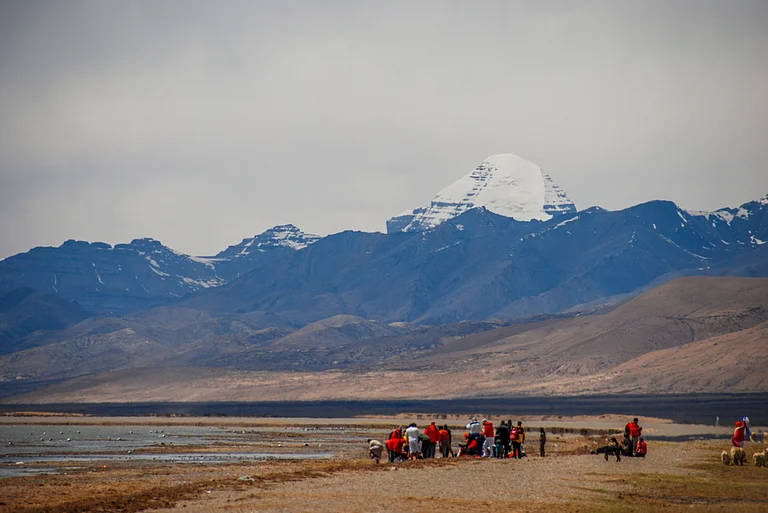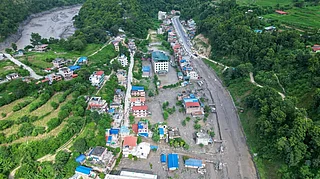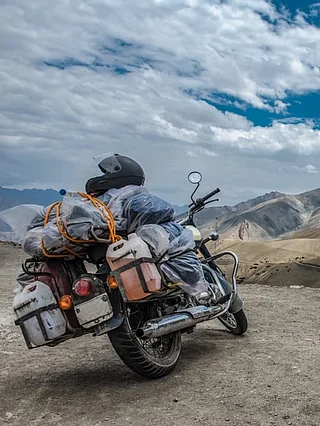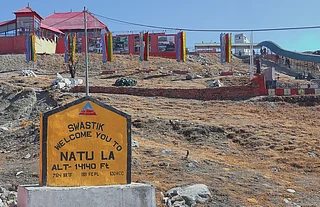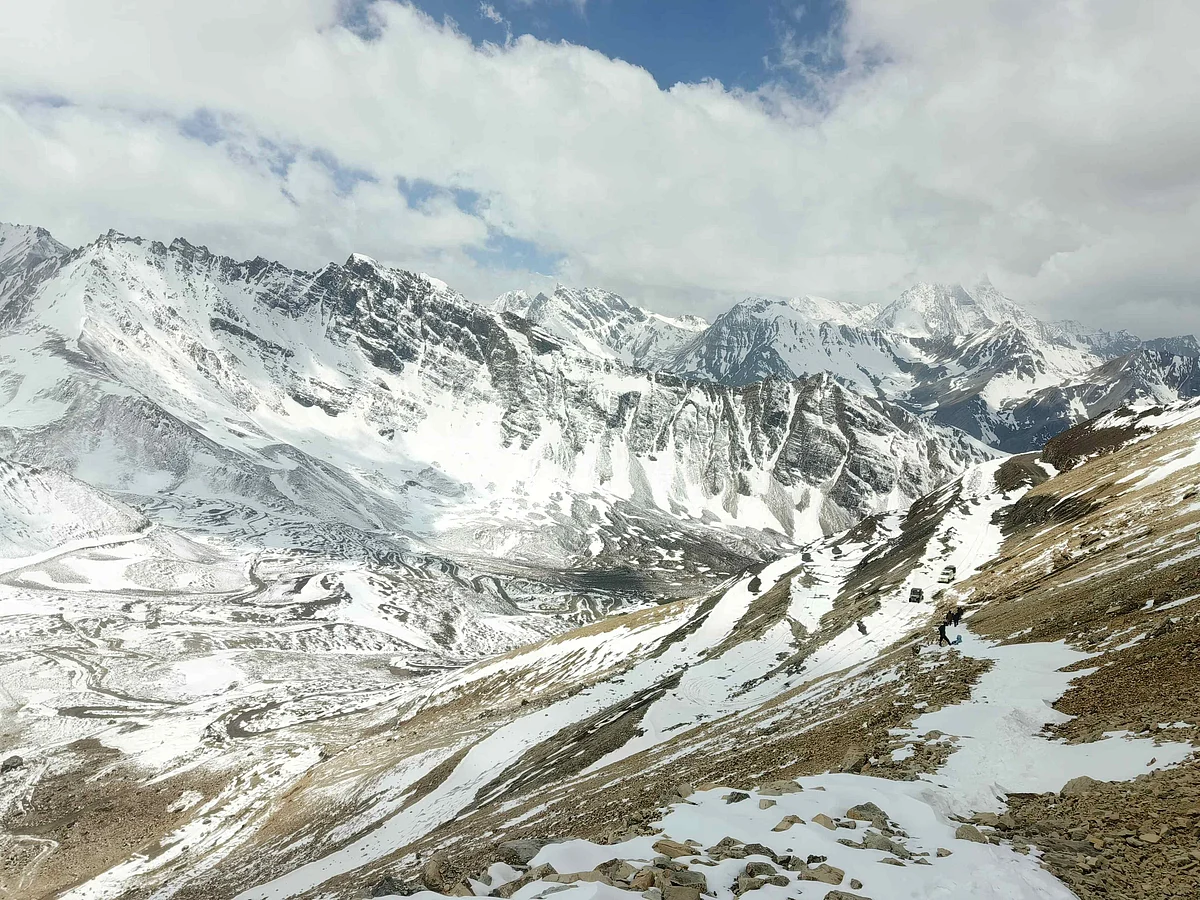
The India-Tibet border trade through the Lipulekh Pass in Uttarakhand's Pithoragarh district is set to resume after nearly seven years, bringing fresh hope to traders and residents of the remote Himalayan villages that have long depended on this seasonal exchange for their livelihood.
The first batch of 26 people, comprising 17 traders and nine helpers, is expected to cross into Tibet through the Lipulekh Pass on Friday. The move marks the revival of a centuries-old trade route that remained shut since 2020 due to the COVID-19 pandemic and continued border tensions between India and China.
First Batch Of Traders To Cross Lipulekh Pass
According to Dharchula Sub-Divisional Magistrate and Trade Officer Ashish Joshi, trade passes have already been issued for the first batch, while more are expected to follow. The administration has received over 103 applications this year, and a second batch of around 25 traders is likely to receive permits in the coming days.
To facilitate the reopening, a customs office has been made operational at Gunji, one of the last Indian villages before the Lipulekh Pass. Traders have already stocked their goods in warehouses near the border, while arrangements have also been made for mules and horses to transport consignments across the final stretch to the pass.
Why The Resumption Of Lipulekh Border Trade Matters
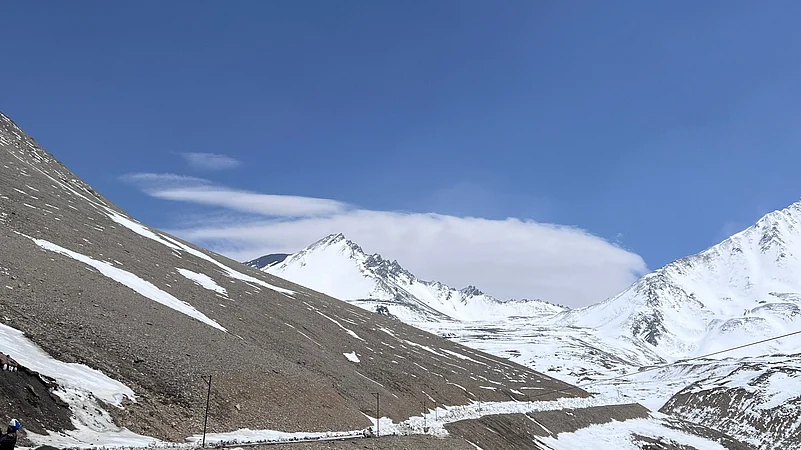

The reopening is expected to provide a significant boost to the economy of Uttarakhand's frontier villages. Local officials believe the revival of border trade will generate livelihoods, support small businesses and encourage greater economic activity in the region.
The Lipulekh Pass has historically served as both a trade route and a pilgrimage corridor connecting India with Tibet. Long before modern roads reached the area, traders from villages such as Gunji and Dharchula would carry goods across the high Himalayan pass to Taklakot in western Tibet, returning months later with products such as pashmina wool, rock salt and borax.
Trade through the route resumed in 1991 after being suspended following the 1962 India-China war. However, the route was closed again in 2020 and remained inaccessible for nearly seven years.
Better Road Connectivity Expected To Boost Trade
This year's reopening also comes with improved infrastructure. For the first time, Indian traders will be able to travel by road much closer to the Lipulekh Pass, reducing what was once a long and physically demanding trek. The final few hundred metres, however, will still need to be covered using mules or horses.
The trade is also expected to help resolve unfinished business from before the closure. Officials say goods worth more than one crore rupees belonging to nearly 45 Indian traders have remained in the Taklakot market for the past six years. Traders will now be able to either bring back their stock or sell it.
Trade Volume, New Market, And Future Prospects
A newly developed trade mart in Taklakot has also been prepared for Indian and Nepali traders. Members of the trade committee say the new market offers better storage facilities and more organised trading spaces than the older market, although they have requested concessional rents and improved logistical support.
In 2019, the last year before the suspension, trade through the Lipulekh route was valued at nearly INR 3 crore, including exports worth around INR 1.25 crore and imports of approximately INR 1.9 crore. With better road connectivity and renewed interest from traders, officials expect those figures to grow significantly in the coming years.
The administration has also noted increased participation from younger traders this year, along with women entering the trade. Officials hope the revival of this historic route will not only strengthen local livelihoods but also preserve a centuries-old trading tradition that has shaped life in Uttarakhand's high Himalayan border villages for generations.
(With inputs from various sources)
FAQs
Q1. Why was Lipulekh Pass border trade suspended?
The trade route was suspended in 2020 due to the COVID-19 pandemic and subsequent border tensions between India and China.
Q2. When did India-Tibet border trade through Lipulekh Pass resume?
The first batch of traders resumed crossing the Lipulekh Pass in June 2026 after nearly seven years.
Q3. Where is Lipulekh Pass located?
Lipulekh Pass is located in Uttarakhand's Pithoragarh district near the India-Tibet border and serves as an important trade and pilgrimage route.
Q4. What goods are traded through Lipulekh Pass?
Historically, Indian traders exported goods while importing products such as pashmina wool, rock salt, borax, and other traditional Tibetan items.
Q5. How many traders are participating in the first batch?
The first group consists of 26 people, including 17 traders and nine helpers.