For centuries and across continents, monuments have served as symbols of faith, empire, learning and collective memory. Yet in times of war, people have targeted these structures, treating them as symbols to be erased, rewritten or weaponised.
That reality is unfolding once again in the Middle East. Tehran’s historic Golestan Palace, often called the “Versailles of Iran,” reportedly suffered significant damage after US–Israel airstrikes on March 2, 2026. The UNESCO-listed complex was not believed to be a direct target, but shockwaves from explosions in Arg Square in central Tehran shattered the interiors of the 19th-century palace.
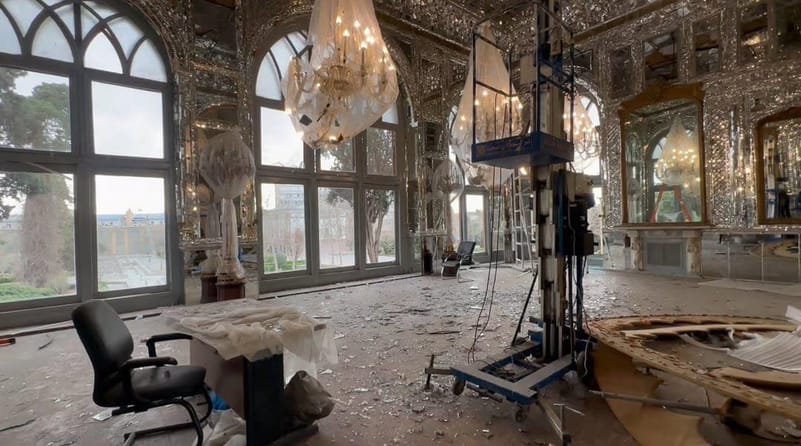

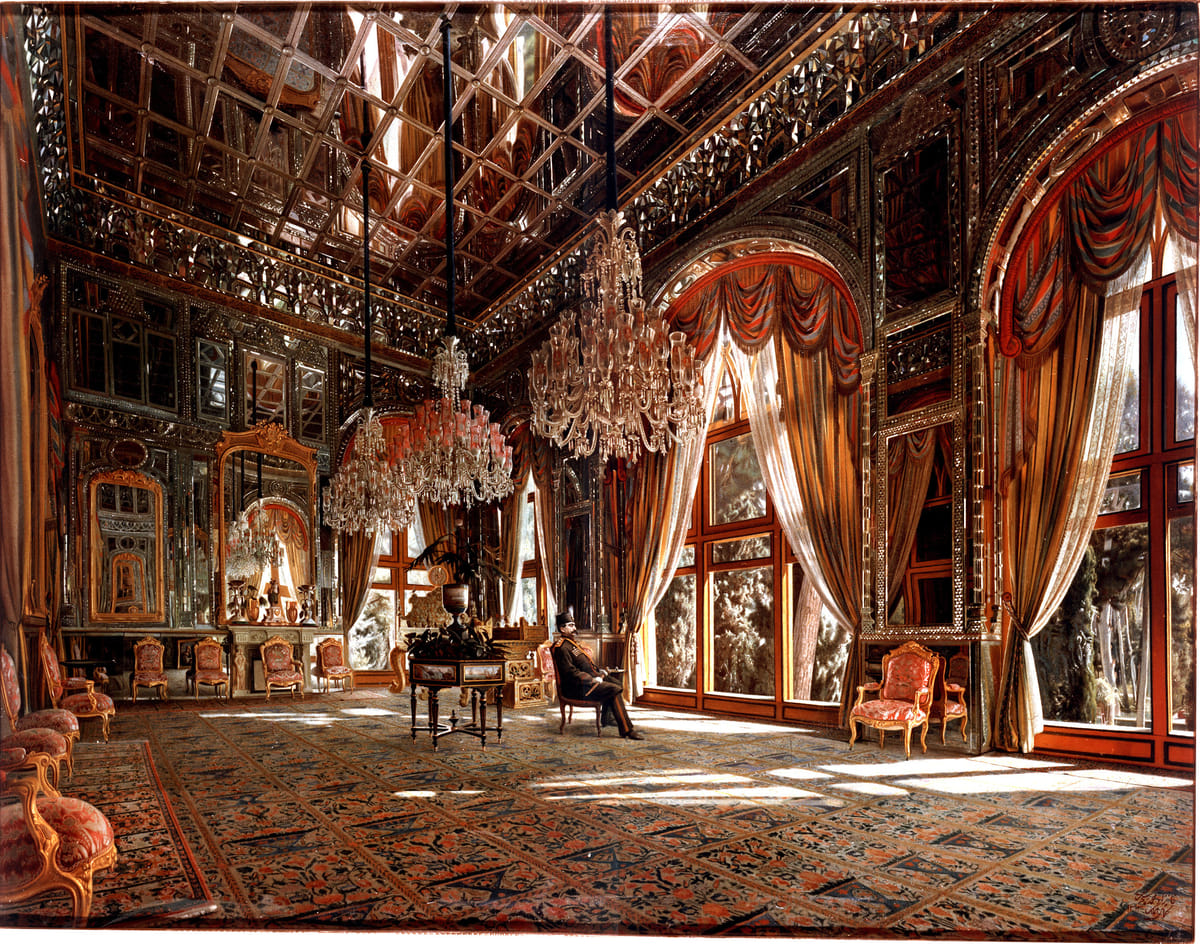
Once the crown jewel of the Qajar dynasty, Golestan Palace was renowned for its traditional Persian craftsmanship and European architectural influences. Its famed ayeneh-kari mirror mosaics were among its most celebrated features. After the airstrikes, halls such as the Talar-e Aineh (Mirror Hall) and parts of the Talar-e Almas (Diamond Hall) reportedly suffered heavy damage.
According to UNESCO, at least four of Iran’s 29 World Heritage sites have been affected since the hostilities began.
With this recent incident in mind, here are eight other monuments that succumbed to geopolitical warfare and what their destruction reveals about the fragility of heritage.
8 Monuments Lost To Geopolitical Warfare
1. Palmyra, Syria
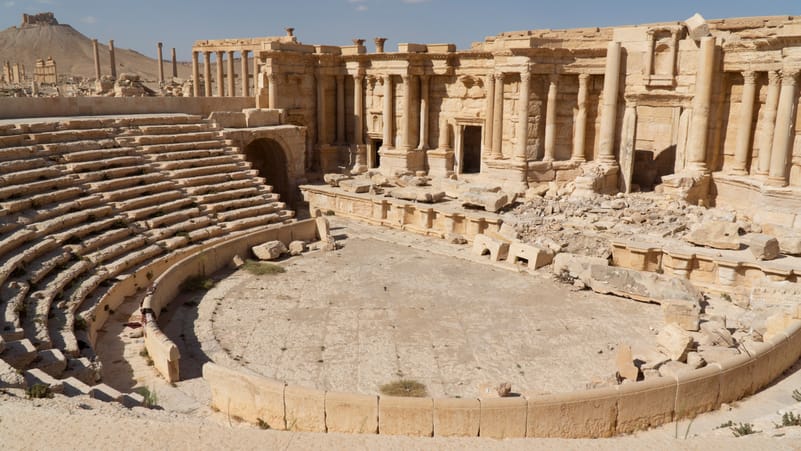
Palmyra was once a thriving oasis on the Silk Road. It was an entire city in the Syrian desert. Now, described as a vast open-air museum, it comprises massive Roman-era structures, including ruined temples and grand colonnades, as well as monumental arches and tomb towers.
The Syrian Civil War that took place in 2015 led to massive destruction of the site. ISIS militants systematically demolished key landmarks, including the Temple of Bel, the Temple of Baalshamin and the Monumental Arch. Though restoration efforts have begun, its scars remain a stark reminder of how heritage becomes collateral in geopolitical warfare.
2. The Buddha Of Bamiyan, Afghanistan
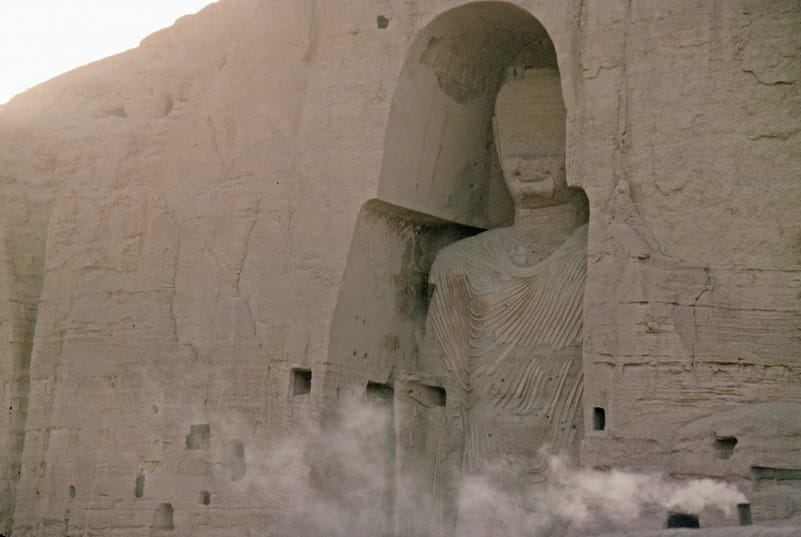
The Buddhas of Bamiyan were once the tallest standing Buddha statues in the world. Carved into sandstone cliffs in the 6th century, they bore witness to Afghanistan’s flourishing centre of Buddhist learning along the Silk Route.
In March 2001, the Taliban declared the statues as “idolatrous” and destroyed them using dynamite and tank fire. The demolition shocked the world, becoming one of the most infamous acts of cultural destruction in modern history. While international teams have stabilised fragments and explored digital reconstruction, the absence of the statues is a stark reminder of intolerance and irreversible loss.
3. Great Mosque Of Aleppo, Syria
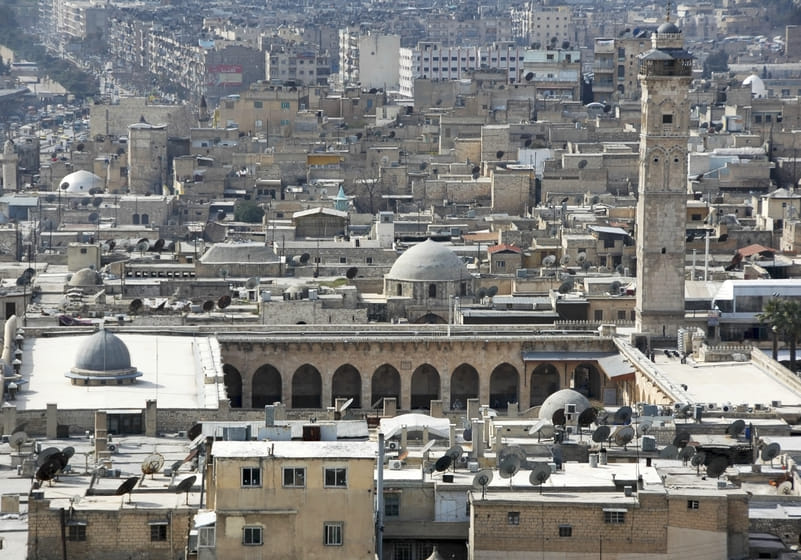
Originally built in 715 AD, the Great Mosque of Aleppo was one of the oldest and largest mosques in the Islamic world. Its 11th-century minaret, a masterpiece of Seljuk architecture, watched over the city for nearly a thousand years.
In 2013, amid intense fighting between government and rebel forces during the Syrian Civil War, the minaret was reduced to rubble. The mosque complex suffered extensive damage, its courtyard and prayer halls scarred by shelling and fire.
For Aleppo, the loss was symbolic. Reconstruction efforts are underway, but the mosque’s destruction showed how modern warfare can erase centuries of spiritual and architectural legacy in a single afternoon.
4. Nimrud, Iraq
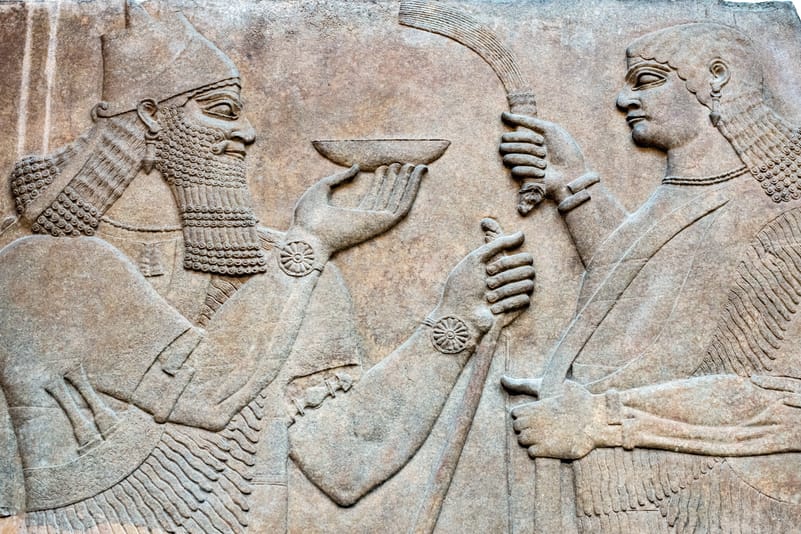
Nimrud, an ancient Assyrian city founded during the 13th century BC, was a treasure trove of monuments, including the Northwest Palace of Ashurnasirpal II, the Temple of Nabu, and colossal Lamassu, winged human-headed lions or bulls.
Most major structures and reliefs were destroyed by ISIS in 2015. The militants used bulldozers and explosives to destroy the site’s excavated remains. Video footage showed statues smashed and walls flattened in what the group described as an attack on “false idols.”
Beyond archaeological vandalism, the destruction was interpreted as a calculated attempt to wipe out pre-Islamic history and rewrite narratives of identity. Subsequent Iraqi and international restoration initiatives have attempted to salvage fragments, but much of the site’s grandeur has been permanently lost.
5. Great Omari Mosque, Gaza
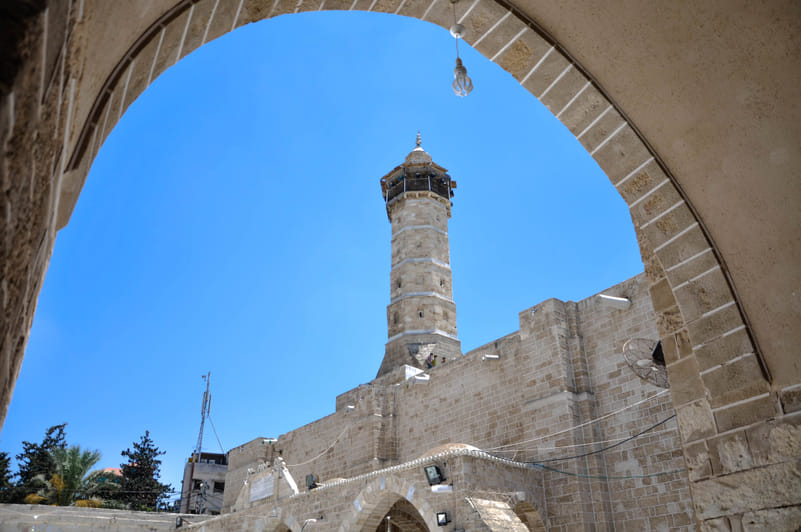
The Great Omari Mosque in Gaza City’s Old City is the largest and oldest mosque in the Gaza Strip. It served as a landmark with Mamluk and Italian Gothic architecture, featuring a 14th-century minaret. Its 13th-century library housed rare manuscripts and centuries of scholarship.
The mosque was damaged by airstrikes amid Israel's genocide on Gaza in December 2023. Reports confirmed the collapse of its roof and extensive destruction within the complex, including its historic library.
For Gaza’s residents, the mosque was not just a place of worship but a repository of collective memory. Its damage highlights how modern urban warfare puts historic neighbourhoods in harm’s way.
6. Old Summer Palace, China
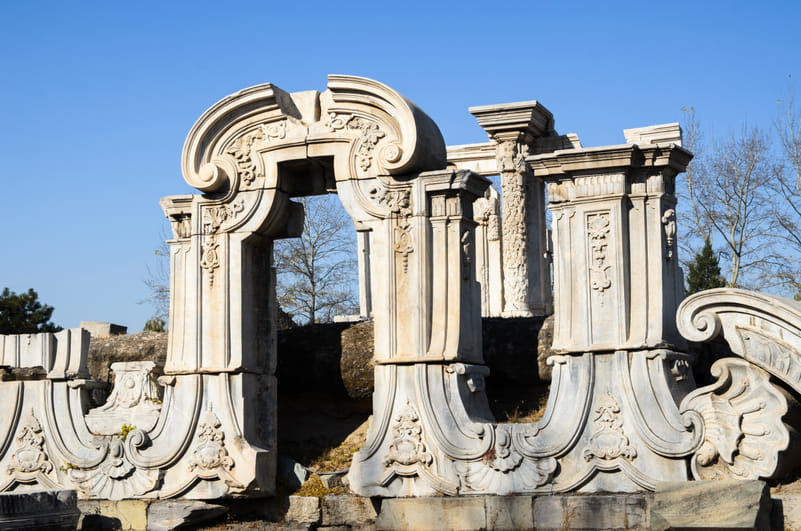
The Old Summer Palace, also known as Yuan Ming Yuan, was looted and burned by British and French troops on October 18, 1860, during the Second Opium War. The 18th-century imperial garden complex was the primary residence of Qing emperors. Spread across landscaped lakes, ornate halls and European-style pavilions, it embodied the height of imperial opulence.
The destruction lasted days, leaving behind charred ruins that remain largely unrestored. Today, the site stands as a memorial to colonial aggression, its skeletal remains preserved as testimony rather than rebuilt.
7. Stari Most, Bosnia And Herzegovina
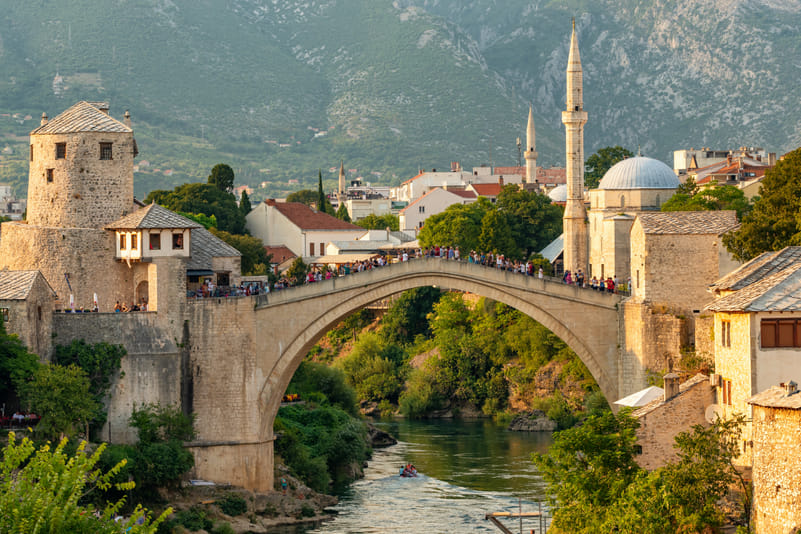
Stari Most in Mostar, Bosnia and Herzegovina, was a stone arch bridge spanning the Neretva River. The 16th-century stone bridge was commissioned by Suleiman the Magnificent and completed in 1566.
In November 1993, during the Bosnian War, Croatian forces deliberately shelled the bridge until it collapsed into the river below. Its destruction was widely interpreted as an assault on multicultural identity itself.
It is now a UNESCO World Heritage site known for its architectural elegance and as a symbol of cultural resilience after being rebuilt in 2004.
8. Timbuktu Mausoleums And Mosques, Mali
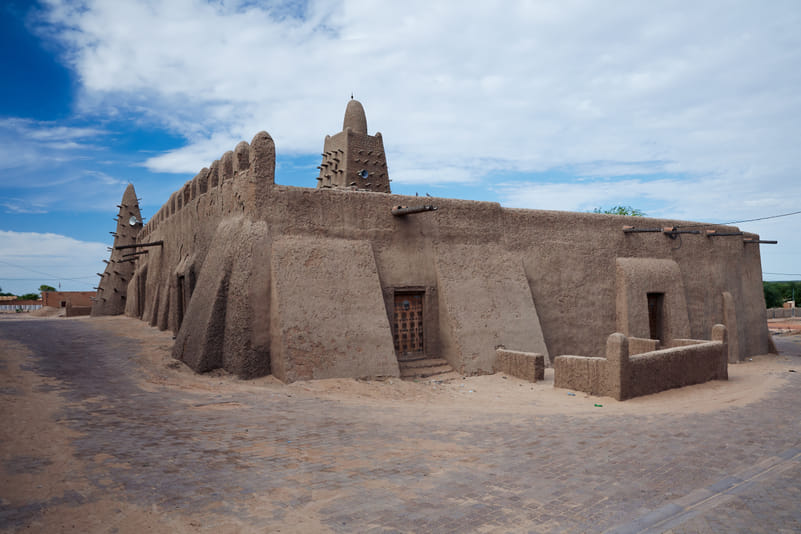
Known as the “City of 333 Saints,” Timbuktu was one of the most important centres of Islamic scholarship in the 15th and 16th centuries. Representing a golden age of Islamic scholarship and Sufi tradition in Mali, its mud-brick mausoleums and mosques were built in the Sudano-Sahelian style. Key monuments include the Djingareyber, Sankore, and Sidi Yahia mosques, as well as 16 mausoleums of saints.
During an Islamist insurgency in 2012, Al-Qaeda-linked extremist groups deliberately destroyed more than half of these ancient mausoleums, declaring them un-Islamic. The act led to the first-ever International Criminal Court conviction for the war crime of destroying cultural heritage.
FAQs
1. Why are monuments often targeted during war?
Monuments symbolise identity, religion and political power. In conflict, they may be targeted to erase history, intimidate communities or assert ideological control.
2. What happened to Palmyra in Syria?
Palmyra was seized by ISIS in 2015 during the Syrian Civil War. Major landmarks such as the Temple of Bel and the Monumental Arch were destroyed.
3. Why were the Buddhas of Bamiyan demolished?
The Buddhas of Bamiyan were destroyed by the Taliban in 2001, who considered them idolatrous. The act triggered global condemnation.
4. What is the significance of Stari Most?
Stari Most was a 16th-century Ottoman bridge destroyed in 1993 during the Bosnian War. It was rebuilt in 2004 and later designated a UNESCO World Heritage Site.
5. What happened in Timbuktu in 2012?
Extremist groups destroyed several mausoleums in Timbuktu in 2012. The destruction led to the first International Criminal Court conviction for damaging cultural heritage.