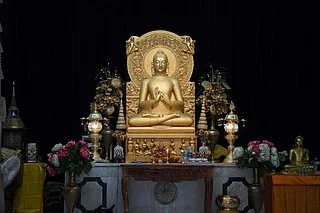
Travel through Nepal, and you quickly realise that history, spirituality and nature exist side by side. One moment, you are walking through a medieval square filled with intricately carved temples. The next, you are standing before a massive Buddhist stupa where pilgrims circle in quiet devotion. A short journey away, the world’s tallest mountains rise above deep valleys and glaciers. Nepal’s UNESCO World Heritage Sites capture all of this in remarkable ways. Some take you deep into the country’s religious traditions, while others reveal landscapes that feel almost untouched by time.
Here are the UNESCO World Heritage Sites in Nepal that deserve a place on your travel list.
Kathmandu Durbar Square
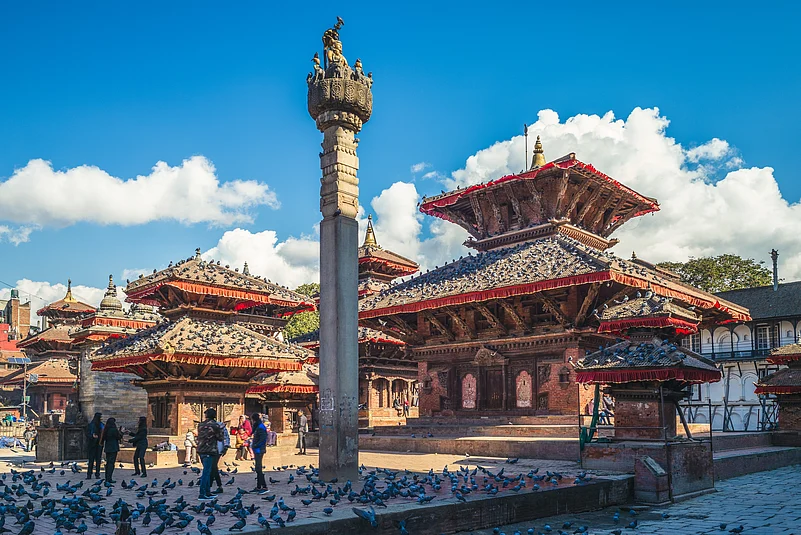

Visiting Kathmandu Durbar Square transports you to the once political and cultural centre of the land. For many years, this historical square served as the royal palace complex of the Malla and Shah Kings. While exploring the courtyards, pagoda-style temples are seen on every side, surrounded by beautiful carved wooden details and stunning stone sculptures, showcasing the incredible craftsmanship of Newari artisans. Kumari Ghar, where the living goddess Kumari lives, is also located in the complex. Unfortunately, much of the complex was destroyed as a result of a 2015 earthquake; however, through careful restoration, many of the structures have been slowly rehabilitated.
Patan Durbar Square

A short drive from Kathmandu takes you to Patan, often called the city of fine arts. The Patan Durbar Square is less lively than before but still magnificent. There are many temples, courtyards, and palaces on the square, and each has some of the most beautiful metalwork and stone carvings in the area. The Krishna Mandir temple is all made of stone and has elegant architecture and detailed carvings. If you walk through the streets around the square, you can see many craftsmen still working in bronze, wood, and metal, as their ancestors have for centuries.
Bhaktapur Durbar Square
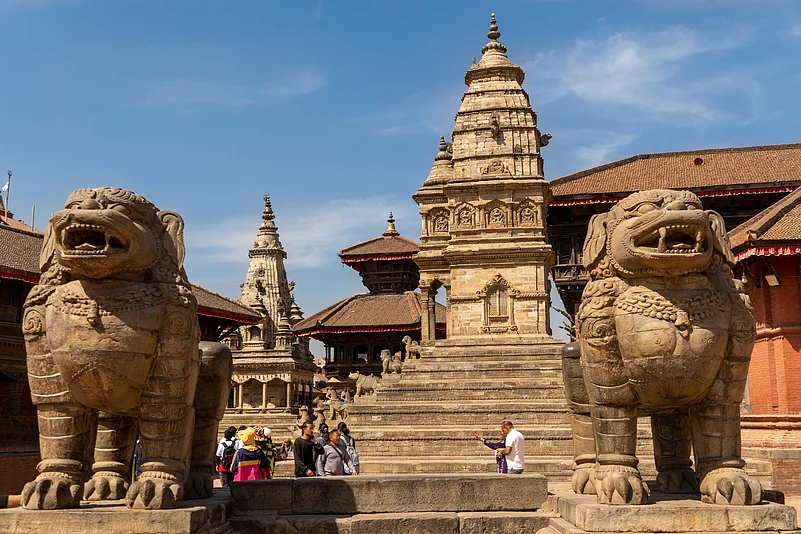
Bhaktapur offers a glimpse of what a medieval Himalayan town once looked like. When entering Bhaktapur Durbar Square, the narrow brick-paved streets and large standing temples will take you back in time. The Nyatapola temple has five levels, stands tall, and has stone guardians at the base of each staircase. Nearby, the 55-window palace exhibits fine woodwork. There are still many strong traditions in Bhaktapur; you will see pottery square, people celebrating local festivals, and artisans carrying out work as they have done for hundreds of years.
Swayambhunath Stupa
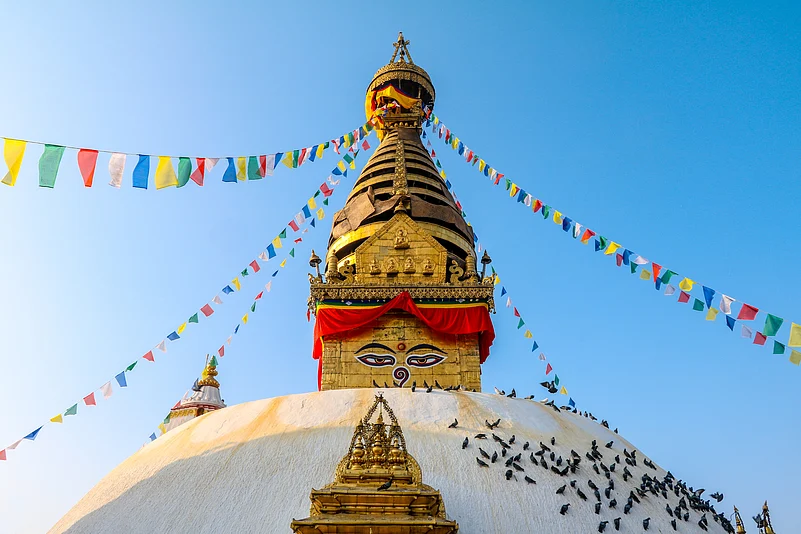
High on a hill overlooking Kathmandu stands Swayambhunath, one of Nepal’s most recognisable landmarks. The gleaming white dome and the glistening gold top adorned with Buddha’s eyes watch over all of the valley. When you proceed up a long set of stairs to reach the stupa, there are colourful prayer flags flapping in the breeze and monkeys playfully roaming around the adjacent forest. This place is sacred to both Buddhists and Hindus.
Boudhanath Stupa
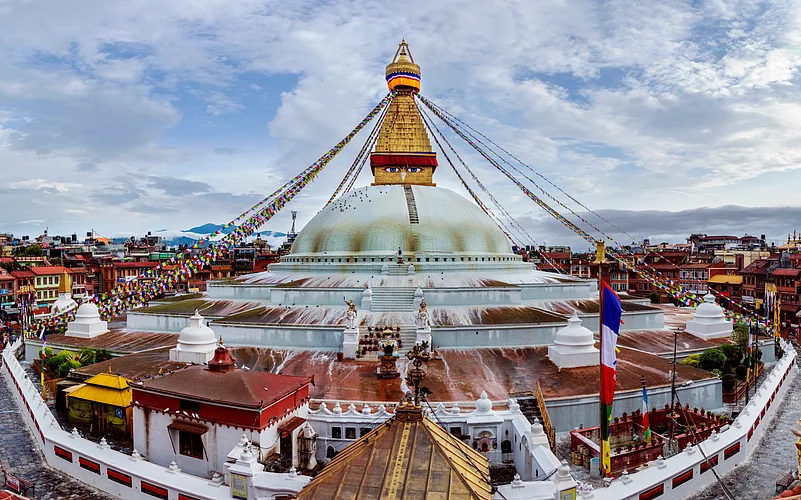
Boudhanath is one of the largest stupas in the world and a centre of Tibetan Buddhist culture in Nepal. The large white dome is located in a circular courtyard with monasteries, stores and prayer wheels surrounding it. Throughout the day, pilgrims walk around the stupa spinning the prayer wheels and whispering prayers as the smoke from incense wafts. Visit in the evening, and you will see people from the surrounding community, including monks and the local population, coming together to pray, under the glow of the stupa's golden light.
Pashupatinath Temple
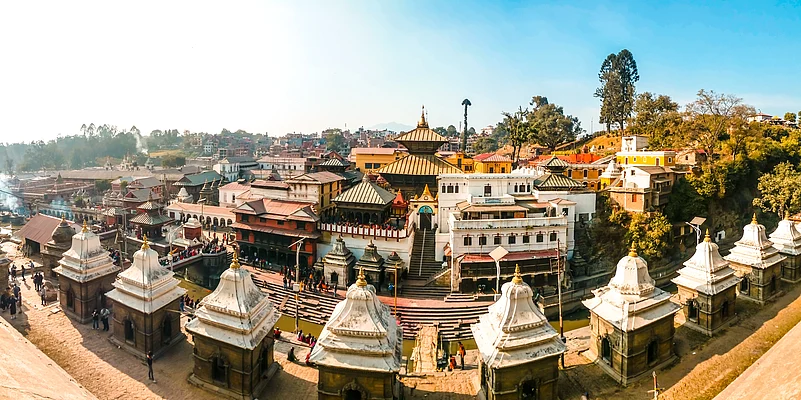
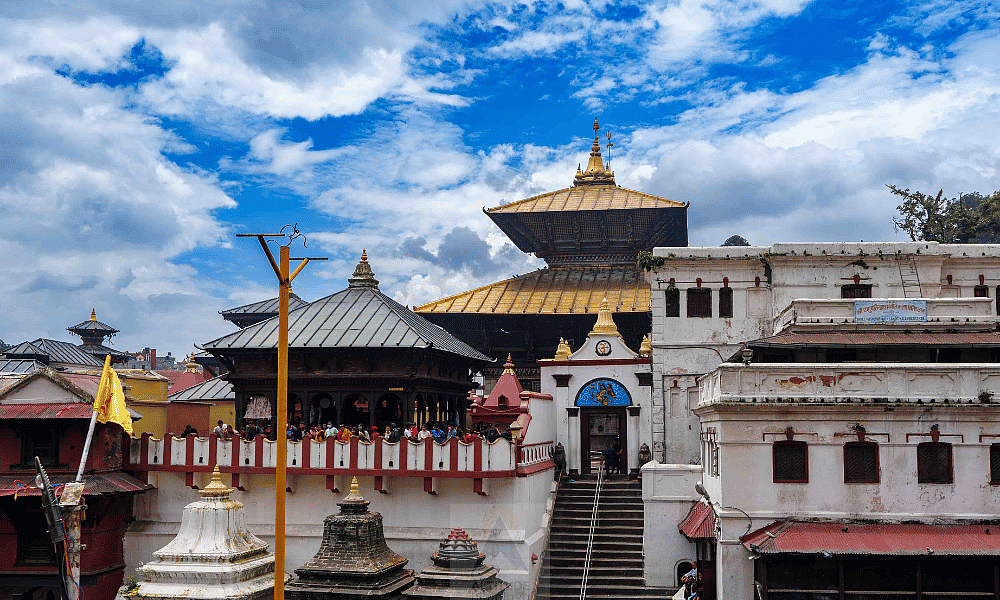
Along the banks of the Bagmati River stands Pashupatinath, one of the most sacred Hindu temples dedicated to Lord Shiva. The temple complex spreads across both sides of the river and includes hundreds of smaller shrines and temples. Cremation rites take place on the ghats (banks) of the river at the temple complex, making this place both deeply religious and really moving.
Changu Narayan Temple
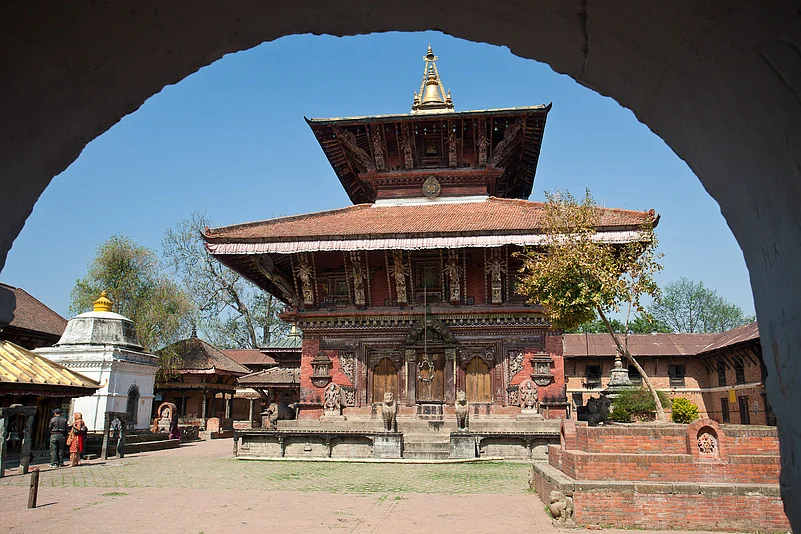
Set on a hilltop on the outskirts of the Kathmandu Valley, Changu Narayan is believed to be the oldest Hindu temple in Nepal. The temple is dedicated to Lord Vishnu and dates back more than a thousand years. The structure is known for its minute wooden struts and stone carvings that depict scenes from Hindu mythology. The quiet setting adds to the sense of history, allowing you to appreciate the artistry and devotion that shaped the temple over centuries.
Lumbini
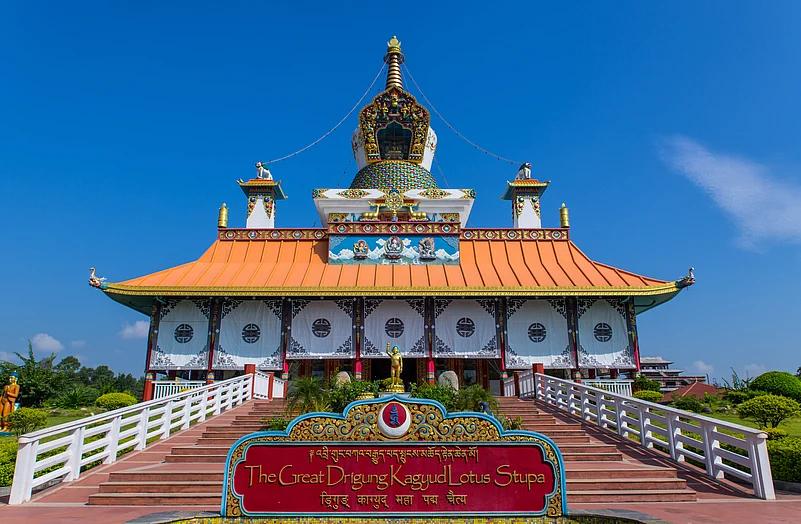
For millions of people around the globe, Lumbini is a place of great importance. The tranquil complex has great importance because it represents the site where Siddhartha Gautama, later known as Buddha, was born. The location has the Maya Devi Temple built on the exact place of his birth. The Ashokan Pillar located near the temple was erected by Emperor Ashoka in the third century BCE to celebrate the spot. The gardens surrounding the structure have monasteries constructed by Buddhist groups from all over the world, creating an area to reflect on life and take a pilgrimage.
Sagarmatha National Park
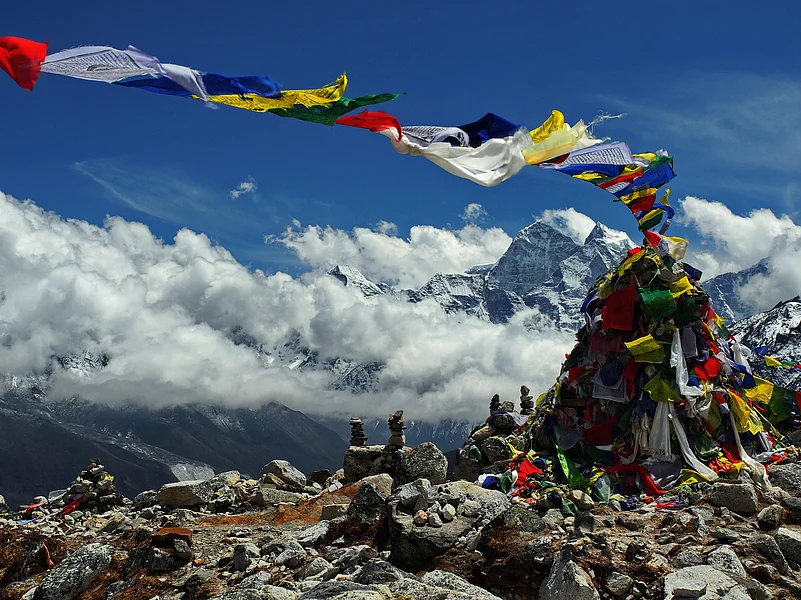
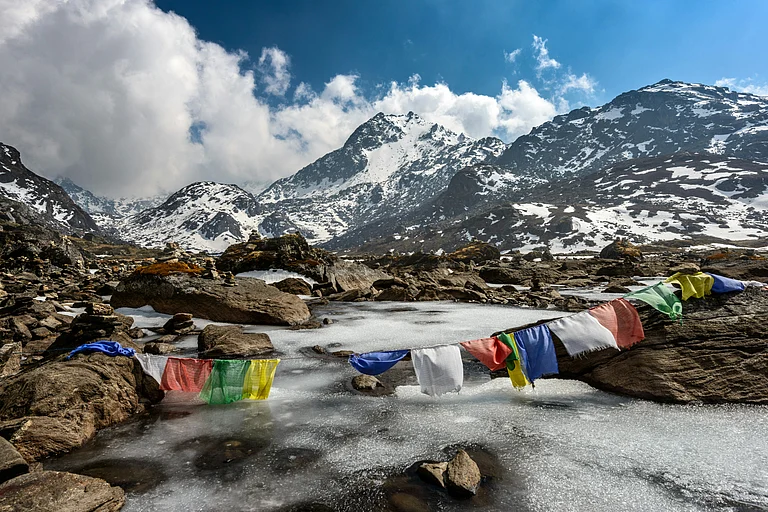
For most people who travel to Nepal, this is the image that comes to their mind about Nepal— the highest mountain in the world, Mount Everest, standing tall and proud as it does over the majestic Himalayan Mountain Range. The area around Mount Everest, known as Sagarmatha National Park, has been preserved for generations and contains one of the most beautiful areas on the planet, with many dramatic landscapes to be experienced. Trekking through Sagarmatha National Park provides the chance to see glaciers, valleys, and mountain tops that simply can’t be imagined, as well as making it possible to learn about Sherpa culture by visiting monasteries and the many small villages that line the historic and ancient trekking routes through this stunning region.
Chitwan National Park
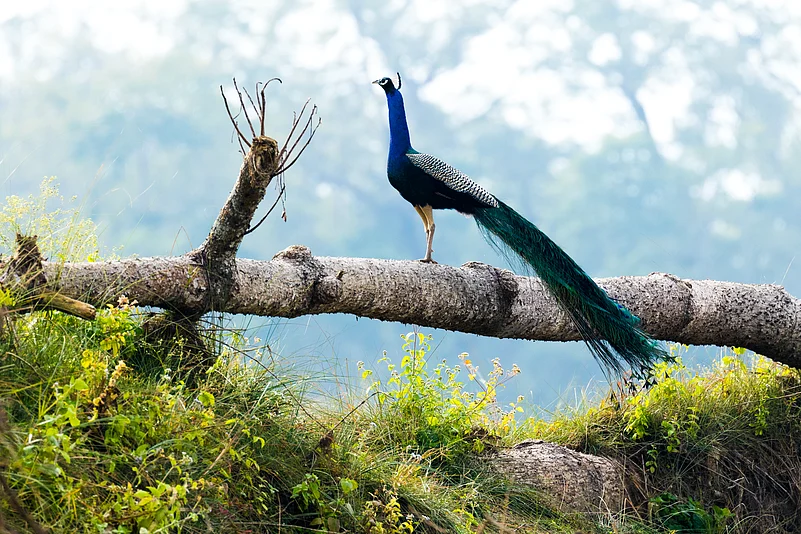
Head southwards from the foothills, and the landscape transforms radically into something very unlike mountainous Nepal. Chitwan National Park, located in the Terai region, showcases an entirely different aspect of Nepal and houses densely thick forests as well as numerous grass and wetland habitats along with meandering rivers; this creates a rich and diverse environment for animals. Among the many different types of animals in Chitwan National Park, you may see the elusive Indian rhinoceros, crocodiles basking on the banks of the river, and the majestic Bengal tiger. In addition to providing you with an up-close look at the diverse array of flora and fauna in the park, jungle safaris and canoe trips will introduce you to the indigenous Tharu culture.
FAQs
1. How many UNESCO World Heritage Sites are there in Nepal?
Nepal has 10 UNESCO World Heritage Sites, including cultural landmarks in the Kathmandu Valley and natural sites such as Sagarmatha National Park and Chitwan National Park.
2. Which UNESCO sites are located in the Kathmandu Valley?
The Kathmandu Valley contains several UNESCO sites, including Kathmandu Durbar Square, Patan Durbar Square, Bhaktapur Durbar Square, Swayambhunath Stupa and Boudhanath Stupa.
3. Which UNESCO site in Nepal is associated with Mount Everest?
Sagarmatha National Park is the UNESCO-listed region that includes the world’s highest peak, Mount Everest.
4. Why is Lumbini an important UNESCO site?
Lumbini is recognised as the birthplace of Siddhartha Gautama, who later became the Buddha, making it one of the most significant pilgrimage sites for Buddhists worldwide.
5. Which UNESCO site in Nepal is known for wildlife safaris?
Chitwan National Park is famous for jungle safaris where visitors may spot Bengal tigers, one-horned rhinoceroses and crocodiles.