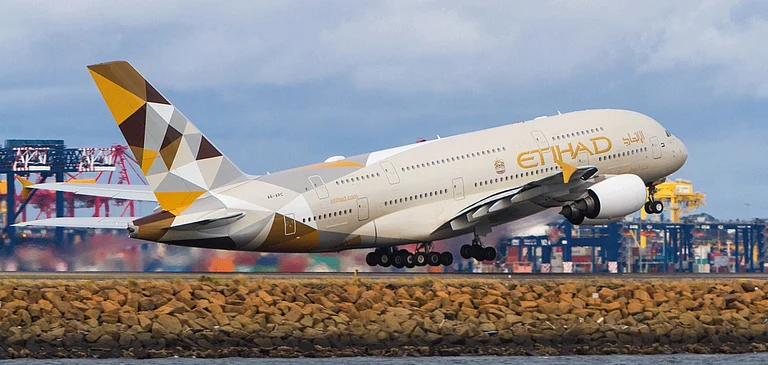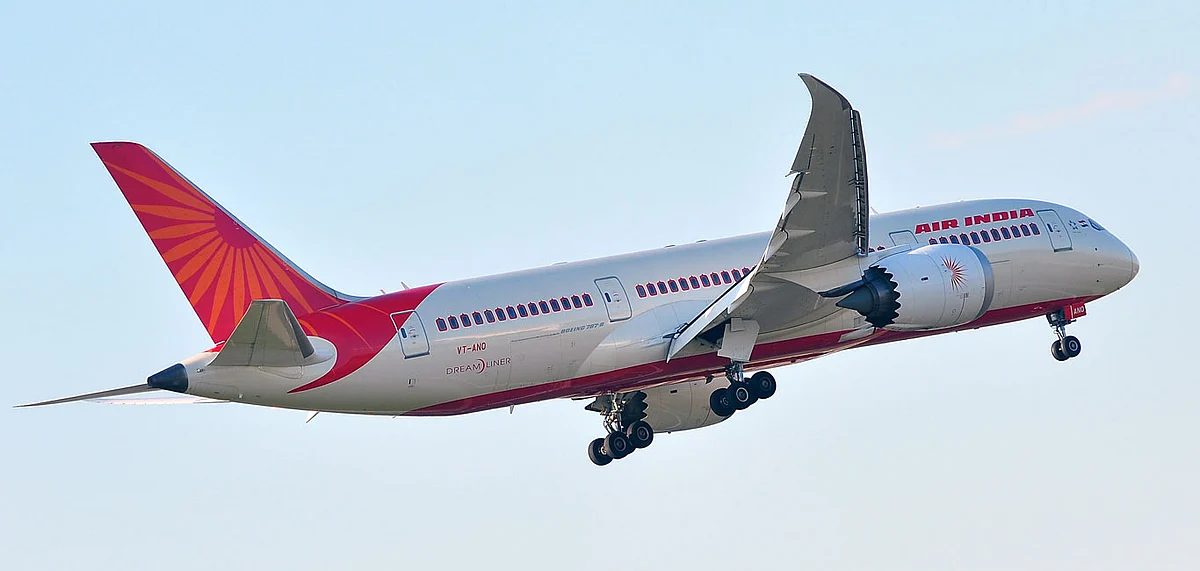
For millions of Indians who live, work or travel through the Gulf, the last ten days have brought unprecedented aviation chaos. Several Gulf states closed their airspace on February 28, 2026, due to a highly escalated conflict in the Middle East. The closure of the airspace abruptly shut down many of the world’s busiest flight routes. Passengers travelling between India and the various Gulf hubs found their flights cancelled, delayed, and as a result, many became stranded. Airlines were then forced to redraw their flight routes. As of March 9, 2026, airlines have begun operating in phases, but the aviation system linking India and West Asia continues to have major difficulties in stabilising.
The disruption began after tensions surged following a series of strikes involving Iran, Israel and the United States. Several Middle Eastern countries quickly moved to close or restrict their airspace as a precaution, as missile and drone activity intensified across the region. Airlines had little choice but to ground aircraft or divert flights away from the affected zones.
Countries including Iran, Iraq, Kuwait, Qatar, Bahrain, Israel and the United Arab Emirates imposed restrictions on civilian aviation, effectively shutting down a major air corridor that normally links Asia, Europe, and Africa.
The result was a wave of cancellations and rerouted flights across global aviation networks. Since the crisis began on February 28, industry estimates suggest that more than 37,000 flights to and from the Middle East have been cancelled.
Why Indian Routes Were Hit Hard
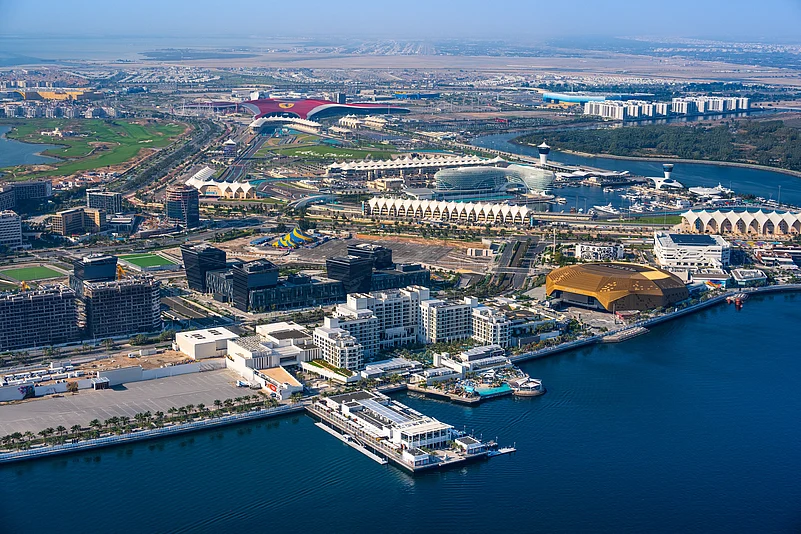
The Gulf region is central to India’s international aviation network. Cities such as Dubai, Abu Dhabi and Doha act as major transit hubs for Indian travellers heading to Europe and North America.
When these hubs shut down, flights from Indian cities were either cancelled or diverted. Indian airlines faced an additional challenge because they could not fly over Pakistan’s airspace due to earlier geopolitical tensions, forcing them to take longer routes through the Arabian Peninsula or Europe.
This combination of closed skies and restricted routes increased flying times, forced technical refuelling stops and disrupted airline schedules across India’s international network. The immediate impact was felt by travellers across the Gulf. Airports in the UAE and other countries temporarily halted operations, leaving thousands of passengers stranded in transit hubs.
Indian diplomatic missions and airlines began organising emergency travel arrangements as the situation unfolded. Within a week of the crisis, more than 52,000 Indians had managed to return from the UAE and other Gulf countries through coordinated flights and evacuation efforts.


Flights Begin To Return
After nearly two days of a complete shutdown, airports in the United Arab Emirates started allowing limited operations again. Dubai’s airports reopened cautiously, with only a small number of flights permitted while authorities reviewed safety conditions.
Airlines were instructed to prioritise passengers already stranded in the region and to operate flights only when cleared by aviation authorities.
Indian carriers have begun restoring connectivity with West Asia. On March 9, Air India and Air India Express together scheduled 56 flights, including additional services to help passengers affected by the disruption.
Air India also announced 32 special flights from key Gulf cities to India to bring stranded travellers home and stabilise operations on major routes. Further measures are planned. The airline has said it will add 78 extra international flights on nine routes between March 10 and 18 to manage demand and clear the backlog of passengers waiting to travel.
The scale of the disruption highlights how deeply Indian aviation depends on Gulf hubs. Before the crisis, hundreds of thousands of passengers passed through airports such as Dubai, Abu Dhabi and Doha every day, many of them travelling between India and Europe or North America.
When those hubs slowed down or shut temporarily, the effects were felt far beyond the region. Airlines were forced to reroute flights through narrow corridors, increasing costs, travel time and fuel consumption.
What Travellers Should Expect Now
As of today’s date, flights between India and the Gulf have begun returning in phases. Some routes are operational again, particularly between India and the UAE, while other destinations remain limited or unpredictable.
Airlines continue to adjust schedules based on security assessments and airspace restrictions. Travellers are being advised to confirm flight status with airlines before heading to the airport, as conditions in the region can change quickly.
(With inputs from various sources.)