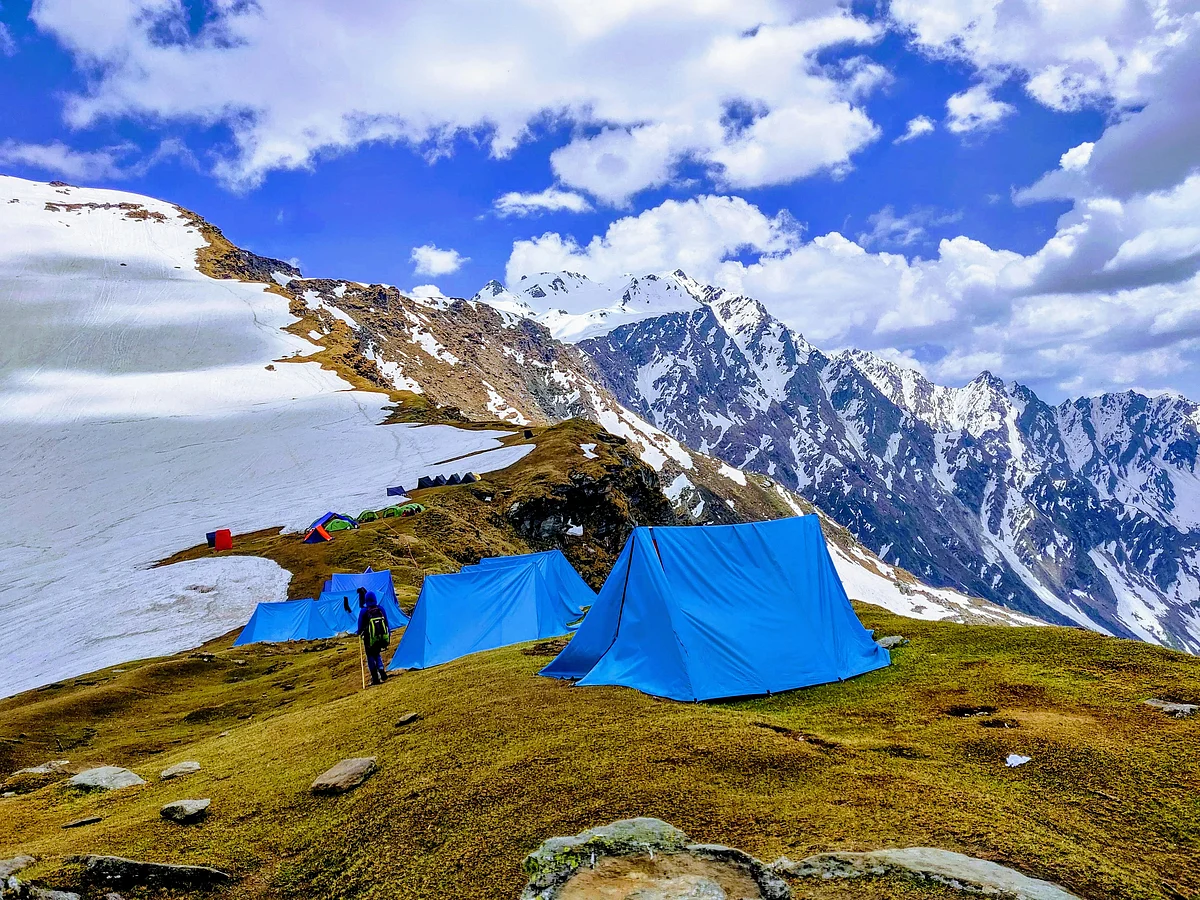
The cafés are still open, the pine-scented air still drifts through the narrow lanes, and the Parvati River continues its steady rush past the village. Yet something feels different in Kasol this year. The familiar rhythm of Hebrew conversations, backpacker chatter, and bustling café terraces is noticeably subdued.
For decades, this small Himalayan hamlet in Himachal Pradesh’s Parvati Valley has been synonymous with Israeli backpackers. Often nicknamed “Mini Israel,” Kasol—and neighbouring villages like Kalga, Pulga, and Tosh—built a distinct tourism identity around travellers arriving from Tel Aviv after their mandatory military service. But this season, local businesses say that the travellers who once defined the region’s tourism economy are largely absent.
The shift is already visible at the start of what is typically the build-up to the summer travel season. Cafés that once printed menus in Hebrew and homestays that relied heavily on Israeli guests are reporting unusually low inquiries and bookings.
Changing Travel Patterns
Tourism stakeholders across the valley believe the slowdown is closely linked to the ongoing geopolitical tensions involving Israel, Iran, and the United States, which have disrupted international travel patterns across several regions.
The Parvati Valley usually receives a steady influx of Israeli backpackers between late spring and early autumn. February to June is typically when bookings begin building up, with travellers reserving stays weeks in advance and arriving in time to spend extended periods exploring the Himalayan villages.
In a normal year, the Kasol region alone attracts an estimated 10,000 Israeli visitors. These travellers form a crucial part of the local tourism economy, frequenting small cafés, renting rooms in family-run homestays, and spending weeks trekking between villages such as Kalga, Pulga, Tosh, and Chalal.
This year, however, the booking pattern has shifted dramatically. Travel operators say reservations from Israel—which typically begin appearing 20 to 30 days before arrival—have almost completely disappeared. Even the few visitors who arrived earlier in the year reportedly shortened their stays and returned home sooner than planned.
The quiet is not limited to Kasol alone. Other backpacker hubs in Himachal Pradesh, including Dharamkot near Dharamshala and Old Manali, are also witnessing a noticeable drop in Israeli travellers.
Tourism Economy Impact
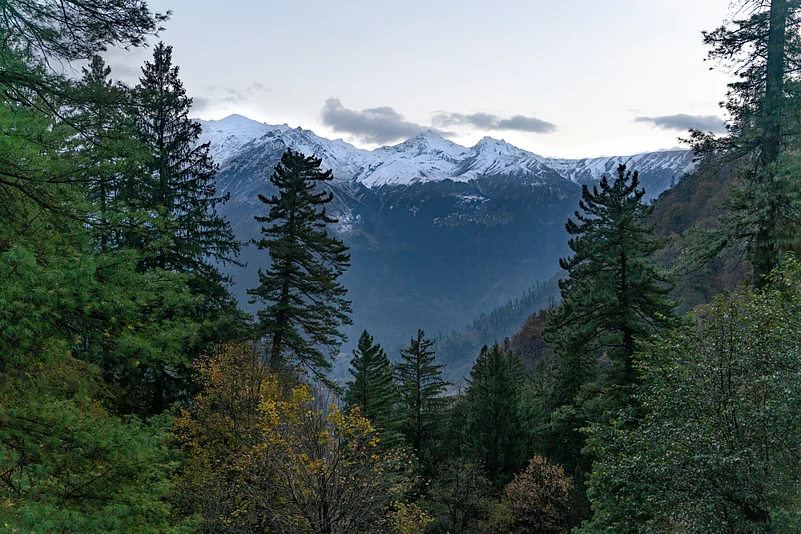

For the Parvati Valley’s tourism ecosystem, the absence is more than symbolic. Israeli travellers have long been a cornerstone of the region’s hospitality economy.
Small guesthouses, roadside cafés, trekking guides, taxi drivers, and grocery shops all depend heavily on the seasonal flow of backpackers. Many establishments have shaped their offerings around Israeli tastes—serving dishes like shakshouka and hummus alongside Indian staples, stocking Hebrew-language menus, and building networks that cater specifically to long-stay travellers.
Tourism data from the Himachal Pradesh Tourism Development Corporation highlights the broader importance of international visitors to the region. Kullu district, which includes the Parvati Valley, ranks among the top three districts in the state for foreign tourist arrivals, alongside Kangra and Shimla.
When international travel slows, the ripple effects are felt quickly across local communities. With fewer backpackers exploring the valley’s cafés and trails, many small businesses are entering the season with uncertainty.
Industry observers note that Israeli tourists are particularly significant because they often travel independently and stay for longer durations compared to other international visitors, making them a stable source of income for local operators.
Air Routes Disrupted
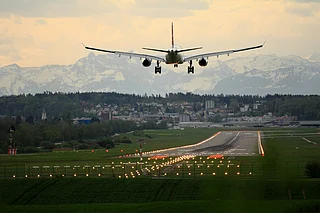
Air connectivity has also played a role in the decline. Until recently, Air India operated the only direct flights between Tel Aviv and New Delhi, but the service has been temporarily suspended amid the regional conflict.
Israeli carriers such as El Al Israel Airlines and Arkia Israeli Airlines had previously shown interest in launching direct flights to India, though those plans have yet to materialise.
Transit routes have also become less predictable. Dubai International Airport has long served as a key stopover for Israeli travellers heading to India. With uncertainties affecting flights between Tel Aviv and major regional hubs, many travellers appear to be postponing trips altogether.
For now, the result is a quieter Parvati Valley. The wooden homes of Kasol and the forest trails leading to Kalga and Pulga remain as scenic as ever—but the seasonal hum of Israeli backpackers that once defined these mountain villages has yet to return.
Local tourism operators are hopeful that travel patterns will stabilise before the peak summer months arrive. Until then, the cafés of Kasol continue to wait—tables set, menus ready—for the travellers who helped give the village its international character.
(With inputs from various sources.)
FAQs
1. Why are Israeli tourists missing from Kasol this season?
The decline is largely linked to the ongoing conflict involving Israel and Iran, which has disrupted travel plans and international flight routes.
2. Why is Kasol called ‘Mini Israel’?
Kasol earned the nickname because of the large number of Israeli backpackers who visit the village each year and the presence of Hebrew cafés and menus.
3. Which places in Himachal Pradesh are popular with Israeli travellers?
Israeli backpackers often visit Kasol, Kalga, Pulga, and Tosh in Parvati Valley, as well as Old Manali and Dharamkot near Dharamshala.
4. How important are Israeli tourists to the Parvati Valley economy?
They are a key part of the local tourism economy, often staying for extended periods and supporting cafés, homestays, and trekking services.
5. When is the peak season for Israeli travellers in Parvati Valley?
Most Israeli travellers visit between late spring and early autumn, with arrivals typically increasing from February onwards.