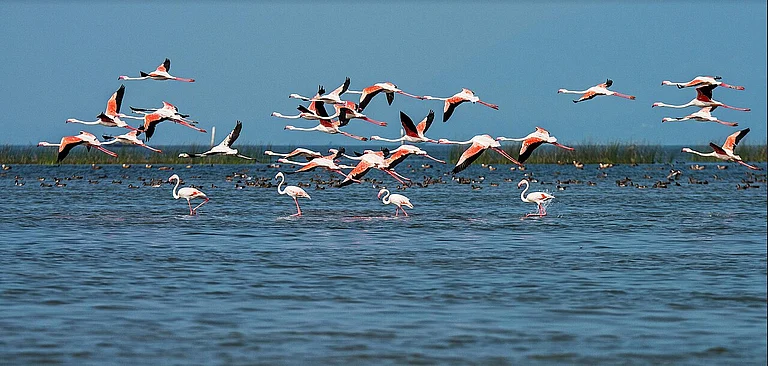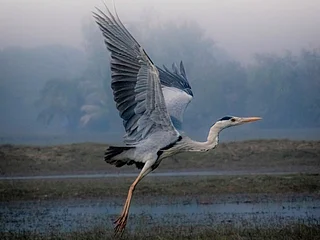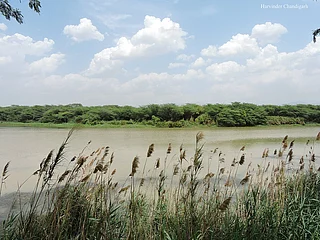


Every winter, the skies above India become corridors of extraordinary movement. Across continents and coastlines, thousands of migratory birds embark on journeys spanning thousands of kilometres, trading frozen breeding grounds for the relatively warmer wetlands of the subcontinent. Their arrival brings a change of season to India's lakes, marshes and mudflats, where flamingos tint shallow waters pink, geese gather in noisy flocks, and waders comb the shoreline for food. As the birdwatching season begins, these seven destinations offer a front-row seat to one of nature's most remarkable annual migrations.
Keoladeo National Park, Rajasthan
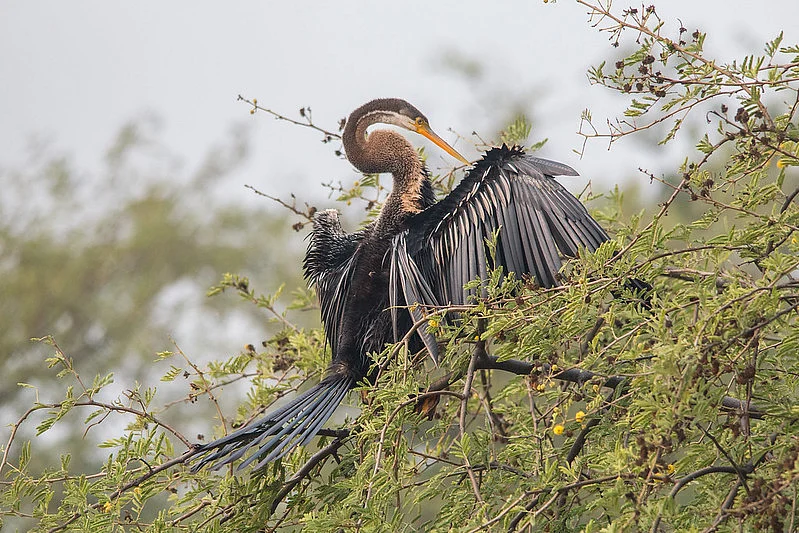

One of India's most celebrated birding destinations, Keoladeo National Park in Bharatpur is a winter refuge for birds arriving from Afghanistan, Turkmenistan, China and Siberia. The UNESCO World Heritage Site's network of marshes, shallow lakes, grasslands and woodland patches creates a mosaic of habitats for waterbirds and terrestrial species alike. Winter visitors include ducks, geese, coots, pelicans and waders, while raptors can sometimes be spotted circling overhead. Keep an eye out for painted storks, spoonbills and herons, too. Exploring its trails by bicycle, cycle rickshaw or on foot offers different perspectives of this remarkable wetland ecosystem.
Chilika Lake, Odisha
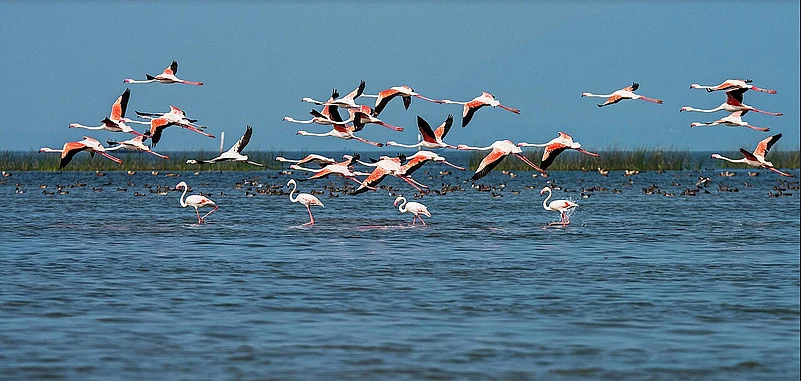
Spread across Odisha's eastern coastline, Chilika Lake is Asia's largest brackish-water lagoon and one of India's most important wintering grounds for migratory birds. Every year, nearly a million birds belonging to more than 200 species arrive here, transforming its waters and marshlands into a seasonal avian spectacle. The northern stretch around Mangalajodi is particularly rewarding, where narrow channels and marsh vegetation offer opportunities to observe birds at close quarters on guided boat excursions. Look for black-tailed godwits, sandpipers, avocets, northern shovelers, Eurasian wigeons and flamingos. Nalabana Bird Sanctuary, an island within the lagoon, is another important habitat, although access is restricted.
Nal Sarovar Bird Sanctuary, Gujarat

A vast expanse of shallow water dotted with 360 small islets, Nal Sarovar is one of Gujarat's most distinctive birding landscapes. Migratory birds begin arriving after the monsoon, travelling from Central Asia, Europe and Siberia to spend the colder months around its marshes and lagoons. Greater and lesser flamingos are among its most recognisable visitors, often sharing the waters with pelicans, coots, cranes, geese and several species of ducks. One of the most memorable ways to explore the sanctuary is by traditional boat, gliding through the shallows towards the islets where birds gather to feed and rest. The migration season generally extends from October to April, with numbers building through winter.
Sultanpur National Park, Haryana
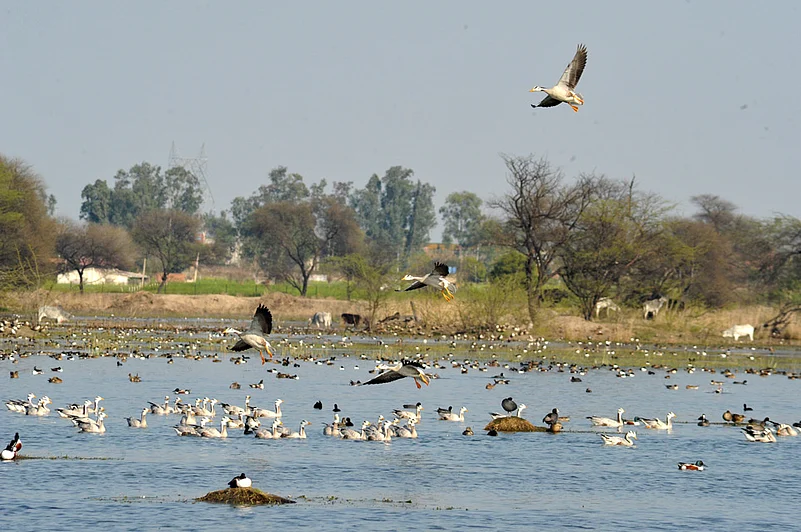
A short drive from Delhi, Sultanpur National Park offers a rewarding introduction to winter birdwatching without requiring a long journey. This Ramsar-listed wetland in Gurugram supports more than 250 species of resident and migratory birds, with its seasonal water bodies, grasslands and scattered trees providing varied habitats. As winter sets in, visitors can look out for greater flamingos, bar-headed geese, northern pintails, Eurasian wigeons and common teals. The park's walking trails and watchtowers make it easier to observe birds without venturing into sensitive wetland areas. November to February is the principal migratory season, making early mornings particularly worthwhile for a visit.
Harike Wetland, Punjab
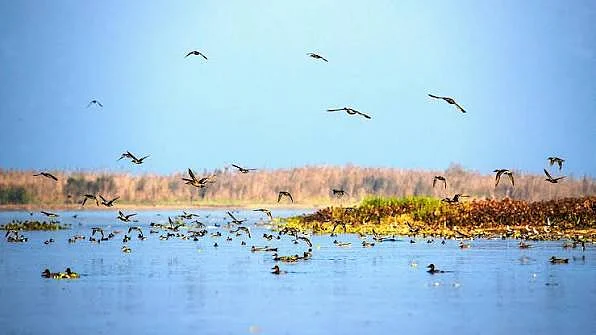
At the confluence of the Beas and Sutlej rivers, Harike Wetland spreads across a landscape of open water, marshes and aquatic vegetation in Punjab. Its location makes it an important wintering habitat for birds travelling from distant northern regions, including Siberia and the Arctic. The wetland is particularly known for its diving ducks, with common pochards, tufted ducks and crested pochards among the species recorded here. Wigeons, common teals, northern pintails and northern shovelers also frequent its waters. With around 375 bird species recorded, Harike offers plenty to look out for beyond waterfowl. Winter is the best time to experience its seasonal birdlife, especially when large flocks gather across the lake.
Pulicat Lake, Andhra Pradesh-Tamil Nadu
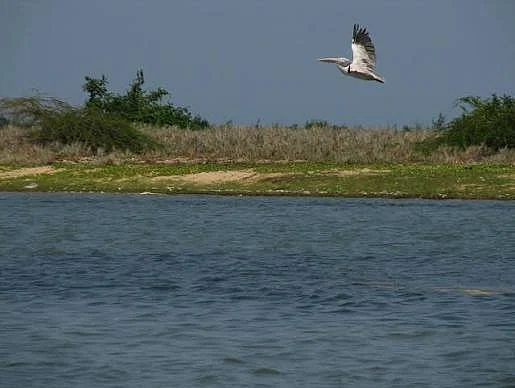
Straddling the Andhra Pradesh–Tamil Nadu border, Pulicat Lake is India's second-largest brackish-water lagoon and an important habitat for migratory waterbirds along the southeastern coast. Its shallow waters, mudflats and marshy edges attract flamingos, pelicans, painted storks and several species of waders and ducks. The sight of flamingos feeding in the lagoon's shallows is among its most striking seasonal scenes, their pink silhouettes standing out against the muted coastal landscape. Winter, broadly between November and March, is a good time to explore the wetland and its surrounding bird habitats. The lagoon's proximity to Chennai also makes it a compelling option for a birdwatching excursion from the city.
Point Calimere Wildlife and Bird Sanctuary, Tamil Nadu
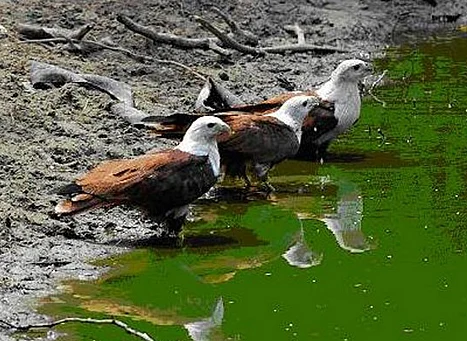
At the southeastern edge of Tamil Nadu, Point Calimere offers a striking combination of coastal forests, salt pans, mudflats and shallow wetlands. Also known as Kodiyakarai, the sanctuary is an important wintering ground for migratory waterbirds, with its saline habitats attracting large gatherings of greater flamingos. Black-tailed godwits, Eurasian curlews, sandpipers and other shorebirds can also be found feeding along its mudflats. Beyond its avian residents, the sanctuary is known for its blackbuck population, adding another dimension to a wildlife-focused visit. With more than 250 bird species recorded, Point Calimere is an especially rewarding destination for those interested in coastal bird habitats and the seasonal movements of shorebirds.
Every winter, India's wetlands become part of a much larger story of movement and survival. Birds that spend the warmer months in distant landscapes return to familiar feeding grounds, turning otherwise quiet marshes and lagoons into places of extraordinary activity. Birdwatching is as much about patience as it is about knowing where to look. A pair of binoculars, a field guide and comfortable walking shoes are useful companions, but a little restraint goes a long way. Keep a respectful distance from nesting and feeding areas, avoid loud noises and flash photography, and never attempt to attract birds using recorded calls. Birds do not follow a travel itinerary, and their arrival patterns can shift with rainfall, water levels and changing weather conditions. It is worth checking recent sightings and local conditions before setting out.
FAQs
1. When does the birdwatching season begin in India?
India's birdwatching season generally begins in October and continues until March or April. November to February is particularly rewarding, as large numbers of migratory birds arrive at wetlands across the country.
2. Which are the best places to spot migratory birds in India?
Some of the best destinations include Keoladeo National Park in Rajasthan, Chilika Lake in Odisha, Nal Sarovar in Gujarat, Sultanpur National Park in Haryana, Harike Wetland in Punjab, Pulicat Lake and Point Calimere in Tamil Nadu.
3. Which migratory birds can be spotted in India during winter?
Winter visitors include bar-headed geese, greater flamingos, northern pintails, Eurasian wigeons, common teals, sandpipers, black-tailed godwits and several species of pelicans and ducks.
4. Why do migratory birds travel to India during winter?
Migratory birds travel to India to escape the harsh winters of their northern breeding grounds. The subcontinent's relatively warmer climate, wetlands and abundant food sources provide suitable conditions for feeding, resting and spending the winter.
5. What is the best time of day for birdwatching in India?
Early mornings are generally ideal for birdwatching, when birds are active and feeding. Visiting wetlands around sunrise also offers better opportunities to observe migratory birds in their natural habitats.