Looking for a holiday that leaves you breathless for all the right reasons? A darecation (a blend of “dare” and “vacation”) is a type of holiday in which travellers deliberately choose adventure, challenge, and physical exertion over traditional rest and comfort.
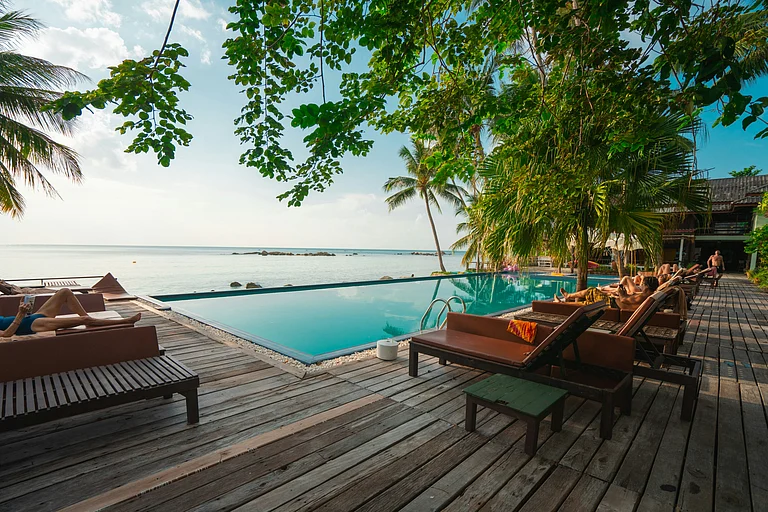
Rather than opting for passive “fly-and-flop” breaks spent lounging by a pool, darecations are built around active exploration, adrenaline-fuelled activities and experiences that push both physical endurance and mental resilience.
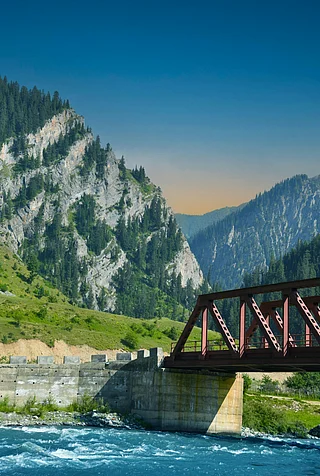
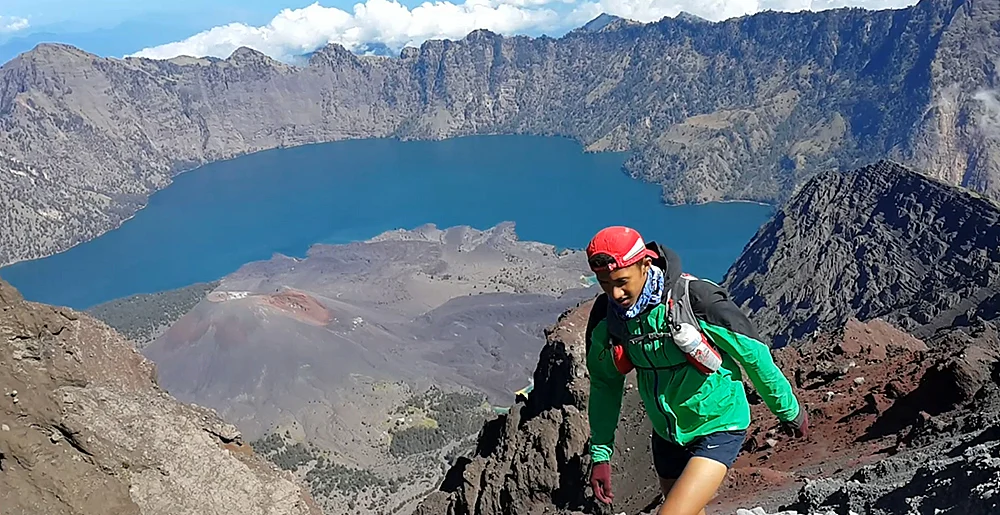
The focus is on doing rather than simply relaxing — whether that means trekking demanding terrain, trying high-intensity outdoor sports, or taking on unfamiliar environments that require courage and adaptability.
Where Holidays Meet High Adrenaline
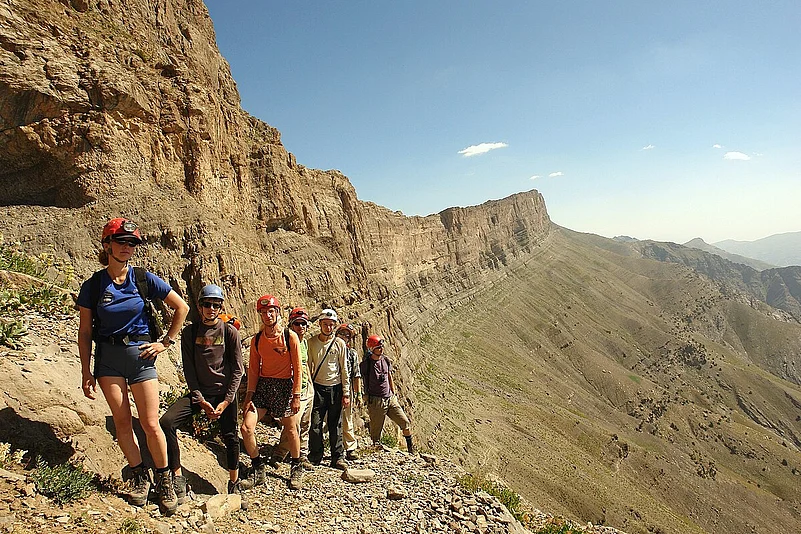

Darecations focus on active exploration, adrenaline-pumping activities and pushing physical or mental limits. While adventure tourism is typically centred on recreation and the enjoyment of nature with an added element of excitement, darecations place greater emphasis on personal challenge and achievement. The focus is less on the activity itself and more on testing physical and mental limits, whether through endurance events, demanding expeditions or experiences that push travellers well beyond their comfort zones. This style of travel is a major growing trend, with trips varying widely depending on your level of thrill-seeking.
Extreme Challenges: Physically demanding adventures such as running marathons in extreme environments (including in Chile), deep jungle treks or high-altitude mountaineering.
Active Exploration: Multi-day hiking expeditions, white-water rafting, scuba diving or other extreme-sport travel experiences.

Increasingly, travellers are using these experiences to achieve personal goals, gain unique life experiences and return home with a sense of accomplishment rather than simply a tan.
Reality TV has long reflected this appetite for challenge-led travel. The Amazing Race—where teams race around the world completing high-pressure tasks—has included volcanic settings in some of its most demanding challenges. From a volcano memory challenge in Iceland to a mud-filled task at Colombia’s El Totumo mud volcano, the show mirrors the same idea behind darecations: travel as a test of endurance, not just sightseeing.
The Numbers Behind The Surge
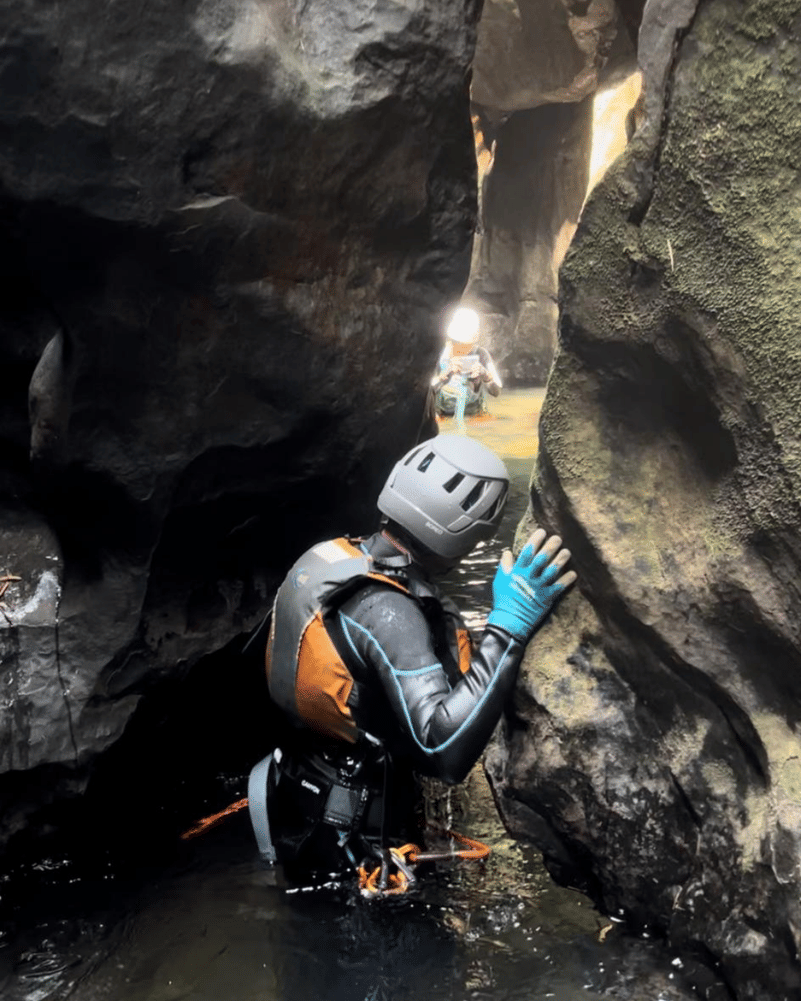
Industry data points to a rapidly expanding appetite for thrill-led travel, with multiple major reports highlighting just how quickly the sector is scaling.
Overall market surge: The adventure travel sector is projected to grow from USD 324.9 billion in 2022 to around USD 2 trillion by 2032, according to a Yahoo Finance report. A separate 2026 forecast from Global Market Insights places it even higher, predicting the market could reach USD 2.73 trillion by 2035.
Rapid short-term growth: The Business Research Company recorded a rise in the global adventure tourism market from USD 421.89 billion in 2025 to USD 507.15 billion in 2026, reflecting a sharp 20.2 per cent compound annual growth rate in just one year.
Sports and challenge travel share: Data from SportsCover Direct indicates that sports-focused and challenge-based travel now accounts for roughly 10 per cent of global tourism spending, with the segment expected to grow by a further 17.5 per cent by 2030.
Insurance data boom: Reflecting the same shift on the ground, specialist provider SportsCover Direct reported a 182 per cent increase in travellers taking out sports travel insurance, pointing to a clear rise in people signing up for more active and higher-risk holidays.
Who Is Driving The Darecation Boom?
The spending power of 30–50-year-olds: While Gen Z often dominates the visual side of adventure travel on social media, the real financial backbone comes from older travellers. According to a market report by Fortune Business Insights, the 30–50 age group is expected to account for around 45.62 per cent of global adventure tourism revenue. With more disposable income and greater financial stability, this demographic is increasingly investing in challenging, self-driven travel experiences.
Where The Darecation Takes You
Extreme environments, made more accessible: Around the world, destinations are developing the infrastructure needed to support increasingly ambitious adventures. From high-altitude races to multi-day wilderness expeditions, travellers are seeking experiences that were once reserved for elite athletes. One example is the marathon staged on Chile's Ojos del Salado volcano at more than 6,800 metres above sea level.
A new approach to accommodation: Where travellers stay is changing alongside the activities they pursue. Rather than choosing traditional beachfront resorts, many adventure-seekers are opting for accommodation that forms part of the experience itself — from cliffside camping platforms and remote mountain base camps to expedition-style cruises that combine comfort with activities such as kayaking among Antarctic ice fields.

Why Challenge Is Replacing Comfort
Nature as a reset: Experts say more people are turning to demanding outdoor activities such as ultramarathons and long-distance treks to improve mental clarity and reconnect with nature.
The freedom to take risks: Being away from everyday routines and responsibilities often gives travellers the confidence to try experiences they might avoid at home.
A reaction to post-pandemic habits: After years of restrictions and slower-paced travel, many people are swapping passive holidays for more active, challenging experiences.
FAQs
What is a darecation?
A darecation is a holiday focused on adventure, challenge and physical or mental exertion rather than relaxation.
How is a darecation different from adventure tourism?
Adventure tourism is often about recreation and enjoyment, while darecations focus more on testing limits and achieving personal milestones.
Who goes on darecations?
They appeal to a wide range of travellers, especially those seeking challenge, achievement and experiences beyond traditional holidays.
Are darecations only for extreme athletes?
No, they range from intense endurance events to more accessible active experiences like hiking or kayaking.
Why are darecations becoming popular?
Growing interest in experiential travel, personal achievement and post-pandemic lifestyle shifts is driving their rise.