Music has always been a reason to travel. Pilgrims crossed continents for opera houses, fans queued outside Abbey Road, and every summer, hundreds of thousands descend on fields in England for Glastonbury or the Nevada desert for Burning Man. Brazil’s Rock in Rio, Belgium’s Tomorrowland, Hungary’s Sziget, and the Coachella Valley in California have long proved that a festival can become synonymous with a destination. People don’t simply buy a ticket. They book flights, reserve hotels, explore neighbourhoods, and spend days, sometimes weeks, around a single event. Music tourism is now one of the fastest-growing segments of the global travel economy, with the festival market alone expected to expand rapidly over the next decade.
India, once largely absent from that conversation, is beginning to find its own rhythm.
For years, music festivals were viewed as niche gatherings, drawing loyal but limited audiences. That perception is changing. The new generation of travellers isn’t waiting for long weekends or school holidays to plan an escape. Instead, they’re scanning artist line-ups and festival calendars. A concert has become the itinerary.
According to Zostel’s “The Sound of the Route Report,” one in three Gen Z travellers now chooses a music festival over a conventional holiday. Music-led trips booked through its experiential platform have grown four to five times year-on-year, with nearly 80 per cent of participants travelling solo before finding community on the road. The report suggests that festivals now account for nearly 30 per cent of its experiential travel business, an indication that live music is becoming a travel category in its own right.
According to the India Music Tourism Market report by Grand View Research, the country’s music tourism market was valued at USD 2.46 billion in 2024 and is projected to reach USD 13.36 billion by 2033, expanding at a 20.7 per cent CAGR. The report estimates that more than 1,200 large-scale music events were held across India in 2024. Meanwhile, BookMyShow reported a 34 per cent year-on-year jump in live music ticket sales, with Tier II cities accounting for 38 per cent of demand, underscoring the growing appetite for live events beyond India’s biggest urban centres.
The trend is no longer confined to Goa’s beaches or Mumbai’s stadiums. The geography of Indian music tourism is shifting east.
Why The Northeast Is India’s Music Tourism Capital
Every September, the paddy fields of Arunachal Pradesh’s Ziro Valley transform into one of India’s most beloved indie festivals. In November, Meghalaya’s Cherry Blossom Festival fills Shillong with music lovers chasing Japanese blossoms and international acts. Majuli in Assam hosts festivals that weave folk traditions with contemporary performances. Even Guwahati, buoyed by a string of international concerts, is emerging as a live entertainment hub for the Northeast. Rather than existing as isolated events, these festivals have become gateways to landscapes that many young Indians might otherwise never have visited.
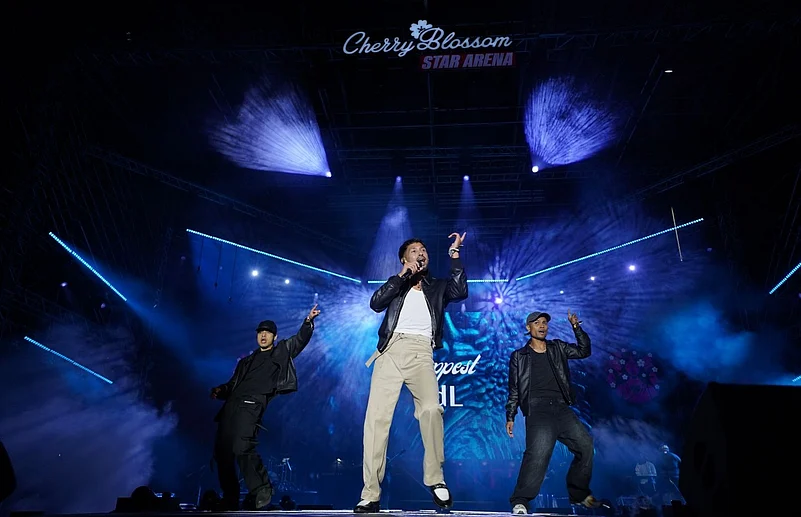

“What has changed is that the festivals themselves have moved out of the metros,” said Aviral Gupta, CEO of Zostel and Zo World. “A traveller is no longer choosing between a concert and a holiday, because the festival is now in a valley in Arunachal Pradesh and getting there is the trip.”
The destination, in other words, has become inseparable from the performance.
The audience driving this growth is overwhelmingly young. Travellers aged 18 to 34 accounted for nearly two-thirds of India’s music tourism market in 2024. More importantly, they prioritise experiences over possessions, often discovering festivals through Instagram, YouTube, and music streaming platforms before turning them into full-fledged holidays.
The Economic Ripple Effect
Festivals create a different economic footprint from conventional concerts. Unlike a three-hour arena show, destination festivals encourage visitors to linger. Travellers arrive days in advance, stay after the final encore, eat at neighbourhood cafés, hire taxis, trek nearby trails, and book homestays.
“A destination festival brings a traveller into a region for five to eight days, and much of that spend stays with the place itself, with homestays, drivers, guides and the local organisers who run these festivals in the first place,” Gupta said.
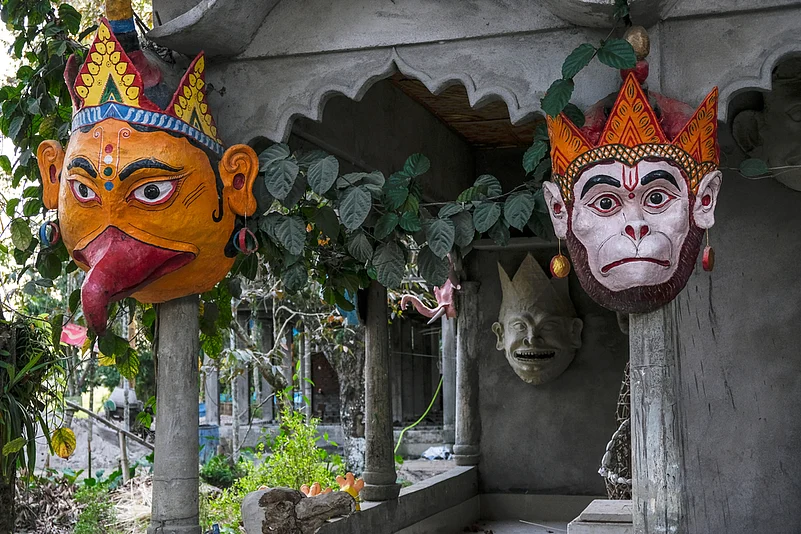
That ripple effect is already visible elsewhere. India’s live events sector grew by 15 per cent in 2024, adding roughly INR 13 billion in revenue. Nearly half a million fans travelled between cities specifically for live music events, while premium festival experiences, hospitality packages and VIP access more than doubled year-on-year. Tier-II cities such as Shillong, Lucknow, Gandhinagar, and Vadodara have emerged as important beneficiaries of this movement.
Accommodation providers are paying attention too. Hotels are beginning to factor concert venues and festival grounds into expansion plans after blockbuster performances demonstrated the spending power of music tourists. Major concerts have generated tens of millions of dollars in local economic activity, driving demand for hotels, restaurants and transport services well beyond the event itself.
Can India Keep Up With The Festival Boom?
That shift also explains why festivals have evolved beyond one-night events. Organisers are increasingly choosing scenic settings over conventional stadiums, pairing performances with camping, local food, art installations, and cultural experiences. Whether it is Sunburn in Goa, NH7 Weekender’s city editions or Magnetic Fields inside Rajasthan’s Alsisar Mahal, the venue has become as much a draw as the artists themselves.
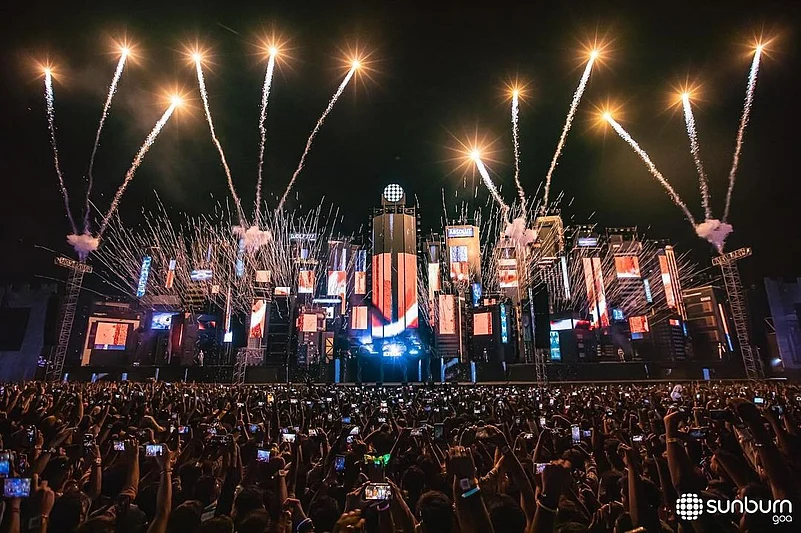
Young travellers are also treating concerts as an excuse to discover unfamiliar places. Airbnb’s Experience-Led Travel Report found that 62 per cent of Indian Gen Z travellers plan to travel for concerts and music festivals, while 76 per cent have visited a city for the first time because of a live event. More than half (53 per cent) extend their stay beyond the event to explore local neighbourhoods, cafés, restaurants, and small businesses, turning a concert into a broader holiday.
However, the audience is beginning to widen. Grand View Research says while younger travellers continue to dominate, industry forecasts show the fastest growth over the coming decade could come from those aged 34 to 54. Many are opting for premium music-led holidays that combine concerts with heritage stays, curated local experiences and exclusive access, suggesting that music tourism is steadily moving beyond the backpacker market.
The challenge is keeping pace with the demand. India’s festival circuit is growing faster than the infrastructure supporting it. Accommodation shortages, transport bottlenecks, venue limitations and licensing hurdles remain familiar complaints across many destinations.
As Gupta put it, “The festivals are growing faster than the infrastructure around them, and the destinations seeing the sharpest demand are the ones with the least of it.”
If those gaps can be addressed, India’s next tourism boom may not begin with beaches or mountains. It may begin with a line-up announcement.
FAQs
1. What is music tourism?
Music tourism refers to travelling primarily to attend concerts, music festivals, or other live performances while exploring the destination and its local culture.
2. Why are Gen Z travellers choosing music festivals?
Many Gen Z travellers prioritise experiences over possessions, planning holidays around artist line-ups, festivals, and concerts while extending their trips to explore the destination.
3. Which are the best music festivals in India for travellers?
Popular choices include the Ziro Festival of Music in Arunachal Pradesh, Cherry Blossom Festival in Shillong, Sunburn Goa, Magnetic Fields in Rajasthan, and NH7 Weekender.
4. How do music festivals benefit local tourism?
Festival visitors spend on hotels, homestays, restaurants, transport, local guides, cafés, and attractions, generating income for businesses and communities beyond the festival grounds.
5. Why is Northeast India emerging as a music tourism destination?
Festivals in destinations such as Ziro Valley, Shillong, Majuli, and Guwahati combine live music with scenic landscapes and local culture, encouraging travellers to explore regions they might not otherwise visit.