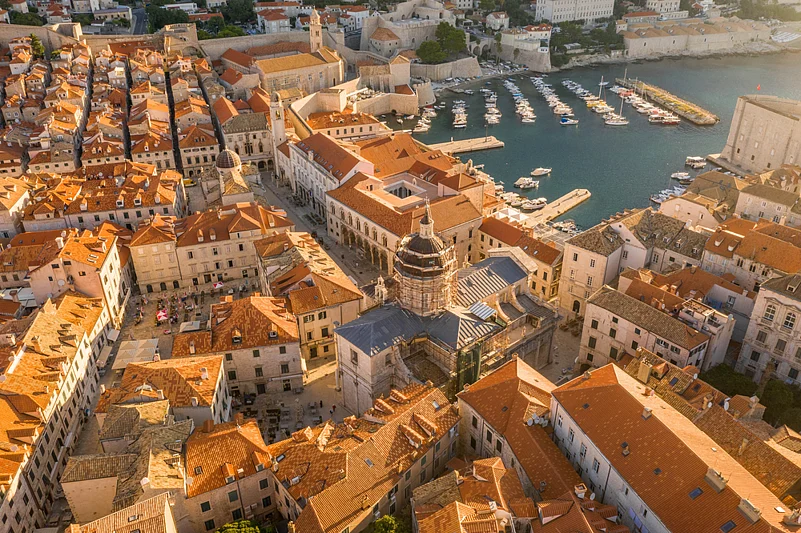
The first thing you notice about Dubrovnik is the colour. Terracotta roofs glow against a sheet of blue sea. Limestone streets shine under the sun. Waves crash gently against walls that have stood for centuries. It does not feel like a place that simply exists. It feels like a place that has endured.
Dubrovnik is located on Croatia’s southern Adriatic coast, perched on a rocky outcrop beneath Mount Srd. People call it the Pearl of the Adriatic, and the name has stayed for good reason.
A City Built On Survival And Strategy
Dubrovnik began its life in the 7th century as a refuge. Roman settlers fleeing invasion built a settlement called Ragusa on a rocky island. Slavic communities soon joined them, and the city grew into a bridge between cultures.
What came next was not chance. It was a series of smart choices. Dubrovnik grew into the Republic of Ragusa, a seafaring state that knew how to survive without constant conflict. Instead of fighting powerful neighbours, it made deals with them. Trade became its strength, and neutrality its shield. It went a step further and banned the slave trade as early as 1418, at a time when much of the world still depended on it. Ships from Ragusa travelled far beyond the Adriatic, connecting the city to Europe, the Ottoman lands, and faraway regions like India and the Americas.
Between the 15th and 17th centuries, the city truly came into its own. Trade brought wealth, and wealth drew in new ideas. Artists, writers, and merchants filled its streets, each carrying stories and influences from different parts of the world. Dubrovnik was more than just a port where goods passed through. It was a place where cultures met, mixed, and quietly reshaped one another.

But Dubrovnik has never had an easy story. A devastating earthquake in 1667 killed thousands and destroyed large parts of the city. Centuries later, the Croatian War of Independence damaged many historic structures again. Each time, Dubrovnik rebuilt itself, stone by stone.
Today, those same stones form one of the best-preserved medieval cities in the world.
Walking Through A Living Museum
Step inside Dubrovnik’s Old Town and you step into a city that refuses to modernise in the usual way. No cars move through its narrow streets. The main street, Stradun, cuts through the city in polished limestone, lined with elegant Renaissance buildings.
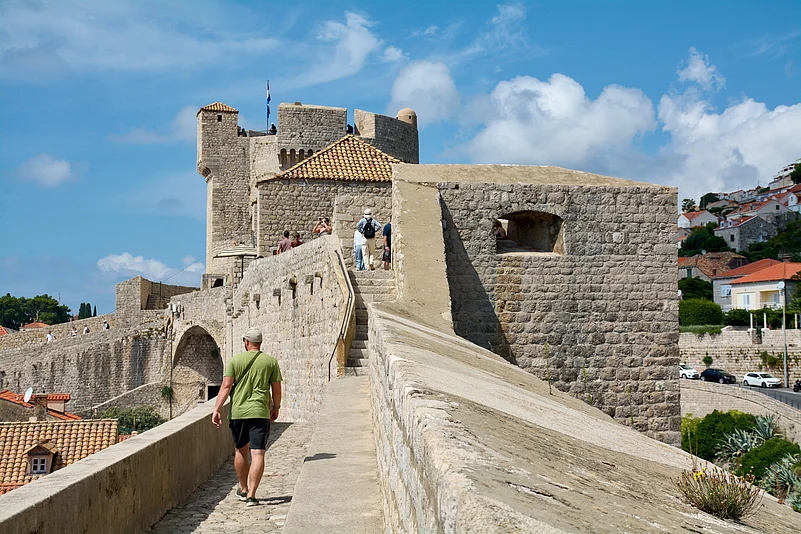
The city walls are its defining feature. Stretching nearly two kilometres, they wrap around the Old Town like a protective embrace. Walk along them, and the entire city opens up beneath you. Red roofs, church domes, hidden courtyards, and the endless Adriatic.
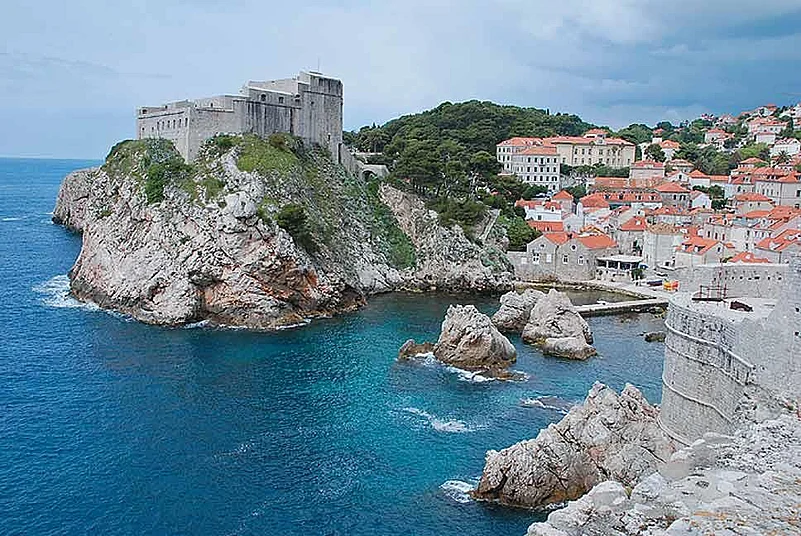
Fortresses rise at strategic points. The circular Minceta Tower watches over the land. Fort Lovrijenac stands dramatically on a cliff, guarding the sea. Inside the walls, every corner leads to something older than you expect. Monasteries from the 14th century. A pharmacy that has been running since medieval times. A synagogue among the oldest in Europe– the Dubrovnik Synagogue.
Beyond the walls, Dubrovnik opens into quieter spaces. Lokrum Island sits just offshore, filled with gardens, ruins, and peacocks. The Elafiti Islands offer slower days, where boats replace crowds. Beaches like Banje and Lapad bring the city closer to the water.
This is also where fiction blends with reality. Dubrovnik became globally recognised as the filming location for King’s Landing in 'Game of Thrones'. But even without the cameras, it already looked like a set designed for stories.
Sea Air, Slow Meals, And The Rhythm Of Travel
Dubrovnik moves with the rhythm of the sea. Summers are warm and busy, especially in July and August when travellers fill the Old Town. Spring and early autumn offer softer light, fewer crowds, and the same deep blue coastline.
The climate stays typically Mediterranean. Warm summers, mild winters, and long stretches of sunshine shape life here.
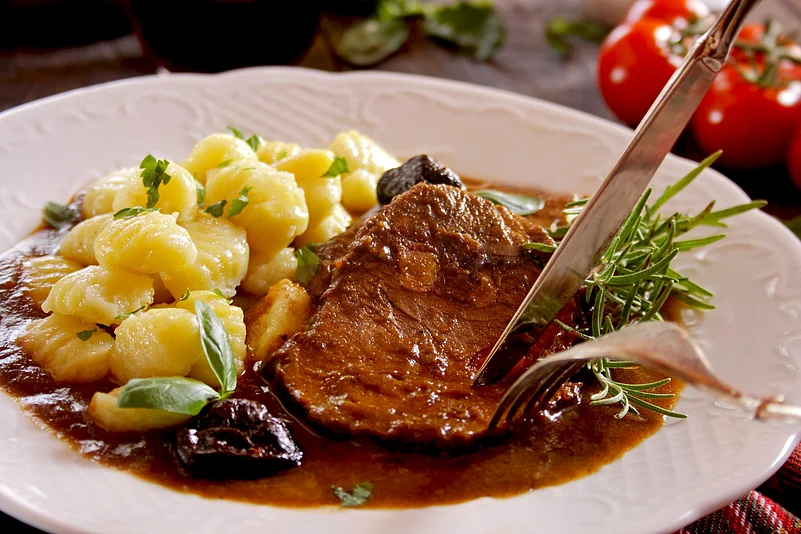
Food in Dubrovnik tells its own story. Centuries of trade left their mark on every plate. Seafood dominates. Grilled fish, octopus salad, and black risotto made with cuttlefish ink appear across menus. Local dishes like pasticada, a slow-cooked beef in wine sauce, and zelena menestra, a traditional cabbage stew, reflect inland influences.
Desserts are simple but memorable. Rozata, a caramel custard, carries hints of Italian influence. Meals stretch longer here. Not because service is slow, but because no one seems in a hurry to leave the table.
Travel in Dubrovnik rewards patience. The best moments come early in the morning when the streets are quiet, or late in the evening when the light softens and the crowds fade. Walk instead of rushing. Sit by the sea instead of ticking off landmarks.
Because Dubrovnik is not a checklist city. It is a place you absorb.
FAQs
1. Why is Dubrovnik called the Pearl of the Adriatic?
Dubrovnik is known for its well-preserved medieval architecture, stunning coastal setting, and historical importance as a trading city.
2. Where is Dubrovnik located?
Dubrovnik is located on the southern coast of Croatia along the Adriatic Sea.
3. What are the top attractions in Dubrovnik?
Key attractions include the Old Town, city walls, Fort Lovrijenac, Lokrum Island, and nearby Elafiti Islands.
4. When is the best time to visit Dubrovnik?
Spring and early autumn offer pleasant weather and fewer crowds compared to peak summer months.
5. Why is Dubrovnik famous in popular culture?
Dubrovnik gained global fame as a filming location for King’s Landing in the TV series Game of Thrones.