

From the ice-bound shores of Canada and Greenland to the fjords of Norway and the island chains of Indonesia, the world’s longest coastlines reveal how deeply land and sea are intertwined. These vast edges are shaped by glaciers, volcanoes, tides and time, creating some of the most varied coastal landscapes on Earth. Together, they show how geography defines culture, wildlife and daily life along the planet’s most extensive shorelines.
Canada
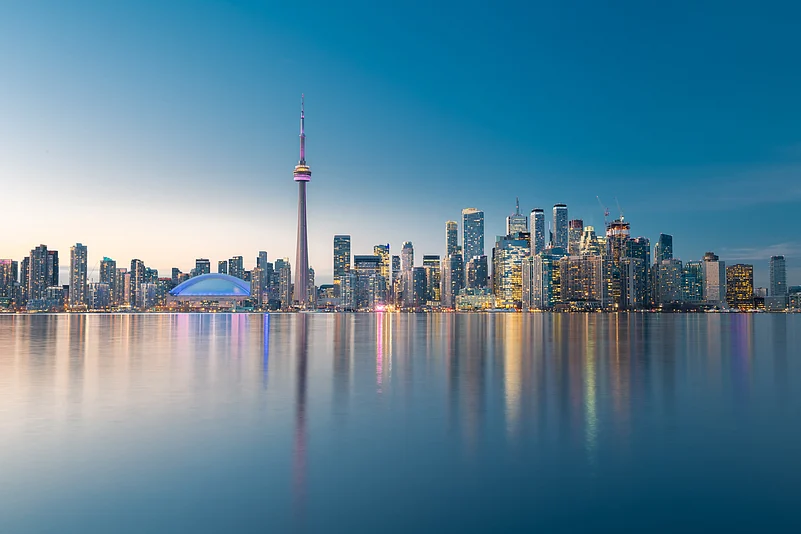

Canada stretches across the northern edge of North America and has a coastline of about 202,080 km, reaching the Atlantic, Pacific and Arctic Oceans. Its shores shift constantly in character—from rocky bays and forested inlets to icy northern waters—shaped by glaciers, tides and vast stretches of wilderness that have long influenced how people live along them.
Things To See Along The Coast
Atlantic Coast (East)
Newfoundland and Labrador offer dramatic fjords at Gros Morne National Park, while Nova Scotia is known for its lighthouses and scenic coastal drives. New Brunswick’s Bay of Fundy showcases extreme tides and exposed seabeds at low tide.
Pacific Coast (West)
British Columbia’s coastline is forested and deeply indented, with Vancouver Island popular for whale watching and Tofino for surf beaches set against temperate rainforest.
Arctic Coast (North)
Remote and icy, this region features vast tundra, polar wildlife, and the northern lights, with minimal settlements and a strong sense of isolation.
Coastal activities
Whale watching, kayaking, coastal hiking, and seafood dining define much of the coastal experience across the country.
Norway
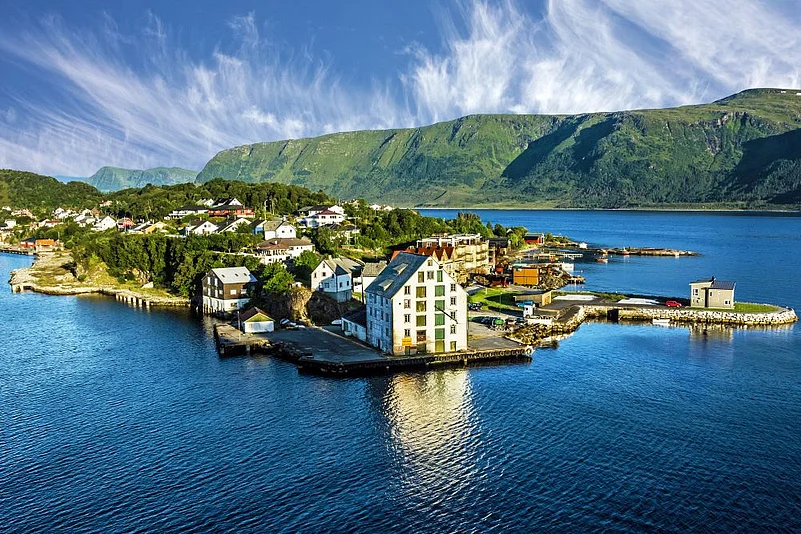
Norway lies on the north-western edge of Europe, where the sea cuts deeply into the land. Its coastline stretches for more than 100,000 km if fjords, islands and skerries are included. Glaciers have shaped much of it, leaving long inlets, steep rock faces and broken island chains that make the coast feel endlessly fragmented. Even this far north, the waters stay relatively mild thanks to the North Atlantic Current, allowing towns and fishing communities to thrive along much of the shoreline.
Things To See Along The Coast
Fjords of Western Norway
This is the country’s most iconic coastline. The Sognefjord runs deep inland as the longest and deepest fjord, while Geirangerfjord and Nærøyfjord are known for sheer cliffs, waterfalls, and UNESCO-protected scenery.
Islands and Fishing Villages
The Lofoten Islands offer dramatic peaks rising straight from the sea, with traditional fishing villages set against Arctic waters. Further south, thousands of smaller islands form sheltered coastal routes and communities.
Arctic Coast and Svalbard
Beyond the mainland lies a raw, icy frontier. In Svalbard, polar bears roam, glaciers dominate the landscape, and summer brings midnight sun while winter plunges into polar night.
Coastal Travel and Routes
The Hurtigruten coastal ships link towns from Bergen to the far north, while routes like the Atlantic Road trace bridges and islets across the open sea.
Indonesia
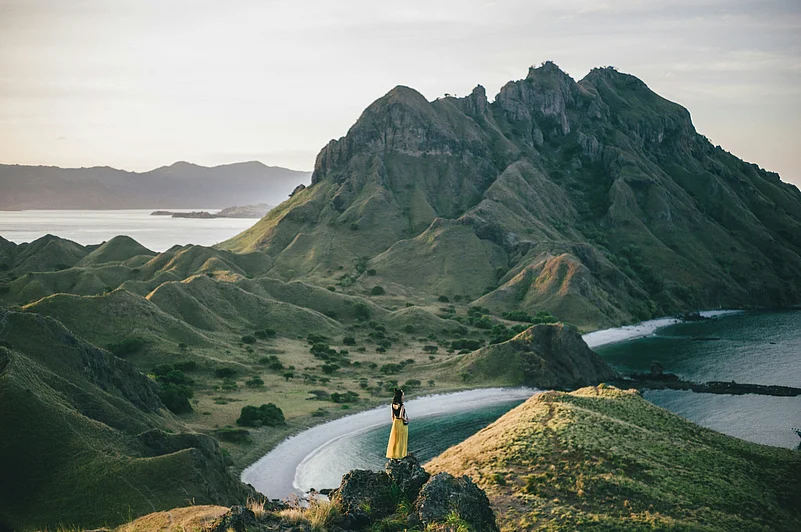
Indonesia is the world’s largest archipelagic nation, spread across more than 17,000 islands between the Indian and Pacific Oceans. With a coastline of roughly 54,700 km, it forms one of the most extensive marine landscapes on Earth. The country sits within the Coral Triangle, giving its waters exceptional biodiversity, while volcanic activity and shifting tectonic plates have shaped its islands into a mix of rugged mountains, coral reefs and tropical shores.
Things To See Along The Coast
Bali and the Southern Coastlines
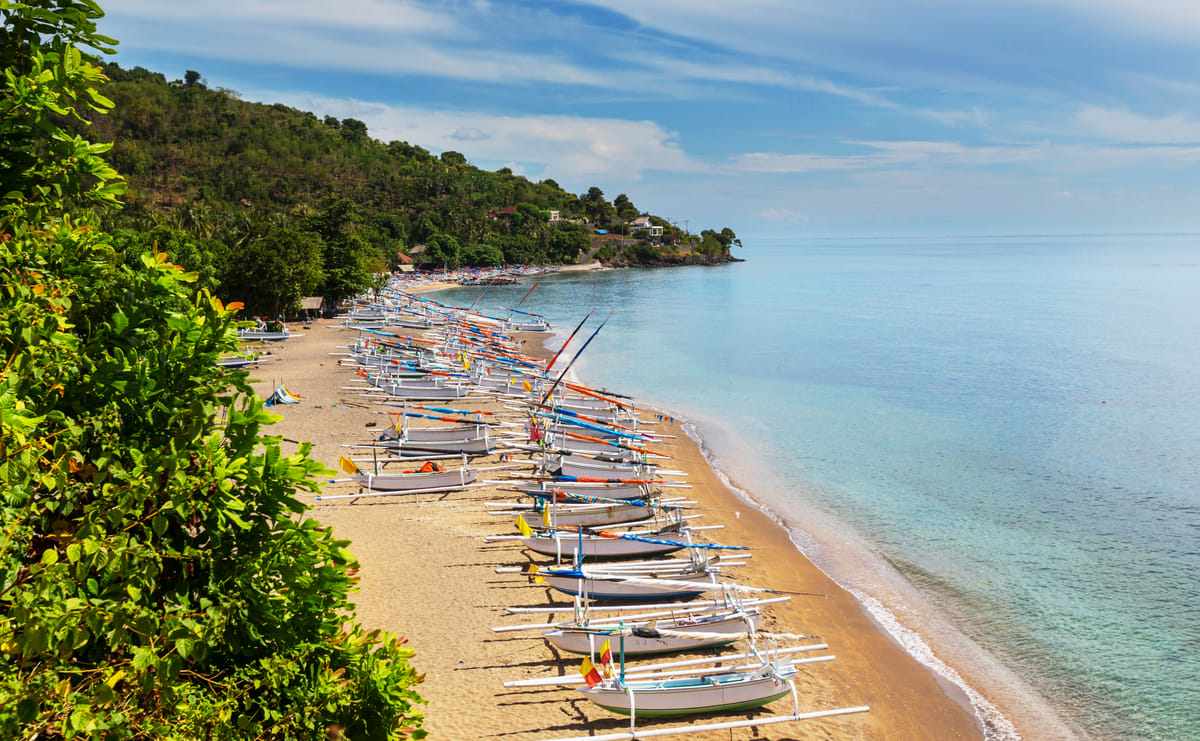
Bali’s coastline ranges from surf beaches like Uluwatu to calmer stretches around Sanur. Limestone cliffs, ocean temples and sunset viewpoints define much of the southern shore, alongside a strong local cultural presence.Raja Ampat (West Papua)
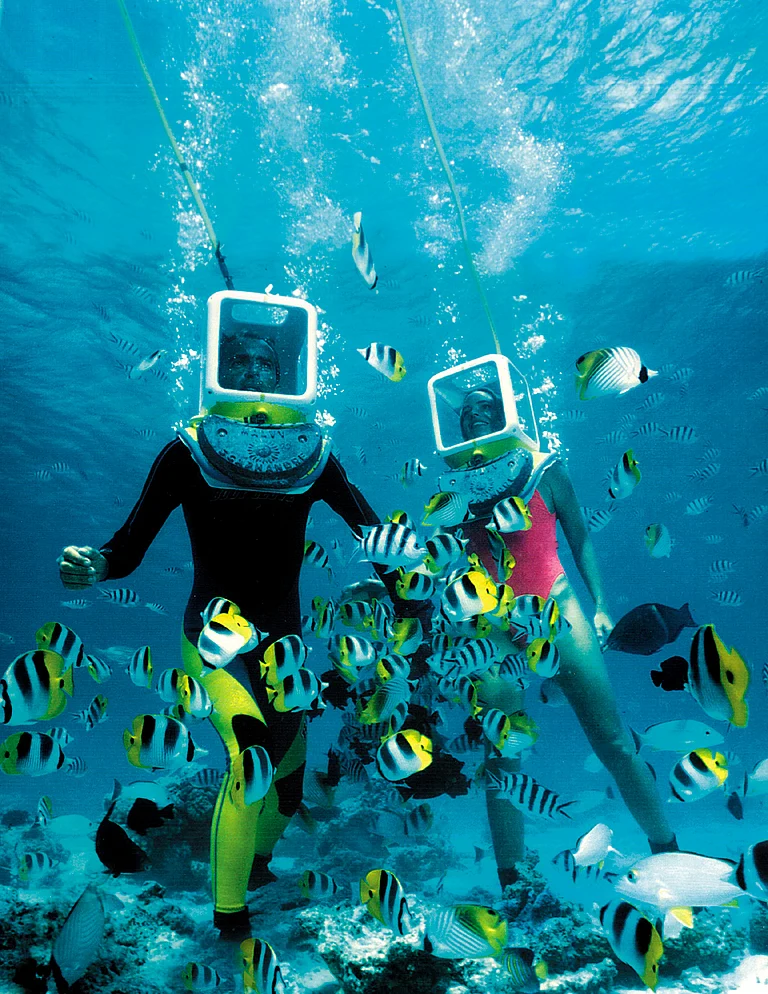
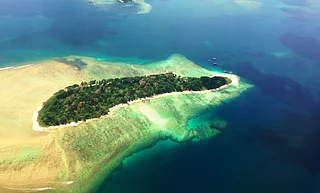
Widely regarded as one of the richest marine environments on the planet, Raja Ampat is made up of hundreds of small islands surrounded by coral reefs, lagoons and clear turquoise waters ideal for diving and snorkelling.Komodo National Park (Flores)
This coastal region combines dry volcanic islands with pink-sand beaches and some of Indonesia’s most celebrated underwater ecosystems. It is also the natural habitat of the Komodo dragon.Eastern Island Groups
Places like the Derawan Islands in Kalimantan offer quieter waters, mangroves and sea turtle populations, reflecting a slower, more remote side of Indonesia’s coastline.
Greenland
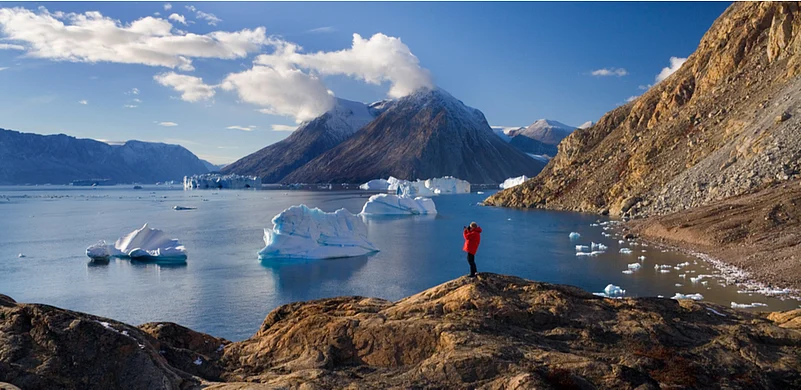
Greenland is the world’s largest island, an autonomous territory within the Kingdom of Denmark. Most of its land is covered by a vast ice sheet reaching up to 2 km thick, leaving only a narrow inhabited fringe along the coast. This edge is deeply carved by glaciers, creating an intricate shoreline of fjords, bays and islands that stretches for about 44,000 km. Life is concentrated in small settlements along the sea, where fishing and hunting remain central to daily life.
Things To See Along The Coast
Disko Bay & Ilulissat Icefjord
One of the most striking coastal areas, where vast icebergs break off glaciers and drift through dark Arctic waters. Ilulissat Icefjord is a UNESCO-listed landscape of constant ice movement.
Scoresby Sund
The world’s largest fjord system, stretching deep into eastern Greenland. It is remote and dramatic, with steep mountains, frozen waters and almost no settlements.
South Greenland (Cape Farewell region)
A slightly milder coastal zone with green valleys, scattered farms and small Inuit communities set between mountains and sea ice.
Coastal experiences
Whale watching, kayaking among icebergs, and viewing the northern lights are key experiences, alongside encounters with Arctic wildlife such as seals, seabirds and musk oxen.
Russia
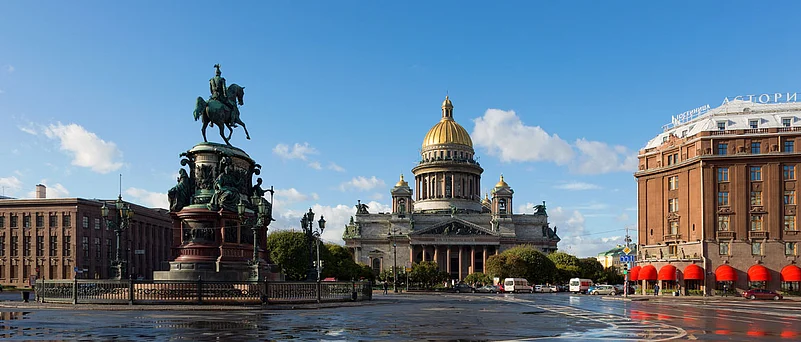
Russia has the fourth-longest coastline in the world, stretching roughly 37,650 km across the Arctic, Pacific and parts of the Baltic and Black Seas. It runs from frozen Arctic shores in Siberia, where sea ice dominates much of the year, to the volcanic edges of the Kamchatka Peninsula in the far east, and down to warmer coastal stretches on the Black Sea. Cities such as St Petersburg on the Baltic and Vladivostok on the Pacific sit at opposite ends of this vast maritime reach, each shaped by very different seas and climates.
Things To See Along The Coast
Arctic Siberian Coast
A remote, frozen frontier where permafrost meets the sea. This region is sparsely populated, with long stretches of untouched Arctic wilderness and seasonal sea ice.
Kamchatka Peninsula (Pacific Coast)
One of the most dramatic coastal landscapes in the world, defined by active volcanoes, geysers and rugged shorelines. Brown bears, salmon runs and offshore whale sightings are key natural highlights.
Baltic Sea & St Petersburg
A historic maritime gateway, where canals and palaces meet the sea. St Petersburg offers a more cultural coastal experience shaped by imperial history and European influence.
Black Sea Coast
A warmer stretch of shoreline with resort towns such as Sochi and Yalta, known for beaches, promenades and a more Mediterranean feel compared to the rest of the country.
FAQs
Which country has the longest coastline in the world?
Canada holds the longest coastline globally, stretching over 200,000 km when all its islands, fjords and inlets are included. It touches the Atlantic, Pacific and Arctic Oceans.
Why do some countries have extremely long coastlines?
Coastline length is heavily influenced by geography. Countries with many islands, fjords, or deeply indented shores—such as Norway or Indonesia—end up with much longer measured coastlines.
Which coastline is considered the most diverse?
Indonesia stands out for variety, with volcanic islands, coral reefs in the Coral Triangle, surf beaches in Bali, and biodiverse marine regions like Raja Ampat.
What makes fjord coastlines special?
Fjords, like those in Norway and Greenland, are formed by glaciers carving deep valleys that later fill with seawater. This creates steep cliffs, deep waters and dramatic coastal scenery.
What activities are common along major coastlines?
Whale watching, diving, coastal hiking, fishing, kayaking, and exploring remote settlements are common across many of the world’s longest coastlines, depending on climate and region.