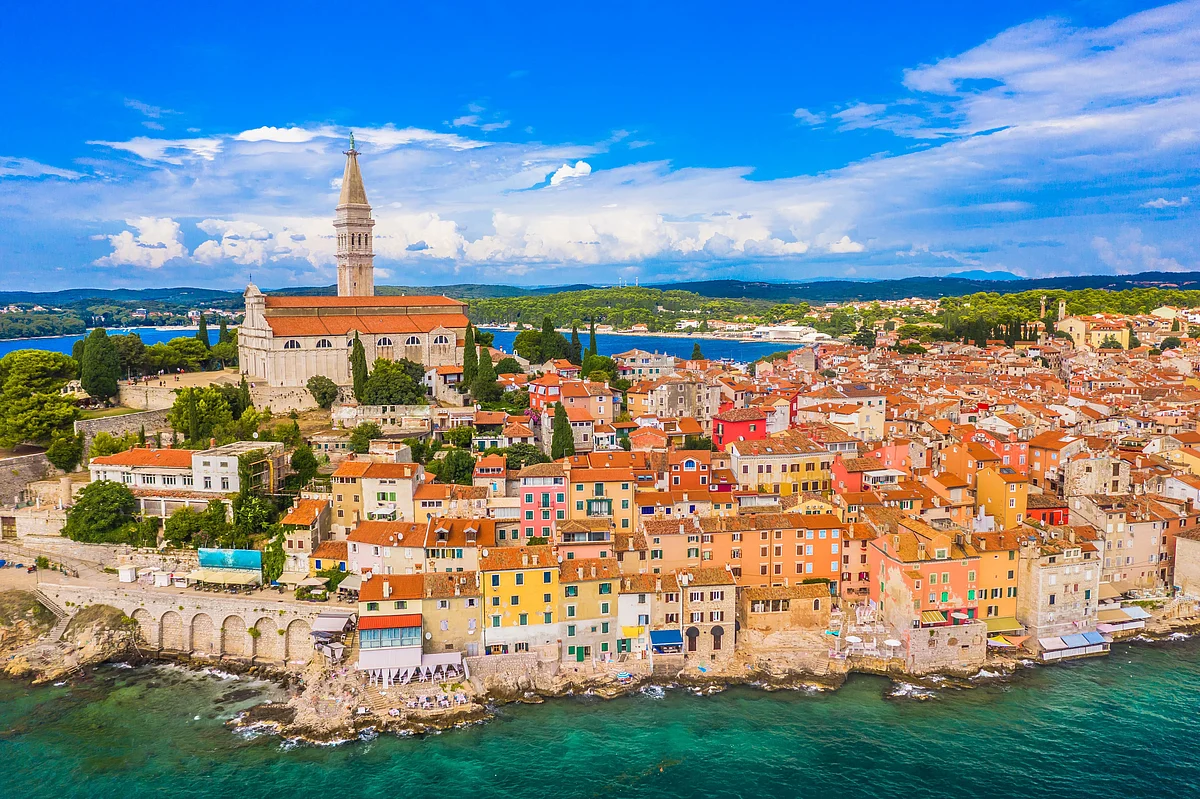
Croatia has more than a thousand islands and a long history stretching back to Roman and medieval times. Some of its best-known spots are Dubrovnik, nicknamed the “Pearl of the Adriatic,” with its high stone walls and famous 'Game of Thrones' locations; Split, where the old town is centred around the enormous Diocletian’s Palace; and Plitvice Lakes National Park, a UNESCO World Heritage site with 16 lakes linked by a series of waterfalls. Here’s what you need to know before you travel.
Currency And Cash
Croatia adopted the Euro in 2023 as its official currency. Cards are widely accepted in cities. However, carry some cash for smaller vendors, cafes, bakeries, local markets, rural areas, and for tips. You will find that ATMs (bankomats) are common. Around EUR 50 – EUR 100 per day is suggested for daily expenses
Booking Stays And More
Croatia in summer (July-August) is hot, sunny, and packed with visitors, particularly in Dubrovnik, Split, and Hvar. Book accommodation and popular tours weeks, if not months, in advance to handle the high prices and crowds. Popular ferry routes (e.g., Direct Ferries) and popular tours should be pre-booked to avoid long waits. Shoulder seasons (May-June, September-October) offer better weather, fewer crowds, and lower prices.

When You Go Shopping
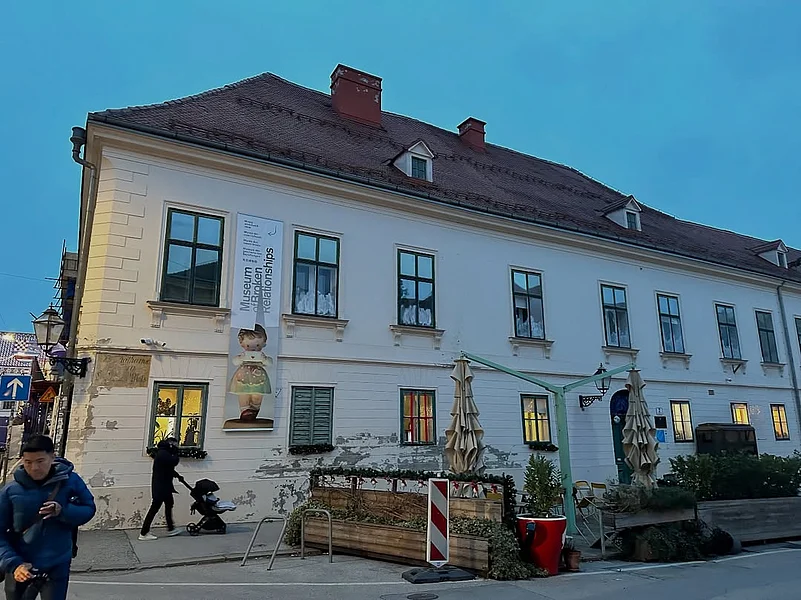
Croatian shops operate under restricted Sunday trading laws. Major supermarkets and shops close on most Sundays. Traditional local markets are generally open on Sunday mornings. Remember that many vendors in local markets only accept cash. Top buys include handmade Pag lace, lavender products, truffle products (Istria), olive oil, and local wines. Top cities for shopping are Zagreb, Split, and Dubrovnik.
Advance Tickets For National Parks
If you are visiting Croatia’s national parks, you have to book tickets several days to weeks in advance during summer to secure preferred time slots. Tickets are booked online via official websites for specific entry times, and they sell out quickly in peak season. Plitvice Lakes National Park is the most popular and requires timed entry tickets. Book online to avoid long queues or sold-out days. For Plitvice, tickets are tied to specific time slots, so punctuality is key.
Going Slow
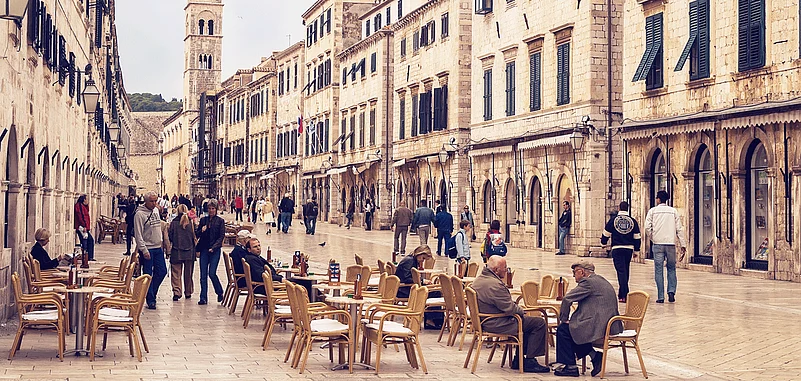
Embrace "Fjaka". This is a Dalmatian mindset representing a "sweet sloth" or a state of sublime, relaxed, and aimless being, often achieved by sitting by the sea. Embrace the slow pace of life—do not rush waiters or expect fast service in cafes, as it is customary for customers to spend hours socialising.
They also do not like overtourism. In fact, Dubrovnik has implemented rules to curb noise pollution in its historic Old Town, specifically discouraging tourists from pulling wheeled suitcases over cobblestone streets. Read more here.
Rules For Alcohol
Alcohol is allowed, but strict regulations exist against public drinking. Drinking in public spaces, especially in city centres like Split and Dubrovnik, can result in on-the-spot fines up to EUR 700. Alcohol is legal for those 18+ and is commonly served in bars, restaurants, and cafes.
What You Can Bring In
If you’re arriving from outside the EU, there are restrictions on what you can bring. Meat, dairy, and products containing them aren’t allowed. You can, however, bring small amounts of fish (up to 20 kg), honey, eggs (up to 2 kg), and fruits or vegetables (up to 5 kg). Narcotic drugs and medicines containing them are strictly forbidden unless you have the proper documentation. For alcohol, you may bring up to 1 litre of spirits over 22 per cent, 2 litres of fortified or sparkling wine, and 4 litres of still wine.
Beaches Are Often Rocky
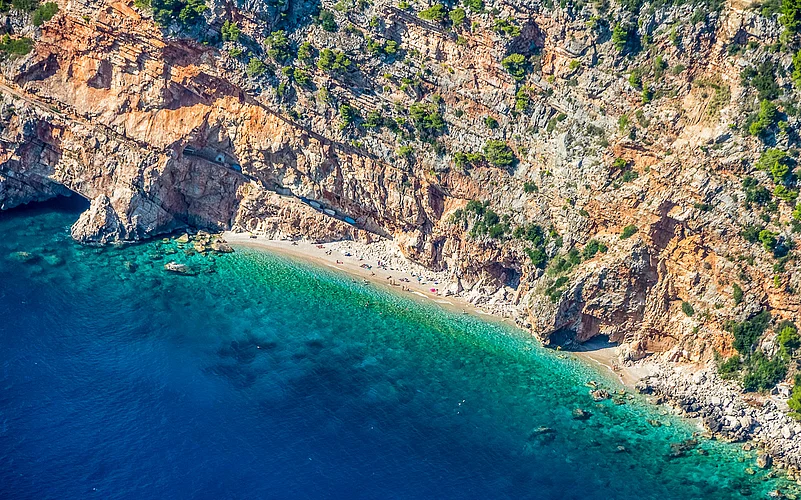
Many Croatian beaches are rocky, covered in pebbles, or built on concrete platforms. The limestone along the coast means the sea hasn’t worn the rocks down into sand over the centuries. The result is dramatic, often steep shorelines with incredibly clear, turquoise water. Bringing a pair of water shoes is a good idea—they’ll make swimming and walking along the beach much more comfortable.
Getting Around
Car Rental: Ideal for exploring at your own pace, especially for reaching national parks and scenic coastal areas. Roads are well-maintained, but be prepared for expensive tolls.
Buses: A highly reliable and affordable network connects major cities and towns. Major operators include Arriva, FlixBus, and Čazmatrans. A surcharge of roughly EUR 1.30 – EUR 2 is common for storing luggage in the hold. Buses between Split and Dubrovnik pass through Bosnia-Herzegovina; keep your passport accessible.
Ferries & Catamarans: The main operator, Jadrolinija, offers routes between the mainland and islands (e.g., Split to Hvar). For smaller, faster catamarans, check Krilo. Book ferries in advance during peak season (July-August).
Flights: Quick, efficient domestic flights are available via Croatia Airlines between Zagreb, Split, Dubrovnik, Zadar, and Pula.
Trams & Public Transit: Zagreb has an extensive tram system, while other cities rely on local bus networks.
Tying History
You may not know this but Croatia is the birthplace of the necktie (cravat). The cravat originated in 17th-century Croatia, where Croatian mercenaries serving in France during the Thirty Years' War wore traditional scarves to secure their shirt collars. Known for its fashion-forward nature, the cravat was adopted by King Louis XIV. Croatia celebrates World Cravat Day on October 18, and in 2003, a massive red cravat was wrapped around the Pula Arena to honour this heritage.
Slow Sips And Socialising
Croatian coffee culture is a slow-paced, social ritual centred on spending hours in cafes, often called "kavana" or "caffe bar," chatting or people-watching. It is not a quick caffeine fix but a lifestyle, with espresso-based drinks like kava s mlijekom (coffee with milk) reigning supreme. People like to socialise over caffeine. Coffee is a verb—a reason to meet up and connect. People often spend 30 minutes to two hours over a single coffee, rarely drinking it on the go. Popular orders include Kava s mlijekom, an espresso with milk (or sa šlagom with cream); Mali/Veliki Macchiato, a small or large espresso with a drop of foam; and Bijela Kava, similar to a latte. Most coffee spots are labelled "caffe bars" and serve alcoholic beverages as well.
Best Time To Visit
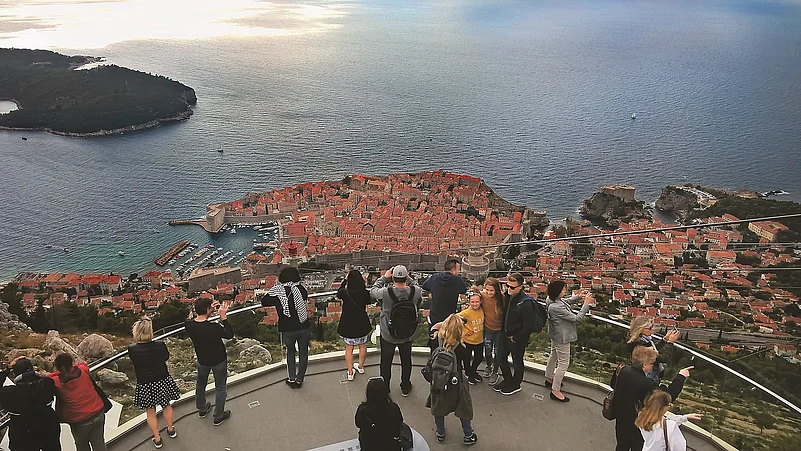
The best time to visit Croatia is in the shoulder months of May and June, or September and October. During these periods, the weather is warm, the sea is pleasant for swimming, and the crowds are much smaller. May is great for enjoying the spring blooms, while September is ideal if you want to swim in comfortably warm water. July and August are the busiest months, perfect for those who love bustling beaches and lively music festivals.
FAQs
What currency does Croatia use?
Croatia uses the Euro (€). Cards are widely accepted, but it’s wise to carry cash for small shops, markets, and rural areas.
When is the best time to visit?
May, June, September, and October have pleasant weather and fewer crowds. July and August are hot and busy.
How do I get around?
Renting a car gives flexibility, but buses and ferries are excellent for coastal travel. Parking can be tricky in Dubrovnik and Split during summer.
Do people speak English?
English is common in tourist areas. Locals can be direct, but it’s normal and not rude.
Is Croatia safe?
Croatia is very safe, but take usual precautions against petty theft in crowded areas.
Can I drink the tap water?
Yes, tap water is safe throughout the country.
Do I need a visa?
Croatia is in the Schengen Area, so check visa requirements for your nationality.