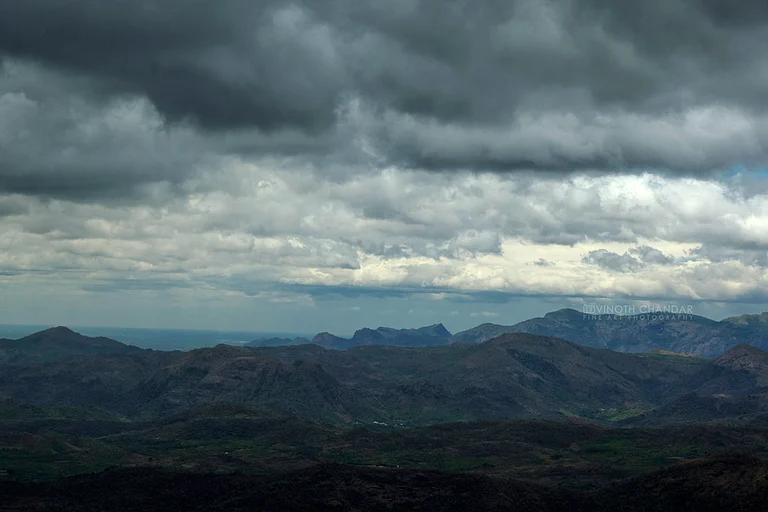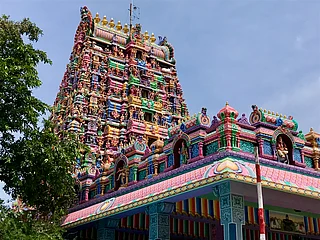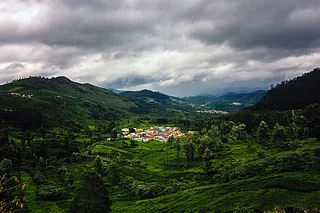


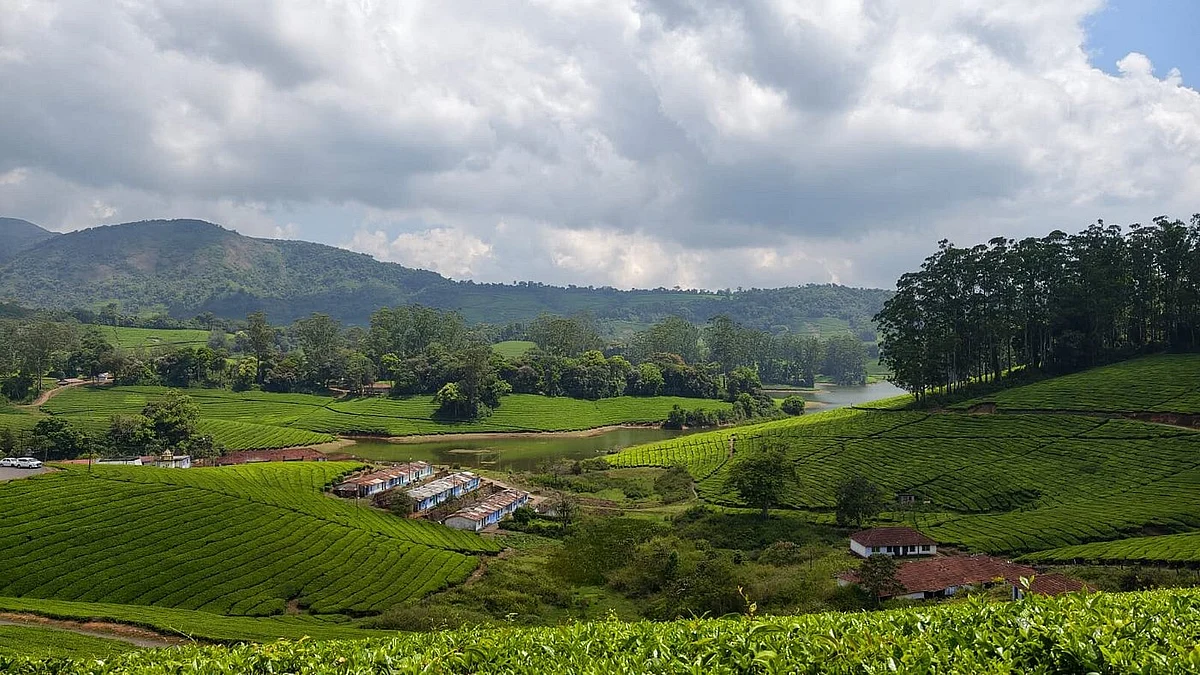
The first thing the rain changes in Meghamalai is the colour. Tea bushes deepen into emerald, forests seem denser, waterfalls gather force, and clouds drift so low that roads disappear into them for a few seconds before revealing another sweeping bend. Tucked away in Tamil Nadu's Theni district, this lesser-known hill station in the Western Ghats has long remained under the radar, overshadowed by better-known neighbours like Munnar, Kodaikanal, and Ooty. Yet, for travellers willing to embrace a little rain and winding mountain roads, Meghamalai offers one of South India's most rewarding monsoon escapes.
Known as the High Wavy Mountains, Meghamalai sits at an elevation of around 1,500 metres within the biodiverse Western Ghats, a UNESCO World Heritage Site. Tea plantations, cardamom estates, evergreen forests and reservoirs define its landscape, while its relatively low tourist footfall allows visitors to experience the hills at an unhurried pace. During the monsoon, from July to September, the region comes alive in a way few destinations can match. The showers replenish streams, transform the valleys into layers of green and lend the mountains their characteristic veil of mist.
When The Hills Come Alive
While October to March is widely considered the most comfortable time to visit Meghamalai thanks to cooler temperatures and clear skies, the monsoon offers an entirely different perspective. The forests appear fuller, the tea estates glisten after every spell of rain, and waterfalls flow with renewed vigour. For photographers, birdwatchers and travellers who enjoy landscapes in their most natural state, this is arguably the season when Meghamalai feels most alive.
The rains do require some planning. The ghat roads leading up from Theni feature numerous hairpin bends and can become slippery during heavy showers. Driving during daylight hours and checking weather conditions before setting out is advisable. Those prepared for occasional delays, however, are rewarded with a hill station that feels refreshingly untouched by peak-season crowds.
Tea Country, Forests, And Endless Viewpoints
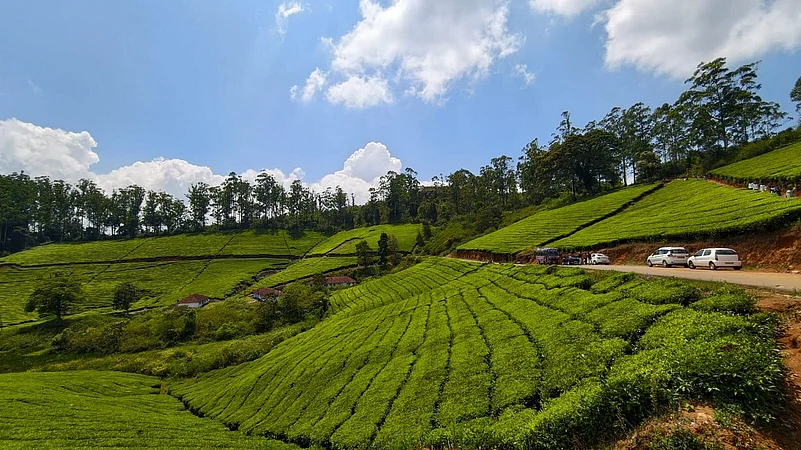

One of Meghamalai's defining features is its rolling tea estates that stretch across undulating hills. Unlike the busier plantations of neighbouring Kerala, these estates retain a working, lived-in character. Walking through the plantations, visitors are greeted by the fresh scent of tea leaves mixed with rain-soaked earth, while estate roads reveal one panoramic view after another.
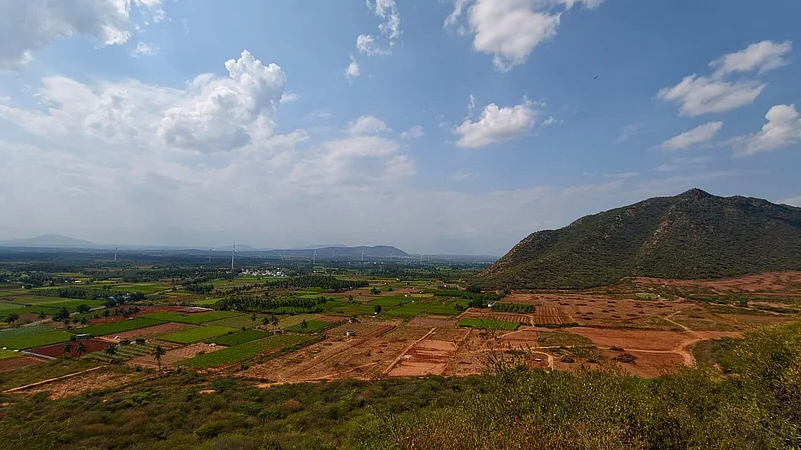
Among the region's most rewarding viewpoints is Maharaja Mettu, where the landscape opens towards the Cumbum Valley below. On clearer mornings, layers of mountains seem to dissolve into the horizon, while passing clouds continually reshape the view. Highwavys Dam, surrounded by tea gardens and forested slopes, offers another scenic stop, especially during the rains when the reservoir is full, and the surrounding greenery reaches its richest shade.
The drive itself becomes part of the experience. Narrow roads weave through plantations, reservoirs and dense forest, often interrupted by grazing gaur or troops of monkeys crossing the roadside.
Where Wildlife Finds Refuge
Beyond its tea gardens, Meghamalai is one of Tamil Nadu's richest biodiversity zones. Much of the region falls within the Meghamalai Wildlife Sanctuary, now part of the larger Srivilliputhur-Megamalai Tiger Reserve. The protected landscape supports elephants, leopards, gaur, sambar deer, Nilgiri langurs and, though rarely spotted, tigers.
Birdlife is equally impressive. Endemic species such as the Malabar parakeet, Nilgiri wood pigeon and several species of hornbills attract birdwatchers from across the country. Early mornings, particularly after overnight rain, are often the best time to observe wildlife as the forests become active with birdsong.
The sanctuary also protects valuable shola forests and grasslands that form an important part of the Western Ghats ecosystem. These habitats help sustain rivers and reservoirs across southern Tamil Nadu, making Meghamalai ecologically significant beyond its tourism appeal.
Chasing Waterfalls And Mountain Trails
Monsoon naturally turns attention towards Meghamalai's waterfalls. Suruli Falls, located roughly 30 kilometres from the hill station, is among the most visited, with water cascading through forested surroundings before collecting in shallow pools below. Nearby Chinna Suruli offers another rewarding stop, particularly for those looking to combine short walks with scenic viewpoints.
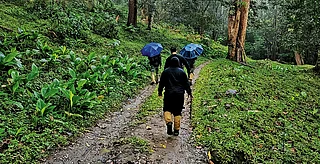
For travellers who prefer exploring on foot, Meghamalai offers several trekking opportunities through tea plantations, forest trails and hill ridges. Nature walks reveal native flora, medicinal plants and spice plantations growing alongside cardamom and pepper. The cooler weather during rainy spells makes these walks especially enjoyable, provided appropriate footwear is packed.
The region's reservoirs also provide opportunities for boating when conditions permit, allowing visitors to appreciate the surrounding hills from the water.
A Different Kind Of Hill Station
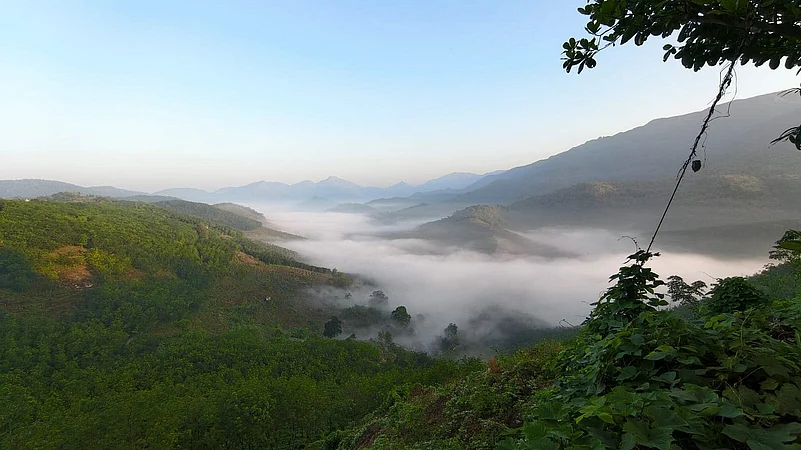
Accommodation in Meghamalai remains relatively modest compared to more commercial hill stations. Estate bungalows, forest lodges, homestays, and nature camps allow visitors to stay close to the landscape rather than apart from it. Many properties overlook tea plantations or reservoirs, making sunrise and post-rain views part of the experience.
Meghamalai also serves as an excellent base for exploring neighbouring attractions across Theni district, including spice plantations, dams and scenic drives that remain largely absent from conventional Tamil Nadu itineraries.
The destination asks for a slower pace. Instead of rushing from one attraction to another, the pleasure lies in watching clouds drift across valleys, lingering over a cup of freshly brewed tea and taking roads simply to see where they lead.
For travellers seeking an alternative to crowded monsoon favourites, Meghamalai delivers something increasingly rare: a landscape that still feels largely undiscovered. Its rain-fed forests, tea-covered slopes and thriving wildlife make it one of southern India's most compelling seasonal escapes, proving that sometimes the best journeys begin where the better-known routes end.
FAQs
1. Where is Meghamalai located?
Meghamalai is located in Tamil Nadu's Theni district within the Western Ghats.
2. What is the best time to visit Meghamalai?
October to March offers pleasant weather, while July to September is ideal for lush monsoon landscapes.
3. What are the top attractions in Meghamalai?
Highwavys Dam, Maharaja Mettu, Suruli Falls, tea estates and the Meghamalai Wildlife Sanctuary are among the highlights.
4. Is Meghamalai suitable for wildlife enthusiasts?
Yes. The region is part of the Srivilliputhur-Megamalai Tiger Reserve and is home to elephants, gaur, leopards and endemic birds.
5. How can I reach Meghamalai?
The nearest major access points are Theni and Madurai. Meghamalai is connected by a scenic ghat road from Theni.