

My relationship with European mountain holidays has become rather complicated. The Alps are eye-popping, of course, but so are the hotel bills. Add traffic jams, queues for cable cars, and crowds of people photographing the same mountain from the same angle, and one begins to wonder whether a holiday should require this much project management.
I wanted somewhere quieter, less manicured, and preferably free of people wearing matching fleece jackets. Enter Zornitsa, a traditional village tucked into Bulgaria’s Eastern Rhodopes, where the mountains are glorious, and the crowds appear to have lost their way.
After a two-hour drive from the Bulgarian capital city of Sofia, I check into Zornitsa Family Estate, a mountain retreat high above Chepelare town. The stunning stone mansion, part of the Relais and Chateau collection, offers roomy suites overlooking the Rhodopes and lush valleys.

As I check in, a rare calm envelops me. I immediately take to the local philosophy of doing less. There were no urgent attractions to conquer, no sunrise yoga sessions threatening my dignity and no itinerary insisting that I experience inner transformation before breakfast. For someone whose everyday life revolves around headlines and deadlines, this felt dangerously close to rehabilitation.
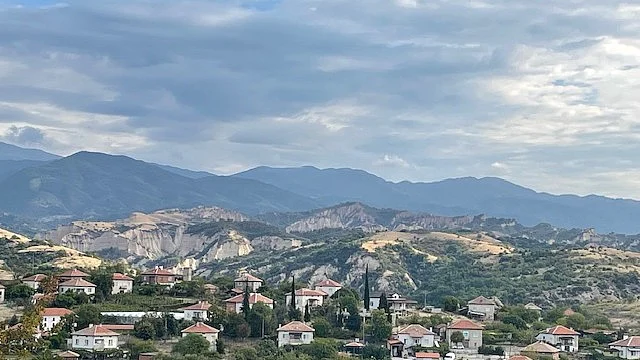
Zornitsa nestles amidst a landscape of forested slopes, winding mountain roads and valleys that seem to go on long after your camera battery gives up. Nearby Chepelare, at around 1,150 metres above sea level, is one of Bulgaria’s highest towns. The road south from Plovdiv towards Greece also passes through this part of the country. But once you head into the mountains, urban urgency begins to feel like somebody else’s problem.
Hiking The Eastern Rhodopes
My attempt to commune with nature began with a short trek. I set off with the confidence of someone who had walked briskly through an airport and therefore considered herself outdoorsy. The Rhodopes were not impressed. The trail wound through wooded terrain, offering fresh air, mountain scenery and ample opportunity to reflect on my relationship with exercise. Still, the views were worth every step—including the ones during which I privately questioned the wisdom of leaving a perfectly comfortable chair.
Then the mountains opened up. Ridge after ridge stretched across the horizon, with valleys folding into the distance beneath a vast sky. I took photographs, reviewed them, took some more, and finally accepted that my phone was incapable of capturing the magnificence of the scene. In the pictures, the mountains looked like distant green humps. In reality, they were spectacular. I briefly considered buying a better camera, then remembered that the problem might not be the equipment but the photographer.
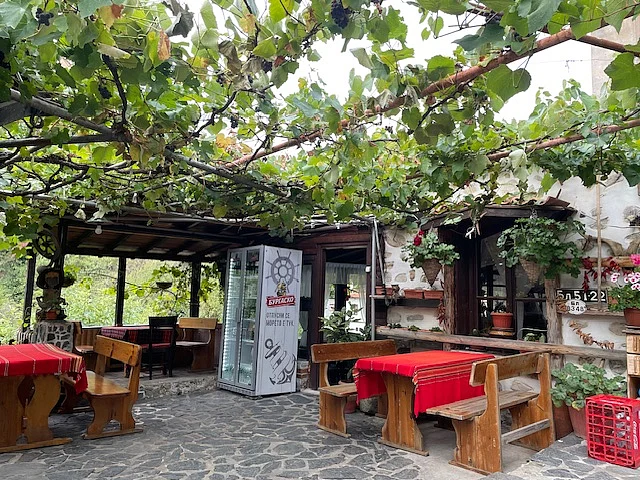
The locals were friendly and welcoming, adding human warmth to a landscape that hardly needed embellishment. “People usually come to Zornitsa for a day or two, and then don’t want to leave!” a woman adjusting fruit in her shop told me, offering a peach with a smile.
I love places where a conversation can be more memorable than an attraction, and where hospitality feels like a natural instinct rather than a customer-service module. Zornitsa had that quality. It did not appear to be trying to impress me, which, naturally, made me like it more.
The Salata Saga
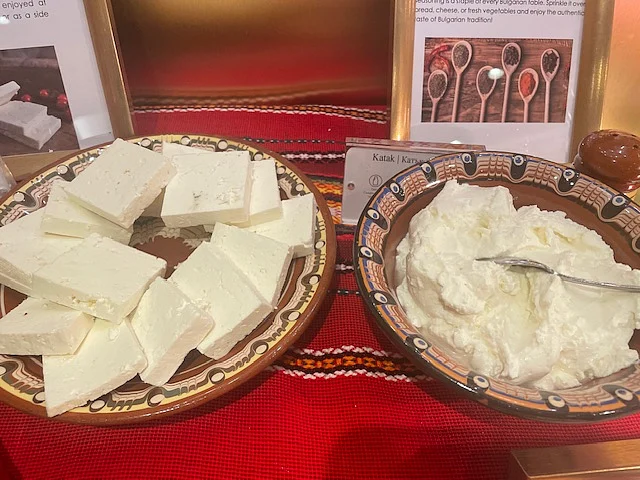
And then there was lunch. My shopska salata, Bulgaria’s classic combination of tomatoes, cucumbers, peppers, and onions, arrived buried beneath a generous drift of sirene, the country’s tangy white cheese. Technically, it was a salad. Spiritually, it was a dairy event. I admired the Bulgarian approach to vegetables: why merely garnish them when you can introduce them to a small mountain of cheese? Bulgarian cuisine draws on Balkan, Greek, and Ottoman influences, but this dish alone made a compelling argument for extending my stay. My nutrition app, had it been consulted, would probably have needed a lie-down.
Chepelare offers a livelier side of the mountain experience, particularly in winter, when its Mechi Chal ski area—Bear Peak—draws snow-sports enthusiasts. A modern lift and artificial-snow facilities support the slopes, while the ride upwards rewards even the ski-averse with panoramic views across the valley. I was happy to admire the scenery from a safe distance. Skiing is a sport in which the mountain stays still while you hurtle down it, a power imbalance I prefer to contemplate from a chairlift.
Plodding Through Plovdiv
Plovdiv, Bulgaria’s second-largest city, is roughly 70 km away, making the Eastern Rhodopes an appealing detour for travellers exploring the country. Yet the point of staying in Zornitsa is not to cram in another destination before dinner. It is to enjoy the rare pleasure of being somewhere without constantly calculating what comes next. The village offers an alternative: walk a little, eat well, talk to people and let the mountains do the heavy lifting.
I left Zornitsa Family Estate without conquering a peak, discovering the meaning of life or developing a sudden passion for endurance sports. I did, however, acquire a healthy respect for the region, a memory of an extraordinary mountain panorama, and a renewed appreciation for cheese!
FAQs
1. Where is Zornitsa in Bulgaria?
Zornitsa is a traditional mountain village in Bulgaria’s Eastern Rhodopes. The surrounding region is known for forested slopes, valleys, winding mountain roads and views across the Rhodope Mountains.
2. Where can you stay in Zornitsa?
Zornitsa Family Estate is a mountain retreat near Chepelare, with spacious suites overlooking the Rhodopes and surrounding valleys. The property is part of the Relais & Châteaux collection.
3. What can you do in Zornitsa and the surrounding area?
Visitors can explore mountain trails, admire panoramic views, sample Bulgarian food and chat with local residents. Nearby Chepelare has a ski area at Mechi Chal, known for winter sports and views across the valley.
4. What is shopska salata, and what is sirene?
Shopska salata is a traditional Bulgarian salad made with tomatoes, cucumbers, peppers and onions. It is typically topped with sirene, a tangy white cheese that gives the dish its distinctive flavour.
5. Can you visit Plovdiv during a stay in Zornitsa?
Yes. Plovdiv, Bulgaria’s second-largest city, is roughly 70 kilometres from the area, making it a possible addition to a trip through the region. Travellers can combine the city’s cultural attractions with a stay in the Rhodope Mountains.