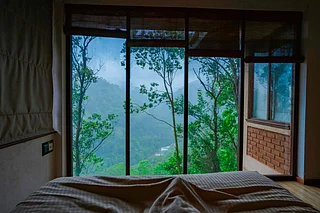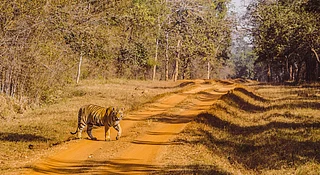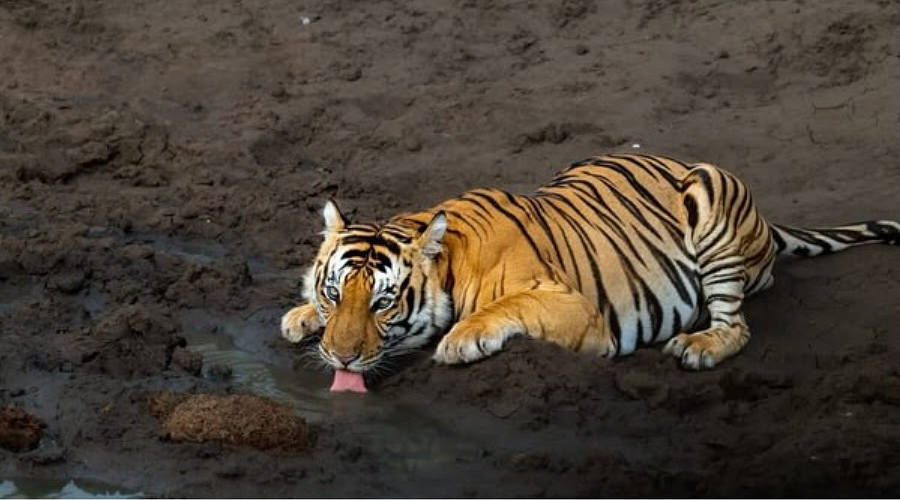
They say although there is no guarantee of you seeing a tiger on your safari, there is a high chance that they are watching you. A pug mark, a scratch on the tree, the screech of the monkeys or the calm of the deer drinking water signifies either they have already been around or might come anytime soon. With 3,6882 wild tigers in India as of 2022, the enthusiasm of seeking the big cat is ever-increasing. Resorts and forest lodges are being built closer to their habitat to give guests the semblance of living in a forest while being in the safety of a luxury property. To satiate your wildlife enthusiasm, visit these forest lodges in India as we celebrate World Tiger Day 2026.
The Oberoi Vanyavilas Wildlife Resort, Ranthambore National Park
This national park in Rajasthan evolved around the 10th-century royal fortress and imperial hunting ground. From the Sawai Madhopur Game Sanctuary in 1955 to the foundational Tiger Reserve in 1973, and then a National Park in 1980, Ranthambore has evolved into one of the most prominent places for tiger safaris in the country. On the edge of this forest is the Oberoi Vanyavilas, offering a luxurious gateway in the wilderness. Spread across 20 acres of landscaped gardens, waterbodies and native flora, there are 28 tented accommodations inspired by the royal caravans which once used to frequent this forest. With around 80 tigers currently estimated in Ranthambore, you can head out on your own private jungle drive with experienced chauffeurs, forest guides, and Oberoi’s in-house naturalists. While the core zone shuts from July 1st to September 30th buffer zones remain open year round for wildlife safaris and birdwatching.
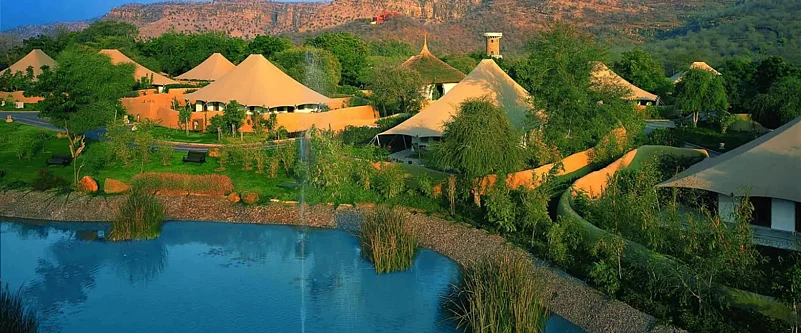

Baghvan, A Taj Safari, Pench National Park
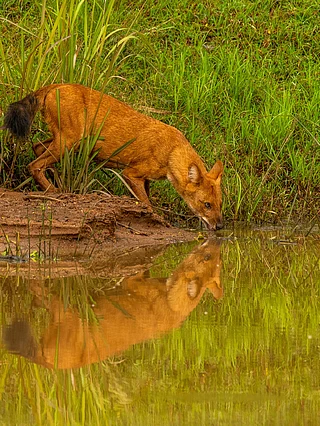
If you have grown up reading “The Jungle Book,” then you are already familiar with the fictitious rendition of this forest. Spanning across the Seoni and Chhindwara districts of Madhya Pradesh, Pench is known for its high density of prey animals. A few minutes away is Baghvan. It has 12 standalone colonial bungalows hidden among the trees near a dry riverbed, which becomes a pathway for animals living along the forest fringes in the summer. The resort is complete with a machan, or lookout area, from where you can scan the forest, and a bird, a monkey, a distant jackal or maybe the tiger’s roar will be your companion. Core zones are shut during monsoons, but you can enjoy a safari in the lush forests of the buffer zone.
Evolve Back Kuruba Safari Lodge, Kabini Forest Reserve
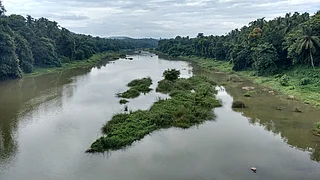
Further south, we have the Kabini Forest Reserve, part of the Nagarhole National Park in Karnataka. Large herds of elephants and the elusive big cats like leopards and tigers frequent this forest. Stay at the Evolve Back, a luxury eco-resort on the edge of the river with a design inspired by the indigenous Kadu Kuruba tribe. You can enjoy vehicle or boat safaris in the Nagarhole National Park, guided walks with naturalists or enjoy the property with its blend of traditional mud walls and thatched huts with high-end modern comforts. Kabini Forest Reserve remains open year long.
Brij Sone Bagh, Bandhavgarh
This park is the origin place of all captive white tigers in India, and also has one of the highest densities of the Royal Bengal Tiger. Open from October to June, it is another favourite destination for wildlife enthusiasts in India. The Brij Sone Bagh, nestled in the Vindhya hills, is the ultimate hideaway which offers guests an intimate exploration of the forests, ancient forts and tribal culture. Sustainability is at the core of this retreat as they integrate eco-friendly practices into their operations. Passive cooling techniques, wildlife-friendly lighting, and the use of natural materials ensure the retreat remains energy-efficient and in harmony with the natural world. While the core zone closes during monsoons, buffer zones are open for safaris year long.
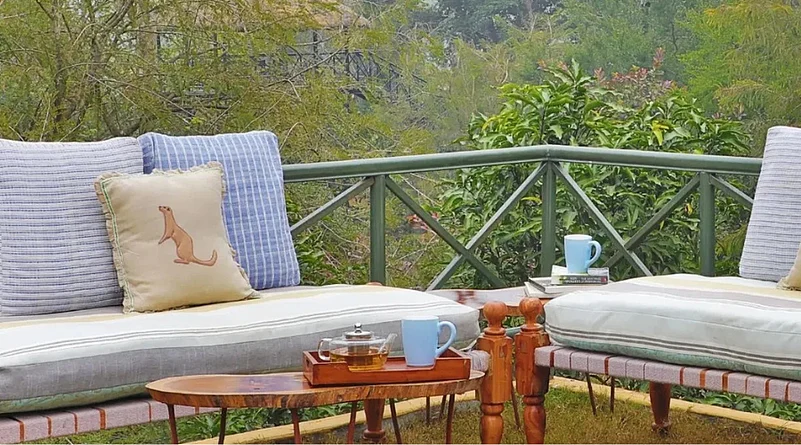
Jim’s Jungle Retreat, Jim Corbett National Park
This is the oldest national park in India established in 1936, and located in the Nainital and Pauri Garhwal districts of Uttarakhand. Jim’s jungle retreat is located between the Himalayan foothills in the north and the ancient Shivaliks in the south. The resort comes with the forest and mountain vistas, countless bird spotting opportunities and a range of walks and safaris to choose from. The gastronomic experience also pays homage to the cuisines from Kumaon, the Raj and the newabi kitchens of Rampur. Although core zones close during monsoon, buffer zones like Jhirni Dhela and Sitabani generally stay open year long.
Svasara Jungle Lodge, Tadoba Andhari Tiger Reserve
Tadoba comes from the name of the god, “Tadoba” or “Taru” worshiped by the tribal people who live in the dense forest of the region. Andhari comes from the river Andhari that meanders through the forest. According to legend, Taru was a village chief who was killed in a mythological encounter with a tiger, post which he was deified and a shrine dedicated to him exists beneath a tree on the banks of the Tadoba Lake. Svasara is the first jungle lodge in the conscious luxury chain, located just 2 hours away from Nagpur. While tiger safaris continue to remain one of the prime attractions of Tadoba, do not forget to admire the oriental spiny orb-weaver spider which can be found in these forests. There are also a range of butterflies and insects which make it equally a treat for nature enthusiasts. Core zones are closed during monsoons but buffer zones remain open year round.
With the increasing popularity of wildlife tourism, comes a greater responsibility of being a conscious traveller. While the big cats are the chief attractions in many reserves of the country, the preservation of the big cats ensures the sustenance of an entire ecosystem of flora and fauna. So the next time you check-in and get to say hello to the tigers, do not forget to be a gentle guest in their homeland.
FAQs
1. Which are the best luxury forest lodges for a tiger safari in India?
Some of the best luxury forest lodges include The Oberoi Vanyavilas in Ranthambore, Baghvan by Taj in Pench, Evolve Back in Kabini, Brij Sone Bagh in Bandhavgarh, Jim's Jungle Retreat in Corbett and Svasara Jungle Lodge in Tadoba.
2. Which national park offers the best chances of spotting a tiger in India?
Ranthambore, Bandhavgarh, Tadoba, Pench and Kabini are among India's top tiger reserves known for relatively high tiger sighting rates, although sightings can never be guaranteed.
3. When is the best time to visit India's tiger reserves?
Most tiger reserves are open from October to June, with the summer months (March to May) often offering better wildlife sightings as animals gather around water sources.
4. Are luxury jungle lodges suitable for families?
Yes. Many luxury jungle lodges offer spacious accommodations, guided safaris, nature walks, birdwatching, cultural experiences and family-friendly amenities, making them ideal for travellers of all ages.
5. How can travellers enjoy a responsible tiger safari?
Maintain silence during safaris, follow park regulations, avoid littering, keep a safe distance from wildlife, and choose eco-conscious lodges that support conservation and local communities.