


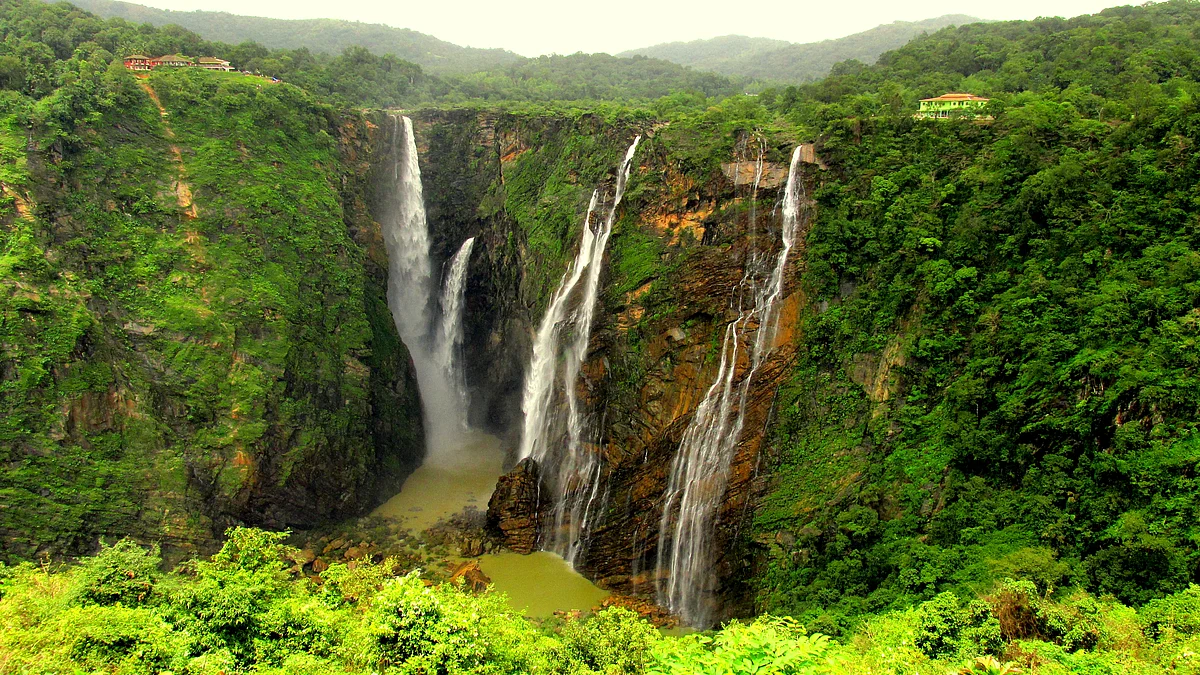
There is something about water that invites stories. Perhaps it's the way rivers change course, lakes mirror the sky, or waterfalls disappear into mist, leaving room for imagination to take over. Across India, some of the country's most beautiful water bodies are tied not just to geography, but to folklore that has been passed down for generations. These are places where a tragic love story explains a waterfall's name, a sacred pond seems to respond to applause, and a mountain lake is woven into the pages of the Mahabharata. Whether you believe the legends or simply enjoy them as part of a destination's cultural fabric, they add another layer to the journey. The next time you find yourself standing before one of these spectacular landscapes, pause for a moment. Chances are, the locals won't just tell you where the water came from—they'll tell you why it matters.
Nohkalikai Falls, Meghalaya
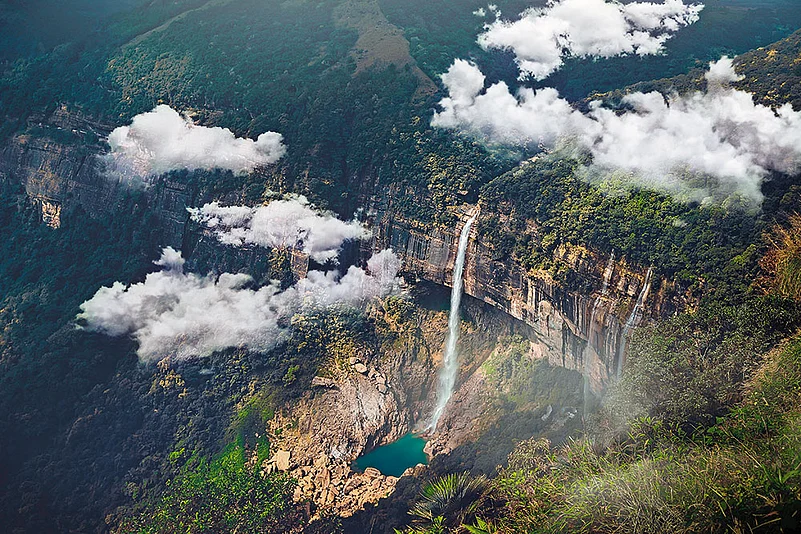

At 1,115 feet, Nohkalikai Falls in Cherrapunji is India's tallest plunge waterfall, but its breathtaking beauty carries one of the country's most heartbreaking legends. According to Khasi folklore, the falls are named after Ka Likai, a widow who worked tirelessly as a porter to raise her young daughter. Her jealous second husband murdered the child and, in an act of unimaginable cruelty, cooked the body into a meal that Ka Likai unknowingly ate. When she later discovered her daughter's severed fingers in a betel nut basket, grief overwhelmed her. She ran to the edge of the cliff and leapt into the abyss. The name Noh Ka Likai translates to "The Leap of Ka Likai", ensuring her story remains inseparable from the waterfall.
Vibe check: Dramatic, haunting and unforgettable
Nearby attractions: Mawsmai Cave, Seven Sisters Falls, Eco Park
Best time to visit: October to May, when skies are clearer and the falls remain spectacular
Dudhsagar Falls, Goa
One of India's tallest waterfalls, Dudhsagar literally means "Sea of Milk", and its name comes from an enduring royal legend. It is said that a princess would bathe in a secluded pool before drinking a goblet of sweetened milk. One day, when a prince unexpectedly appeared nearby, she poured the milk into the cascading water to shield herself from view. The waterfall turned white, giving rise to the name Dudhsagar. Whether fact or folklore, the story suits the waterfall perfectly, especially during the monsoon when torrents crash down the cliffs in frothy white sheets beneath the iconic railway bridge.
Vibe check: Adventurous, cinematic and monsoon-ready
Nearby attractions: Bhagwan Mahavir Wildlife Sanctuary, Mollem National Park, Devil's Canyon
Best time to visit: July to October
Chandratal Lake, Himachal Pradesh
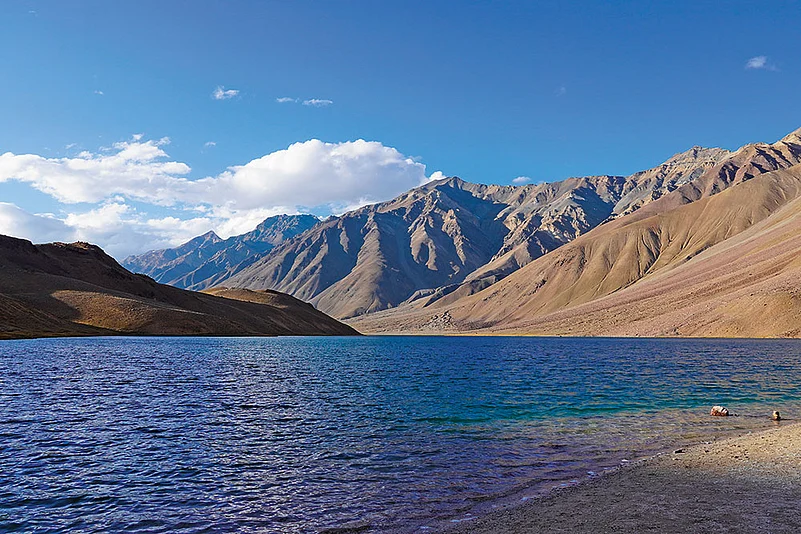
High in the Spiti region, Chandratal—or the Lake of the Moon—looks almost unreal, its crescent-shaped waters reflecting snow-capped peaks and endless Himalayan skies. While its name comes from its moon-like shape, local mythology connects the lake with the Mahabharata. It is believed this is where Indra descended in his celestial chariot to take Yudhishthira to heaven after his earthly journey. Whether or not you believe the tale, the setting feels otherworldly enough to make it plausible. A designated Ramsar wetland, Chandratal also draws trekkers, photographers and campers, with alpine meadows blooming with wildflowers during summer.
Vibe check: Serene, mystical and high-altitude magic
Nearby attractions: Kunzum Pass, Batal, Spiti Valley villages
Best time to visit: June to September
Vembanad Lake, Kerala
Kerala's vast Vembanad Lake is best known for houseboats, sunsets and the famous Nehru Trophy Boat Race, but local folklore gives the backwaters a more spiritual dimension. Several villages around the lake have stories linking its waters to ancient temples, guardian deities and serpent worship that has long shaped Kerala's cultural landscape. Over centuries, the lake became more than a source of livelihood—it became woven into rituals, festivals and everyday life. Stretching across multiple districts, Vembanad is India's longest lake and the country's largest wetland system, where mythology and nature quietly coexist amid swaying coconut palms and sleepy canals.
Vibe check: Slow, soulful and deeply rooted in tradition
Nearby attractions: Kumarakom Bird Sanctuary, Alleppey, Pathiramanal Island
Best time to visit: September to March
Budbudyachi Tali (Bubble Lake), Goa

Tucked beside the Gopinath Temple in South Goa's Netravali village is a small pond that continues to puzzle visitors and scientists alike. Known as Budbudyachi Tali, or Bubble Lake, the 400-year-old sacred pond constantly releases bubbles from its bed. Local legend says the bubbling grows livelier when someone claps or shouts nearby, leading many to believe the pond responds to human voices or carries divine energy. Some call it the breath of the gods, while scientific theories range from underground gases to geological activity, though no definitive explanation exists. Either way, the mystery only adds to the pond's enduring appeal.
Vibe check: Curious, peaceful and quietly mysterious
Nearby attractions: Netravali Wildlife Sanctuary, Savari Falls, Gopinath Temple
Best time to visit: October to February
Irpu Falls, Karnataka
Hidden in the forests of Kodagu, Irpu Falls is closely tied to the Ramayana. According to local belief, Lakshmana became overwhelmed with anger while travelling with Lord Rama through the Brahmagiri Hills. After realising his mistake, he sought forgiveness, and Rama created the Lakshmana Teertha by striking the mountains, allowing sacred waters to flow and extinguish the flames of remorse. Some versions even say the stream emerged from Lakshmana's tears. Today, pilgrims believe the waters possess purifying powers, especially during Shivaratri, when thousands visit the nearby Rameshwara Temple before walking to the waterfall.
Vibe check: Sacred, forested and refreshingly peaceful
Nearby attractions: Rameshwara Temple, Brahmagiri Wildlife Sanctuary, Nagarhole National Park
Best time to visit: July to January
FAQs
Q1. Which is India's tallest plunge waterfall?
Nohkalikai Falls in Meghalaya, standing at approximately 1,115 feet.
Q2. Why is Dudhsagar Falls called the 'Sea of Milk'?
According to legend, a princess poured milk into the waterfall, giving it its milky appearance and name.
Q3. What makes Budbudyachi Tali in Goa unique?
The sacred pond continuously releases bubbles and is surrounded by legends, though its exact cause remains unexplained.
Q4. Which Indian lake is associated with the Mahabharata?
Chandratal Lake in Himachal Pradesh is believed to be where Indra took Yudhishthira to heaven.
Q5. Which Indian water body is known as the 'Lake of the Moon'?
Chandratal Lake in Himachal Pradesh is called the 'Lake of the Moon' because of its distinctive crescent shape.


