Every monsoon, the Nilgiris return to their most photogenic self. Hills disappear behind drifting clouds, waterfalls gather force, and tea gardens take on impossibly vivid shades of green. While Ooty continues to draw long queues of holidaymakers chasing this seasonal transformation, another hill town nearby is beginning to attract travellers looking for something different. Just 30 km away, Kotagiri offers the same cool mountain air and rain-fed landscapes, but with a slower pace, open viewpoints, heritage charm, and far fewer crowds.
Why Kotagiri Is Emerging As The Nilgiris' Best Monsoon Escape
Escape the crowds this monsoon and explore Kotagiri's waterfalls, viewpoints, tea plantations, and colonial heritage in the Nilgiris

Advertisement
Perched at an altitude of 1,793 m in Tamil Nadu's Nilgiris district, Kotagiri is the oldest of the region's three celebrated hill stations, predating both Ooty and Coonoor in colonial history. Long before Ooty became the summer capital of the Madras Presidency, British collector John Sullivan first explored the Nilgiris through Kotagiri in 1819. Yet despite this rich past, the town has remained largely under the radar, allowing it to retain much of its original character. This monsoon, as travellers increasingly seek meaningful experiences over packed itineraries, Kotagiri is finding its moment.
A Different Side Of The Nilgiris
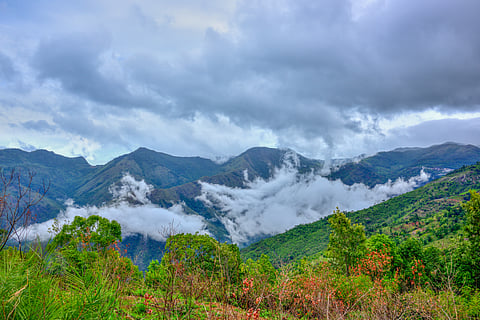
Monsoon brings Kotagiri to life Shutterstock
Kotagiri's greatest appeal lies in what it has managed to avoid. Unlike Ooty, where holiday weekends often translate into traffic jams, crowded viewpoints and bustling markets, Kotagiri still feels rooted in everyday life. The town is home to the indigenous Kota community, from whom it derives its name, and life continues to revolve around tea cultivation, local markets and forested hills rather than tourism alone.
Advertisement
That slower rhythm makes a noticeable difference, especially during the rains. Mist rolls across valleys through the day, but roads remain comparatively less congested, making leisurely drives through tea plantations far more enjoyable. The surrounding landscape, nourished by seasonal showers, comes alive with overflowing streams, emerald-green slopes and fresh mountain air scented with eucalyptus and tea.
Interestingly, Kotagiri also enjoys a slightly different microclimate from Ooty. Sheltered by the Doddabetta range, it often receives less intense rainfall during the southwest monsoon, making outdoor exploration more manageable even when much of the Nilgiris is wrapped in dense cloud.
Where Every Road Leads To A View
One of Kotagiri's greatest strengths is that the journey itself often becomes part of the experience. Roads wind through nearly 30,000 acres of tea plantations, passing colonial-era bungalows, forest patches, and viewpoints that seem to appear unexpectedly around bends.
Among its most rewarding stops is Kodanad View Point, which offers sweeping panoramas across the eastern Nilgiris. On a clear day, visitors can spot the Bhavanisagar Reservoir, the Moyar Valley and even distant stretches of Karnataka. During the monsoon, drifting clouds constantly reshape the landscape, giving every visit a different perspective.
Advertisement
A short drive away lies Catherine Falls, one of the Nilgiris' tallest waterfalls. Named after Catherine Cockburn, wife of coffee planter M.D. Cockburn, the two-tiered cascade gathers renewed energy during the rainy season, tumbling through thick forests before disappearing into the valley below. While many visitors admire the falls from designated viewpoints, a short walk through tea gardens offers a closer encounter with one of the region's most photographed natural landmarks.
Closer to town, Elk Falls provides another rewarding stop, particularly after sustained rainfall, while Rangaswamy Peak and the adjoining pillar combine striking landscapes with cultural significance for the indigenous Irula, Badaga and Kurumba communities. The surrounding trails reward hikers with uninterrupted views across the Nilgiri plateau.
Tea Country At Its Greenest
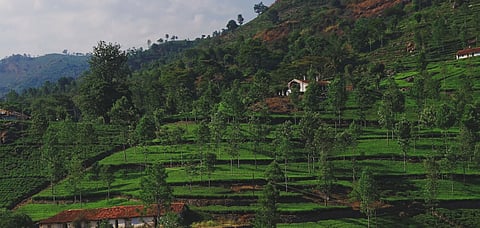
Tea Plantations at Kotagiri Deposit Photos
Tea has shaped Kotagiri for nearly two centuries, and the plantations remain central to its identity. Introduced commercially during the colonial era after coffee cultivation declined, tea estates now blanket much of the surrounding hills. During the monsoon, the neatly terraced gardens appear even more vibrant, their rain-washed slopes creating an almost continuous carpet of green.
Advertisement
Several boutique stays and plantation bungalows allow visitors to experience life amid these estates. Morning walks through dew-covered plantations, freshly brewed Nilgiri tea overlooking rolling hills and conversations with local growers offer a slower, more immersive way to experience the destination than ticking off viewpoints on a map.
The drive itself often becomes the highlight, with roads weaving through endless plantations before opening onto expansive valley views.
For Travellers Who Prefer Forest Trails To Tourist Circuits
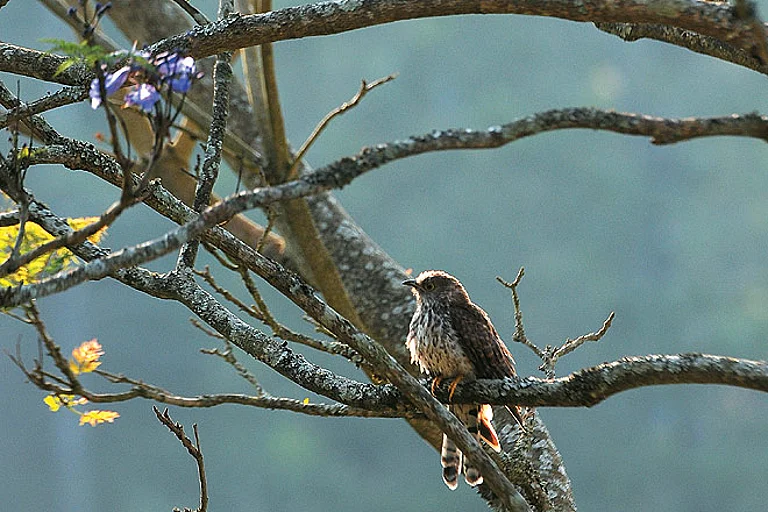
Beyond its tea gardens, Kotagiri is also one of the Nilgiris' most rewarding destinations for nature enthusiasts. Longwood Shola, one of the last remaining patches of native shola forest in the region, preserves an ecosystem found only in the higher reaches of the Western Ghats. Rich in biodiversity, the forest shelters endemic birds including the Nilgiri flycatcher, Nilgiri wood pigeon and black-and-orange flycatcher, making it a favourite among birdwatchers.
The network of walking trails around the town also attracts trekkers looking for gentler routes through forests, streams and rolling hills rather than crowded viewpoints. The paths leading towards Catherine Falls, Rangaswamy Peak and nearby tea estates offer rewarding walks, particularly once the rains have refreshed the landscape.
Advertisement
A Heritage Hill Station Without The Rush
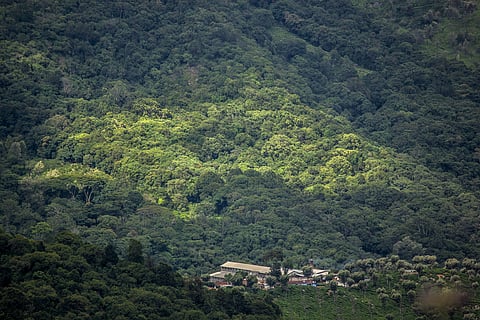
Tea gardens, trails and timeless charm Deposit Photos
Kotagiri's appeal extends beyond its scenery. Its colonial legacy still survives in old churches, planter bungalows and historic buildings linked to the earliest years of British settlement in the Nilgiris. The John Sullivan Memorial, located within the town, offers a glimpse into this period, tracing the history of the region's transformation from indigenous settlements into one of South India's best-known hill destinations.
The small bazaar, lined with bakeries, local eateries and tea shops, offers a refreshing contrast to the commercial high streets of larger hill stations. Visitors often spend afternoons sampling fresh Nilgiri tea, picking up locally produced honey or eucalyptus oil, or simply watching daily life unfold at its own pace.
Accommodation has also evolved in recent years. While large hotel chains remain largely absent, Kotagiri now offers a growing collection of heritage homestays, boutique resorts and eco-conscious retreats that blend comfortably into the surrounding landscape. Many are built within or overlooking tea estates, making them particularly appealing during the rainy season.
Advertisement
The Monsoon Advantage
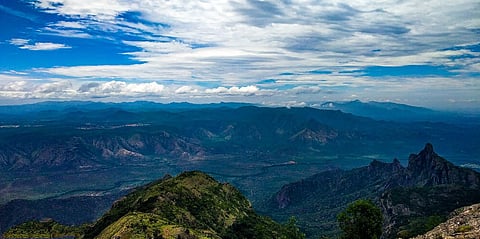
Where the Nilgiris feel refreshingly unhurried Ullas P
For years, Kotagiri was largely treated as a day trip from Ooty. That perception is gradually changing. As travellers increasingly look beyond crowded hill stations in search of destinations that offer nature, heritage and meaningful local experiences, Kotagiri is emerging as a compelling alternative.
The monsoon only strengthens that appeal. Waterfalls are at their fullest, forests glow with fresh foliage, tea gardens become even more picturesque, and the cooler climate encourages long walks and leisurely drives. Combined with its rich history, thriving plantation culture and easy accessibility from Coimbatore, Mettupalayam, Ooty and Coonoor, Kotagiri offers a side of the Nilgiris that feels refreshingly unhurried without sacrificing experiences.
For anyone planning a mountain escape this season, Kotagiri proves that sometimes the most rewarding journeys begin just beyond the destination everyone already knows.
FAQs
1. Where is Kotagiri located?
Kotagiri is a hill station in Tamil Nadu's Nilgiris district, about 30 km from Ooty.
Advertisement
2. Why is Kotagiri popular during the monsoon?
Its tea gardens, waterfalls, forests and misty landscapes are at their best during the rainy season.
3. What are the top attractions in Kotagiri?
Catherine Falls, Kodanad View Point, Longwood Shola, Elk Falls and Rangaswamy Peak.
4. How do I reach Kotagiri?
The nearest airport is Coimbatore, while Mettupalayam is the closest railway station. Kotagiri is well connected by road.
5. Is Kotagiri less crowded than Ooty?
Yes. Kotagiri offers a more relaxed atmosphere and attracts significantly fewer tourists than Ooty, especially during peak travel periods.
Published At: