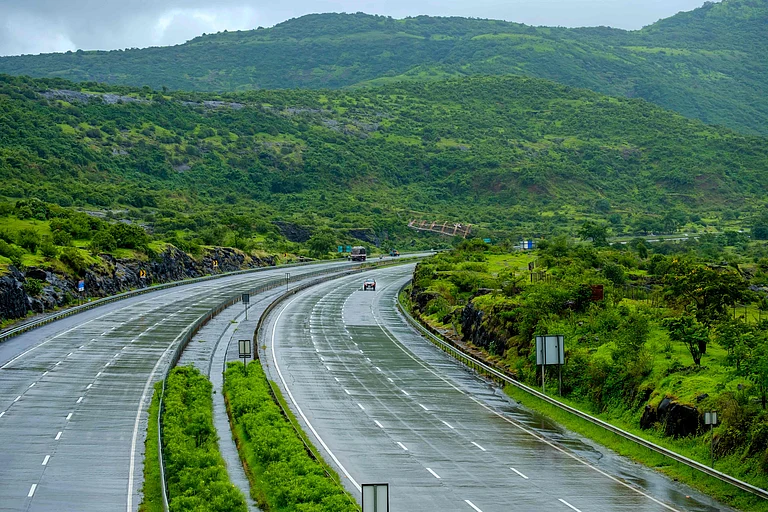


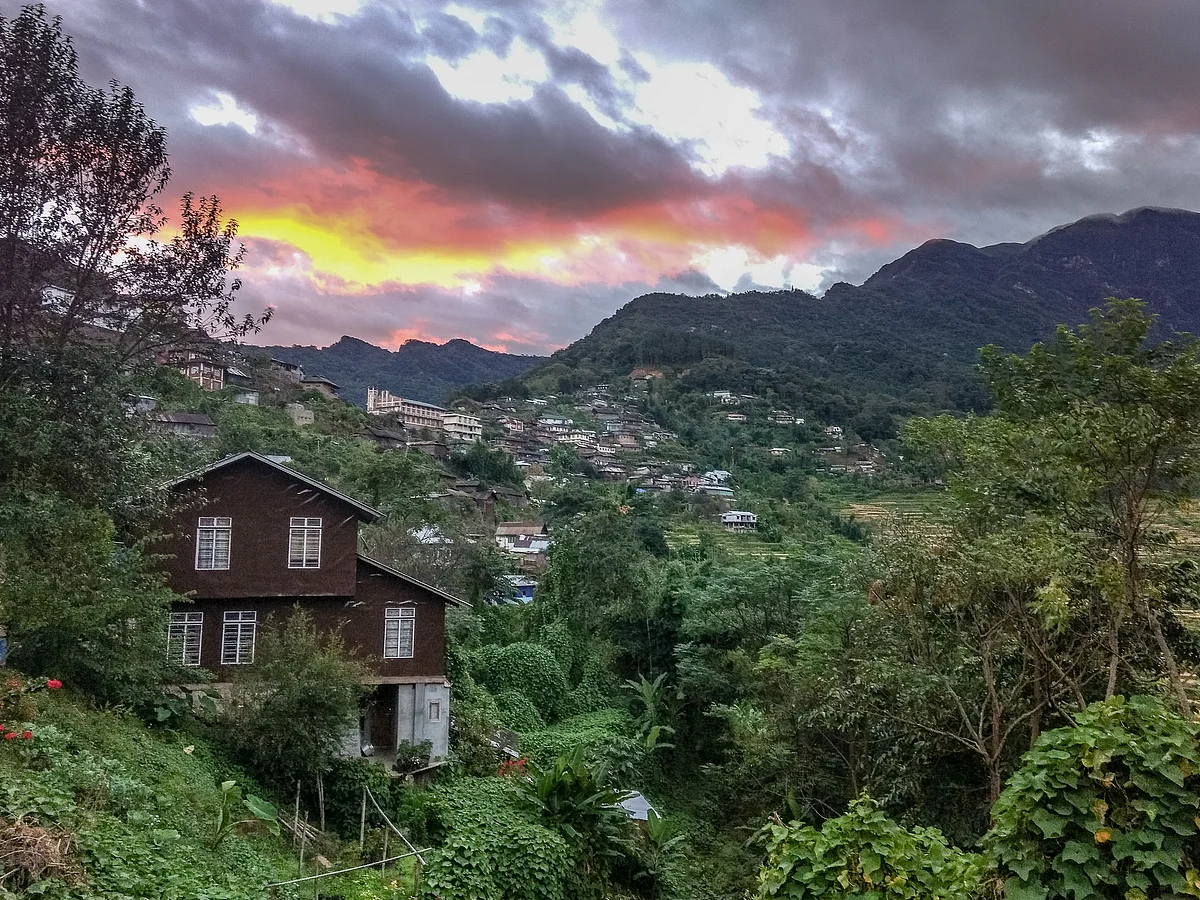
For years, the Indian travel calendar followed a familiar rhythm. Summer belonged to the mountains, winter to beaches and wildlife, while the monsoon was often treated as an inconvenient gap between peak holiday seasons. That pattern is changing fast. Instead of waiting for clear skies, travellers are increasingly planning holidays around rain-soaked landscapes, cooler temperatures and destinations that feel less crowded and more immersive.
Fresh booking data from Cleartrip's latest PeekABoo Trends Tracker suggests that the monsoon is no longer an off-season for tourism. Across the platform, hotel bookings have risen by nearly 54 per cent year-on-year, while bus bookings have surged by an impressive 140 per cent, reflecting a growing appetite for shorter, flexible road trips. The biggest surprise, however, comes from where Indians are travelling. Rather than flocking to familiar beach destinations, travellers are increasingly choosing the Northeast, with Nagaland and Arunachal Pradesh emerging as the season's fastest-growing destinations.
The Northeast Rises


Among all destinations tracked by Cleartrip this monsoon, Nagaland and Arunachal Pradesh recorded the strongest growth. Flight bookings to the two states increased by 62 per cent year-on-year, while hotel bookings climbed by more than 90 per cent, signalling that interest in the region extends beyond quick visits and into longer stays.
The momentum is visible across neighbouring destinations as well. Hotel bookings in Shillong rose by over 65 per cent, while Guwahati recorded growth of more than 60 per cent. On the aviation front, Itanagar saw flight bookings jump by over 70 per cent, with Jorhat and Imphal also registering increases exceeding 50 per cent.
The figures indicate that the Northeast's popularity is no longer confined to a single season. Interest that gathered pace during the summer holidays has continued well into the monsoon, making the region one of India's most consistently sought-after travel circuits this year. Improved connectivity, increasing awareness of lesser-known destinations and a growing preference for nature-focused holidays appear to be contributing to this sustained demand.
Monsoon Escapes
The hills continue to draw travellers once the rains arrive, but this year's booking patterns reveal that visitors are looking beyond the usual favourites. Wayanad recorded the highest jump in hotel bookings, growing by more than 160 per cent compared to last year. Alleppey followed closely with growth exceeding 145 per cent, suggesting that Kerala's backwaters remain just as appealing during the rains as its hill stations.
Elsewhere in the south, Kodaikanal and Ooty both registered hotel booking growth of more than 70 per cent, reaffirming the enduring appeal of mist-covered landscapes during the season.
Interestingly, established leisure destinations are performing strongly as well. Goa, long regarded as India's quintessential beach holiday, recorded hotel booking growth of over 110 per cent despite increasing competition from emerging destinations. Pondicherry followed with growth of more than 104 per cent, while Visakhapatnam and Udaipur posted increases of over 85 per cent and 50 per cent respectively. The data suggests that travellers are broadening their choices rather than replacing traditional destinations altogether, creating a more diverse monsoon travel map.
Changing Preferences
Beyond destinations, the booking data also highlights evolving travel behaviour, particularly among younger travellers. Gen Z appears to be driving demand for unconventional experiences, choosing destinations that would have rarely featured on mainstream holiday lists a few years ago.
Internationally, Tajikistan recorded the highest year-on-year growth at over 245 per cent. Lakshadweep also continued its upward trajectory with booking growth exceeding 80 per cent, while Muscat, the Philippines, Hubli, Leh, and Tashkent all recorded significant increases.
Travel preferences are changing in other ways too. Train journeys are finding a new audience, with Gen Z accounting for 45 per cent of all train bookings on the platform, ahead of Millennials at 28 per cent. The preference points to a generation that is embracing slower, experience-led travel while balancing affordability and flexibility.
Solo travel is also becoming increasingly popular, with flight bookings for individual travellers rising by 65 per cent over last year's monsoon. Group travel, meanwhile, grew by more than 25 per cent, suggesting that travellers are pursuing both independent adventures and shared holidays. Hotels remain central to these plans, with overall hotel bookings rising by nearly 54 per cent year-on-year. Mid-range properties are gaining a larger share of bookings, while shorter stays continue to dominate, indicating that many travellers are making the most of extended weekends and brief seasonal escapes rather than taking long vacations.
Taken together, the numbers point to a larger shift in how Indians are travelling. The monsoon is no longer viewed as a compromise or an off-season. Instead, it is becoming a season in its own right, shaped by travellers seeking experiences that are more personal, less predictable and increasingly centred around destinations that were once considered off the beaten path.
FAQs
1. Which destination saw the highest monsoon travel growth?
Nagaland and Arunachal Pradesh recorded the strongest overall growth in bookings.
2. Which hill station saw the biggest rise in hotel bookings?
Wayanad topped the list with hotel bookings increasing by over 160 per cent year-on-year.
3. Is Goa still popular during the monsoon?
Yes. Goa recorded more than 110 per cent growth in hotel bookings despite rising competition.
4. Which generation is driving unconventional travel?
Gen Z is leading the shift towards offbeat destinations and accounts for the largest share of train bookings.
5. What are the biggest monsoon travel trends in 2026?
Nature-led holidays, solo travel, short stays, mid-range hotels and growing interest in the Northeast are defining the season.