

There was a time when a hotel's biggest promise was a comfortable room and good service. That is no longer enough. Today's travellers expect hotels to be destinations in themselves—places where weddings take place over several days, conferences feel like retreats, wellness takes centre stage, and local culture is woven into every experience.
That shift is also changing how hotels are conceived. Hospitality companies are increasingly working with owners from the earliest planning stages, influencing everything from design and guest flow to commercial strategy. The result is a hotel that does more than offer a stay; it tells the story of its destination while meeting more meaningful and personalised guest expectations.
For Anshul Bhargava, Founder and Chairman of Black Rock Hotels & Resorts, this is exactly where Indian hospitality is headed. As the company expands across Rajasthan and North India with large-format resorts and wildlife properties, he sees the industry's future in hotels that are rooted in their surroundings and commercially sustainable.
It's About Performance, Not Just A Brand Name
For years, international hotel brands were seen as the obvious choice for property owners. A familiar name often meant credibility and visibility. But Bhargava believes the conversation has changed. Hotel owners today are far more informed, and their priorities extend well beyond branding.
"Hotels don't succeed because of a logo on the building; they succeed because they perform consistently for both guests and owners," he said.
"From day one, we've focused on building profitable hotels rather than chasing scale for its own sake. Every market teaches you something different, but one principle has remained constant—if you create value for the owner through strong operations, revenue management and service standards, growth follows naturally. Whether it's a city hotel, a destination resort or a wildlife retreat, our approach remains the same: understand the market, understand the guest and build a business that works in the long run."


That philosophy has shaped Black Rock's growth over the years. Rather than pursuing expansion at any cost, the company has focused on operational efficiency and long-term profitability. According to Bhargava, owners are increasingly seeking management companies that remain invested in the asset's success rather than simply lending a brand name.
"Owners today are asking practical questions—who will maximise revenue, improve profitability and build a sustainable business over the next twenty years? A brand certainly has its strengths, but good operations cannot be outsourced to a logo. Increasingly, owners are looking for management partners who become involved from the earliest stages, understand the asset's commercial potential and remain invested in its long-term success."
Planning Hotels Long Before They Open
One of the biggest differences in Black Rock's approach is that it gets involved long before a hotel welcomes its first guest. For Bhargava, the success of a property is often determined during the planning and design phase rather than after operations begin.
He believes seemingly small decisions, including how many rooms a hotel has, where restaurants are placed, how guests move through the property or how banquet areas connect with accommodation, have a direct impact on long-term profitability.
"By the time a hotel opens, many important decisions have already been made. We prefer to work alongside owners much earlier because the design itself influences how efficiently a hotel can operate. The number of rooms, banquet spaces, restaurants, guest flow and back-end planning all affect long-term profitability."
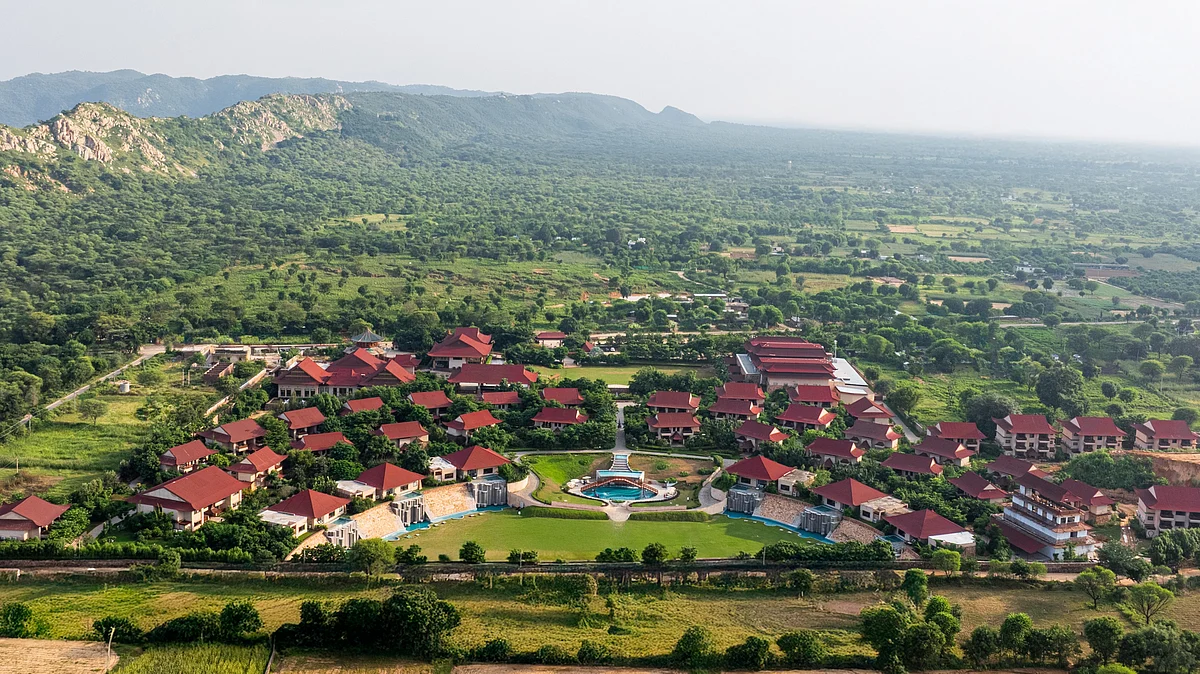
That thinking played a key role in shaping Ananta Spa & Resort Jaipur. Instead of designing the property for a single type of traveller, the team envisioned a destination that could host weddings, conferences, family holidays and leisure breaks simultaneously. The result is a resort that remains active year-round rather than relying on a single seasonal demand segment.
Why Weddings And MICE Are Driving Growth
Destination weddings and MICE (Meetings, Incentives, Conferences and Exhibitions) have emerged as two of the strongest growth drivers for India's hospitality sector. As weddings become larger and more immersive, and corporate events evolve into experience-led gatherings, hotels are having to rethink both infrastructure and operations.
Bhargava believes this shift is one of the reasons Black Rock has built much of its expansion strategy around these segments.
"We've consciously built Black Rock around destination weddings and MICE because we believe these two segments will continue to drive hospitality growth over the next decade. Weddings today have become multi-day celebrations, while conferences are increasingly experience-led. Both require hotels with significant inventory, multiple venues and operational expertise."
He adds that the company's growing portfolio in Rajasthan reflects this long-term vision.
"Our expansion across Rajasthan has been guided by this philosophy, and with the properties currently under development, we are poised to become one of the largest hospitality operators by room inventory in the state. Rather than building hotels for a single occasion, we're creating destinations that remain relevant year-round."
One Resort, Many Experiences
With 351 rooms, multiple banquet halls, landscaped gardens and expansive event spaces, Ananta Spa & Resort Jaipur is among Rajasthan's largest destination resorts. But Bhargava says size alone has never been the ambition. Instead, the vision was to create a self-contained destination where guests could enjoy every aspect of their stay without leaving the property.
"Scale was never the objective by itself," he said. "The vision was to create a destination where guests didn't feel the need to step outside the resort to complete their experience. Whether someone is attending a conference, celebrating a wedding or travelling with family, every requirement should be available within a single ecosystem."
He explains that the property combines Japanese-inspired architecture with wellness facilities, restaurants, entertainment spaces, landscaped gardens, and dedicated banquet venues to cater to different audiences simultaneously.
"We wanted to build a resort that adapts to different kinds of travellers rather than asking travellers to adapt to the hotel. With 351 rooms, multiple banquet halls, expansive lawns and dedicated breakout spaces, Ananta is designed to host everything from intimate family celebrations to some of India's largest weddings, conventions and incentive groups within a single integrated destination."
Every Hotel Should Reflect Its Destination
While Ananta revolves around celebrations and large gatherings, AamaGhati Wildlife Resort in Ranthambore offers a much quieter, experience-led stay. Yet Bhargava sees both properties as expressions of the same philosophy.
For him, every hotel should feel connected to the place where it is built rather than following a standardised luxury template.
"On the surface, they appear very different, but the philosophy is the same—every property should belong to its destination. At AamaGhati, the experience begins with the landscape itself. The resort sits closest to Ranthambore's entry gate; its architecture reflects the region's heritage; every room carries the name of one of the park's iconic tigers; and guests experience local cuisine, folk performances, and the wilderness beyond the safari. At Ananta, the destination revolves around celebrations and shared experiences. In both cases, we are creating a sense of place rather than simply offering accommodation."
The Future Of Luxury Is Personal
Luxury, Bhargava believes, is becoming less about extravagance and more about emotion. Travellers are no longer impressed by standardised luxury experiences that could exist anywhere in the world. Instead, they want hotels that leave them with stories and memories unique to that destination.
According to Bhargava, luxury today is less about material comforts and more about how a destination makes guests feel. "They are looking for authenticity, privacy and experiences that cannot be replicated elsewhere. Whether it's waking up to the Aravallis after a safari in Ranthambore or bringing together hundreds of family members for a destination wedding in Jaipur, people want stories they can take back with them. Hotels that reflect their destination instead of looking the same everywhere will have a lasting advantage."
As Black Rock continues to expand across Rajasthan and other leisure destinations in North India, Bhargava says the company is focused on building hotels with a distinct identity rather than a one-size-fits-all approach.
"We don't aspire to be the biggest; we aspire to be one of the most trusted hospitality partners for hotel owners, our people and our partners. Our ambition is to build destinations that are commercially successful, operationally strong and deeply connected to their surroundings. Indian hospitality is entering a very exciting phase, and I believe independent operators who combine local understanding with professional management will play an increasingly important role in shaping its future."
For an industry increasingly driven by experiences, that philosophy may prove its biggest strength.
FAQs
Q1. What is Black Rock Hotels & Resorts?
Black Rock Hotels & Resorts is an Indian hospitality management company that develops and operates destination-led hotels and resorts focused on personalised experiences, operational excellence and long-term sustainability.
Q2. Who is the founder of Black Rock Hotels & Resorts?
Black Rock Hotels & Resorts was founded by Anshul Bhargava, who serves as the company's Founder and Chairman.
Q3. What properties does Black Rock Hotels & Resorts operate?
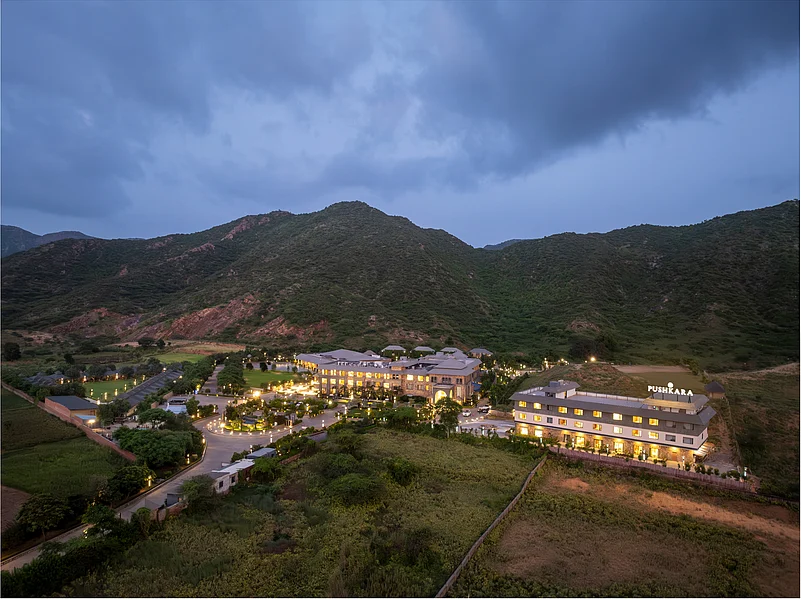
With a growing presence across Rajasthan and North India, Black Rock Hotels & Resorts currently operates across six destinations, including Jaipur, Ajmer, Pushkar, and Ranthambore. The brand's portfolio includes Pushkara Resort & Spa, Ajmer; Aant Mahal, Jaipur; Ananta Spa & Resort, Jaipur; Beelwa Palace, Jaipur; AamaGhati Wildlife Resort, Ranthambore; and The Farm Stay by AamaGhati. Together, these properties span luxury resorts, heritage-inspired stays, wildlife retreats and destination venues for weddings, MICE events and leisure travel across Rajasthan.
Q4. What is destination-led hospitality?
Destination-led hospitality focuses on creating hotels that reflect the culture, landscape and identity of their location through design, experiences, cuisine and personalised guest offerings.
Q5. Why are destination weddings and MICE important for hotels?
Destination weddings and MICE (Meetings, Incentives, Conferences and Exhibitions) generate year-round demand, making them key growth drivers for hospitality businesses while encouraging hotels to offer versatile event spaces and immersive experiences.