

Travelling alone is no longer the exception in India—it is fast becoming the norm. Solo travel is experiencing an unprecedented boom. According to Go2Africa's Luxury Solo Travel Report, searches for solo travel terms have surged 230 per cent over the last decade. In 2026, the trend hit record highs—driven largely by high-net-worth individuals, a desire for bespoke experiences, and premium lodges waiving single supplements.
Behind The Boom
The rapid rise of solo travel is being reflected not only in booking patterns but also in the type of traveller entering the market.
Outpacing other travel segments: Solo travel enquiries have grown by 16 per cent, comfortably surpassing growth in couples' holidays, family trips, and group travel, highlighting the increasing appeal of independent travel experiences.
A valuable customer segment: Solo travellers have emerged as one of the fastest-growing demographics in the travel industry. They are typically highly intentional in their planning and spending, investing an average of 42.8 per cent more per person than couples and showing a strong preference for customised itineraries and premium experiences.
Key source markets: The United States continues to account for the largest share of solo travellers, contributing more than half of the market. Demand is also rising steadily from Australia, the UK, and Canada, underlining the global appeal of independent travel.

How Solo Travellers Plan And Book
Solo travellers tend to be far more deliberate in how they approach travel planning, often investing considerable time in shaping every detail of their trip before anything is booked.
Research-led decisions: More than 81 per cent of solo travellers already have a specific destination in mind before they even contact a travel agent. Compared with other traveller types, they spend significantly longer researching routes, stays, experiences, and local conditions before confirming plans.
Flexible trip lengths: The average solo trip sits at around 10 days, but the pattern is far from uniform. Many opt for short breaks of under a week, while others stretch their journeys beyond two weeks, often using the time to explore multiple destinations at a slower pace.
What they’re searching for: Online search trends reflect a mix of curiosity and caution. Common queries include “solo travel tips” and “female solo travel”, alongside growing interest in “group solo travel”, where independent travellers join small, curated groups to balance freedom with a sense of security and company.
It's A Woman's World
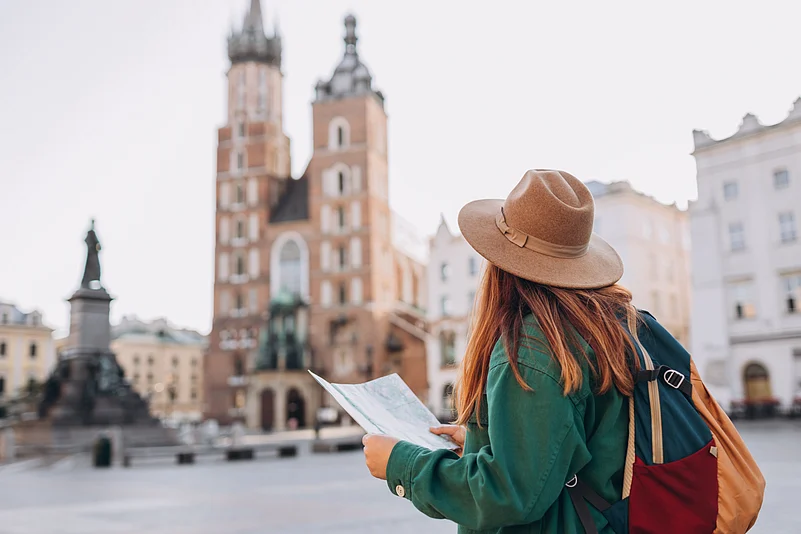
According to reports, one of the strongest drivers of the solo travel boom is the growing number of women choosing to travel independently. Solo trips by Indian women have increased, with more travellers planning their own itineraries, managing their own budgets and making travel decisions based on personal preferences rather than group expectations.
Travelling on their own terms: Indian women are increasingly taking charge of every aspect of their journeys, from route planning and bookings to on-ground experiences. Many are also prioritising comfort and convenience over strictly budget-focused travel.
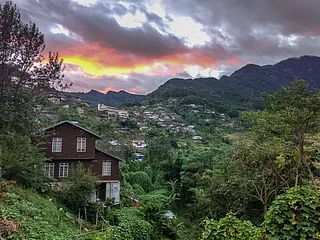
Top domestic destinations: Mumbai, Gokarna, Lonavala, Goa, Jaipur, and Varkala remain popular choices, while emerging destinations such as Shillong are gaining attention among travellers seeking something beyond the usual tourist circuit.
Top international destinations: Southeast Asia continues to lead the way, with Thailand, Vietnam, and Sri Lanka attracting large numbers of solo female travellers. Japan and destinations across Europe are also drawing growing interest.
Strong Growth Outlook
The long-term outlook for solo travel in India points to sustained expansion rather than a short-term spike. According to Grand View Horizon Research, the market is projected to reach USD 67.4 billion by 2033. Between 2026 and 2033, it is expected to grow at a compound annual growth rate of 19.5 per cent, underscoring the strength of demand for independent travel experiences.
Solo Travel Moves Into The Luxury Lane
Solo travel is increasingly shaping the upper end of the travel market as well. The Luxury Solo Travel Report by Go2Africa highlights that independent travel is the fastest-growing segment in the luxury safari sector, with global interest rising by 230 per cent over the past decade.
These travellers now account for over 15 per cent of enquiries, with demand led largely by the United States. What sets this group apart is not just their growth, but their spending behaviour—solo travellers in this segment typically spend 42.8 per cent more than couples, driven by a strong preference for highly personalised, specialist experiences rather than standardised packages.
FAQs
What is driving the rise in solo travel?
Solo travel is growing due to remote work, higher disposable income among younger travellers, social media influence, and a stronger preference for personalised experiences.
Who is most likely to travel solo?
Working professionals, Gen Z and Millennials, women travellers, and increasingly seniors are leading the shift towards independent travel.
Is solo travel more expensive than group travel?
Yes, on a per-person basis solo travellers often spend more, as they choose private stays, curated experiences and flexible itineraries.
Which destinations are popular for solo travellers?
Domestic favourites include Goa, Jaipur and Gokarna, while Thailand, Vietnam and Sri Lanka remain top international choices.
Is solo travel becoming a long-term trend?
Yes, projections show strong long-term growth, with rising demand and increasing market value expected over the coming years.