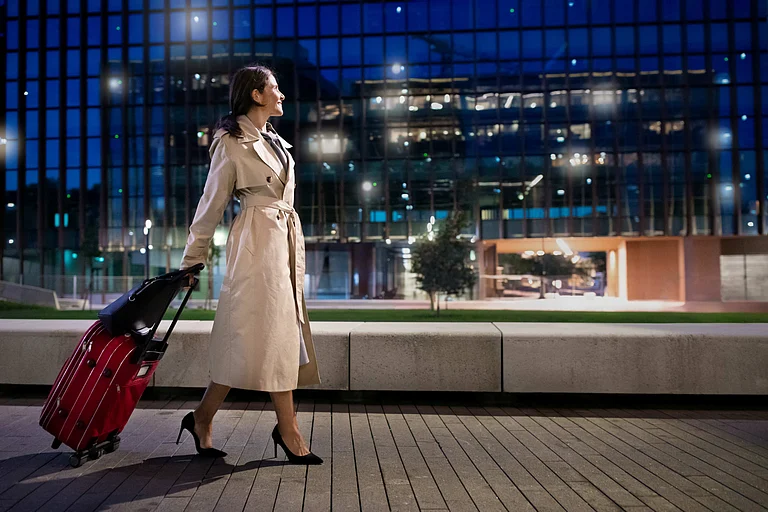


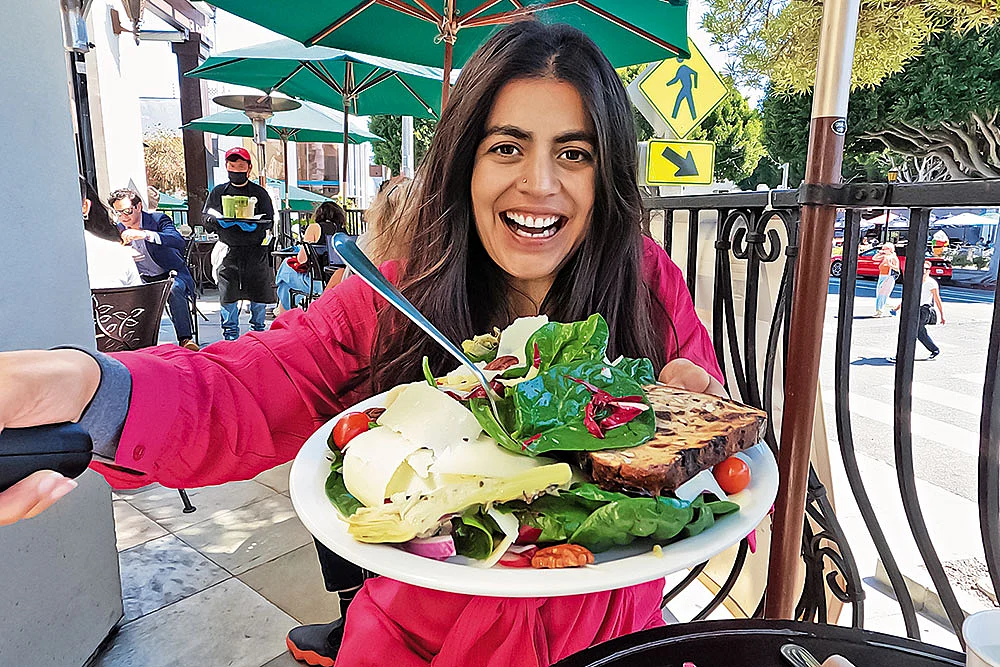
I was born into travel long before I chose it for myself. My father was a merchant marine captain, my mother gave birth to me in Bombay and almost immediately carried me back onto a ship. I spent the first five years of my life at sea, the only child on board. Just my parents, an endless horizon, and a rotating crew of sailors who probably never expected a toddler to become part of maritime life.
Perhaps that is where it began: the ease with unfamiliar places, the comfort in solitude, the inability to remain still for too long.
Even after we came ashore and my father took a regular corporate job in shipping, travel remained the organising principle of our family life. Weekends meant road trips to Lonavala or Matheran. Holidays rarely involved rest. My parents approached travel with the seriousness of a calling. My mother would race up mountain trails while I lagged behind, asking my father why we could not simply behave like ordinary tourists and take the road.
For a long time, I assumed everyone grew up this way.
People often imagine that women who travel alone arrive there through some dramatic act of rebellion or self-discovery. My story is less cinematic. I began travelling solo for the most practical reason possible: nobody could come with me.
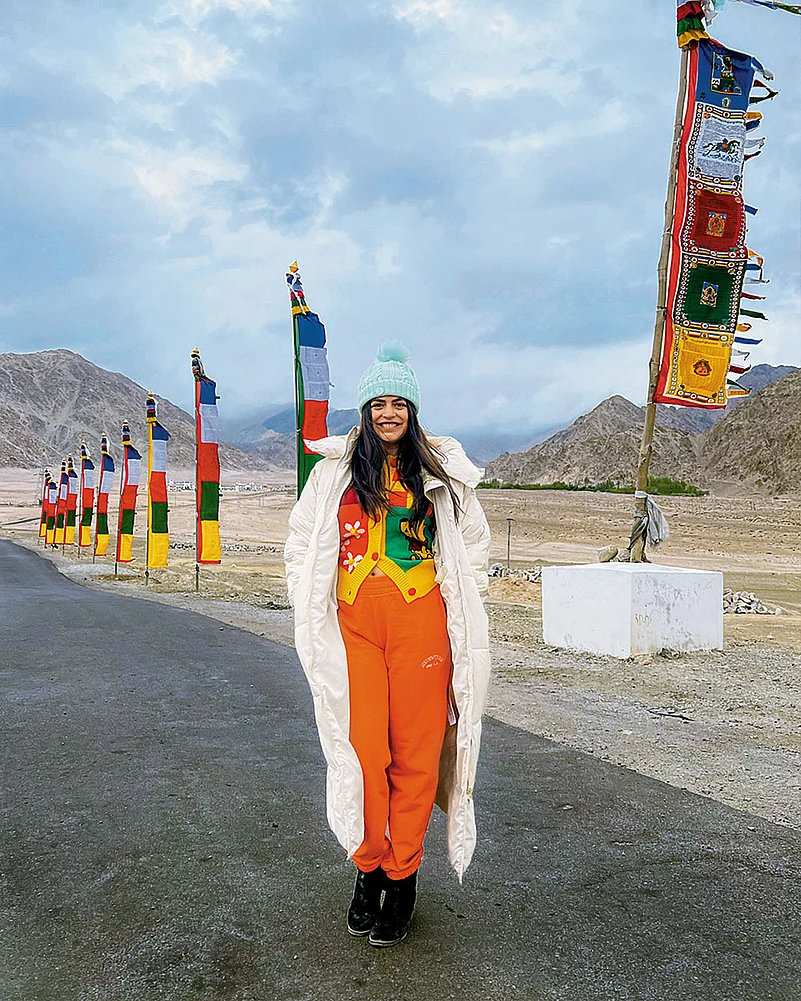

When I started working at MTV, every spare rupee I earned went into flights and hostel bookings. My friends either could not afford the trips, could not get leave from work, or had no interest in the places I wanted to see. So I went alone. Not to prove a point. Not because I considered myself especially brave. It simply became the only way to keep travelling.
Over time, solo travel stopped feeling unusual. It became routine, almost mechanical. Booking a flight by myself now requires as little deliberation as brushing my teeth.
What people rarely admit, though, is that solo travel can be deeply lonely. There are moments when the independence feels expansive and exhilarating, but there are also dinners at tables meant for two, spectacular landscapes that seem diminished by the absence of someone beside you, small moments of delight with nowhere to land. The mythology of the solo traveller often leaves little room for that truth.
If I had a close friend or a partner willing to travel the world with me, I would choose that companionship without a second thought. And yet, travelling alone changes you in irreversible ways. Once you have navigated cities in Brazil where cab drivers warn you to roll up your windows to avoid phone snatchers, learned to move through unfamiliar streets, manage risk, recover from mistakes, and still make it safely back to your hotel at night, your sense of fear changes permanently.
I have travelled through Colombia, Peru, and Mexico—places that often provoke alarmed reactions when I mention visiting them alone. But the fear in many of those countries felt tangible, almost transactional: theft, mugging, violence that, while frightening, still followed a recognisable logic.
Once you have navigated a foreign city without relying on anyone else, the world becomes less intimidating
However, India unsettled me in a different way. The fear there did not feel rooted in pickpocketing or petty crime, but in the threat of sexual violence. I remember standing on a beach in Varkala, one of those postcard-perfect stretches of coastline that tourism campaigns love to package as paradise, when I realised I was being followed by a group of men. Not discreetly. Persistently enough that the landscape itself changed character. The beach stopped being beautiful and became something to escape.
After that trip, I quietly stopped travelling alone across parts of India. I began inviting friends along whenever possible. I never framed it as a decision. It felt more like adaptation. A small, reluctant concession to reality.
Years ago, after the rape of a woman by an Uber driver in Delhi, I wrote an open letter addressed to the Prime Minister and to some of India’s most influential male celebrities. It became the first thing I had ever written that truly went viral. There was something bleakly revealing about that. The piece that travelled furthest was not written from awe or curiosity, but from anger and fear.
None of what I wrote was unfamiliar to Indian women. Every woman who has travelled alone in this country understands the choreography instinctively: keys wedged between fingers, bag held close to the chest, constant backward glances, hyperawareness masquerading as caution. We mistake these adaptations for resilience because they have become so normalised.
And still, despite all of it, I remain deeply attached to India. I leave constantly and return constantly. More importantly, something does seem to be changing.
I felt it recently while travelling through Meghalaya and Mizoram. The relative sense of safety in the Northeast struck me immediately, perhaps because I have spent so many years calibrating myself against the opposite experience elsewhere.
But the larger shift is impossible to ignore: Indian women are travelling in numbers and with confidence that did not exist when I began. They are travelling alone, in groups, on motorcycles, on limited budgets. Entire ecosystems now exist around women’s travel, from WhatsApp groups to online communities where strangers exchange safety advice, itineraries, warnings, and recommendations.
When I started, none of this infrastructure existed. I was simply a young woman whose friends could not split the hotel bill. I often think about how accidental the beginning was. No manifesto. No grand declaration of independence. Just a quiet decision to go anyway.
Now I have travelled to over a 100 countries, mostly alone. At times lonely, at times frightened, frequently exhausted, occasionally euphoric.
But nothing has made me feel more capable than learning how to exist in unfamiliar places entirely on my own. Once you have navigated a foreign city without relying on anyone else, the world becomes less intimidating. And, in subtle ways, so does your own life.
Looking for more such exciting and meaningful stories? Grab our latest issue on Amazon.