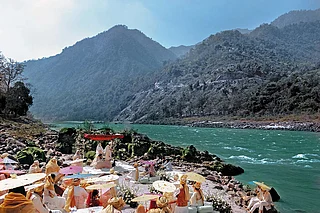


For generations, a journey to Rishikesh or Varanasi came with a fairly clear purpose. You went to pray, seek blessings, perform rituals or find a deeper spiritual connection. Today, the journey can begin with the same impulse but end somewhere quite different: at a yoga session, over a locally inspired meal, beside the Ganga at sunset or simply in a rare stretch of uninterrupted silence.
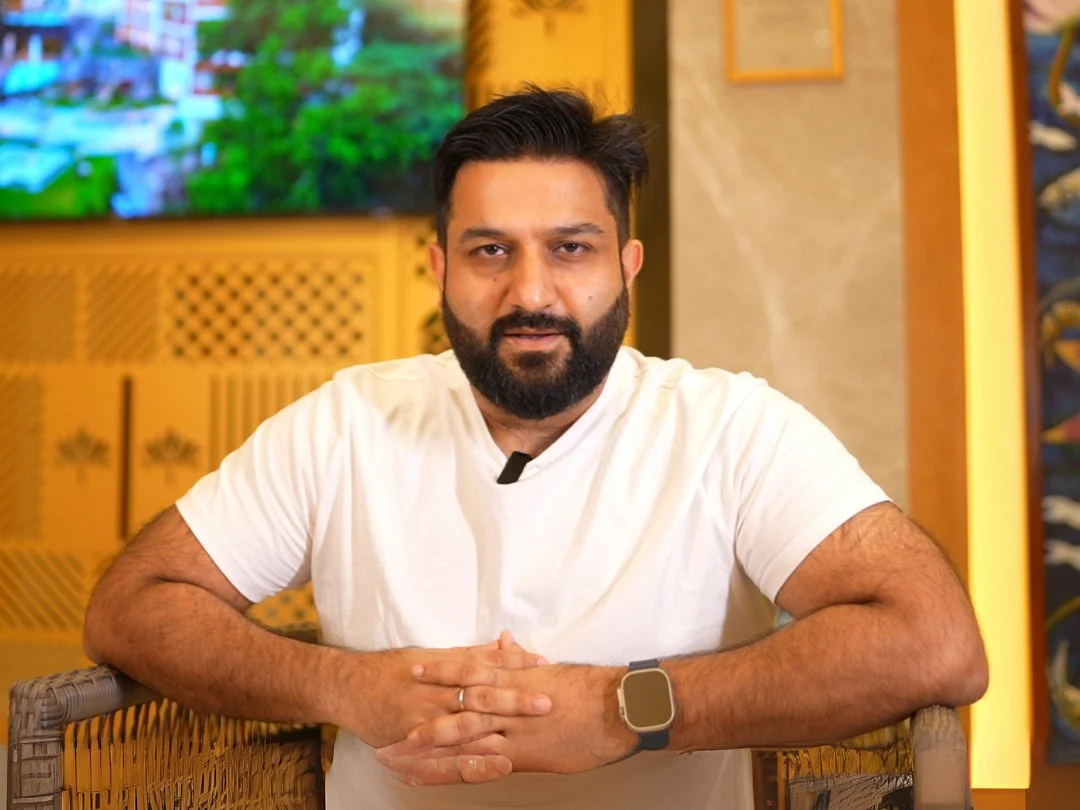
This shift is changing the way travellers experience India’s sacred cities. Younger professionals, families and international visitors are increasingly looking beyond the traditional pilgrimage checklist, seeking destinations where spirituality intersects with wellness, nature, culture and hospitality. “The traveller has definitely changed,” says Tarun Gulati, Director, Ganga Kinare Resorts and Hotels.
For Gulati, who has built hospitality experiences in Rishikesh and is now preparing to launch MOHUM KASI in Varanasi, this does not mean pilgrimage is disappearing. Instead, spiritual travel is acquiring new layers. A traveller may arrive in Varanasi for its temples and the Ganga, but also want to explore its food, music, history and living traditions. In Rishikesh, the experience might extend from yoga and meditation to nature, local cuisine or simply time spent by the river.
Beyond The Pilgrimage
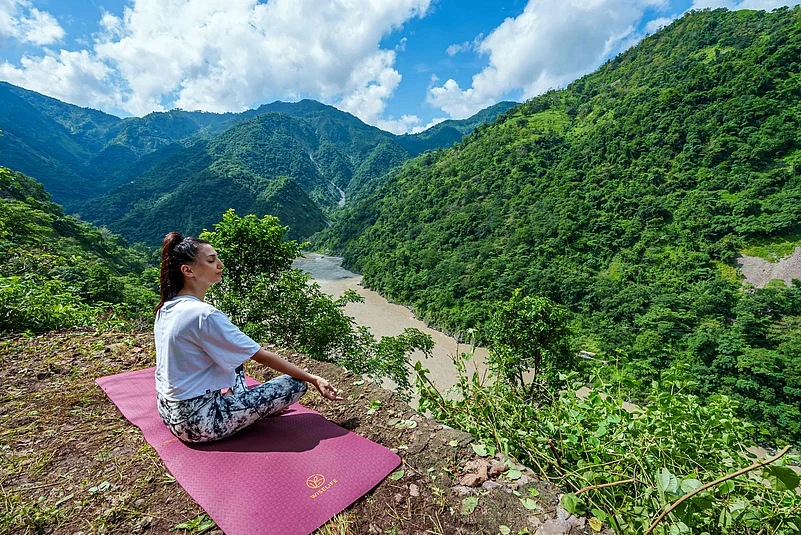

Much of this change can be traced to the way younger, urban travellers are negotiating modern life. Always connected and often overwhelmed by work and screens, they are increasingly travelling in search of a pause.
They may not describe themselves as spiritual, but mindfulness, meditation, yoga and wellness have entered the mainstream. The appeal lies less in adopting a particular belief system and more in finding ways to slow down and reconnect with themselves. “You don't have to be religious to be curious about spirituality,” Gulati says.
That curiosity is also raising the bar for hospitality. Travellers want comfortable rooms, thoughtful design, good food and attentive service, but they increasingly want these things to feel rooted in the destination. A polished hotel that could belong anywhere is less compelling than one that gives guests a sense of where they are.
The Luxury Of Time

The meaning of premium travel is consequently changing. In a spiritual destination, luxury does not necessarily mean an extravagant suite or an exhaustive list of facilities. Privacy, personal attention, a peaceful setting and experiences that would be difficult to arrange independently can matter more.
In Rishikesh, Gulati points to something as simple as sitting beside the river, enjoying a good meal and having a wellness treatment without feeling hurried. This is a form of luxury that is increasingly difficult to find in everyday urban life: time.
The same principle extends to wellness. Yoga, meditation, Ayurveda and sound-based practices are becoming part of the spiritual travel vocabulary, but Gulati believes these experiences work best when they do not feel like a checklist. A walk beside the Ganga or an hour spent sitting quietly can be just as restorative as a structured session.
Nature plays a similarly important role. The mountains, forest, river and changing seasons of Rishikesh are not merely scenery; they shape the experience itself. For travellers accustomed to spending much of their lives indoors and online, being outdoors can become an essential part of the journey.
A Stronger Sense Of Place
Food, too, has a role in this evolution. Local cuisine offers travellers a way into a destination’s history and traditions, from its ingredients and cooking methods to the cultural reasons behind what people eat. For hospitality brands, that creates an opportunity to introduce guests to the character of a place rather than replicate menus found everywhere.
But as spiritual destinations become more premium, another question emerges: can luxury grow without eroding authenticity?
Gulati believes the answer lies in modernising hospitality rather than the destination itself. Contemporary service, technology, comfort and convenience can coexist with local architecture, culture, food and experiences. “I think you modernise the hospitality, not the destination,” he says.
Varanasi’s Next Chapter

If Rishikesh demonstrates how a spiritual destination can expand into wellness and experiential travel, Varanasi has the opportunity to chart its own path. Gulati is careful not to frame the two cities as interchangeable. Varanasi’s music, food, history, temples, the Ganga and living traditions give it a distinct identity.
Its hospitality landscape, however, is likely to become increasingly diverse, with greater demand for luxury, boutique and experience-led stays. Wellness, personalised itineraries and cultural immersion could encourage visitors to spend more time in the city rather than treating it as a one- or two-night stop.
This is also where MOHUM KASI enters the picture. Still to open, the property is being conceived around a simple idea: offer the comfort and service expected by today’s luxury traveller without creating something that feels detached from Varanasi. “We don't want to create something that could be anywhere else,” says Gulati.
His experience at Ganga Kinare has shaped that approach. The key lesson, he says, is that hospitality cannot be separated from its destination. Yet MOHUM KASI will not attempt to transplant the Rishikesh model to Varanasi. Instead, the learnings around personalised hospitality, wellness and a strong sense of place will be interpreted through the character of the city.
The larger shift is perhaps best understood not as the decline of pilgrimage, but its expansion. Spirituality, wellness, culture, nature and luxury are increasingly occupying the same journey. “The lines between spiritual travel, wellness, culture and luxury travel will become less defined,” Gulati says.
For India, that convergence could be its greatest advantage. The next generation of spiritual travel may not ask travellers to choose between seeking, experiencing and indulging. It may simply give them the space to do all three, in their own way.
FAQs
1. How is spiritual travel changing in India?
It is expanding beyond pilgrimage to include wellness, nature, culture, food and immersive experiences.
2. What are younger travellers seeking from spiritual destinations?
They are looking for wellness, mindfulness, meaningful experiences and opportunities to disconnect from everyday life.
3. What does luxury mean in spiritual travel today?
Privacy, personalisation, exceptional service, time, space and authentic experiences increasingly define premium travel.
4. How is Varanasi’s tourism landscape evolving?
The city is seeing growing interest in luxury, boutique stays, wellness, local cuisine and personalised cultural experiences.
5. Can luxury and authenticity coexist in spiritual tourism?
Yes. The key is to modernise hospitality while preserving the destination’s culture, character and sense of place.