


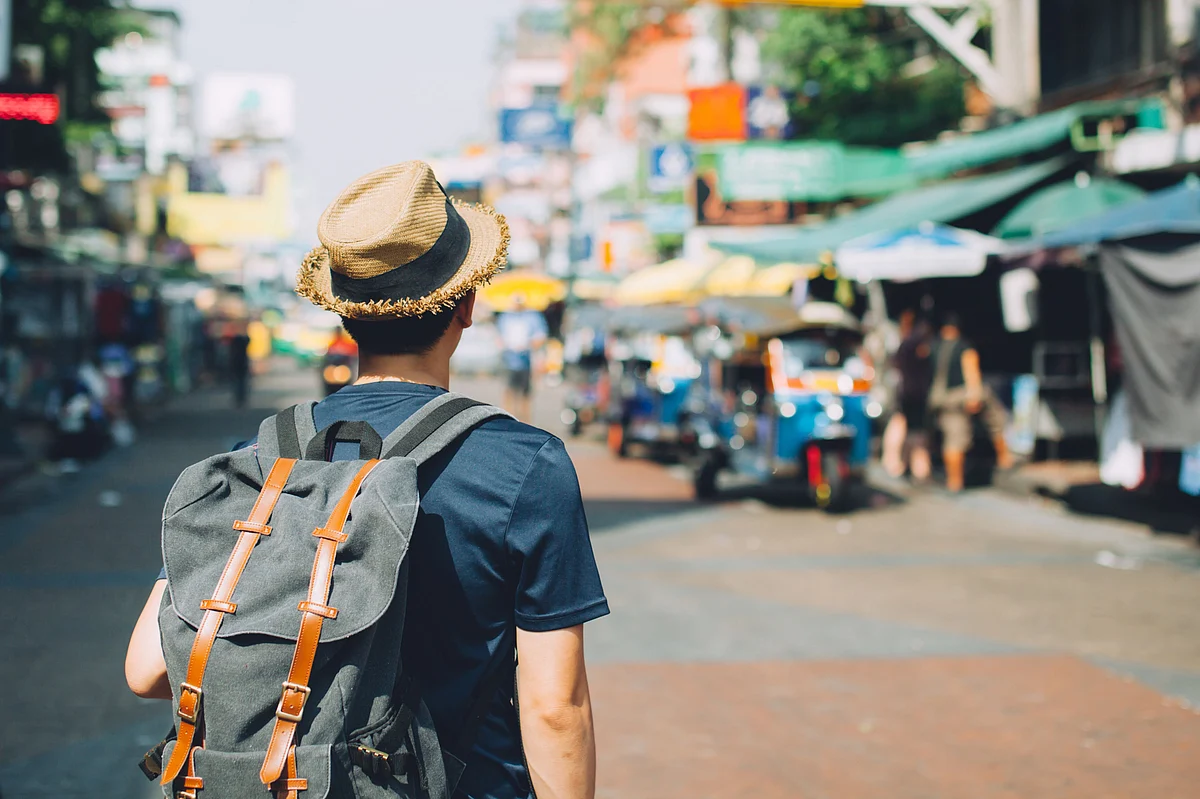
For an extended period, India’s travel schedule has focused on a handful of anticipated peak seasons. Summer breaks, holiday weekends, and December dictated when people travelled, often resulting in crowded destinations, higher prices, and limited choices. That model is slowly being substituted by a more informed and flexible method of travel.
The contemporary traveller is no longer focused solely on the destination; they are also increasingly asking about the optimal time to depart. Timing has become as important as the destination, with vacationers preferring better value, less-crowded locations, and more meaningful experiences rather than conventional holiday periods.
The details make this change hard to ignore. According to Skyscanner's “Horizons 2026” report, around 37 per cent of Indian travellers now deliberately choose shoulder-season vacations to avoid crowds, while nearly 40 per cent actively seek out quieter destinations. The “Travel and Sustainability Report 2026” by Booking.com indicated that almost 45 per cent of Indian travellers prefer visiting during off-peak periods instead of sticking to traditional peak seasons. Travelling in the shoulder season has transitioned from being a specialised option. It is slowly turning into a normal part of everyday travel routines.
Choosing The Destination
Perhaps the most important change is that travellers no longer view each destination as following the same holiday itinerary.
Every destination has its own ideal travel window. Rajasthan offers a different experience in October and March than it does during the crowded winter peak. Himachal Pradesh is at its best in September and May, while Goa and the Andamans are attracting more travellers just before and after the traditional holiday rush, when beaches are quieter, hotels offer better value, and the overall experience is far more relaxed.
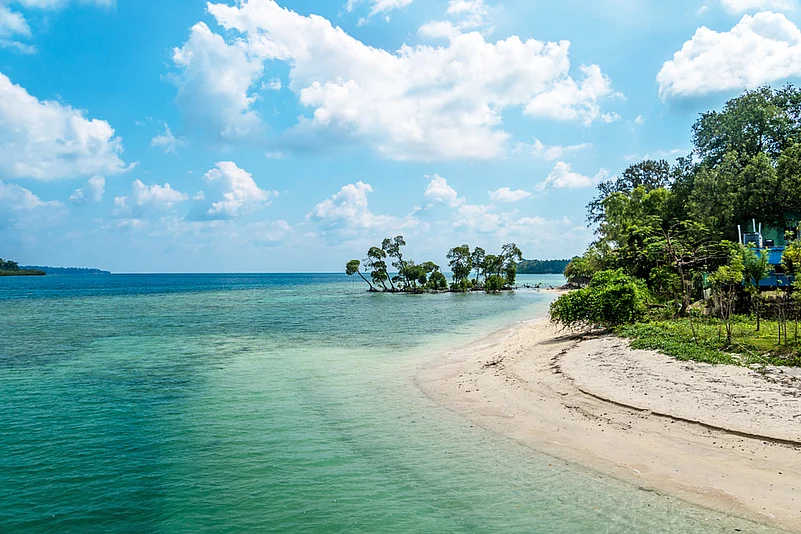

Kerala is perhaps the strongest example of how destinations are redefining seasonality. What was once viewed as an off-season is now recognised for its unique appeal. The state’s promotion of monsoon wellness and Ayurvedic therapies has successfully transformed the rainy months into a distinct travel experience rather than a period to avoid.
This captures the true essence of shoulder-season travel. It isn’t just a matter of saving money. It involves exploring places as they are intended to be explored, with fewer people, deeper interactions, and a closer bond with local culture and surroundings.
The Slow Travel Movement Takes Flight
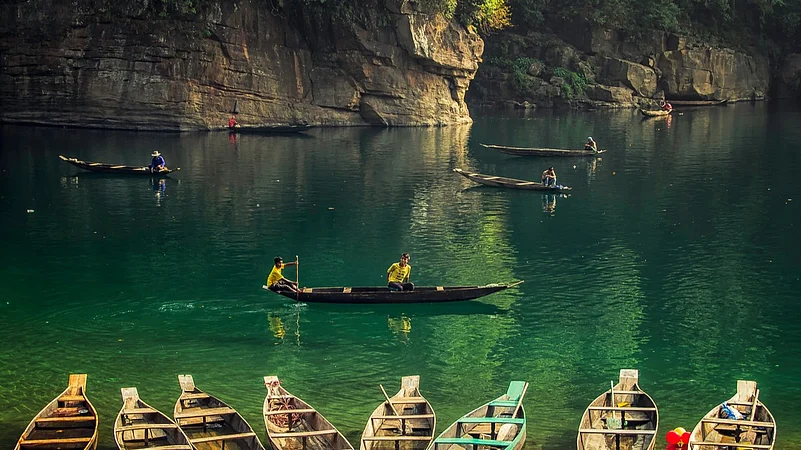
Another trend promoting this change is the rise in slow travel. Today, travellers are dedicating more time to fewer locations rather than attempting to visit numerous destinations on a single trip. They prefer immersive experiences over busy itineraries, leading to extended stays in destinations such as Hampi, Majuli Island, Coorg, Meghalaya, Udaipur, and the Western Ghats. Numerous locations display an entirely distinct character during the monsoon and post-monsoon seasons, as nature thrives and visitor numbers remain manageable.
Technology has changed the way people plan their trips. Current travellers can access real-time information on weather, pricing, crowd patterns, and regional events before finalising a booking. AI-driven planning tools have improved this experience, enabling travellers to evaluate destinations, find the best times for visits, and customise itineraries based on their preferences. Instead of relying on fixed notions of the “perfect time to travel,” tourists are making choices based on information, convenience, and the kind of experience they desire.
Flexible Work Is Changing When Indians Travel
Hybrid work has eliminated one of the major obstacles to shoulder-season travel. As flexible work becomes more prevalent across various fields, employees no longer rely on school vacations or extended weekends to rest. Departures in the middle of the week, extended stays, and workations have become part of the emerging travel culture. Industry projections indicate that almost 70 per cent of companies in India’s tech sector currently adopt a hybrid work model, and searches for workation-related travel have increased notably in recent years. This adaptability is gradually distributing travel demand throughout the year instead of concentrating it in a limited number of weeks.
The impacts of shoulder-season travel extend far beyond just the tourist. A more balanced spread of visitors throughout the year lessens pressure on local infrastructure, transport, water resources, and waste management systems. It creates steadier demand for hotels, generates more dependable income for local businesses, and allows communities to benefit from tourism while alleviating the stress that often accompanies peak seasons.
Booking.com's Travel and Sustainability Report 2026 shows that 74 per cent of Indian travellers believe more measures are necessary to protect the destinations they explore. Government initiatives promoting responsible tourism across different states exhibit comparable viewpoints, encouraging tourism that is increasingly equitable, sustainable, and beneficial for local communities throughout the year.
In the travel sector, this represents more than just a fleeting trend. It represents a fundamental change that requires an alternative mindset.
Destinations can no longer rely only on a handful of peak months to generate tourism. Rather, they have a chance to establish enticing reasons to visit year-round, such as promoting the monsoon for wellness, autumn for heritage, winter for wildlife and adventure, or spring for festivals and cultural experiences.
Travel during the shoulder season has become a hallmark of the contemporary Indian tourist. Improved information, increased adaptability, and evolving expectations are transforming how individuals organise their vacations. Prime travel periods will always hold significance, but they no longer dictate India’s travel schedule as they once did.
The future of tourism will be in the hands of destinations that provide significant experiences year-round, rather than only during a handful of busy weeks. That is the path Indian travel is taking, and it is a change that the industry should adopt rather than merely react to.
Rikant Pittie is the CEO & Co-Founder, EaseMyTrip.
FAQs
What is shoulder-season travel?
Shoulder-season travel refers to travelling just before or after a destination's peak tourist period, when visitors can often find fewer crowds, better availability and more competitive prices.
Why is shoulder-season travel becoming popular in India?
Indian travellers are increasingly looking for better value, quieter destinations, flexible itineraries and more immersive experiences, making shoulder-season holidays more appealing.
What are some good shoulder-season destinations in India?
Rajasthan, Kerala, Goa, Himachal Pradesh, Meghalaya, Coorg, Hampi and the Andaman Islands can offer distinct experiences outside their busiest travel periods.
Is shoulder-season travel cheaper than peak-season travel?
It can be, particularly when lower demand leads to better hotel availability and pricing, although costs vary by destination, dates and local events.
When is the best time to travel in India?
There is no single best travel season for all of India. The ideal period depends on the destination, weather, festivals, activities and whether travellers prioritise fewer crowds or lower prices.


