

Luxury in India is steadily shifting its address. Increasingly, it is the private members’ club—and the evolving idea of the “third space”—that is capturing the attention of discerning urban dwellers. In place of the noise and unpredictability of crowded public venues, these settings offer something far more deliberate: rooms where conversation feels unhurried, service is intuitive rather than performative, and wellness is woven into the fabric of the experience rather than appended to it. What emerges is less about exclusivity as a status marker, and more about the pursuit of environments where time seems to soften, and connection happens with a certain ease among a new class of self-made elites.
Defining The Third Space
In sociological terms, home is considered the “first space” and work the “second”. The idea of a “third space” refers to something in between—a neutral setting where people can spend time outside both domestic and professional demands, meeting, resting, or simply being around others without obligation. In its luxury form in India, this idea has been reinterpreted through private social clubs, members-only lounges, and high-end wellness centres, where the emphasis is less on utility and more on atmosphere, discretion, and the quality of time spent within them.
Why The Shift


Affluent Indians are increasingly drawn to these exclusive enclaves for a set of clear and evolving reasons. In the aftermath of the pandemic, there has been a marked preference for controlled, carefully managed environments over crowded public settings, with safety and comfort now shaping social choices as much as status.
At the same time, wellness has moved into sharper focus—today’s private clubs extend far beyond the conventional gym floor, offering facilities such as cryotherapy, oxygen-rich environments, and advanced spa therapies. Alongside this, networking itself is being redefined. The new self-made elite—entrepreneurs, startup founders, and creatives—are gravitating towards more fluid, interest-led interactions, from art salons to live jazz evenings, rather than formal, transactional exchanges.
Underpinning it all is a quiet rejection of the performative nature of traditional leisure; in contrast to restaurants and bars that demand constant consumption, these clubs offer something rarer—a setting where one can simply exist without expectation.
Hotels As Third Spaces
Luxury hotels are increasingly moving beyond their traditional role as transient places of stay, evolving instead into fully realised third spaces where travellers and local elites share the same environment without the need to check in as guests. Fuelled by the rise of hybrid work and a post-pandemic desire for a stronger sense of belonging, many high-end properties are now reimagining their public areas as destinations in their own right. Lobbies, lounges, restaurants, and wellness zones are being positioned as neighbourhood hubs—spaces where culture, community, and wellbeing converge within a distinctly elevated setting.
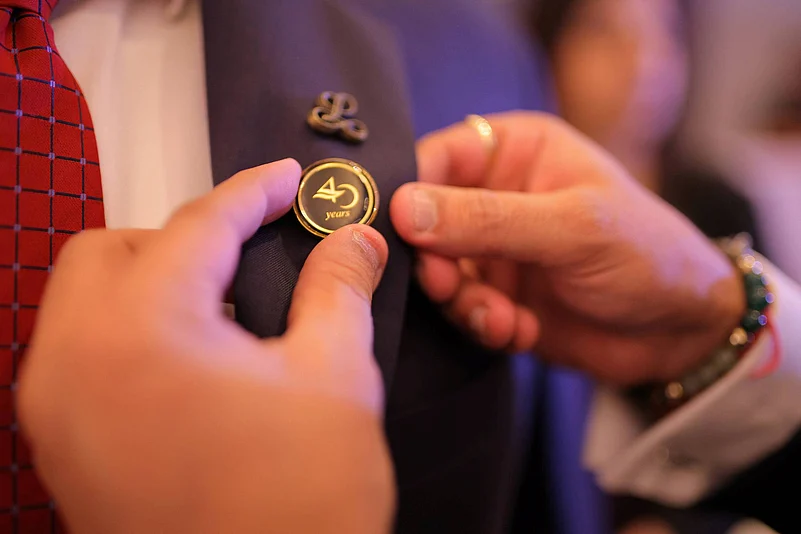
“Private members' clubs are emerging as an important extension of luxury hospitality because they respond to a fundamental shift in consumer behaviour,” says Madhav Sehgal, senior vice president, operations – South and head of sales, The Leela Palaces, Hotels and Resorts. “Affluent audiences today are looking for sustained engagement rather than transactional experiences. They value access to networks, cultural capital, and curated communities as much as they value exceptional service. For hospitality brands, these spaces create an opportunity to build long-term relationships that extend well beyond a hotel stay, while for members they offer an environment where professional, cultural, and social lives can intersect meaningfully.”
The Lobby As Living Room
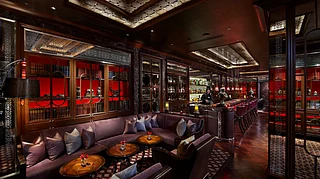
Luxury hotels are undergoing a noticeable shift in how their most public spaces are conceived. The lobby, once a brief stop for check-in, is increasingly being treated as a destination in itself. Traditional counters and rigid layouts are making way for more open, human-centred designs, with softer lighting, tactile materials, and generous use of indoor planting that softens the edges of the space. Rather than encouraging movement through, these environments are built to hold attention—creating smaller, more intimate zones within a larger setting where guests and visitors can sit, work, or simply linger without urgency.
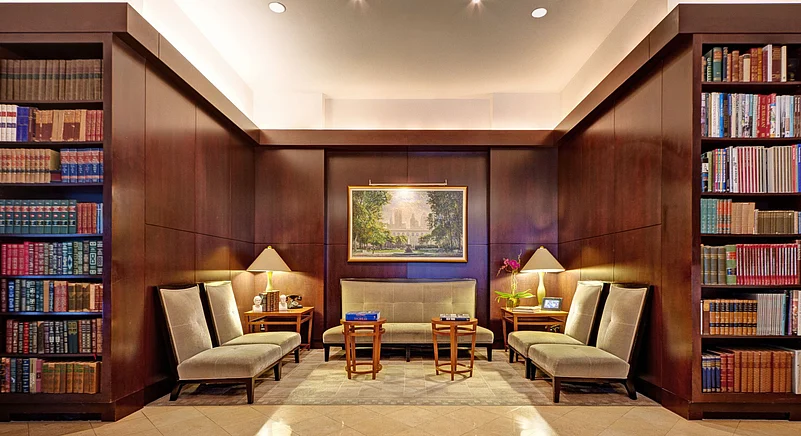
Throughout the day, these spaces operate with fluid versatility—functioning as artisanal cafés and laptop-friendly work zones, before transforming after dusk into low-lit cultural salons hosting live jazz, talks, or intimate performances. This day-to-night adaptability allows hotels to accommodate high-net-worth remote workers who can embed themselves in a premium setting without the isolation of a conventional home office. Increasingly, properties are also “clubifying” their amenities, introducing local memberships that open up wellness floors, pools, and workspaces to residents during off-peak hours, while elevating fitness offerings into bio-hacking and longevity-focused ecosystems.

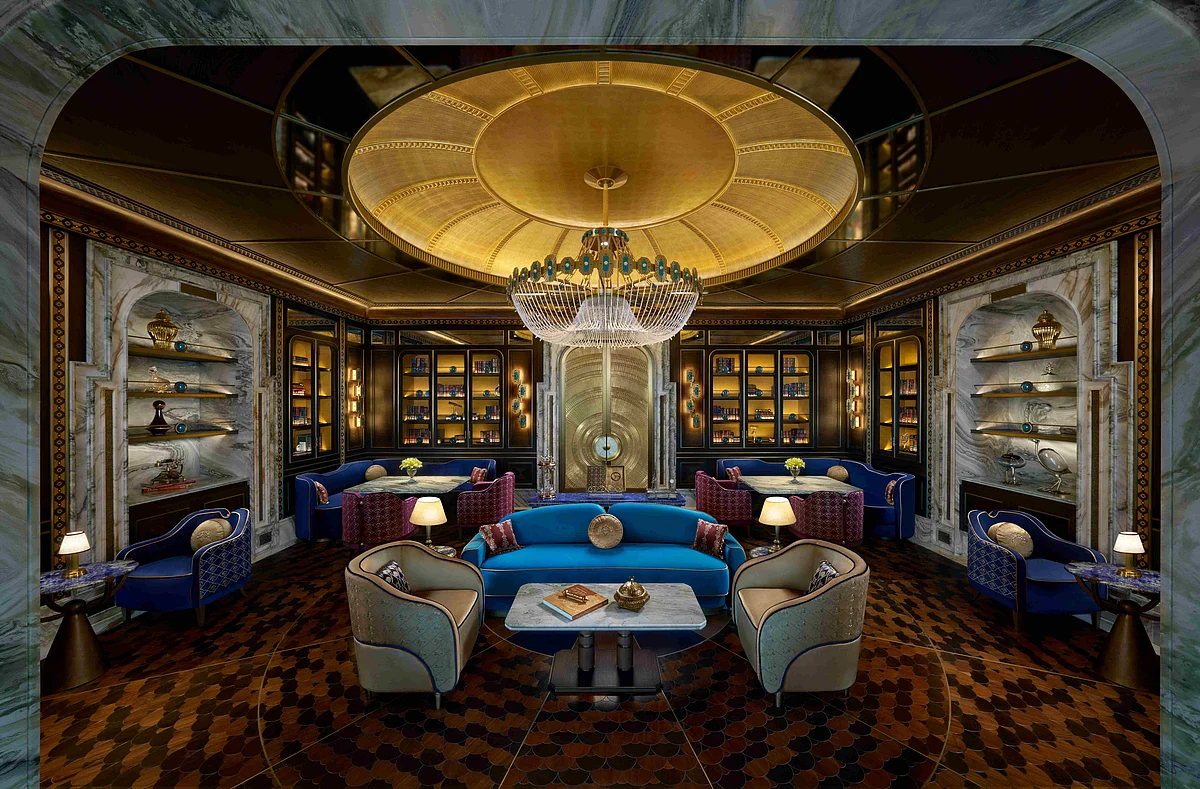
“There is a growing appreciation for spaces that offer discretion, thoughtful curation, and meaningful engagement,” says Sehgal. “At Arq By The Leela, we've approached this through the idea of a 'Living Library of Wonders', a place where cultural programming, conversations, dining, and design come together to create opportunities for genuine exchange. The appeal of these environments lies in their ability to foster community while preserving privacy, allowing members to engage with people, ideas, and experiences in a way that feels both personal and purposeful.”
The Economics Of Space
For hotel owners, this shift towards multi-use environments is as much a financial strategy as it is a design evolution. By reimagining prime real estate as lifestyle-driven spaces rather than purely transient accommodation, operators are able to reduce their dependence on unpredictable, seasonally driven tourism cycles. Industry discussions at global hospitality investment forums have increasingly highlighted how the activation of public areas—through food and beverage concepts, wellness offerings, and curated events—can significantly enhance year-round revenue per square metre. In this model, the hotel becomes less a place that is periodically occupied and more a continuously engaged asset, sustained by a steady flow of local and visiting audiences alike.
FAQs
Q1. What is a luxury third space?
A luxury third space is a highly curated environment beyond home and work where people gather, relax, and socialise. In India, this often takes the form of private members’ clubs, upscale wellness centres, and exclusive lounges.
Q2. Why are private members’ clubs becoming popular in India?
They offer privacy, controlled environments, and elevated hospitality, while also catering to new-age networking among entrepreneurs, creatives, and self-made professionals.
Q3. How are luxury hotels becoming third spaces?
Hotels are opening up their lobbies, lounges, and wellness areas to non-staying guests, transforming them into social, cultural, and work-friendly environments throughout the day.
Q4. What role does wellness play in these spaces?
Wellness is central, with offerings such as advanced spa therapies, cryotherapy, and longevity-focused fitness ecosystems becoming key attractions rather than add-ons.
Q5. Are these spaces only for tourists or hotel guests?
No. Many of these spaces are increasingly designed for local residents as well, often through memberships or open-access programming, making them part of everyday urban life.